Video Games Banned from Access: From Past to Present
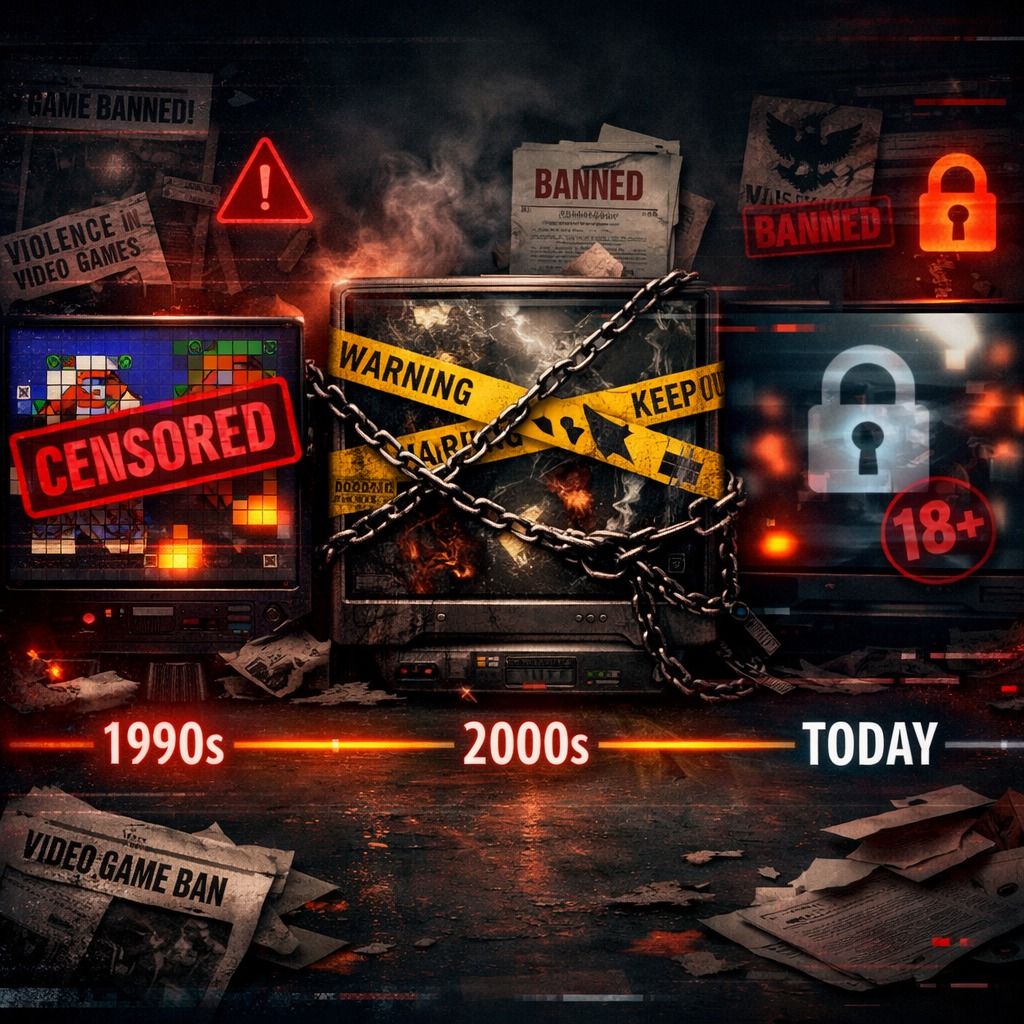
Digital games have emerged both as a form of entertainment and as a product that sparks social debate. For many reasons such as violence, addiction, moral concerns, and political issues, games have faced access restrictions in many countries throughout history. These bans often reflect the social fears and value judgments of their time.
In the 1990s, Mortal Kombat and Doom caused major public debates due to their intense and graphic violence. (Mortal Kombat was censored and restricted in several countries, especially Germany, due to excessive blood and violent content. Doom was banned or restricted in countries such as Germany and Brazil because of its association with violence and real-life incidents.) The bloody scenes of Mortal Kombat and the association of Doom with real events brought discussions on judicial control to the agenda. This period also laid the groundwork for the widespread adoption of age restrictions and content rating systems.
In the 2000s, games such as Grand Theft Auto and Manhunt were censored and banned in many countries due to their explicit depictions of crime and extreme violence. (Different versions of GTA were banned or censored in countries such as Australia, Germany, and Brazil due to crime and violence content. Manhunt was banned in countries like the United Kingdom, Germany, and New Zealand due to extreme brutality.) Manhunt, in particular, entered the list of completely banned games in many countries. This period also shows that games began to be seen not only as entertainment tools, but also as more educational or thought-provoking media through the messages and narratives they present.
After 2010, online games became the most affected by bans. PUBG: Battlegrounds (PUBG) has frequently been criticized and subjected to age restrictions due to in-game violence, addiction risks, and its potential negative effects on young people. (PUBG faced periodic bans or access restrictions in countries such as India, Pakistan, and Afghanistan.) Similarly, due to map representations and geopolitical sensitivities, games like Hearts of Iron IV and Football Manager have also been subject to bans or access restrictions. (Hearts of Iron was banned in China due to map and historical content. Football Manager had some versions removed in China due to political and geographical sensitivities.) This shows that access bans are not based on a single reason, but rather influenced by multiple factors such as violence, child protection, addiction, and political sensitivities.
Looking at the past, it has been observed that many games gained even more popularity among players after bans were lifted. This indicates that prohibition-based measures alone are not a lasting solution and often lead to increased discussion and alternative debates.
Yücel Cultural Foundation
Youth Volunteer Writer