Experiencing Sustainability: An Erasmus+ Youth Exchange in Plovdiv
During this Erasmus+ youth exchange in Plovdiv, we did more than talk about sustainability. From recycling and park cleanups to entrepreneurship and digital content, we experienced it through a wide range of practical activities.
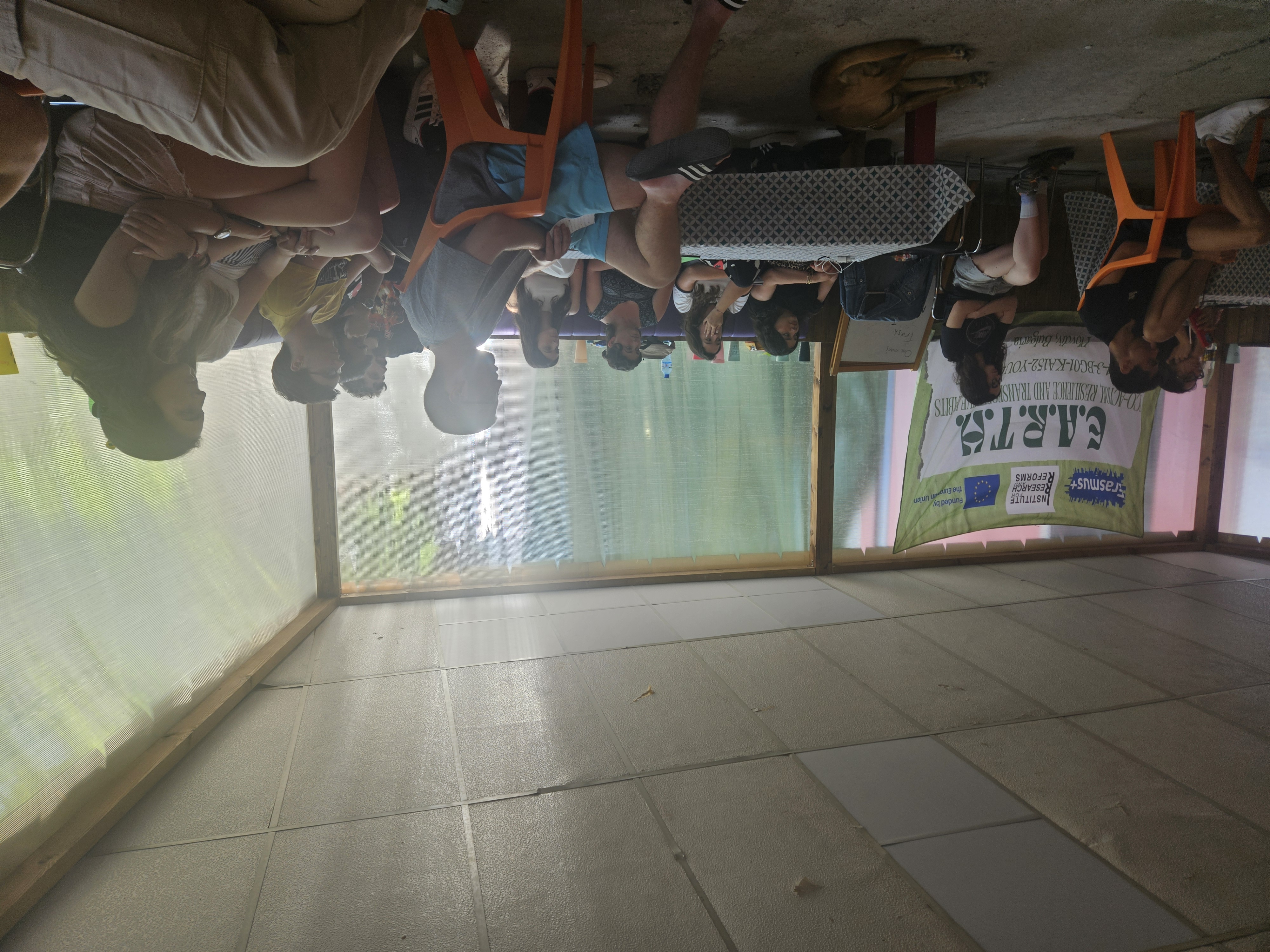
The Erasmus+ youth exchange held in Plovdiv, Bulgaria, from 8 to 14 June became a comprehensive experience in which I did not simply learn about sustainability and environmental awareness, but experienced them through many different methods.
Throughout the project, we worked with young people from different countries, completed team assignments and individual activities, participated in fieldwork around the city and developed new project ideas.
Sustainable living, environmental awareness and a more responsible approach to nature were at the heart of the project. For me, however, the experience went far beyond environmental awareness. It also gave me opportunities to develop teamwork, responsibility, idea generation, presentation skills, intercultural communication and my own creativity.
Day One: A Quiet Voice and Plenty of Excitement
My project began in a slightly unusual way. I was ill during the first two days and had almost lost my voice. As this was my first Erasmus+ project, I began to worry that I would not be able to introduce myself properly or communicate comfortably with other participants.
Not having my usual voice on the first day was stressful because being able to express myself is important to me when meeting new people. I soon realized, however, that it did not have to become a barrier.
Despite my very quiet voice, I continued participating in activities and tried to communicate with people individually. Sometimes I had to speak extremely softly, but I still managed to meet many participants.
We received general information about the project schedule, activities and methods. We were also introduced to social activities such as Gossip Box, Punishment Box and Secret Friend.
We played name games, talked about our hobbies and took part in activities designed to help us get to know one another. They may have appeared simple at first, but they helped people from different countries begin communicating very quickly.
In the evening, we joined Bulgarian Cultural Night. The Bulgarian team presented dances and shared traditions and stories from their culture. We then played Kahoot and had the chance to taste different local foods.
Day Two: Erasmus+ and Our First Environmental Activities
On the second day, we began working directly with the main themes of the project. We were divided into groups and assigned different Erasmus+ topics. Each group had to create a poster and present its work to the other participants.
My group's topic was Erasmus+ Certificate - Youthpass. We tried to explain Youthpass visually through a poster and later presented our work to the other groups.
The activity was particularly valuable for developing my presentation skills. From the beginning of the project, we had to create an idea, visualize it and then explain it in front of others. I was naturally nervous during the first presentations, but I became much more comfortable as the project progressed.
We then worked with a different group on a theatre activity about protecting nature and environmental awareness. Starting from examples of wasteful everyday behavior, we developed a performance encouraging recycling.
Presenting sustainability through a story rather than simply talking about it felt much more effective. Through theatre, we tried to show how everyday habits can affect the environment.
Later, we changed groups again for an activity involving puzzles and missions around the city. Parks, statues and different locations became part of our tasks, together with photo and video challenges.
In the evening, we had karaoke night. We listened to and sang songs from different countries. Hearing Turkish songs as part of the evening also created a warm atmosphere of cultural exchange.
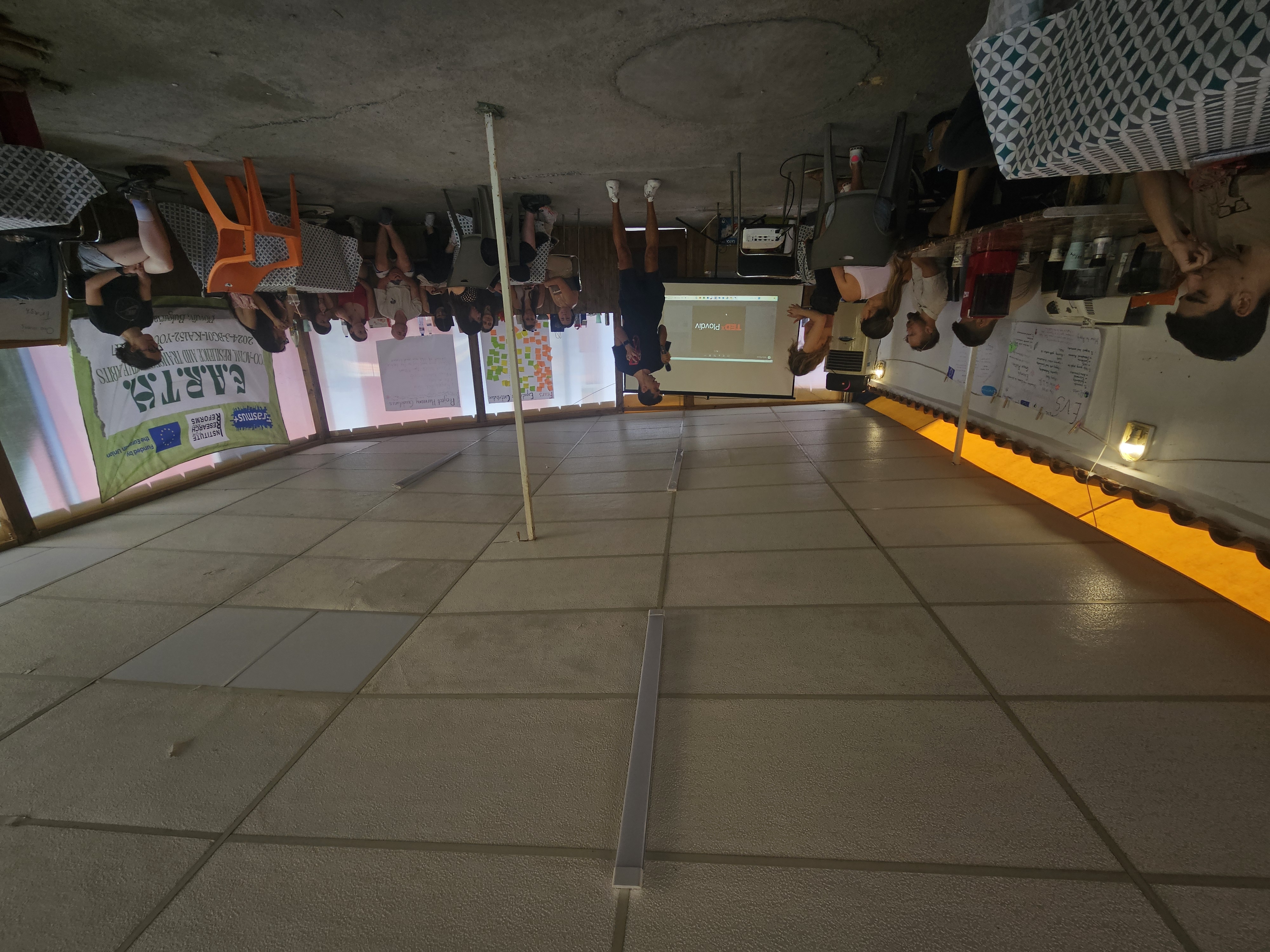
Day Three: Discovering Creativity Through Recycling
By the third day, both my energy and my voice had improved, allowing me to become more involved in the project.
We began with energizer activities and then moved on to an individual recycling workshop focused on creativity.
We were free to work indoors or outdoors and used recyclable objects and waste materials found around us to create new products.
Everyone approached the task differently. Some created plant pots, others accessories, pencil holders or various organizers.
We then moved back into teamwork. The project team gave us several video challenges, and we filmed content at different locations that could be used on the project's TikTok account.
I found this particularly interesting because we were able to combine sustainability and Erasmus+ with digital content. Communicating a message through a short video rather than simply explaining it required a different kind of creativity.
In the evening, we held Turkish and Greek cultural nights. For the Turkish evening, we prepared presentations, taught halay, staged a traditional henna night and introduced different foods. The Greek team contributed with performances and foods from their own culture.
Presenting our culture to people from other countries was a special experience. We realized that a cultural detail we might consider completely ordinary in everyday life could be fascinating to someone else.
Day Four: A Different Day in Burgas
Our fourth day was different because it had been planned as a free day. We used the opportunity to visit Burgas, another city in Bulgaria.
It gave us a chance to step away from the intensive project schedule and discover another city. For me, this also demonstrated that Erasmus+ is not only about workshops and training sessions.
Discovering new places, observing local life and spending time together are also meaningful parts of the experience. Free time together allowed friendships within the project to develop more naturally.
Day Five: Natural Cosmetics, Entrepreneurship and a Park Cleanup
The fifth day began with an energizer led by the Greek team. We then visited a cosmetics company in the city center whose products are sold in Bulgaria and several other European countries.
We learned about naturally produced products, production processes and the PR work behind them.
The visit was useful because it showed me how sustainability can be approached in different sectors. Environmental awareness is not limited to nature activities. Production processes, materials, consumption habits and the way brands position themselves are also connected to sustainability.
After the visit, we divided into groups and developed our own startup projects. We began with brainstorming, brought together different ideas and tried to transform them into feasible project concepts.
We presented our projects to the other groups, who then asked us questions. Their questions helped us recognize weaknesses and identify areas where our ideas could be improved.
Our final activity of the day was fieldwork. We went to a nearby park and cleaned the area in groups, turning the task into a friendly competition.
We also had the opportunity to speak with local people. Two young Bulgarians I met in the park told me how much they appreciated the activity. It was meaningful to see that what we were doing was visible not only within our project group, but also to the local community.
In the evening, the Italian and Serbian teams held their cultural nights.
Day Six: TEDx Talks and Personal Stories
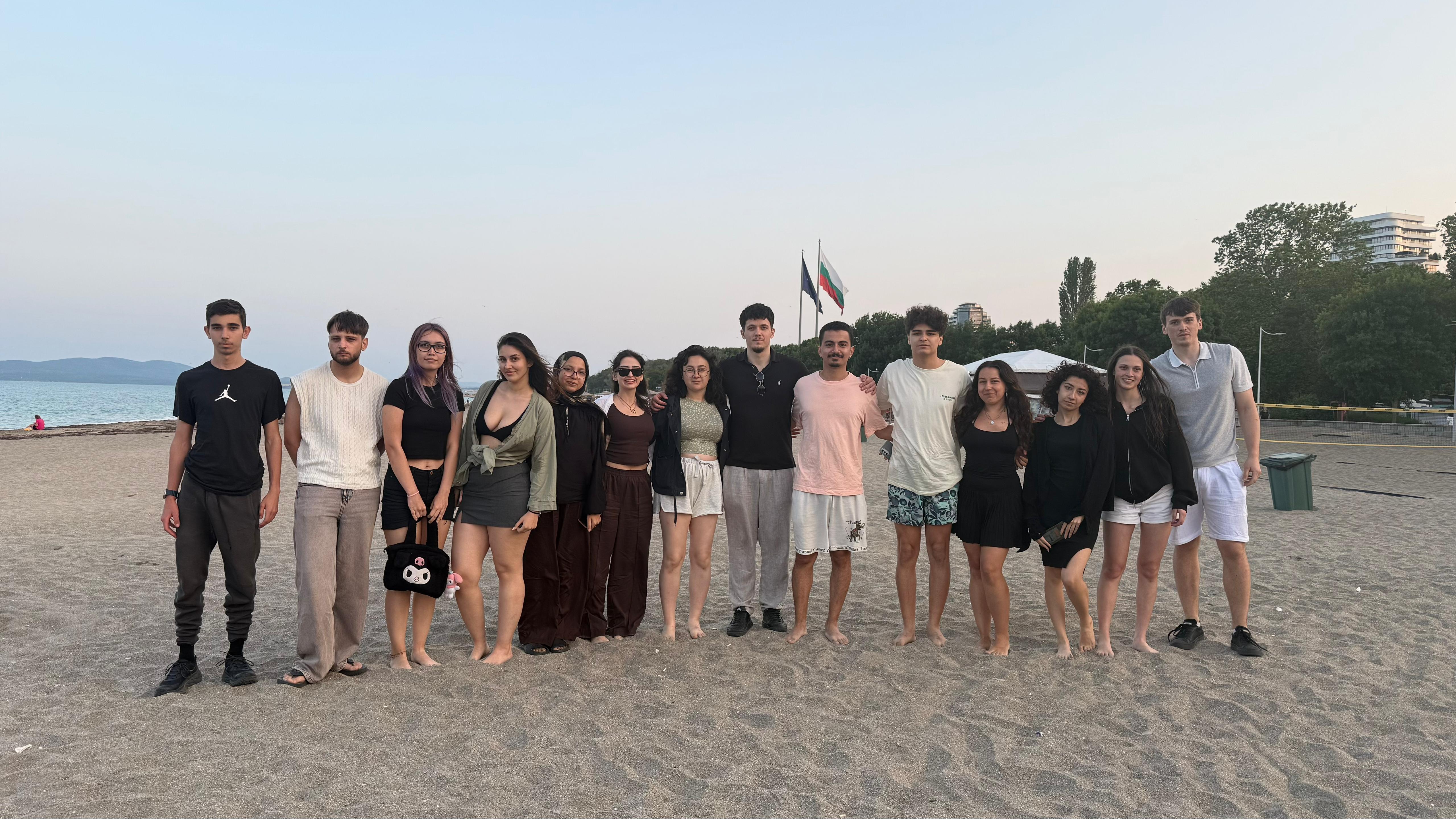
The sixth day began with energizer and facilitator activities prepared by the Italian team. We then started one of the most memorable activities of the project for me: TEDx Talks.
Each participant prepared a talk about a chosen or assigned subject. We were not limited to the project's main theme. People could also talk about their lives, experiences and subjects that mattered personally to them.
We heard talks about women's rights, friendship, earthquakes, sustainable fashion, Erasmus+ and many other topics.
The activity showed me that people cannot be understood only through their countries or cultures. Everyone had an individual story, experience and perspective.
Some of the talks were emotional and powerful. Sharing parts of our personal lives gave the project a much more personal dimension.
Later, we visited the Natural Science Museum with a guide. The visit was useful for understanding nature, living species and natural formations.
We also conducted short interviews with local people, asking about the project, sustainability and environmental awareness. Afterwards, we shared the interviews with our teammates.
This allowed us to consider sustainability not only from our own perspective, but also through the eyes of local people.
Day Seven: Reflection, Sharing and One Last Time Together
Our final day began with energizer and facilitator activities prepared by the Serbian team, followed by a brainstorming session.
We reflected on everything we had done, which activities had been most useful and what we had learned. For me, this was an opportunity to think about the project as a whole.
When I thought back to the first day, I remembered worrying that my voice would prevent me from participating fully. By the end of the project, I had taken an active role in many activities, worked in different groups, given presentations, developed project ideas and communicated with many people.
That change was important to me.
Through the Secret Friend activity, we discovered who had been supporting whom during the project. We then completed the general evaluation and discussed the project's impact on our lives and how we might use what we had learned afterwards.
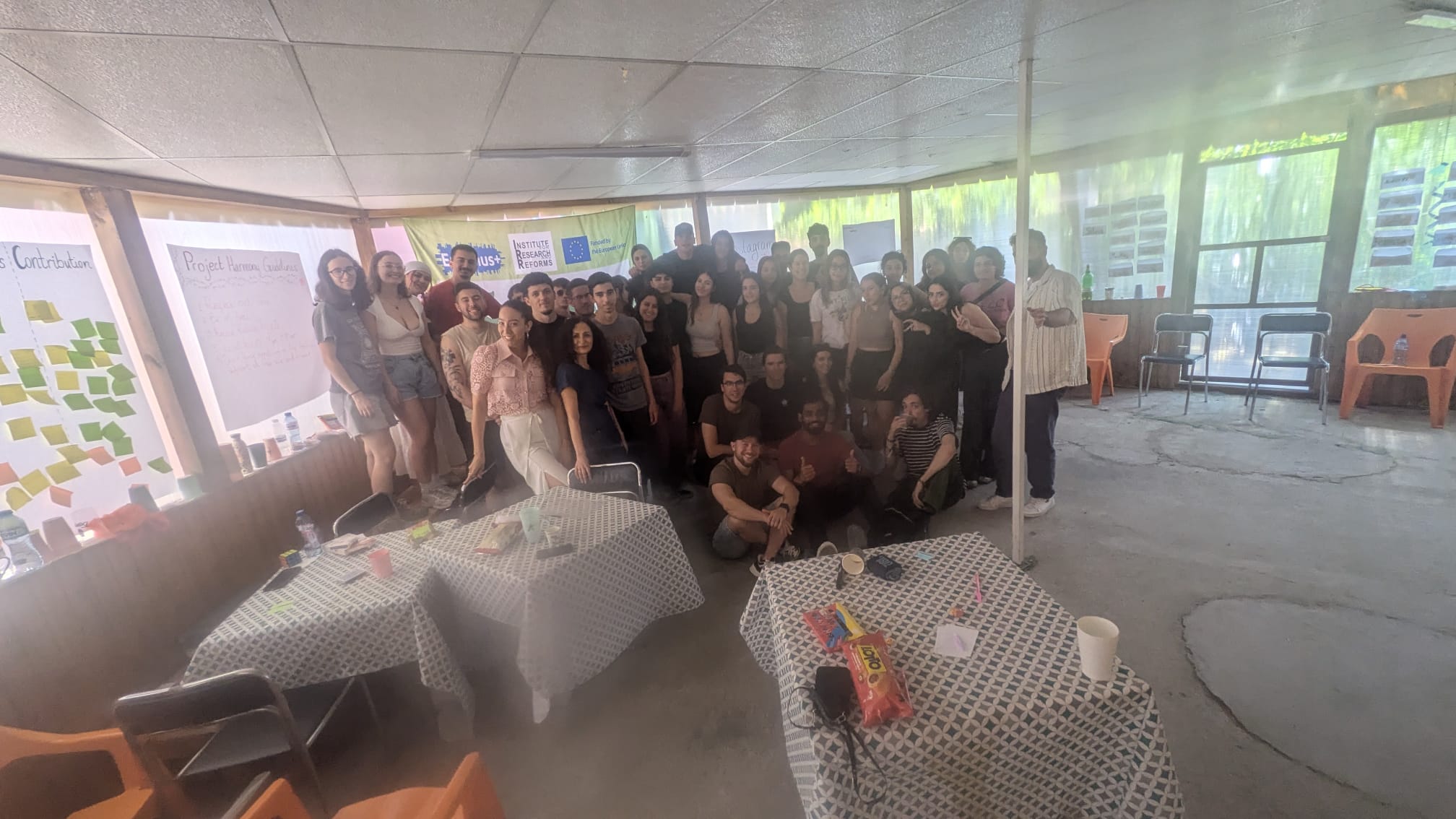
We received information about the certificate process and collected our certificates. In the evening, we had our farewell night, played games and spent one final evening together. We completed the project with a beautiful view of Plovdiv.
What Did This Project Give Me?
Beyond learning about sustainability, this project became an experience in which I developed different sides of myself.
Continuing to participate despite my voice problem during the first two days was important to me. At first I thought I would struggle to express myself, but through one-to-one communication and active participation I quickly connected with many people.
As my voice improved, so did my level of participation. I became actively involved in entrepreneurship activities, sustainability challenges, theatre, recycling workshops, video production and presentations.
I particularly feel that my presentation skills improved. Although I was nervous during my first presentation, I gradually became more comfortable and began volunteering for more visible roles.
Teamwork was another major gain. The mixed-group system repeatedly gave us opportunities to work with people from different countries.
This meant that we could see not only what our own group created, but also how other groups approached the same topics. It showed us how differently people can interpret the same challenge.
Seeing Sustainability from a Broader Perspective
My most important realization about sustainability was discovering how many areas of our lives are connected to it.
From recycling workshops and park cleanups to natural cosmetics and discussions about sustainable fashion, we approached sustainability from many different directions.
Teamwork and Individual Awareness
One of the aspects I appreciated most was the balance between teamwork and individual activities.
On one side, we developed projects, filmed videos, performed theatre and cleaned a park with people from different countries. On the other, activities such as the recycling workshop and TEDx Talks gave us space to explore our individual creativity and personal stories.
This balance allowed me both to experience being part of a team and to recognize my own strengths.
I learned that completing an assigned task is important, but so is contributing my own ideas. I gradually became more comfortable expressing those ideas during creative activities and presentations.
I also think the presentation and sharing sessions at the end of the activities strengthened our confidence. Creating something is important, but being able to explain it in front of others matters too. With every presentation, I felt a little more comfortable.
What Remains from the Project
This Erasmus+ project was more than a short training course or youth exchange. It was a process in which I met people from different countries, formed new friendships, listened to different ideas and discovered what it feels like to create something together.
I also appreciated the balance between indoor and outdoor activities. Instead of remaining indoors for long periods, we regularly went outside, got some fresh air and used different parts of the city as learning environments.
Visiting Plovdiv's parks, museums, Natural Science Museum and a local company working with sustainability also helped us connect the environmental theme of the project with the city itself.
Looking back today, I do not think the only things I brought home were facts about sustainability. I also became more willing to take responsibility, share my ideas and create together with people who are different from me.
Trying to communicate even when I had almost lost my voice, becoming more active in presentations, generating ideas during entrepreneurship activities, finding creative solutions in recycling workshops and participating in fieldwork all became important parts of that change.
For me, this project will remain an experience that showed me the value of creating together, taking responsibility, bringing different ideas together and finding my own voice while learning about sustainability.
Earth YE Erasmus+ Project Participant Yücel Cultural Foundation Youth Page Erasmus+ Experience Stories