10 Days in Bansko: Going to a Project and Returning with Many Stories
Eco SafeGuard was not only an Erasmus+ project where we worked on sustainability, circular economy and environmental awareness. During 10 days in Bansko, I shared the same space with young people from different countries, created ideas together, listened to new stories during cultural nights and realized that what stays with you from a project is sometimes people more than the program itself.
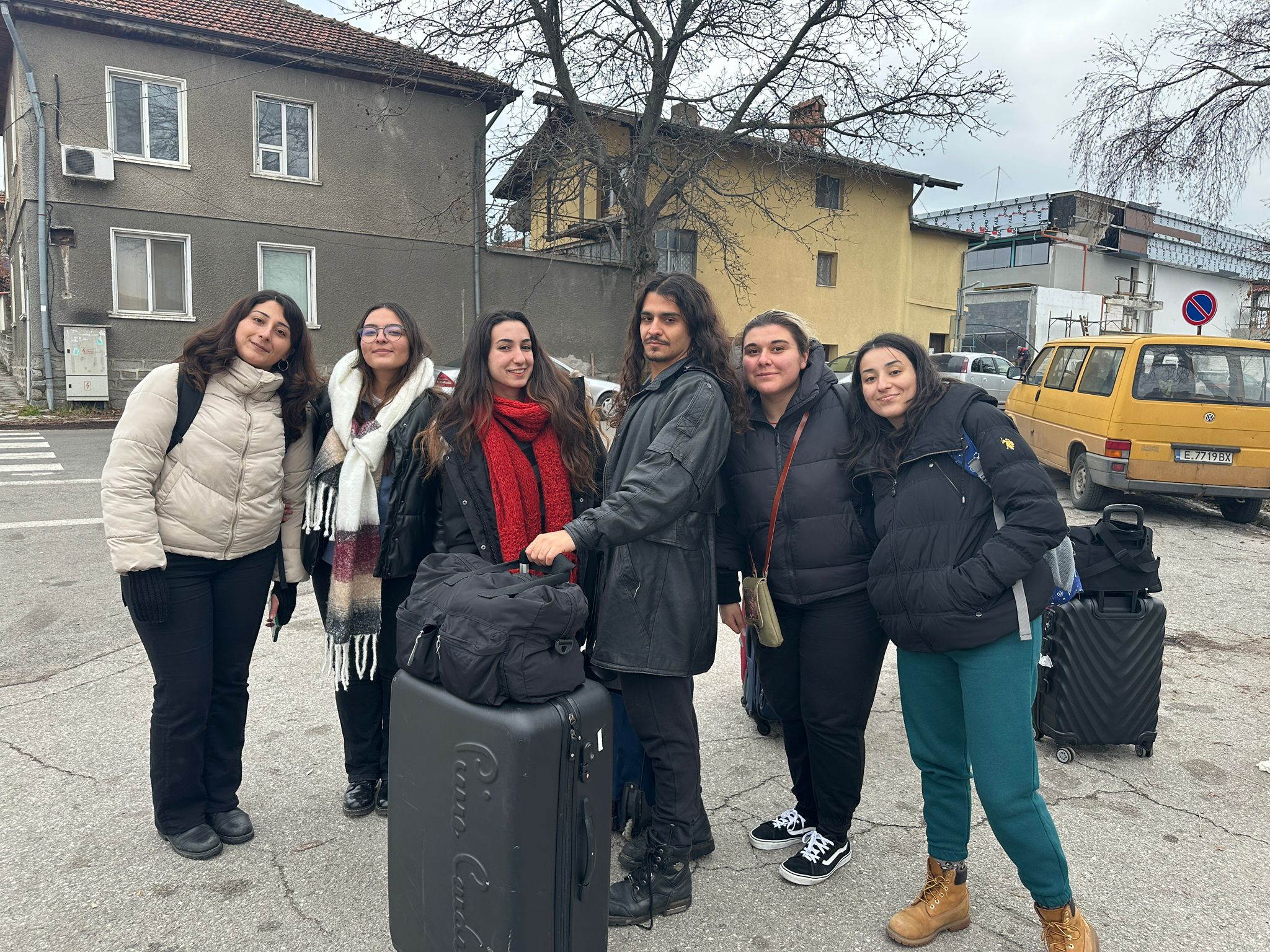
When preparing for an Erasmus+ project, people usually think about the program, accommodation, activities and the city they will visit. Before Eco SafeGuard, it was a little like that for me too. But by the end of the days I spent in Bansko, Bulgaria between 4 and 13 December 2024, I realized that the real value of the project was in places far beyond the items written in the program.
This time, the topic that took me to Bansko was sustainability. Together with young people from different countries, we would work on ecology, circular economy, the 4R principles and environmental awareness. But alongside these topics, I experienced that sharing the same environment with people I had never met, making decisions together, creating ideas and sharing daily life were also learning experiences in themselves.
First days: everyone was a stranger, everything was new
After a long journey, when we arrived in Bansko, the first day was mostly about settling in and resting. The next day, the project slowly began.
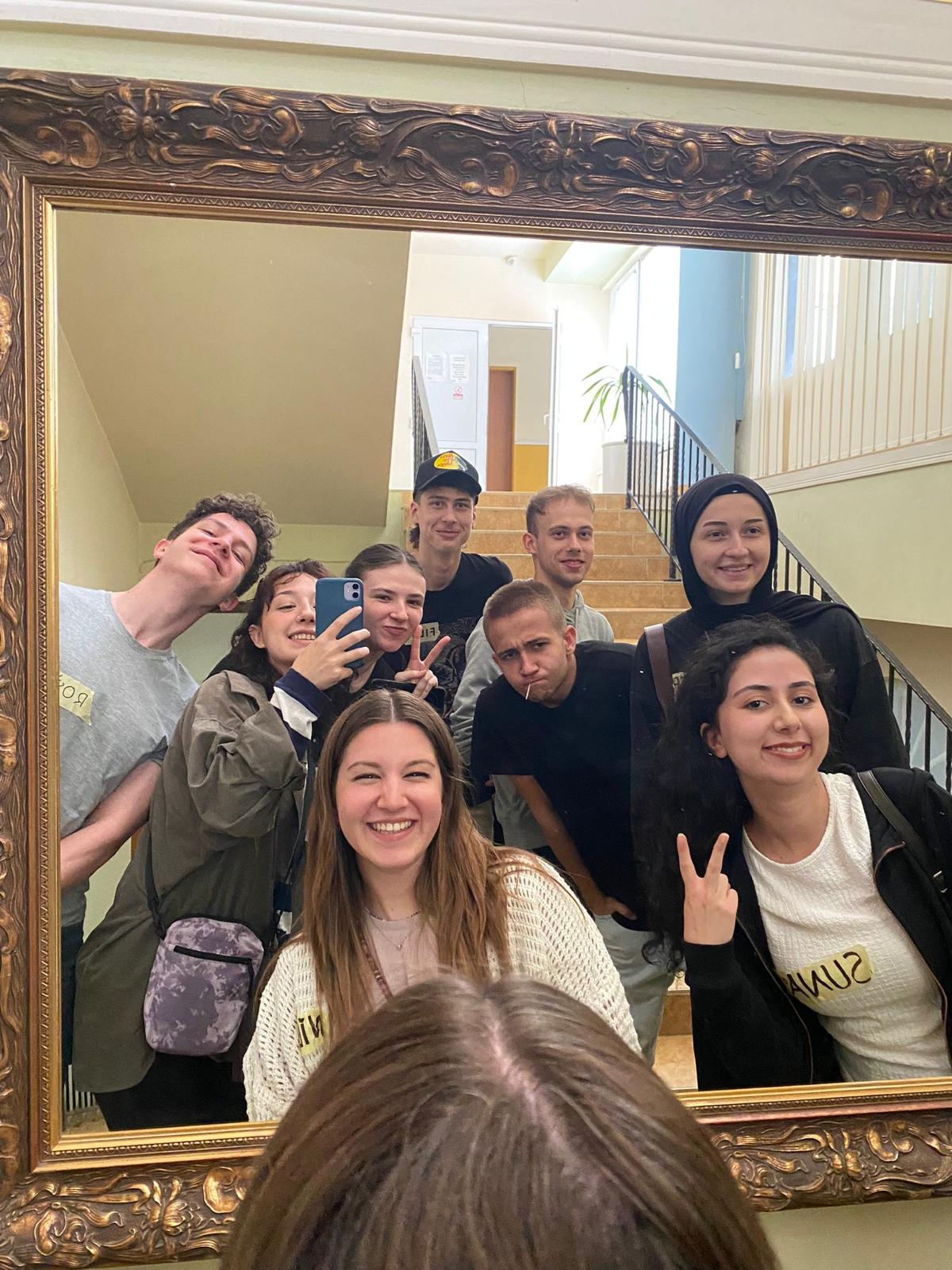
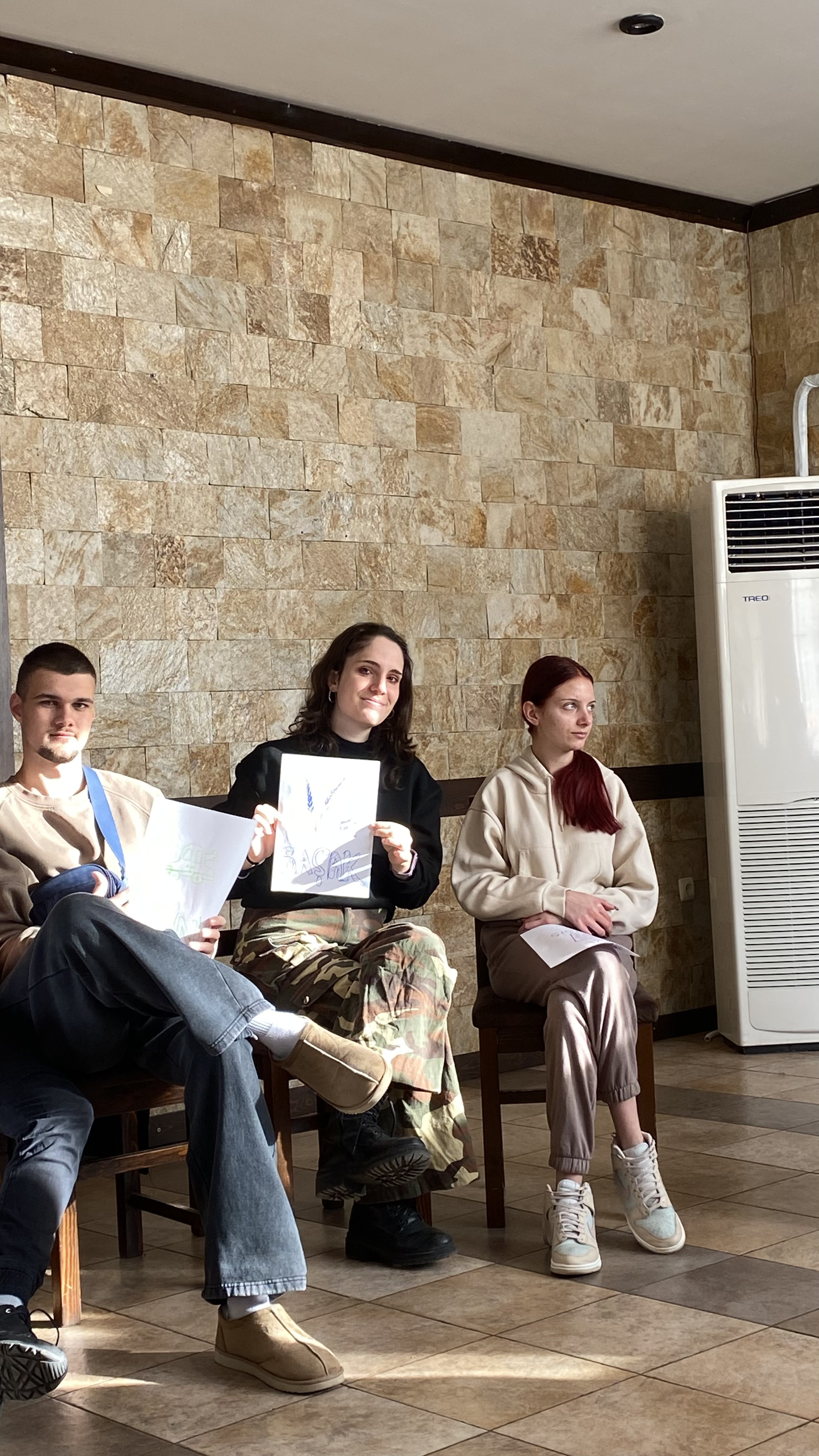
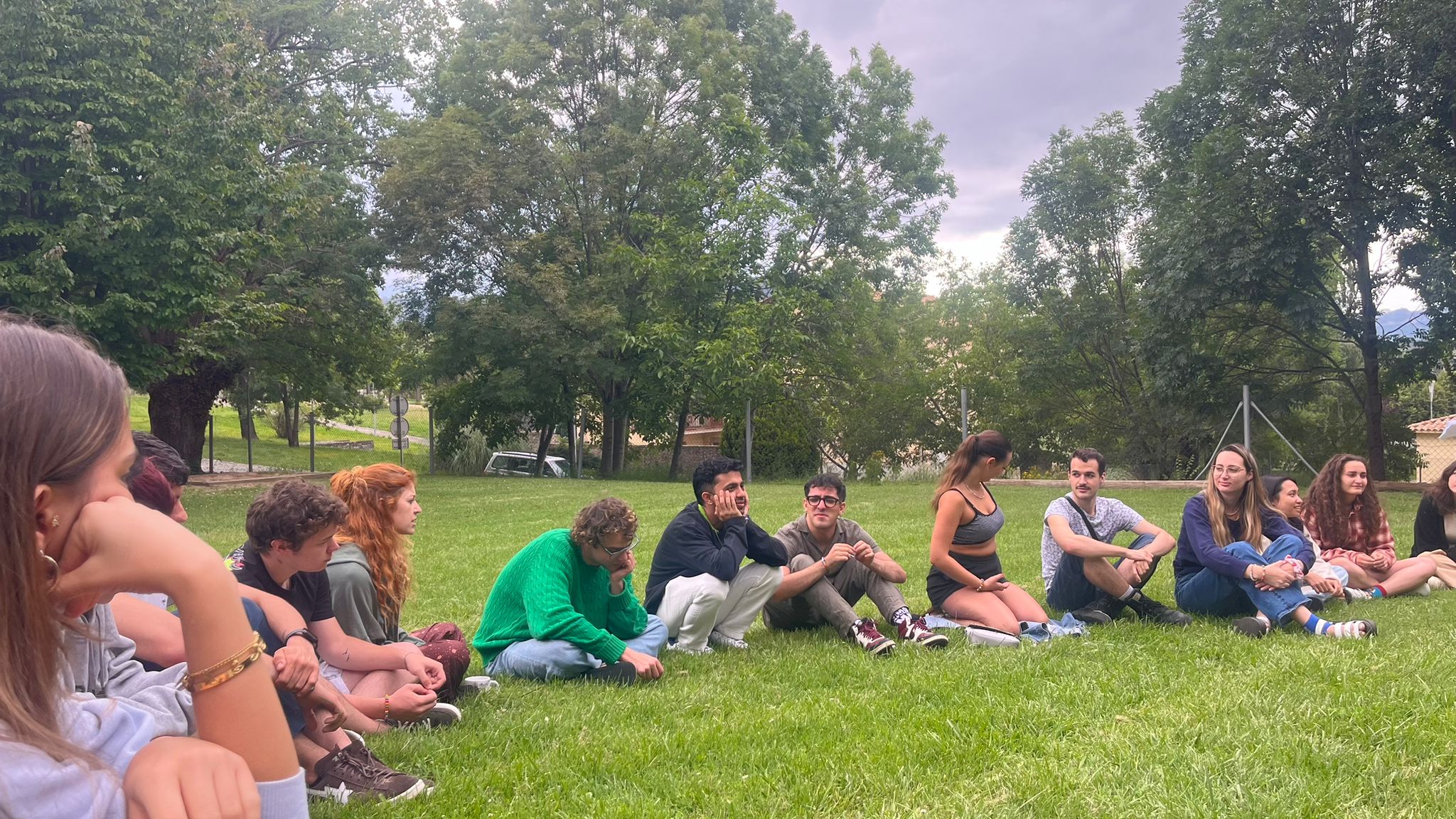
In the first encounters, we all had one thing in common: we did not know one another. That is why most of the first activities were naturally about getting to know one another and communicating. From drawing one another’s portraits to pair conversations and team games, we did many different activities.
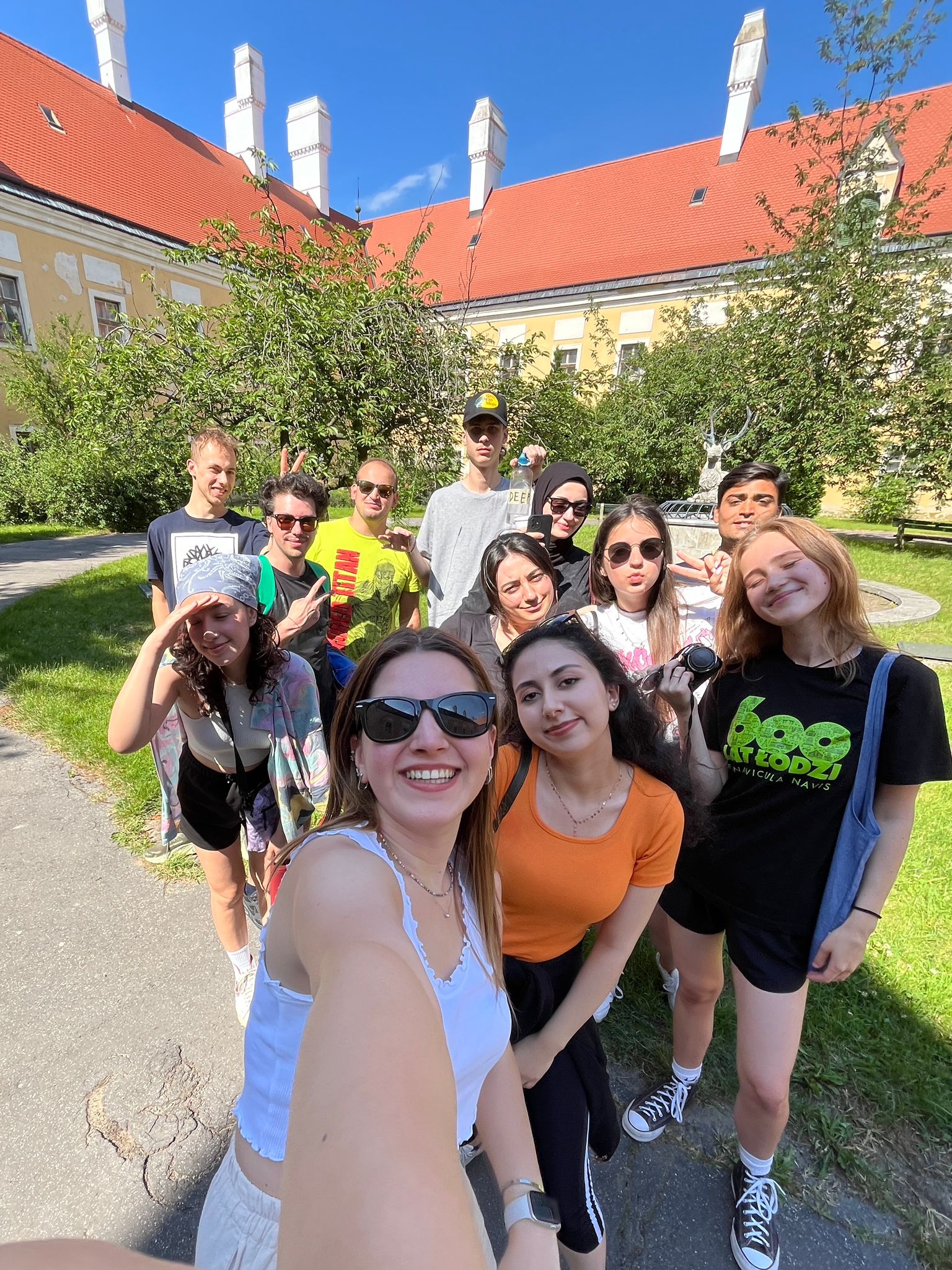
Although we were a little distant at first, after a few activities the atmosphere changed completely. We began to learn names, discover which countries people came from and understand their personalities.
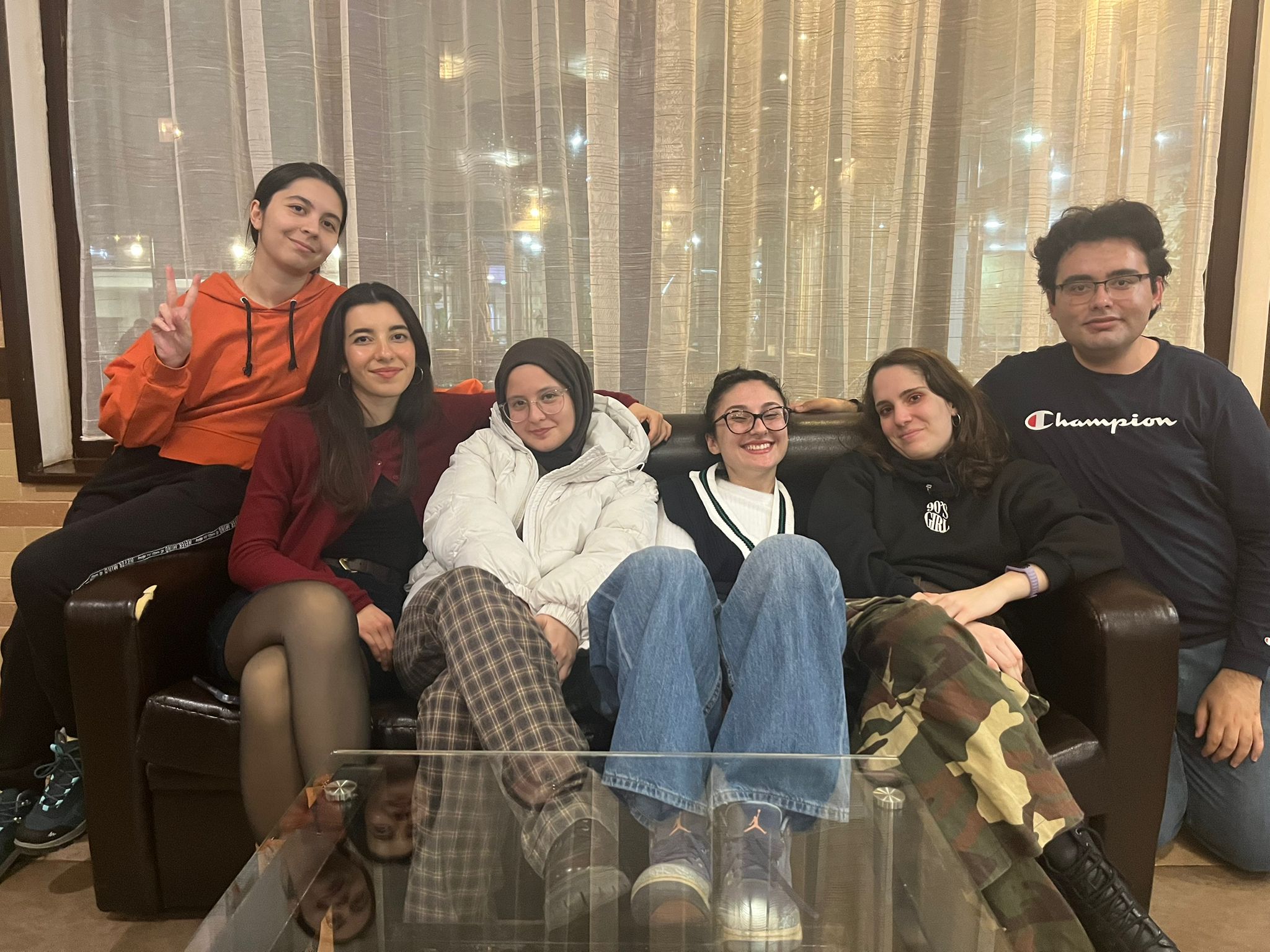
After a while, expressions such as “the friend from Italy” or “the person from Lithuania” disappeared. Everyone had their own name and their own story. I think this is one of the most beautiful sides of intercultural projects. Countries fade into the background after a point, and people come forward.
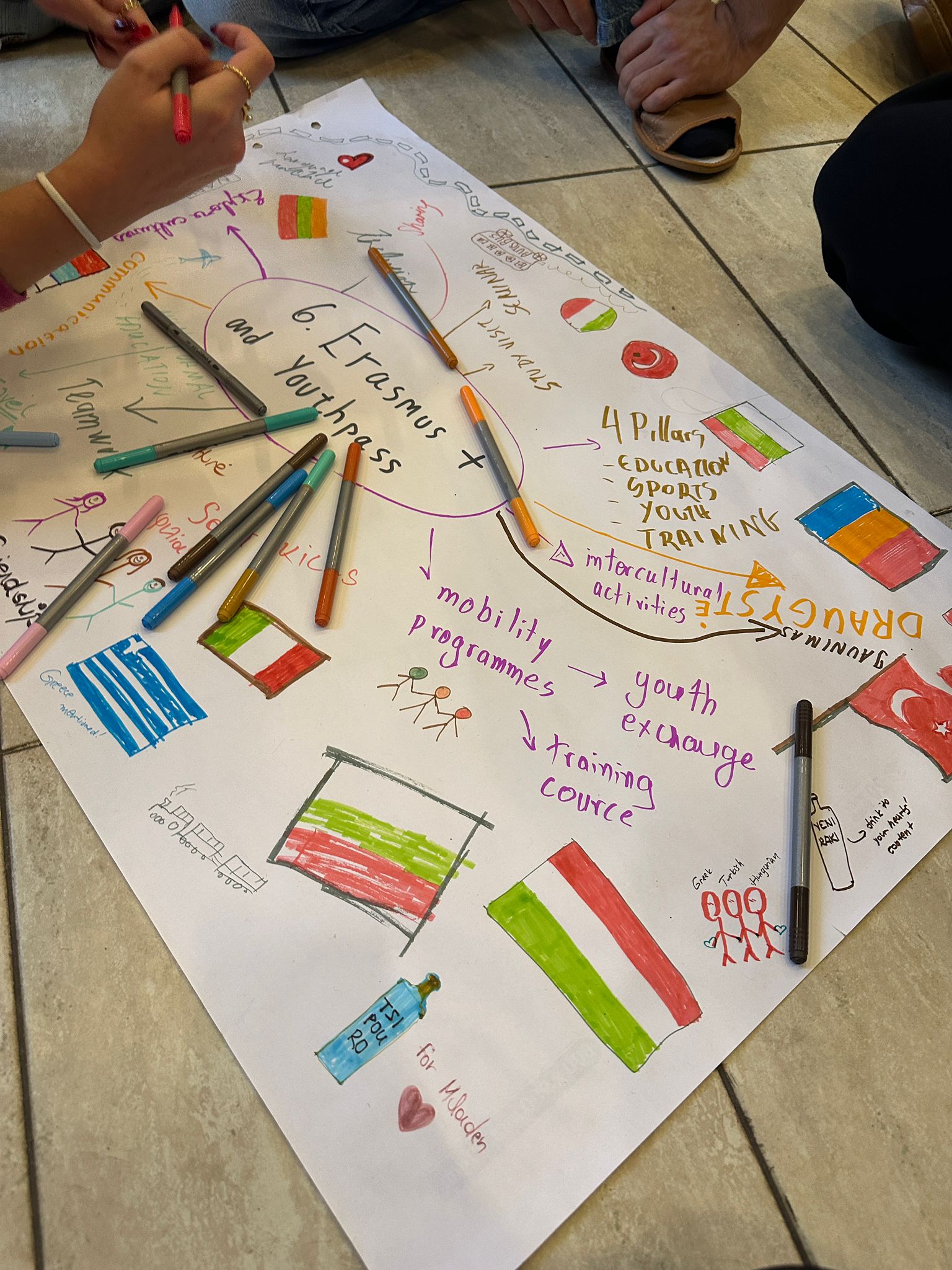
Looking at the same topic through six different windows
Sustainability was at the center of Eco SafeGuard. But the interesting part of the project for me was seeing how this topic was interpreted by people from different countries.
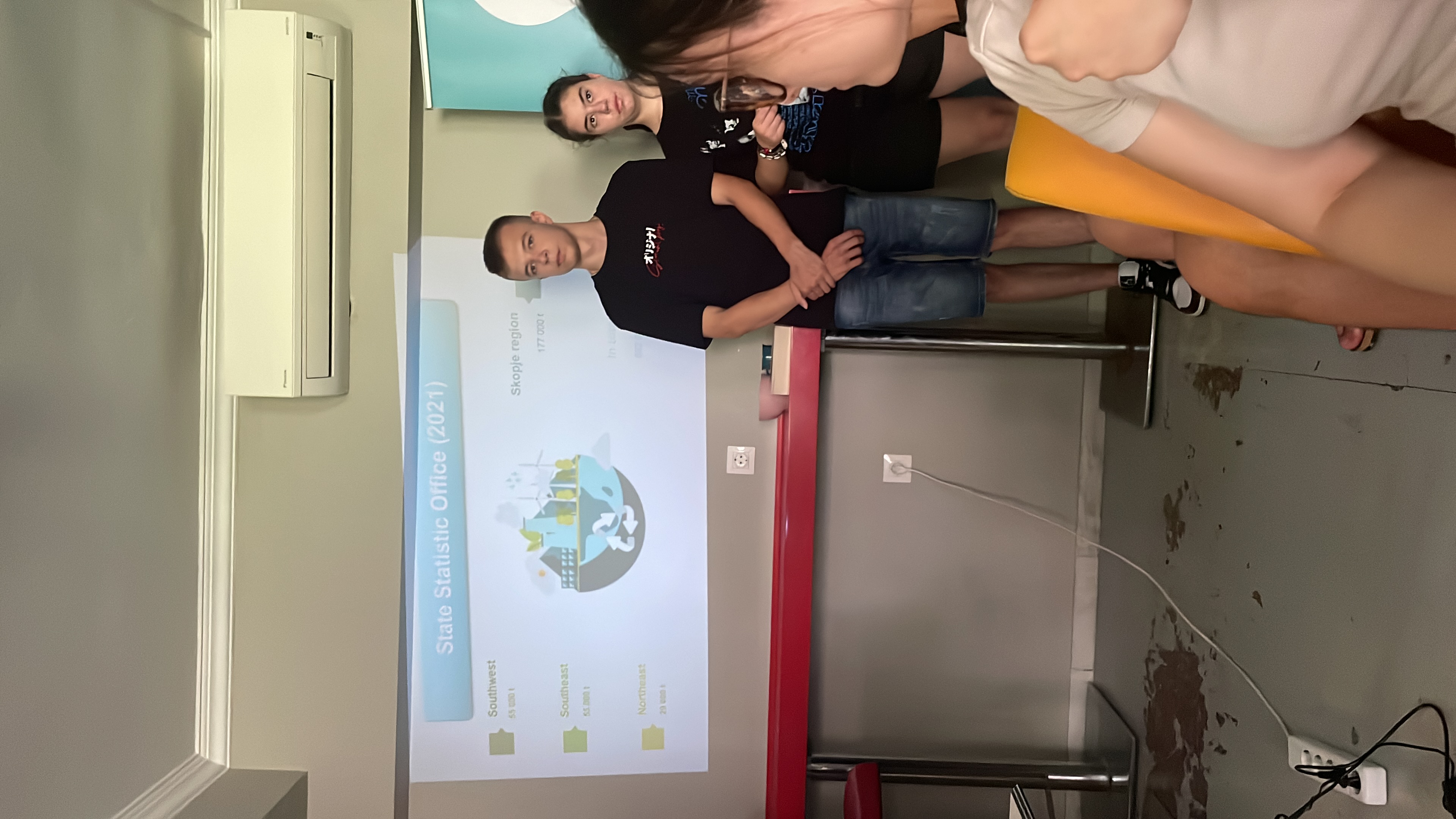
We first started with tests that measured our own knowledge. Then, in different group activities, we researched our countries’ environmental policies, awareness campaigns and sustainability practices.
We did not only share information. We kept asking one another questions: “Why is it like this in our country?”, “How is this practiced in your country?”, “Do people really pay attention to this?”, “What does this mean in daily life?”
In this way, sustainability stopped being only an environmental concept for me. I began to see more clearly that it is also connected to societies’ lifestyles, consumption habits and daily choices.
Circular economy: the concept that stayed with me most
Before the project, I had heard many environmental concepts, but I had not thought about some of them in connection with daily life. Circular economy became one of the most lasting gains of the project for me.
We approached the topic through different examples, did group work and shared our ideas with one another. Afterwards, we worked on topics such as the 4R principle and zero waste.
At one point, I noticed that I had even started looking at the objects around me differently. I began to think that a product should not be evaluated only with a “use and throw away” mindset; approaches such as reuse, reduce, recycle and using resources more consciously can become part of daily life.
That is why one of the most important things the project left me with was not only new information, but also a desire to question some of my habits.
Cultural nights: from countries on a map to real people
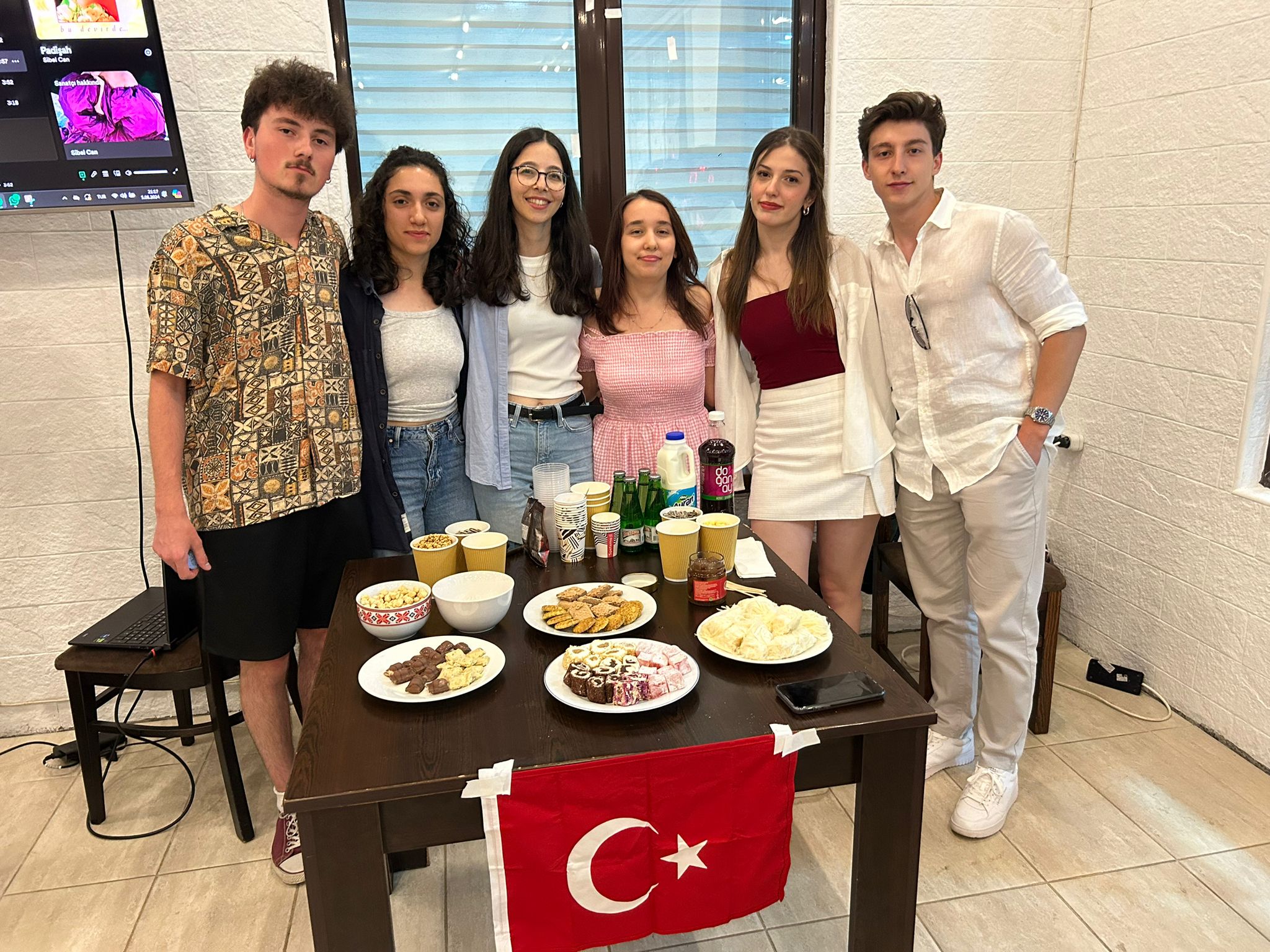
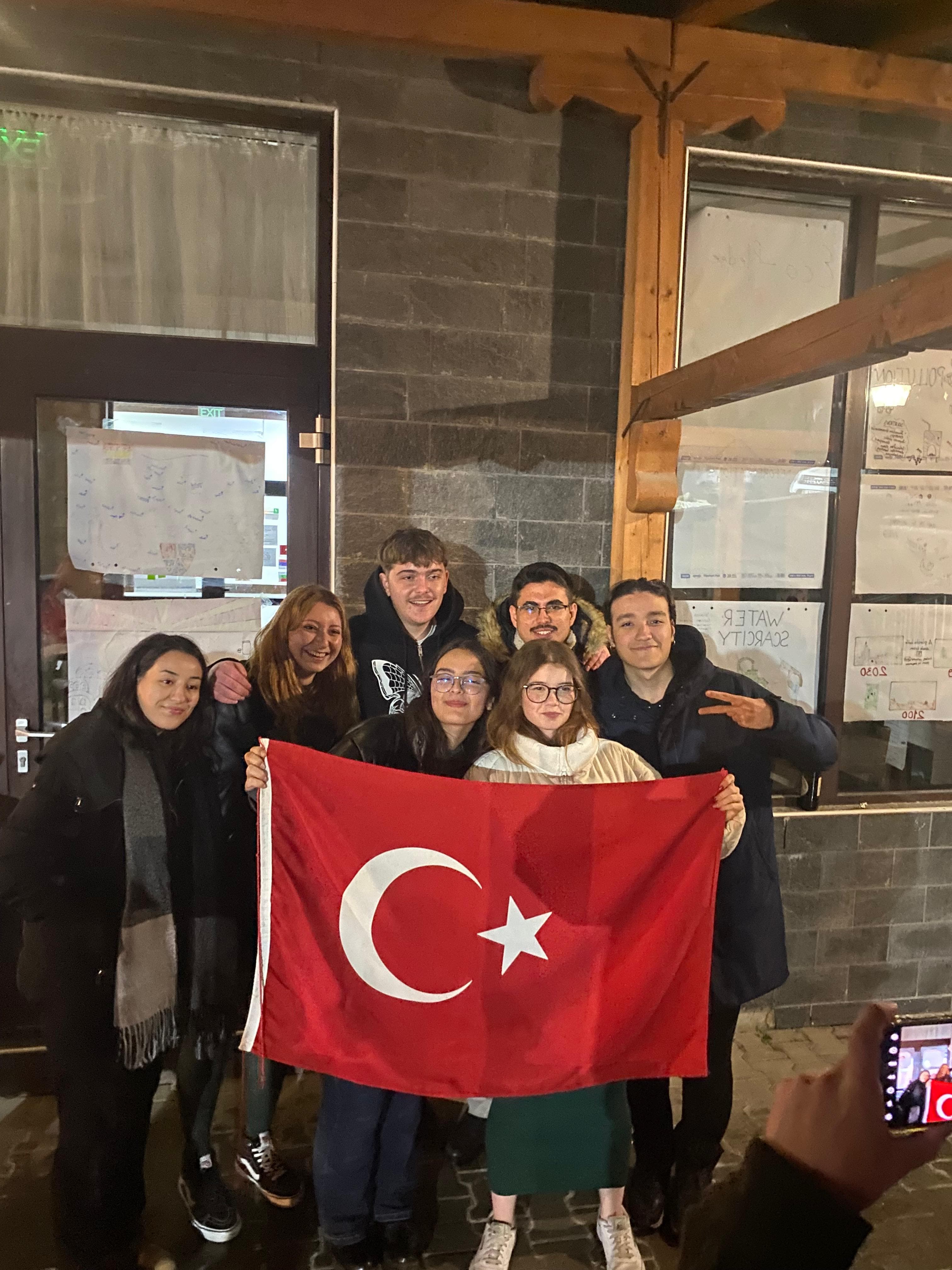
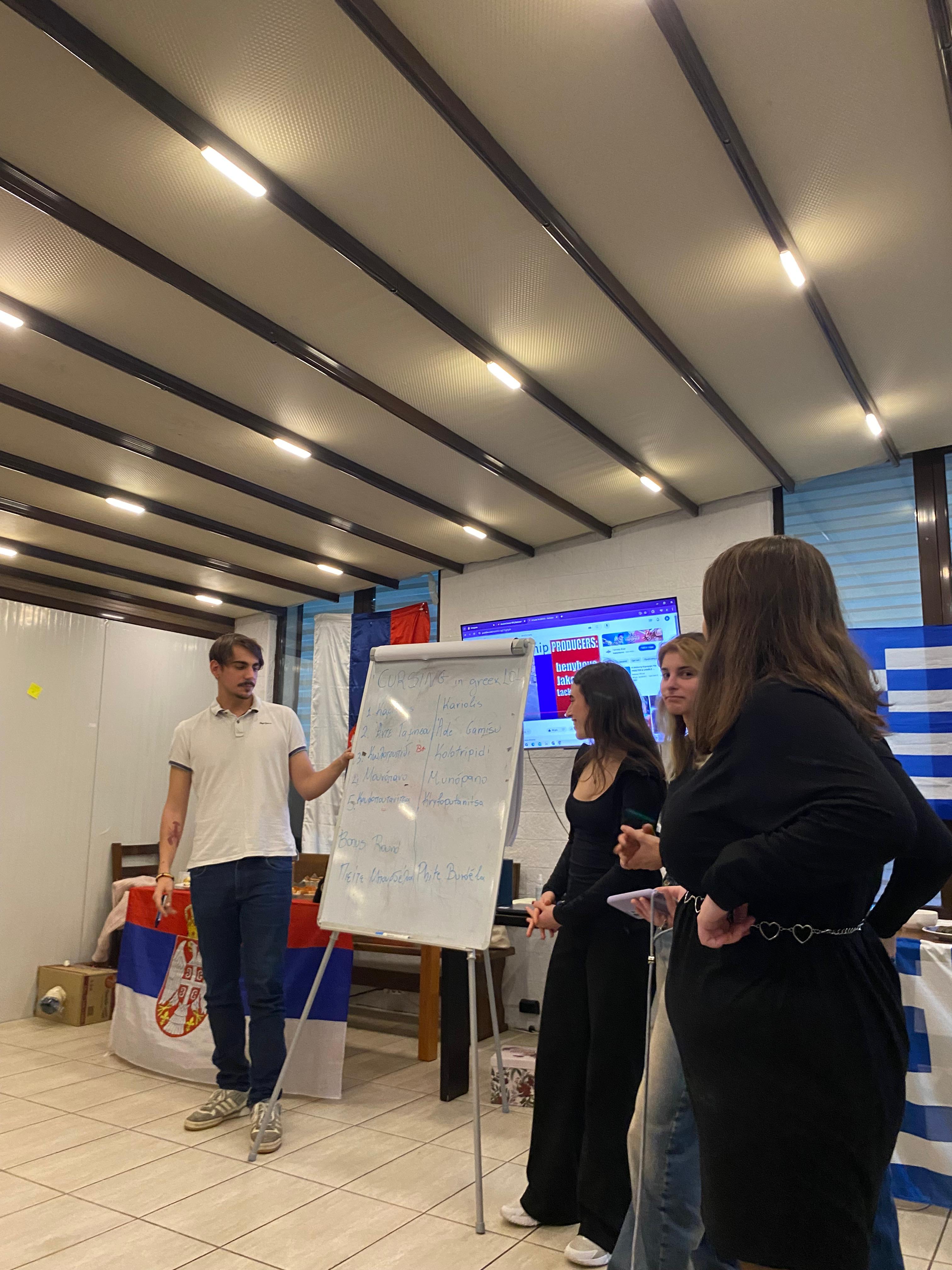
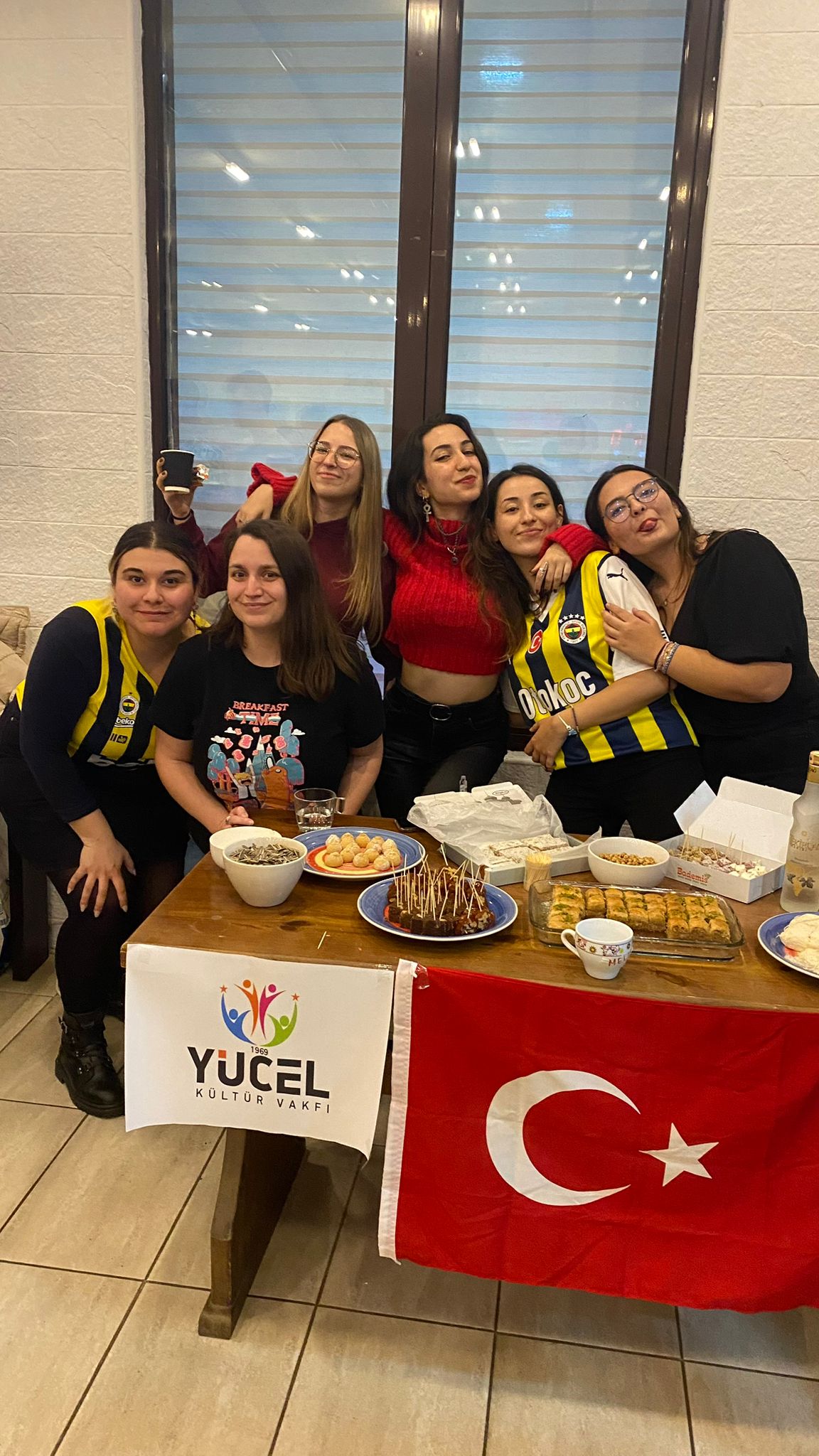
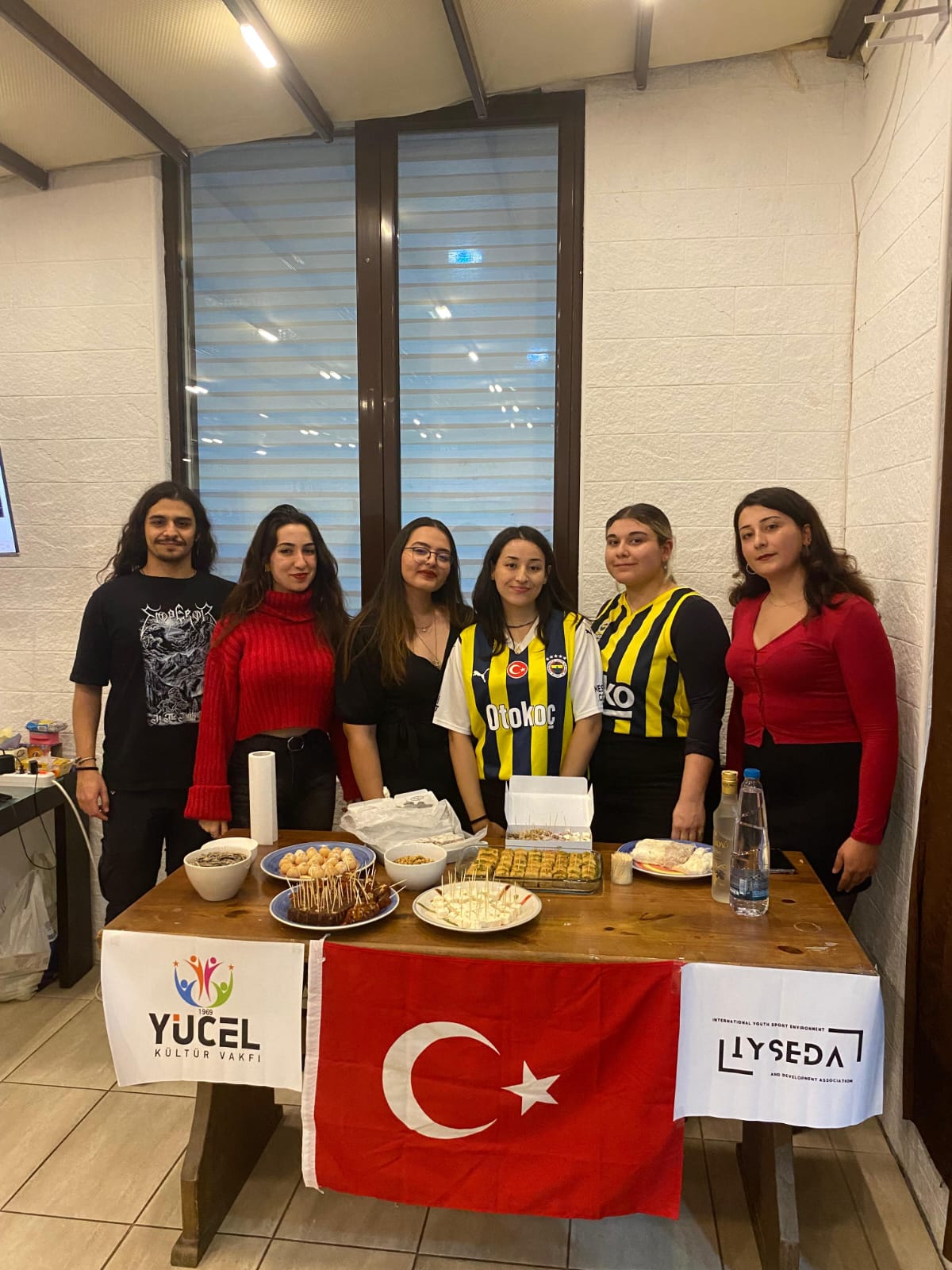
Cultural nights have always been one of the most enjoyable parts of Erasmus+ projects for me. In Eco SafeGuard, participants from different countries introduced their own cultures. During the night when we represented Türkiye, we prepared various foods, shared information about our country, played games and showed our dances.
But the real beauty of cultural nights began after the presentations. We tasted one another’s food, talked about music, learned some words and asked questions about one another’s countries.
Places I had previously known only as country names now had friends living there. This was one of the things that changed my understanding of travel. When I hear the name of a country now, I remember not only its location on the map, but also the people I met there.
Creating together, struggling together
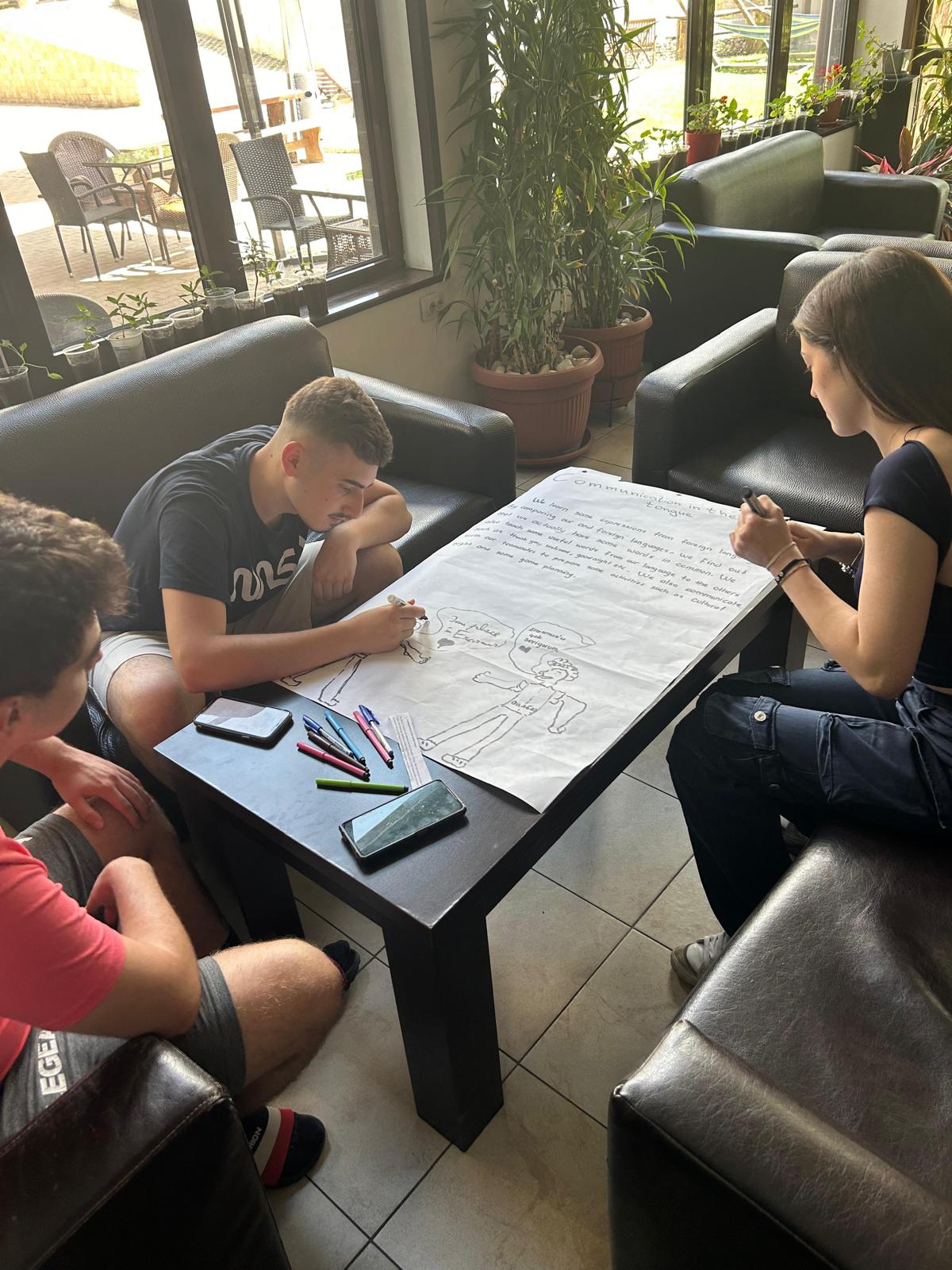
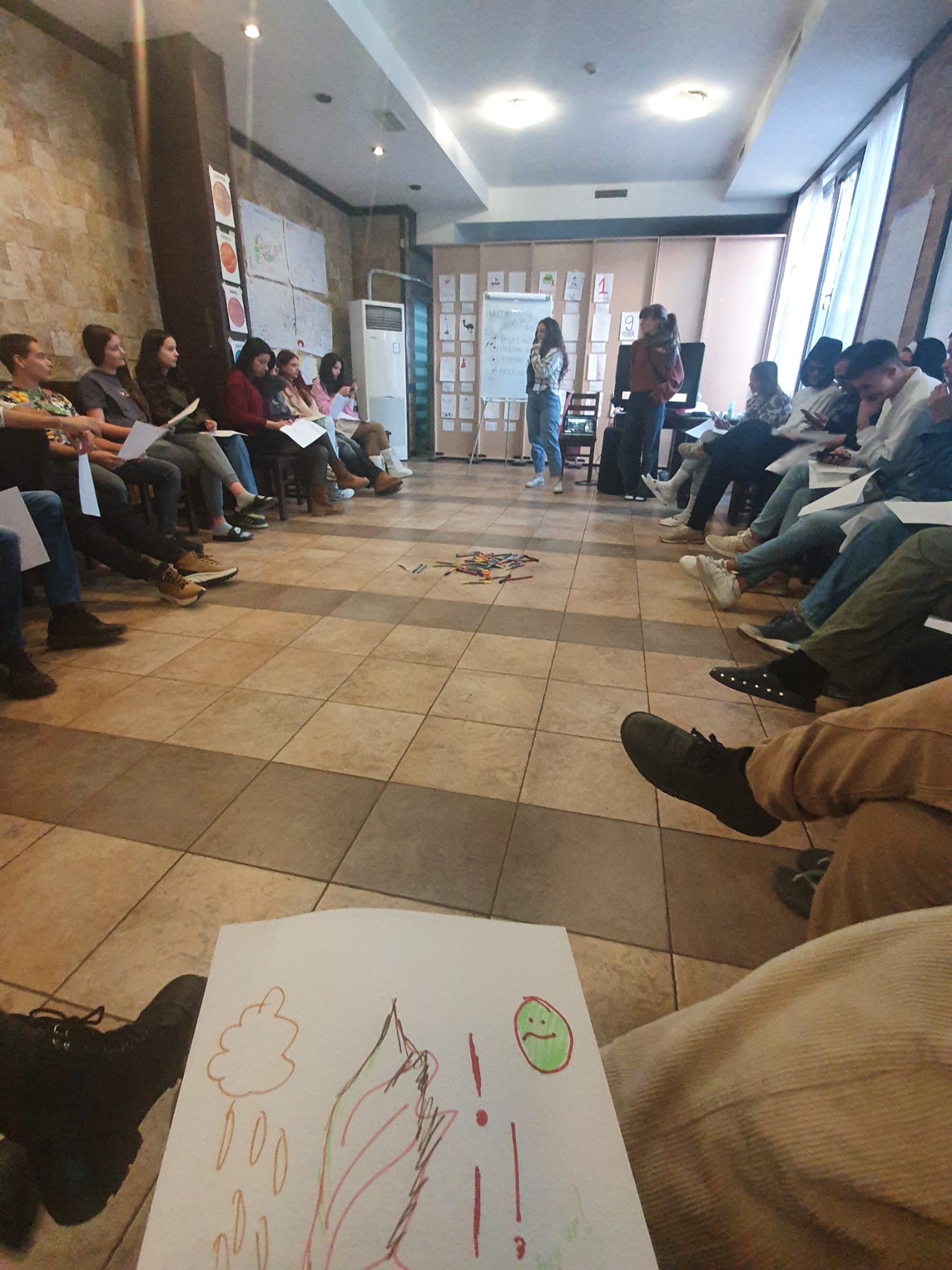
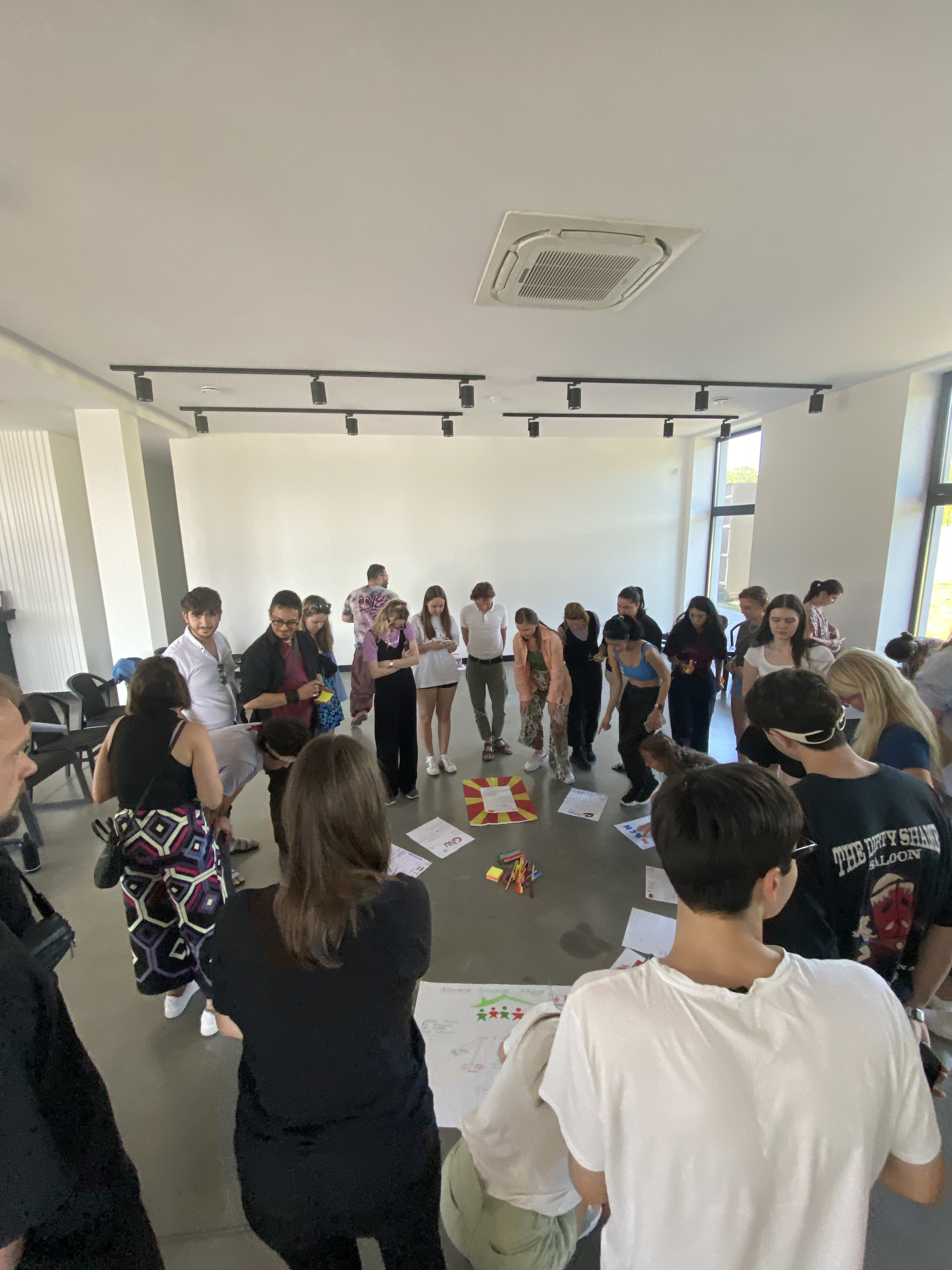
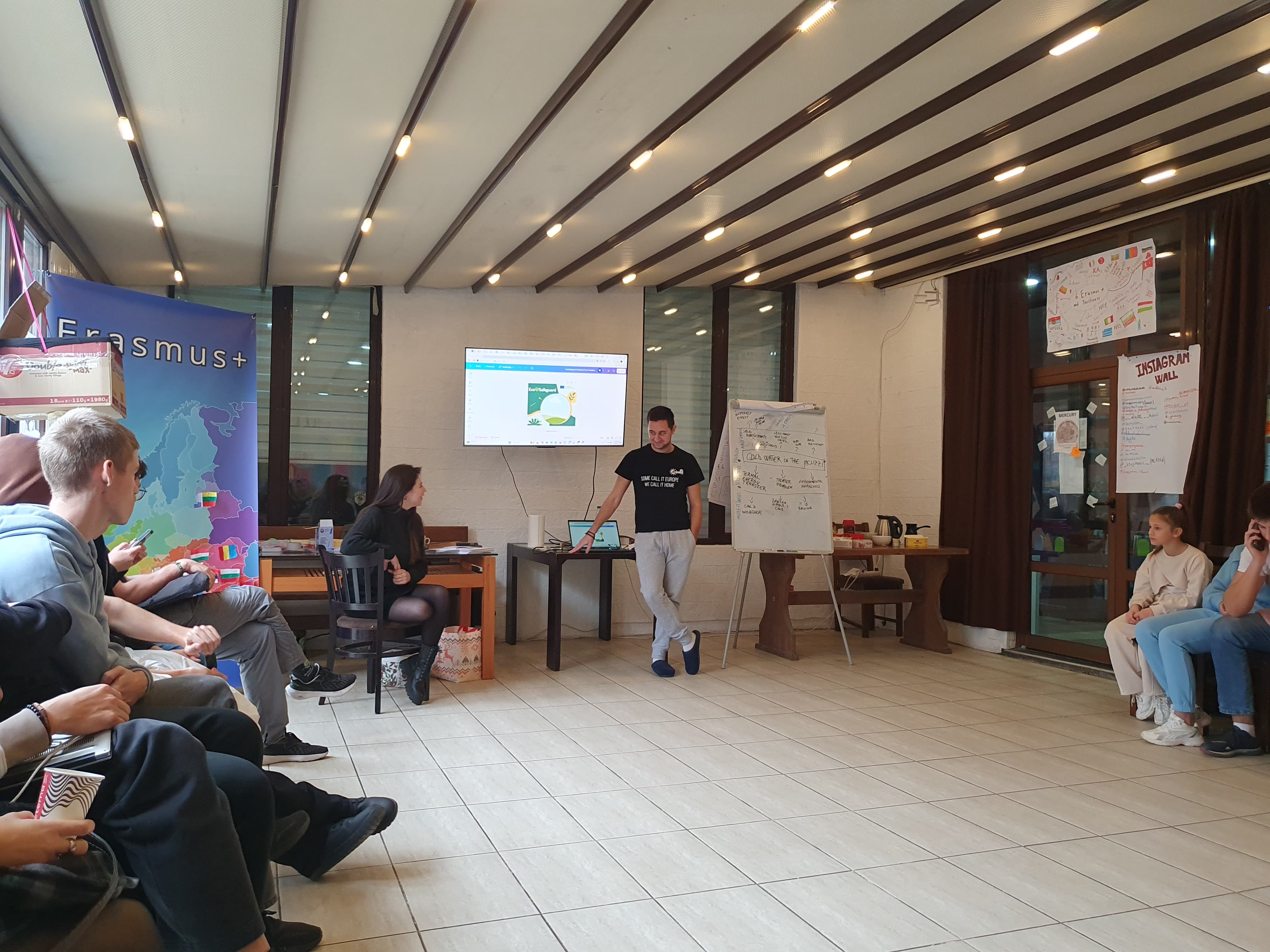
The group work in the project was an experience on its own. Working in the same group with people from different countries was not always easy. Everyone had different working styles, communication habits and ways of expressing ideas.
But this was exactly why it was educational. When we had to complete a task in a short time, we shared responsibilities. When our ideas did not match, we talked. While preparing a presentation, we tried to combine everyone’s contribution.
Sometimes we understood one another very well; sometimes we needed to talk a little more to meet at the same point. But in the end, the work we produced showed that different people could come together around a common point.
The Shark presentation activity was one of the best examples of this. We developed our ideas, prepared our presentations and then tried to explain them to the other participants. It was both fun and a little exciting. I understood there that thinking of an idea and being able to present it to others are not the same thing.
Life in Bansko outside the project
Not everything was about workshops. In our free time, we explored Bansko, walked together, talked and sometimes spent time with friends without making any plans.
Bansko’s mountain-surrounded atmosphere, the cold weather of December and the calmness of the city were very different from my daily life in Istanbul.
Especially after an intense day, going out for a walk with friends and talking about completely different things from the topics we had discussed during the day felt very good.
In fact, some of the most valuable memories of the project were formed exactly in these unplanned moments. Because the Erasmus+ experience is not lived only during learning activities. We continue learning while eating together, walking, laughing or having long conversations at night.
The changing atmosphere as the final days approached
At the beginning of the project, 10 days seemed like a long time. But after a few days, we realized how quickly time was passing.
By the final days, everyone knew one another’s habits, who liked which song, who talked more about which topic and who was more active in which activity. While on the first day we played games to learn one another’s names, on the last day we did not want to leave one another.
On the final day, we reviewed what we had learned through tests. We received our Youthpass and certificates, then closed the project. And of course, there was Oscar Night, which made the last evening a little more special.
We celebrated the funny moments, interesting characters and unforgettable events of the project with entertaining awards. While laughing, we also began to realize that the project was really coming to an end.
What remained from Bansko?
The next day, when we left Bansko and set off for Sofia, another journey had begun. On my way home, I did not carry only my clothes and a few souvenirs with me.
New concepts I had learned, stories told by people from different countries, the work we did together, memories from cultural nights and new friendships were also returning with me.
Eco SafeGuard gave me new knowledge about sustainability, but what the project gave me was not limited to that. I experienced being in the same environment with people who think differently, creating a shared idea, sharing what I know and learning what I do not know from someone else.
Perhaps this is exactly the most beautiful part of Erasmus+ projects. You go to a project to learn about a certain topic. But when you return home, you realize that you have also come to know people, cultures and yourself a little better.
Eco SafeGuard Erasmus+ Project Participant Yücel Cultural Foundation Youth Page Erasmus+ Experience Stories