More Than an Erasmus+ Project: My Common Grounds Experience
As my first Erasmus+ experience, Common Grounds was not only about going to another country. During 9 days in Hungary, I shared the same space with young people from different countries, created together, gained courage to speak English, discovered my creativity and experienced what it means to find common ground among different people.
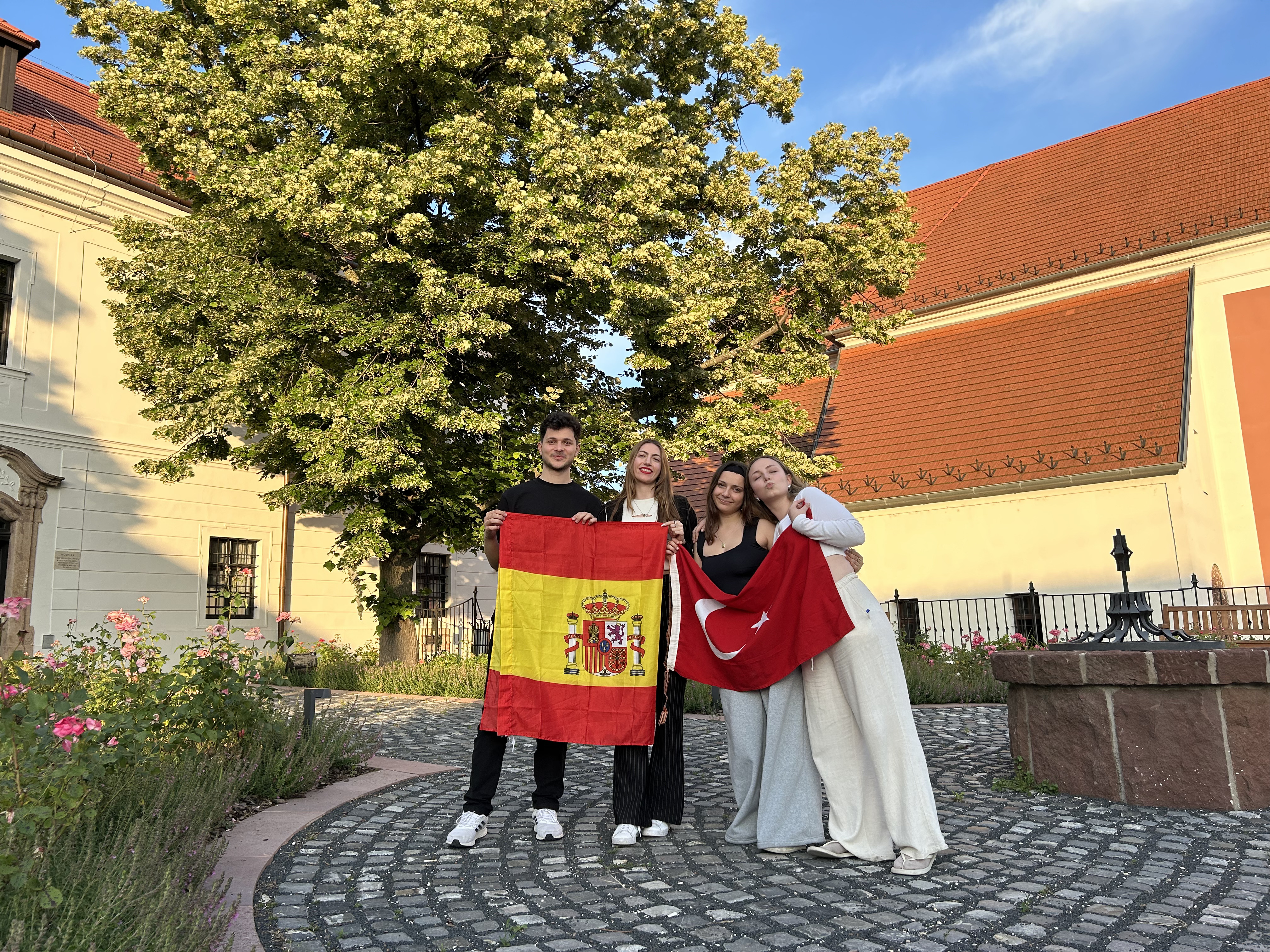
What would go through your mind if you were joining an Erasmus+ project for the first time? Maybe you would wonder how you would communicate with people from different countries, whether your English would be enough or what it would be like to share a room with someone you had never met before.
For me, the Common Grounds project, held in Hungary from 27 May to 5 June 2024, was a little bit of all these things. But by the end of the project, I realized that the real point was much more than going to another country.
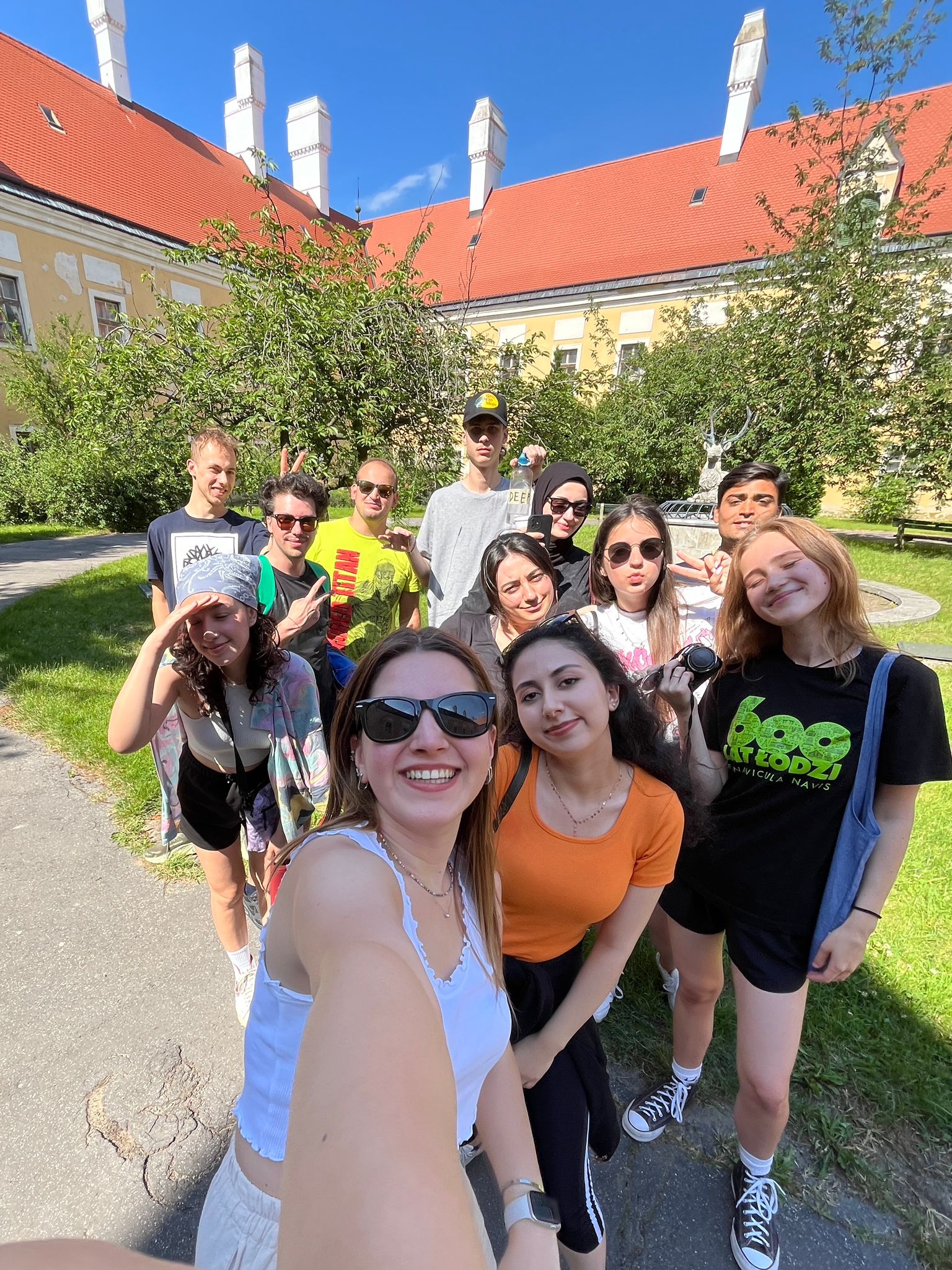
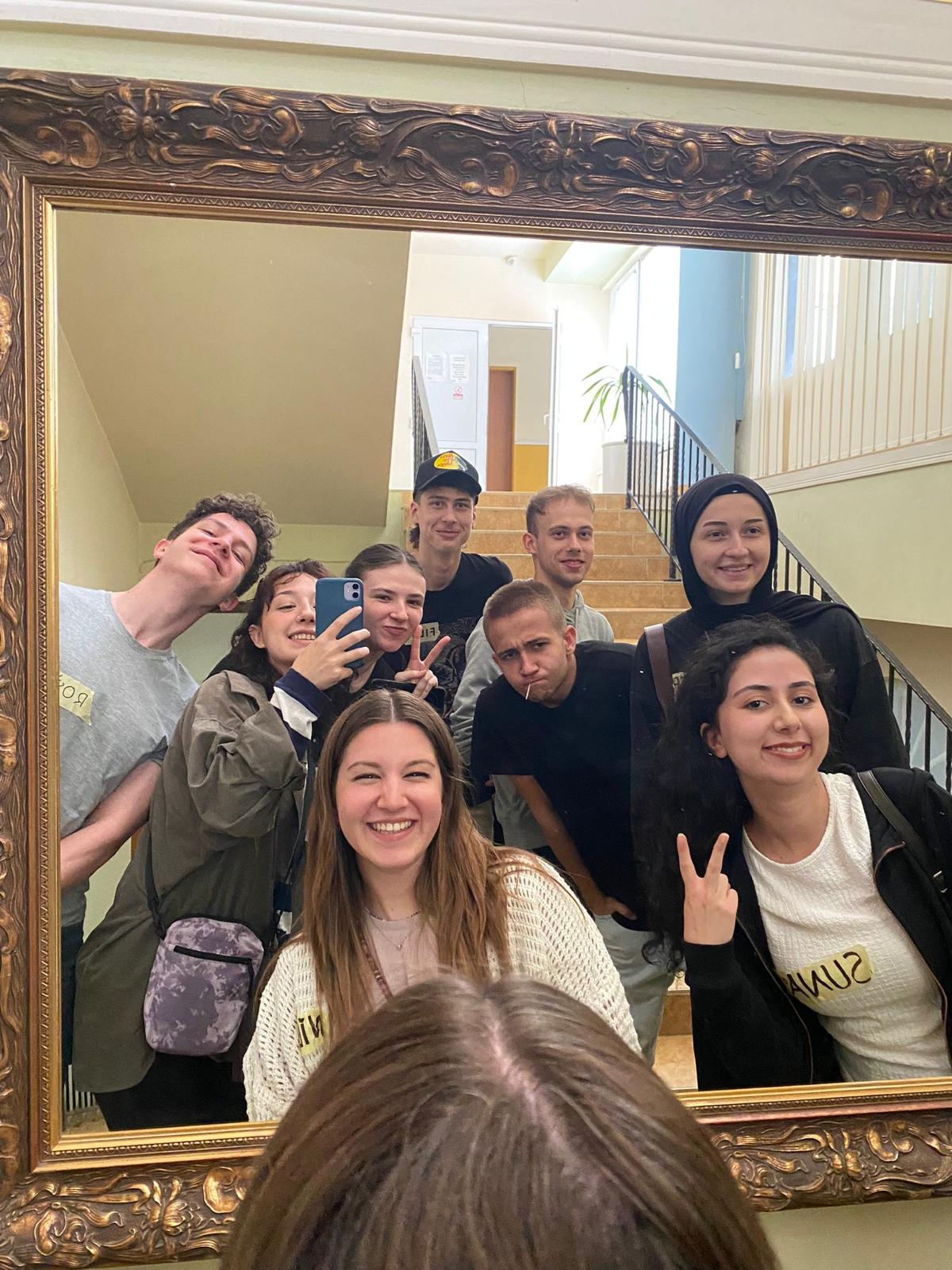
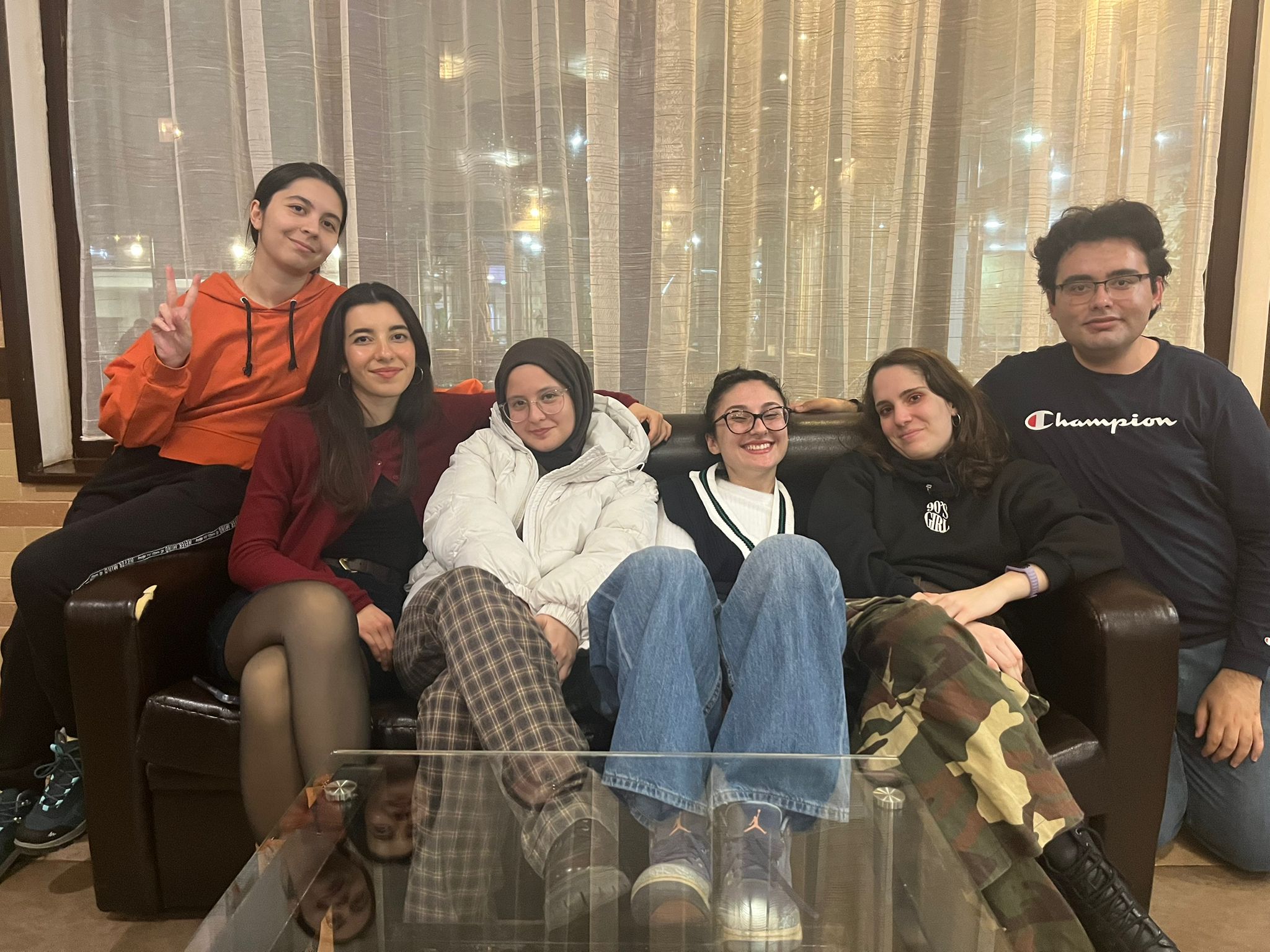
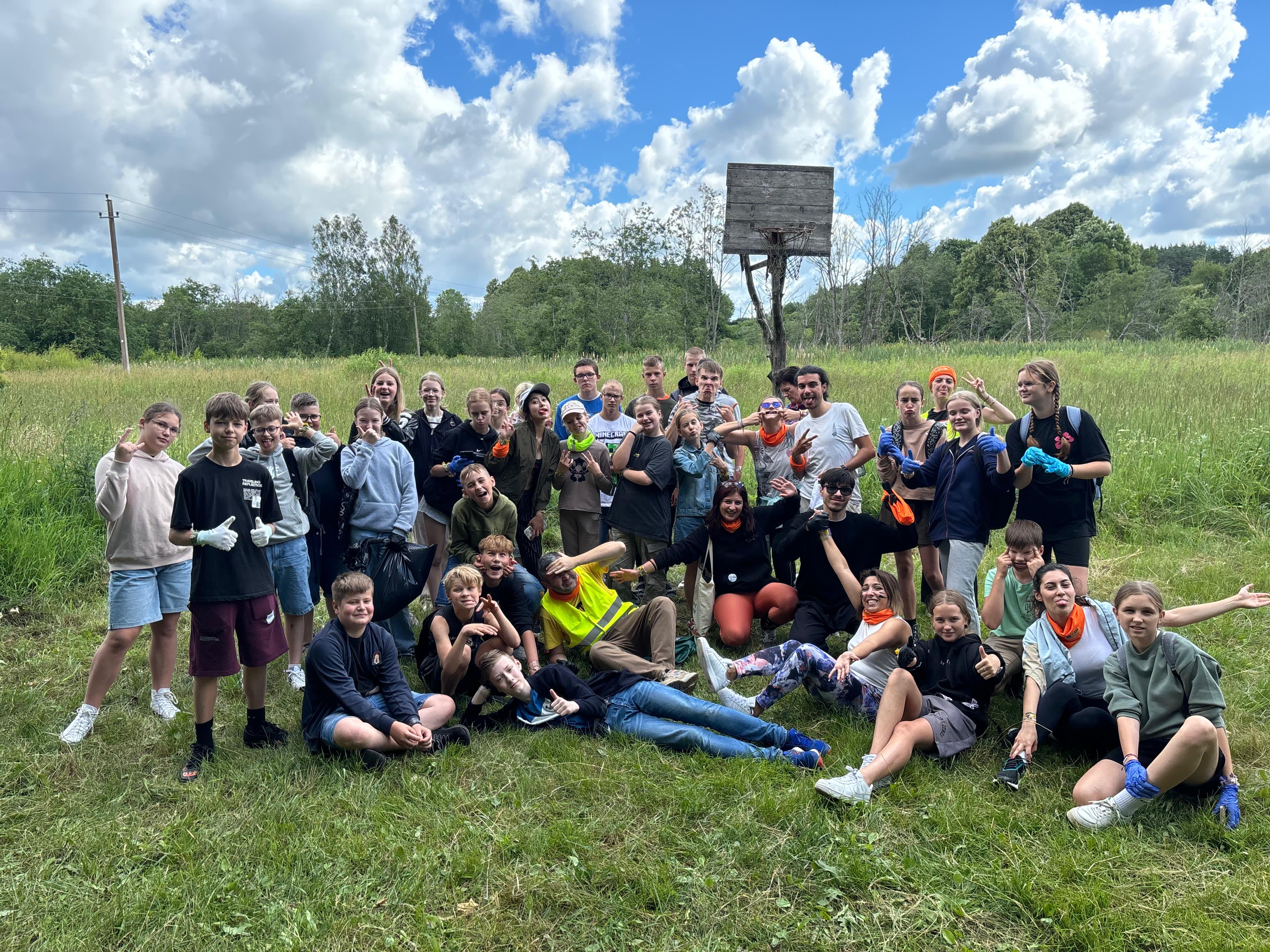
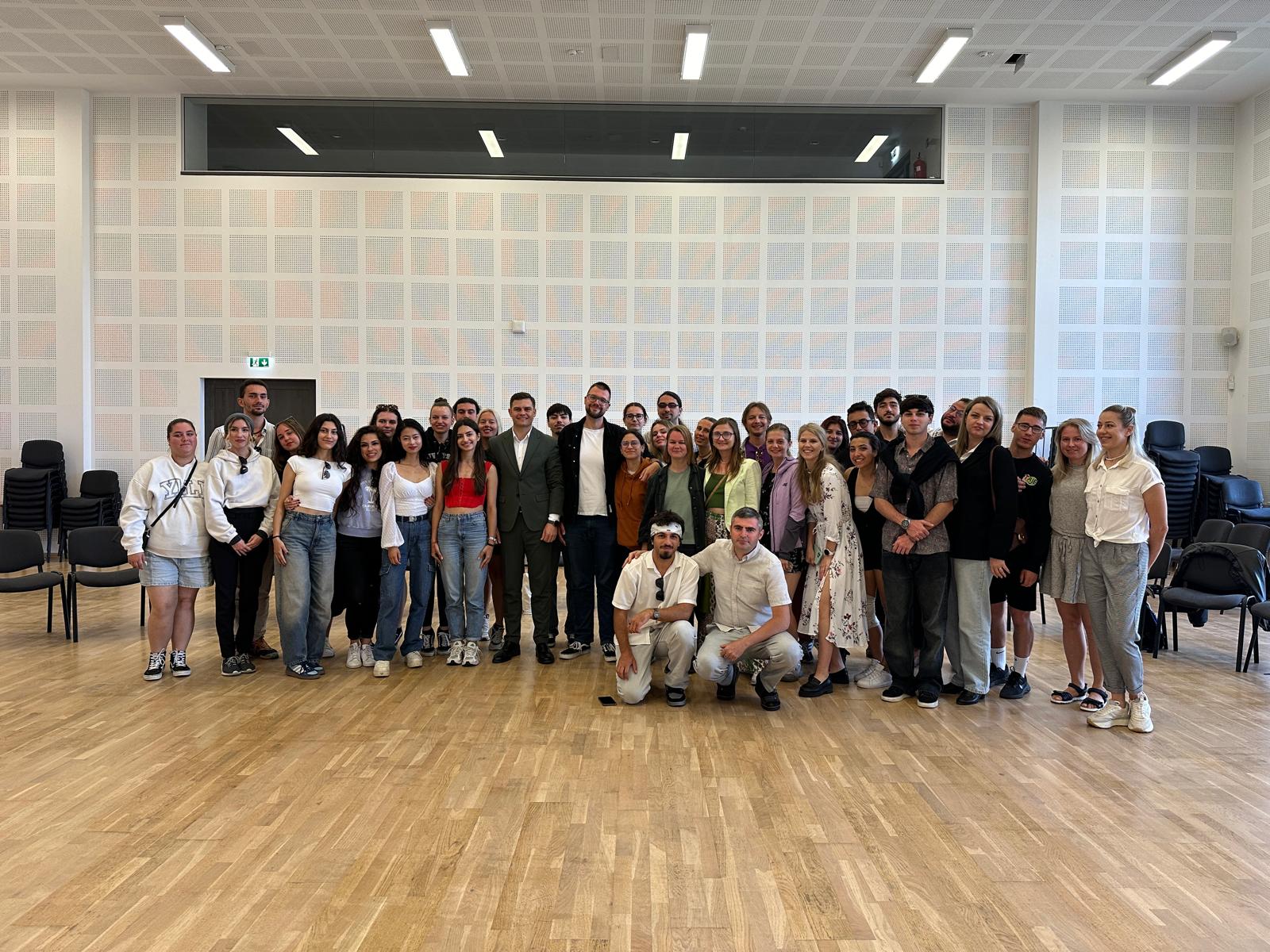
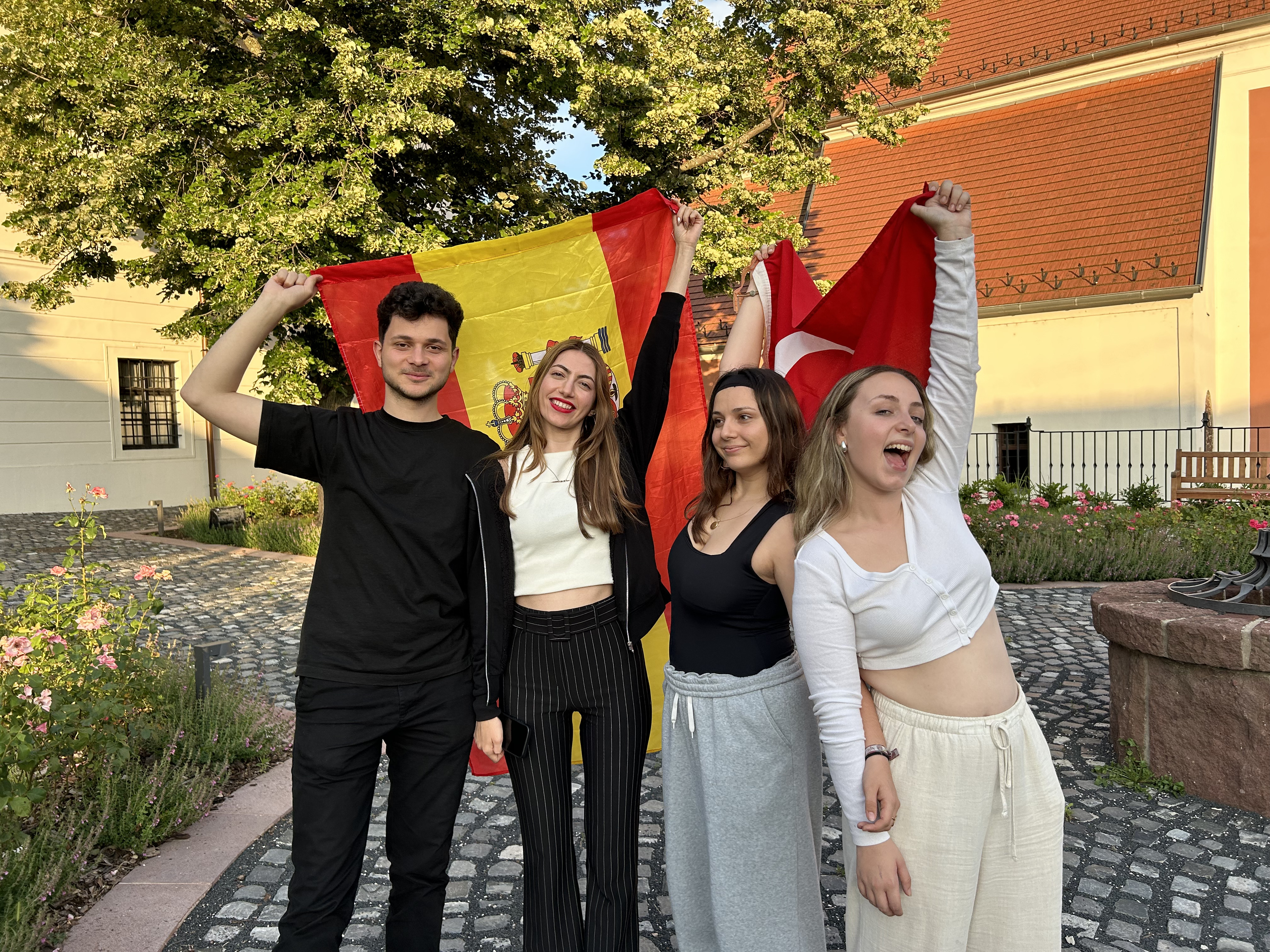
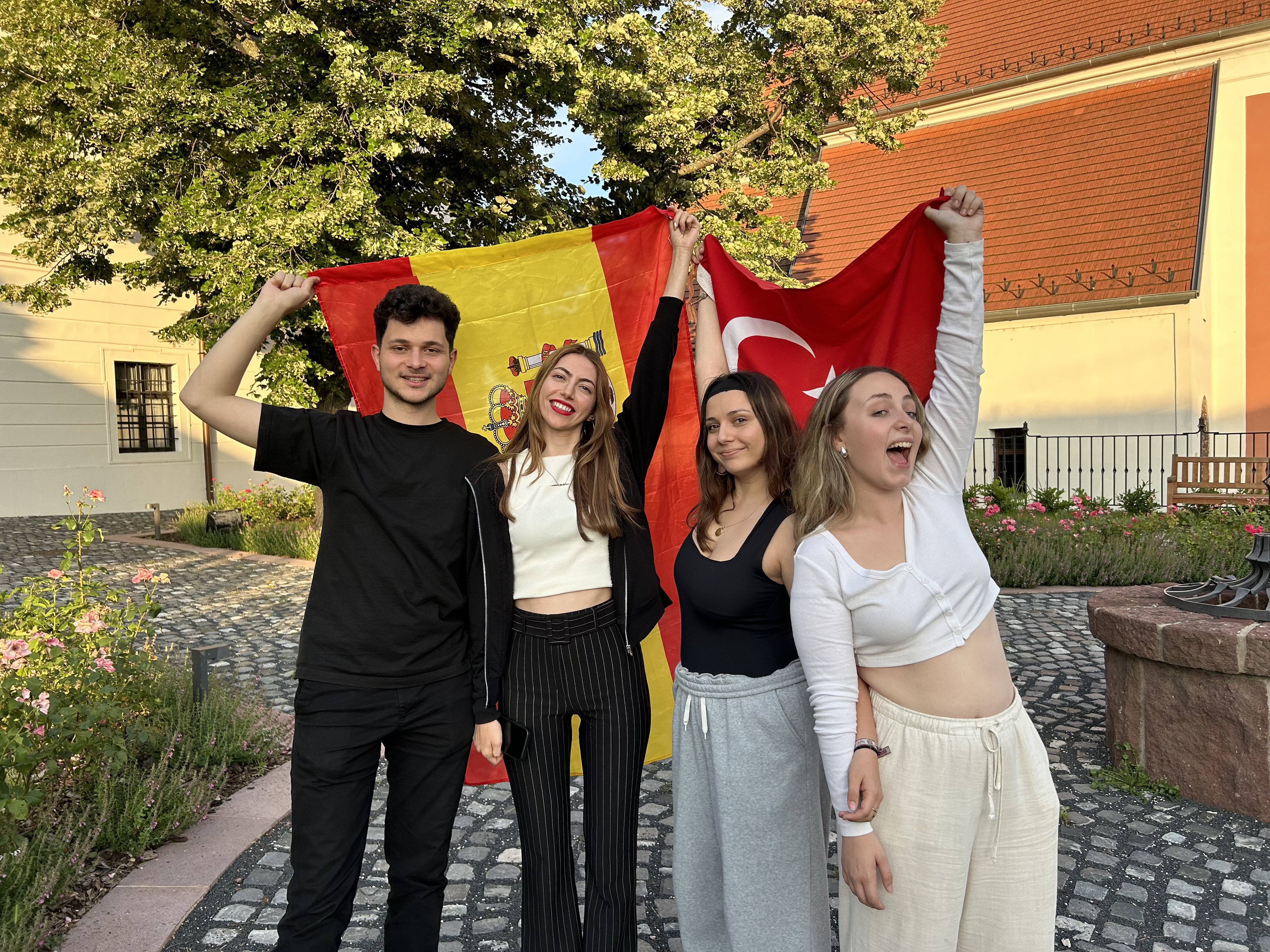
During these 9 days, we shared the same environment with young people from Romania, Spain, Lithuania, Estonia, France, Hungary and Türkiye. We created together, talked, laughed, sometimes struggled to understand one another and, most importantly, got to know one another.
First day: How will this go?
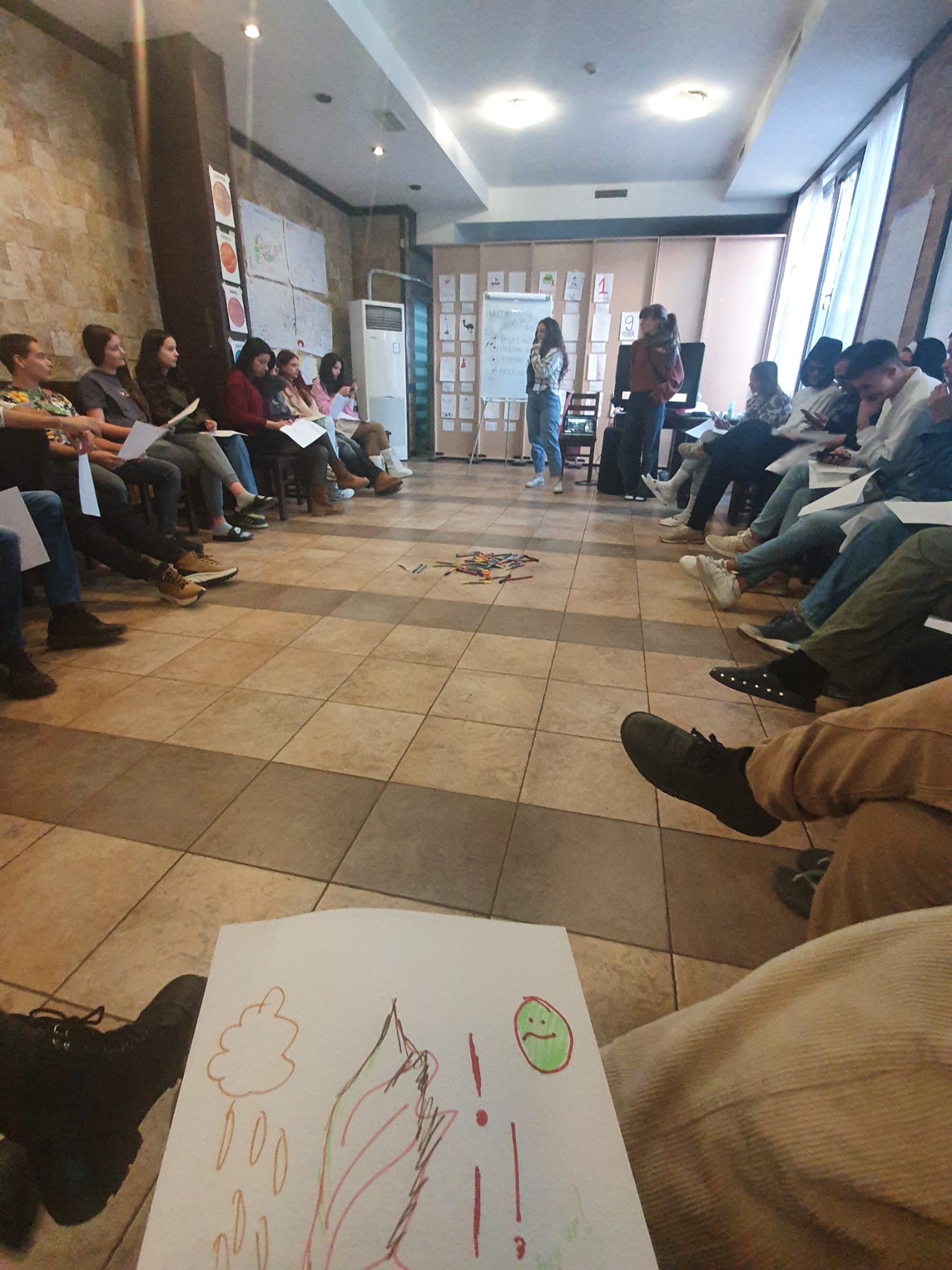
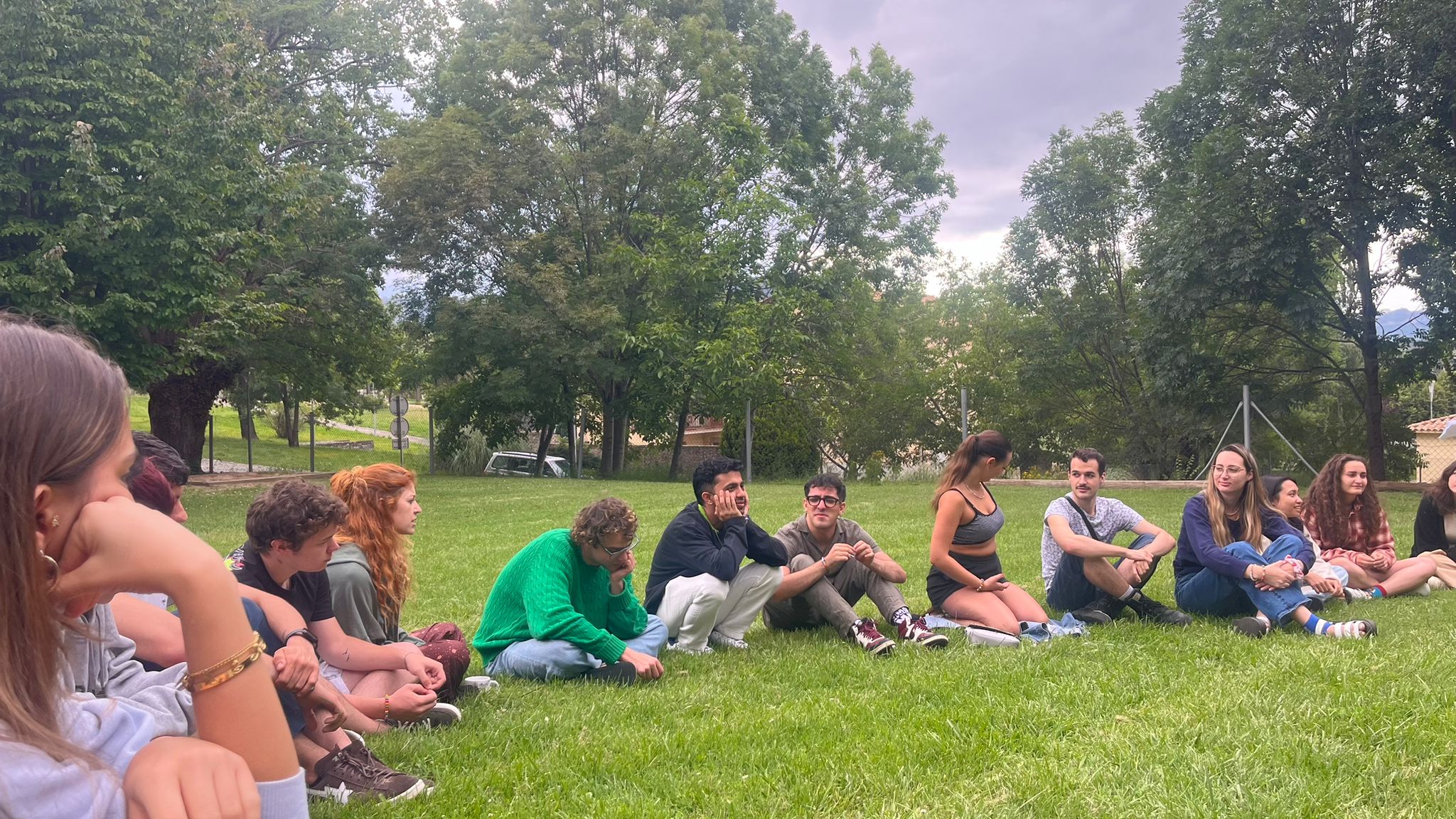
When we arrived at the place where we would stay, the first thing we did was introduce ourselves. We formed a circle and started getting to know one another one by one. At first, everyone was a little distant. After all, we were together with people from different countries whom we had never met before.
But within a few hours, that first shyness began to fade. On the second day, our teams were formed and we talked about the values we needed to pay attention to throughout the project. The board games we played in the evening helped us get to know one another more comfortably.
In those days, I started to realize something: you do not need to speak the same language perfectly to make friends in an Erasmus+ project. Sometimes a game, a laugh or even a mispronounced word can be enough to communicate.
What makes me who I am?
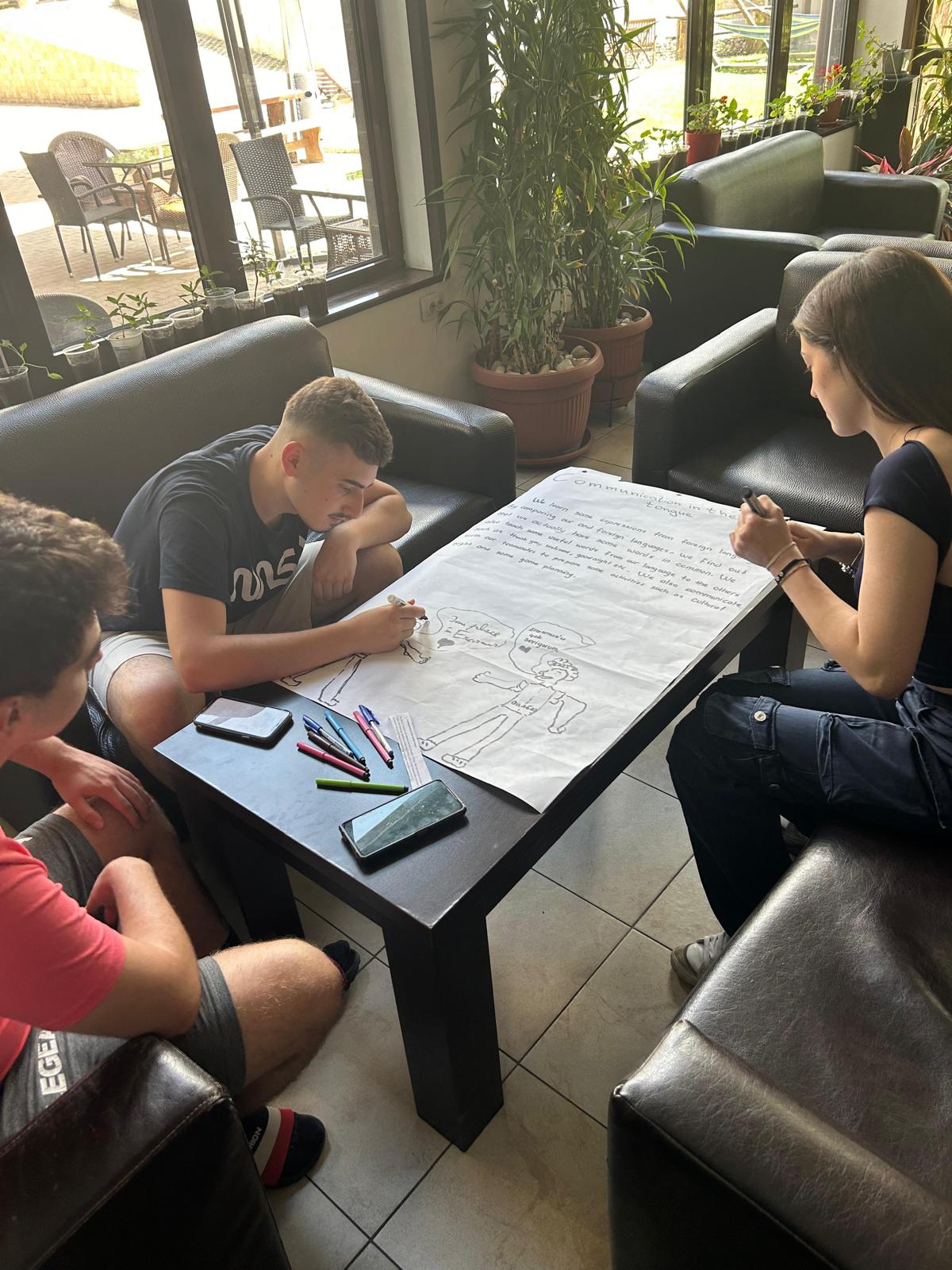
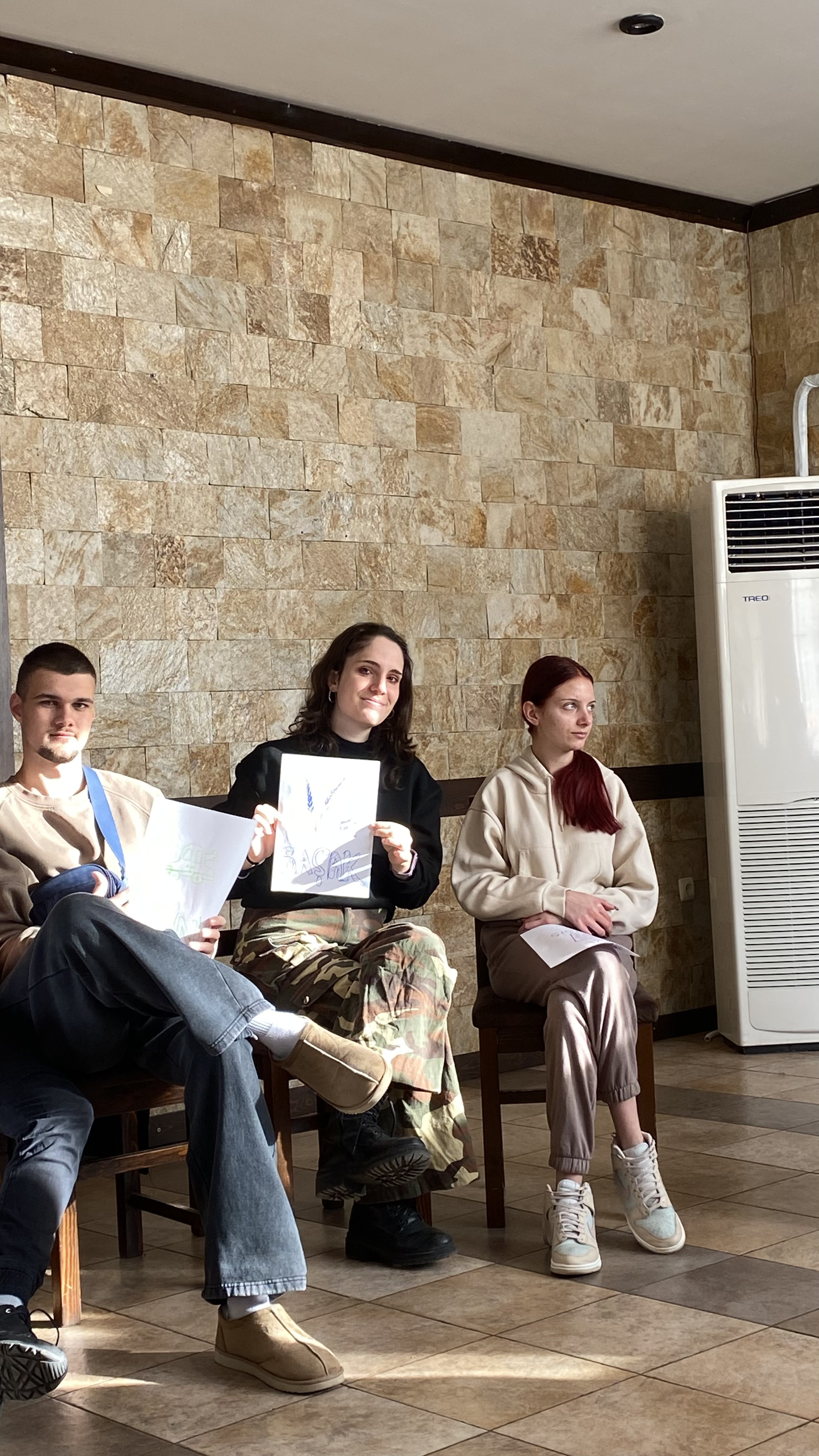
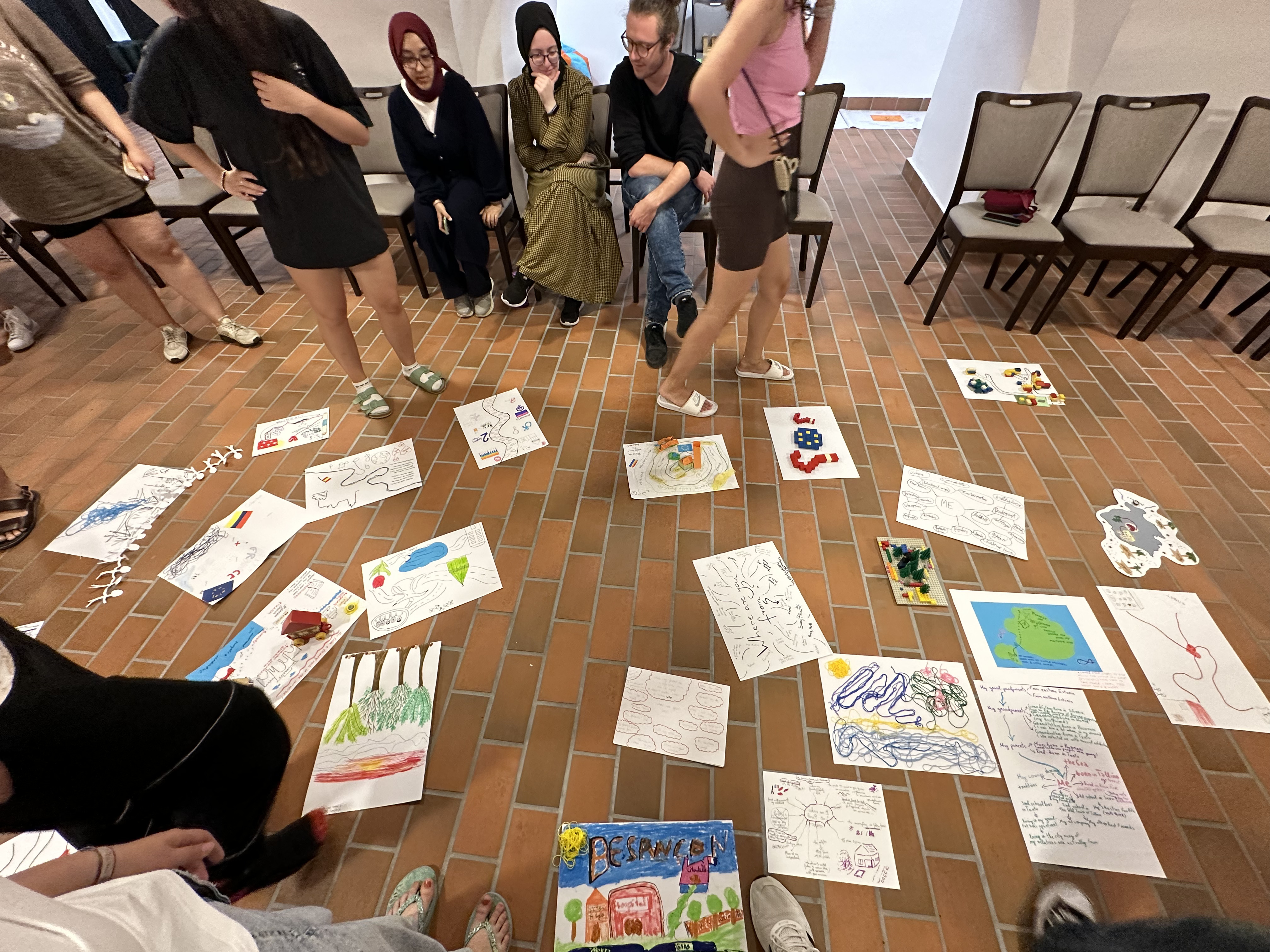
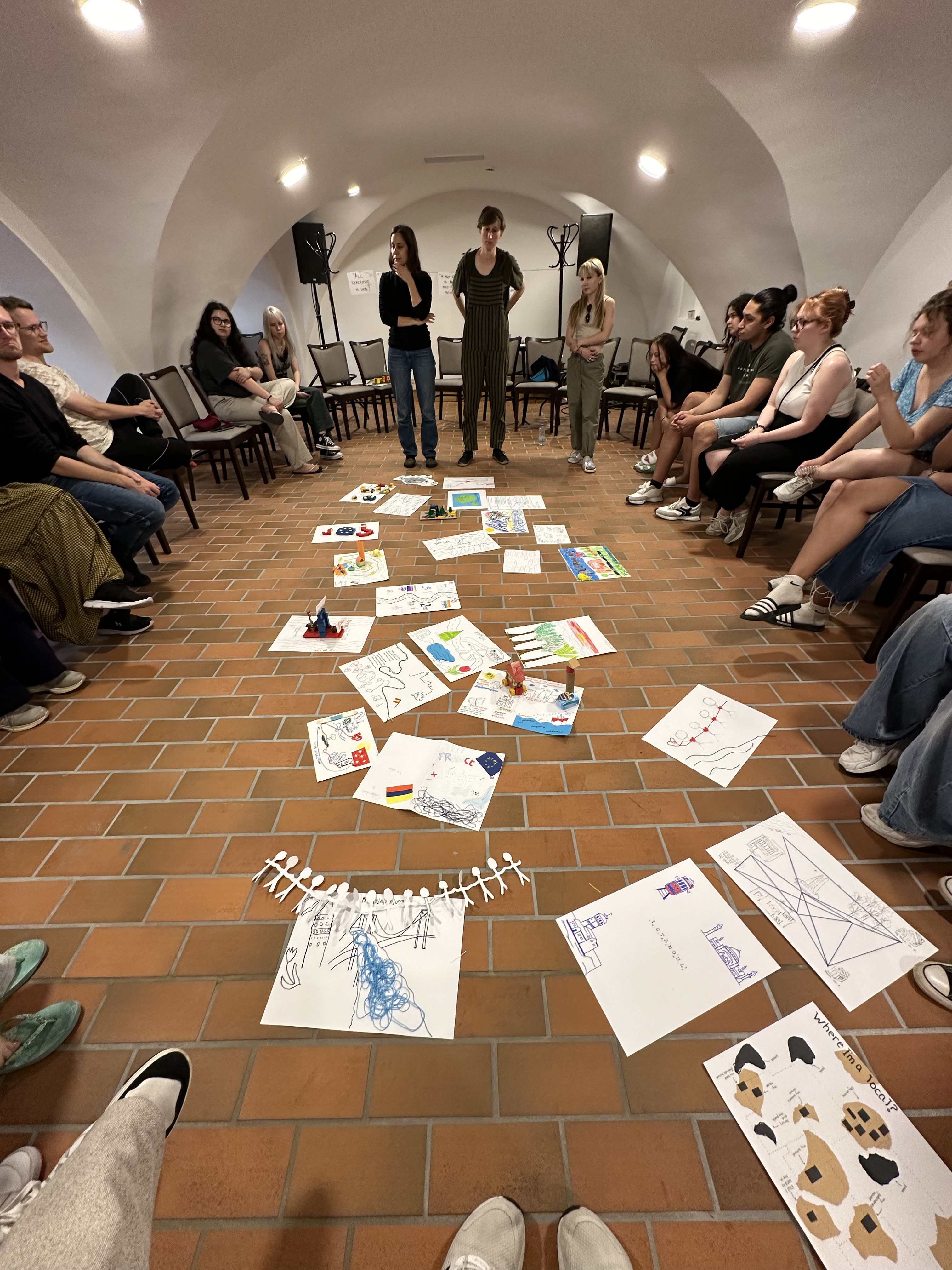
The third day was one of the most special days of the project for me. We did creative writing activities. We wrote sentences describing where we came from without directly saying our country. Then we drew or expressed something we felt we belonged to in different ways.
Afterwards, we were asked to write one of the stories that made us who we are. We shared the stories we wrote in small groups. This activity, which seemed quite simple at first, gained a different meaning as we listened to other people’s stories.
Because we began to see not only which country the person in front of us came from, but how their experiences had shaped them. We were different from one another, but we also had much more in common than we thought.
Pushing the limits of creativity
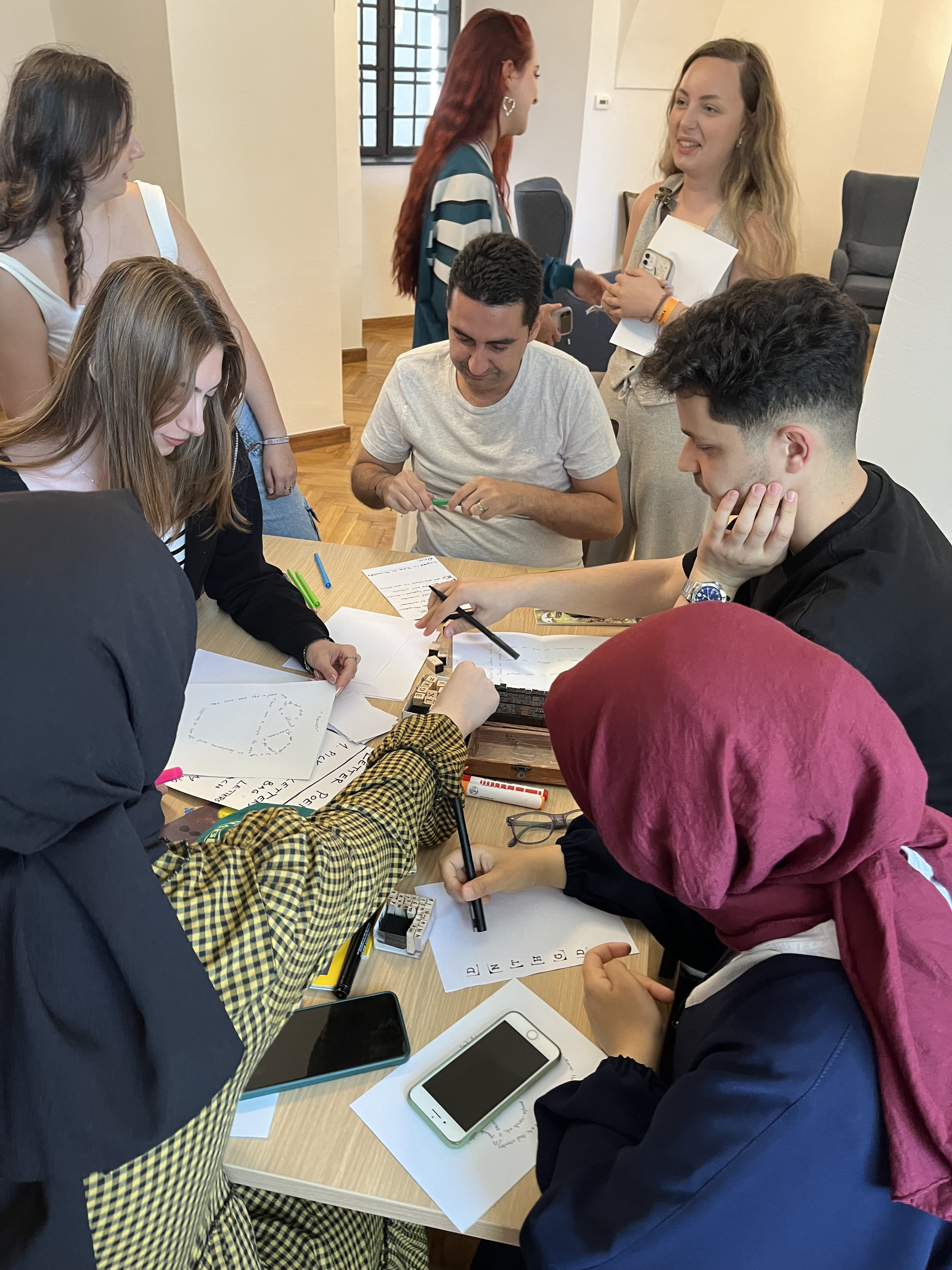
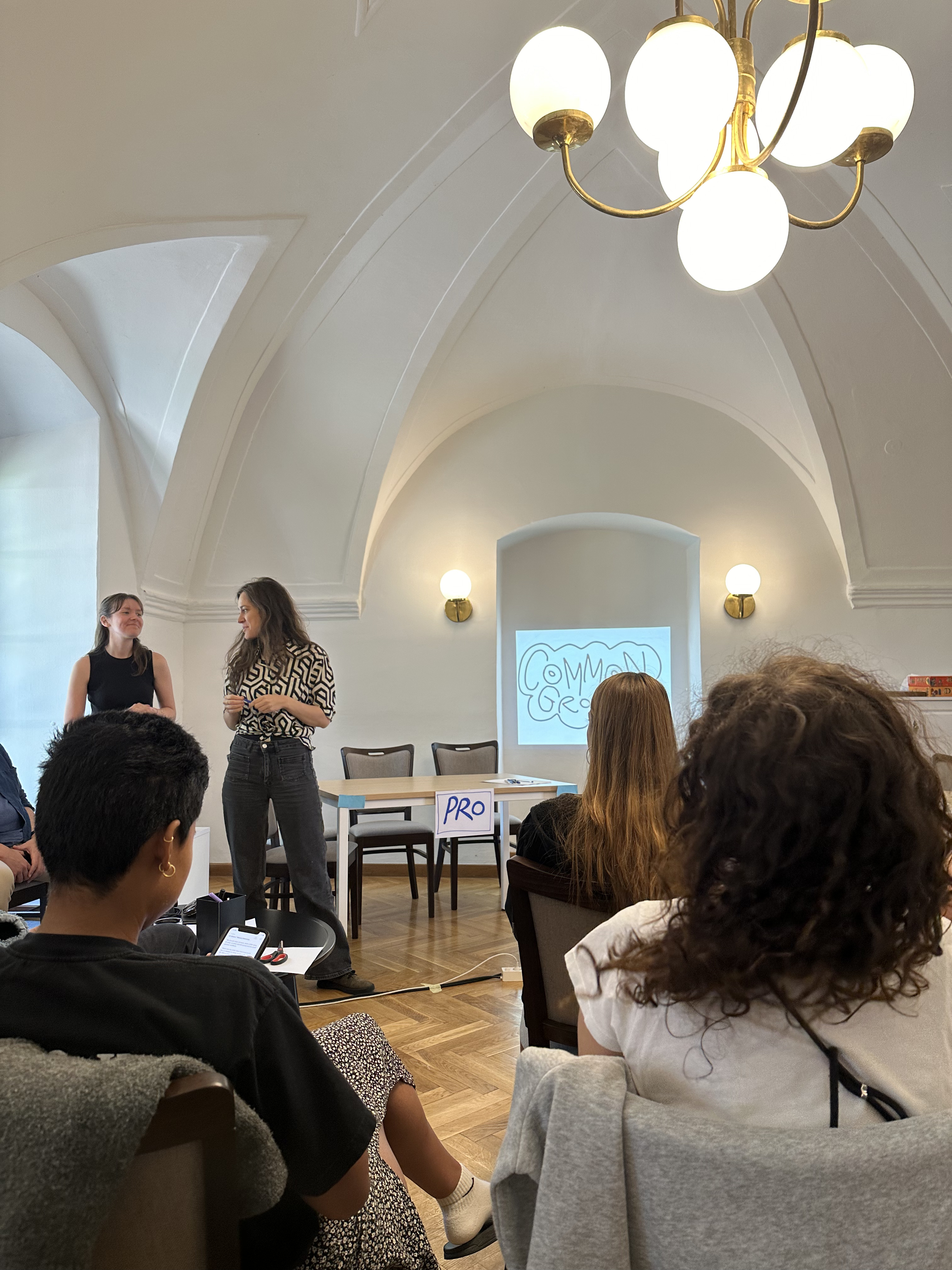
On the fourth day, we did creativity-based activities at different stations. From creating stories with words we selected from book pages to writing poems with randomly chosen words, we carried out many different exercises.
The best part was that there was no search for a right or wrong answer. Sometimes what came out was very meaningful, sometimes completely funny. But the important thing was to create something and share it with others.
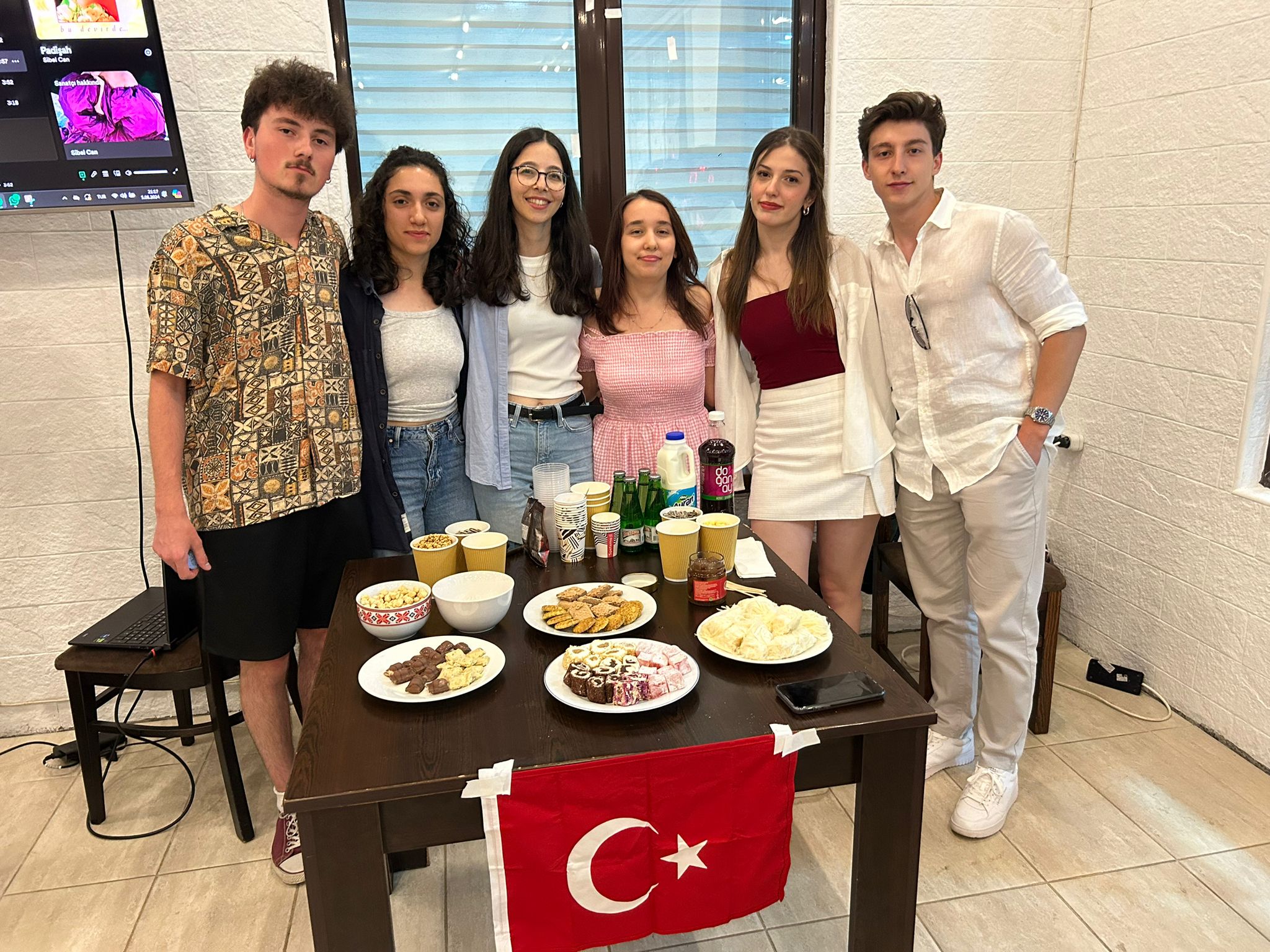
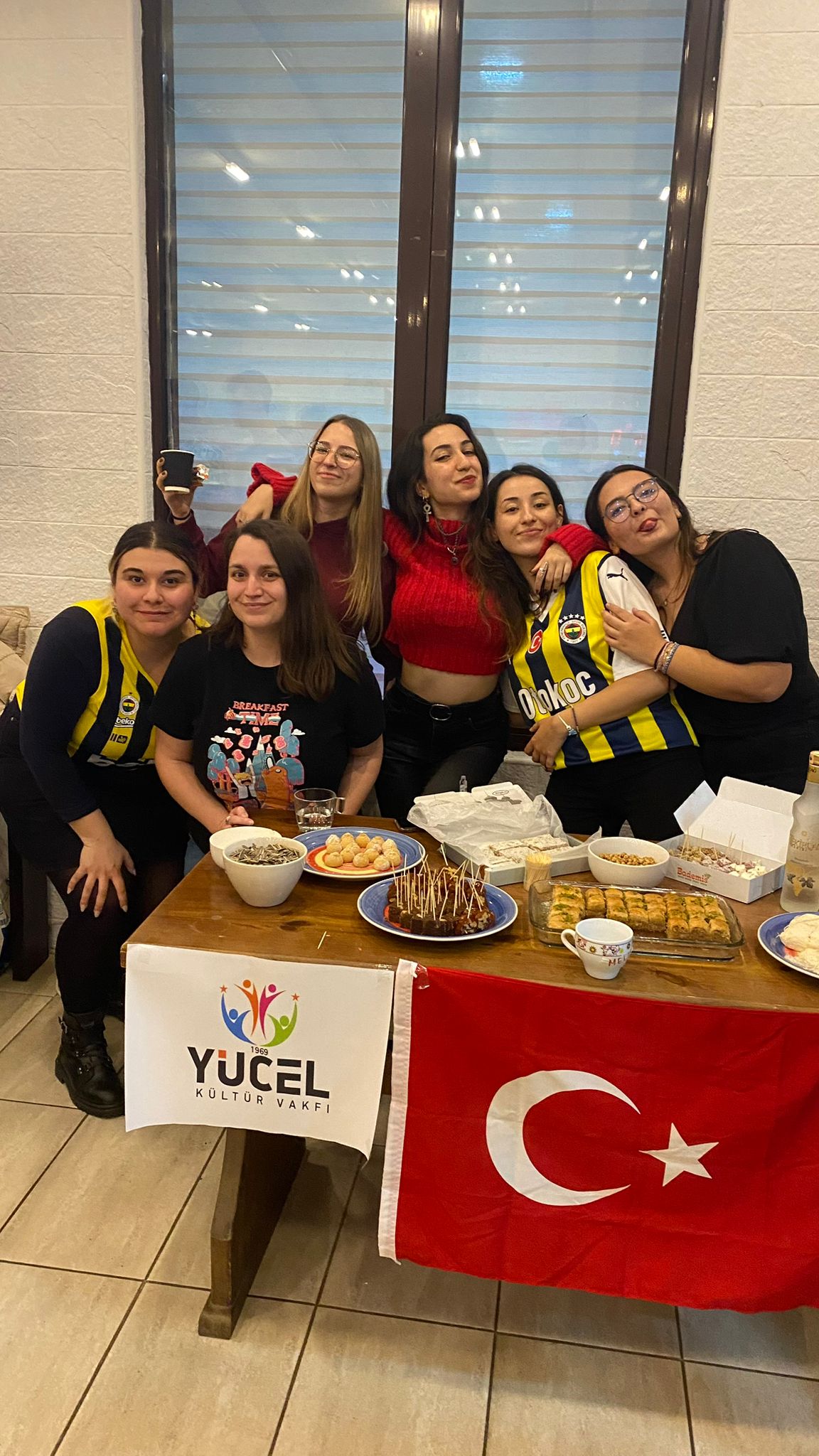
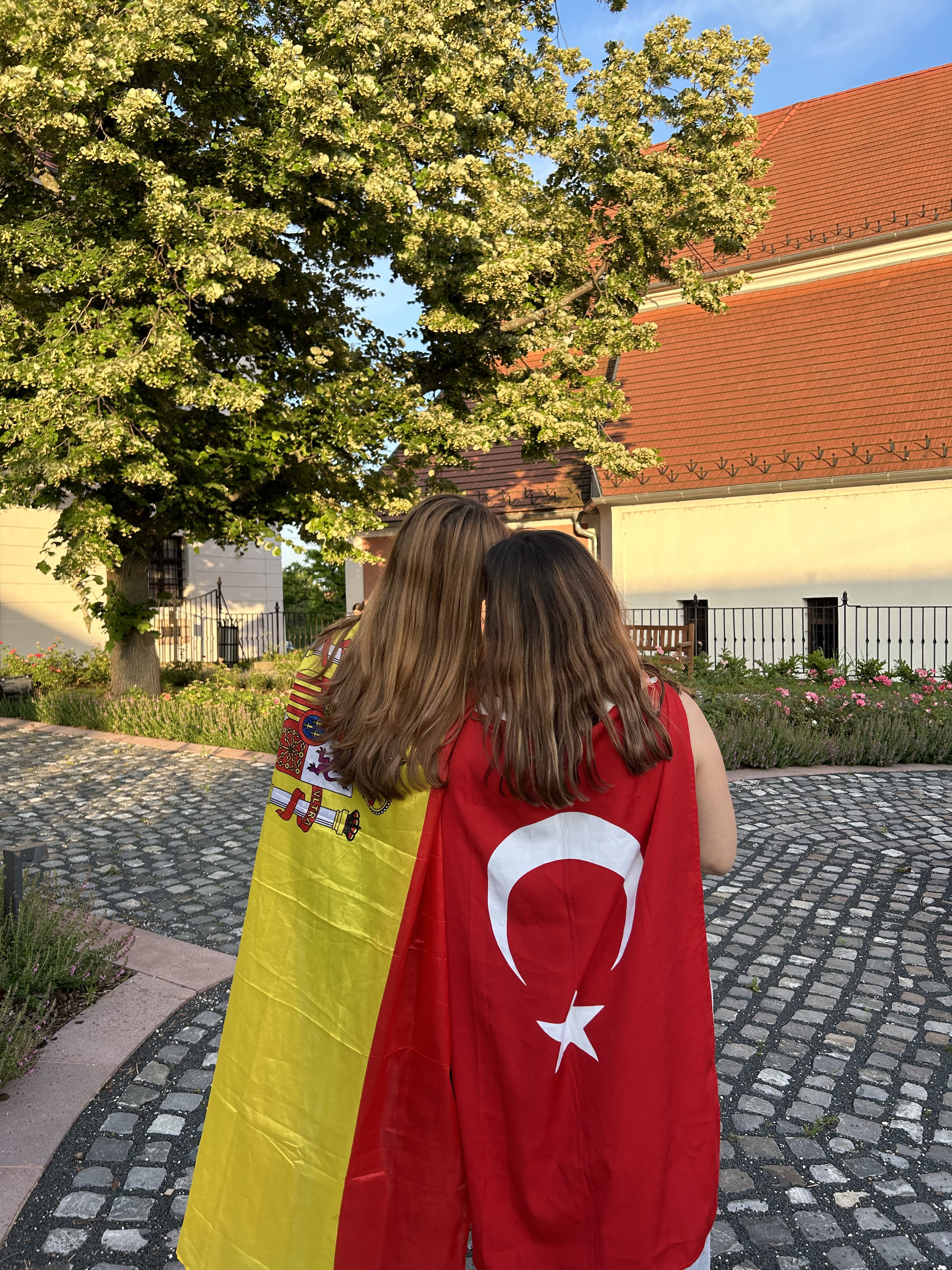
The cultural night held in the evening helped us get to know different countries more closely. We talked about food, music, traditions and daily life. That night, I experienced how daily and natural the concept of intercultural learning actually is.
Truly experiencing Common Grounds
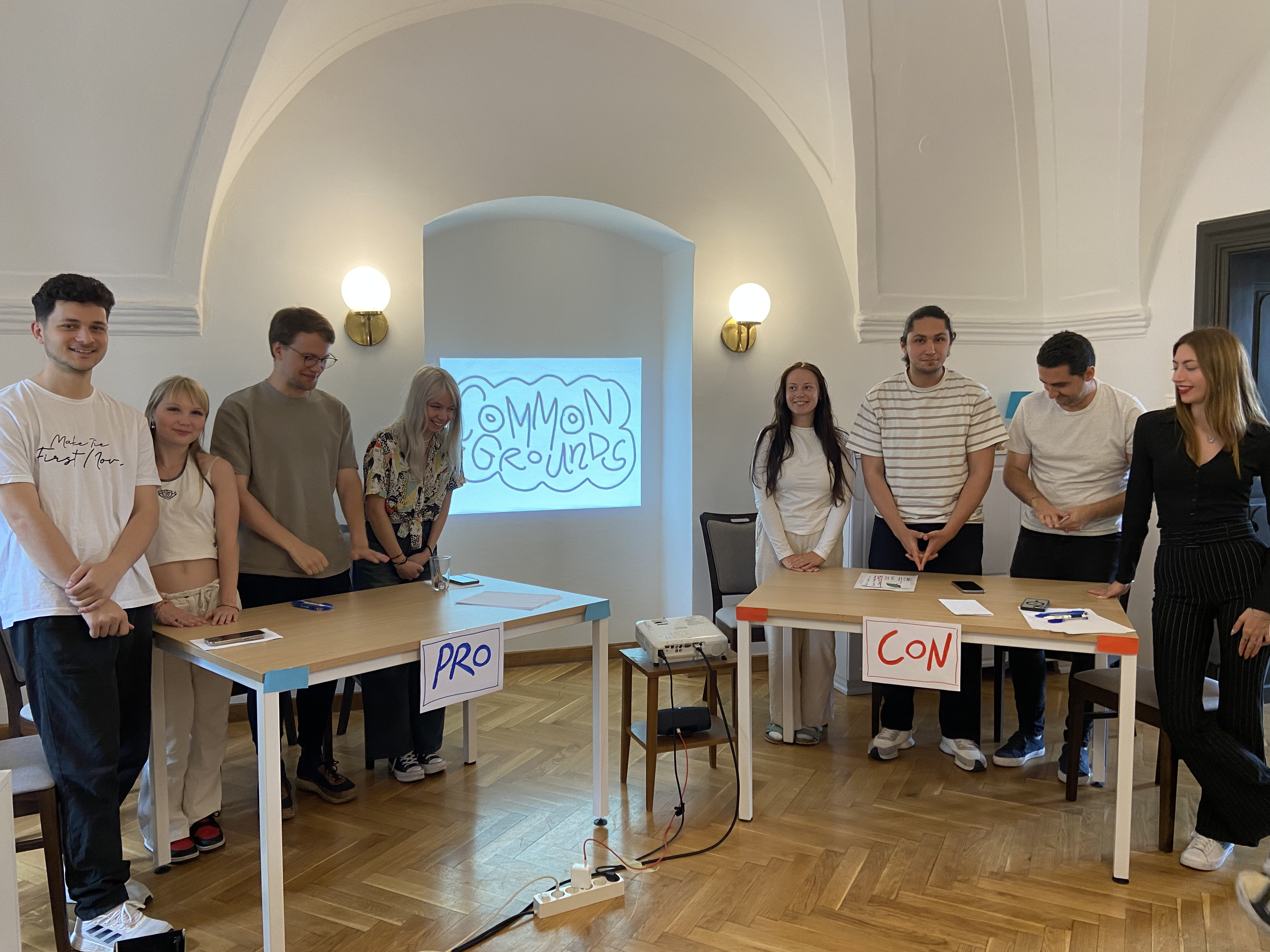
On the fifth day, we worked on the Common Grounds concept at the center of the project. In fact, many of the activities we had done throughout the project had been preparing us for this point.
We come from different countries. We speak different languages. We grow up in different cultures. But at the same time, we care about similar things. We have common needs such as feeling that we belong, being understood, making friends, creating, having fun and learning new things.
For me, the concept of common ground stopped being only a project title that day. It became the experience we were living.
For one day, not tourists but participants
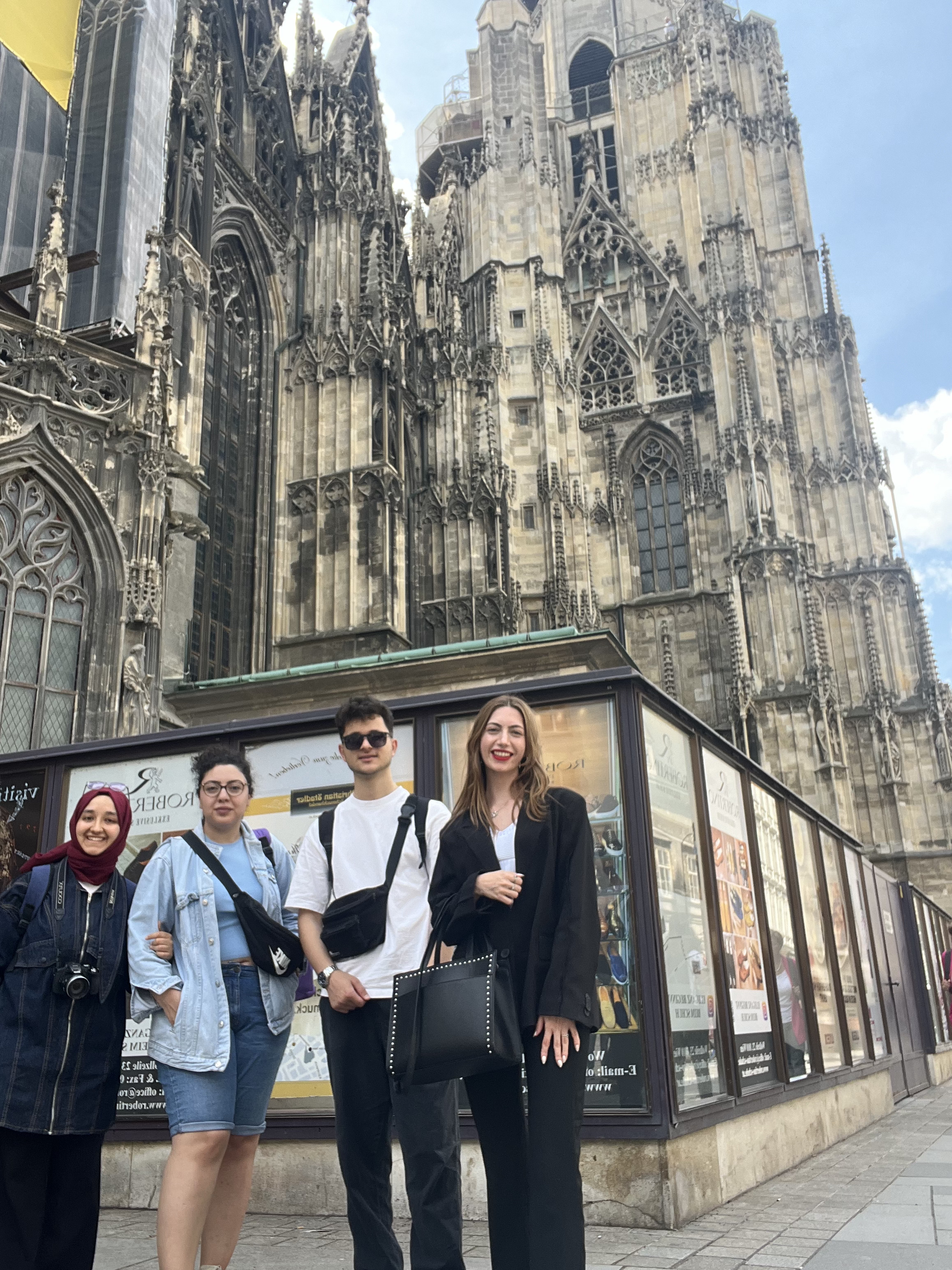
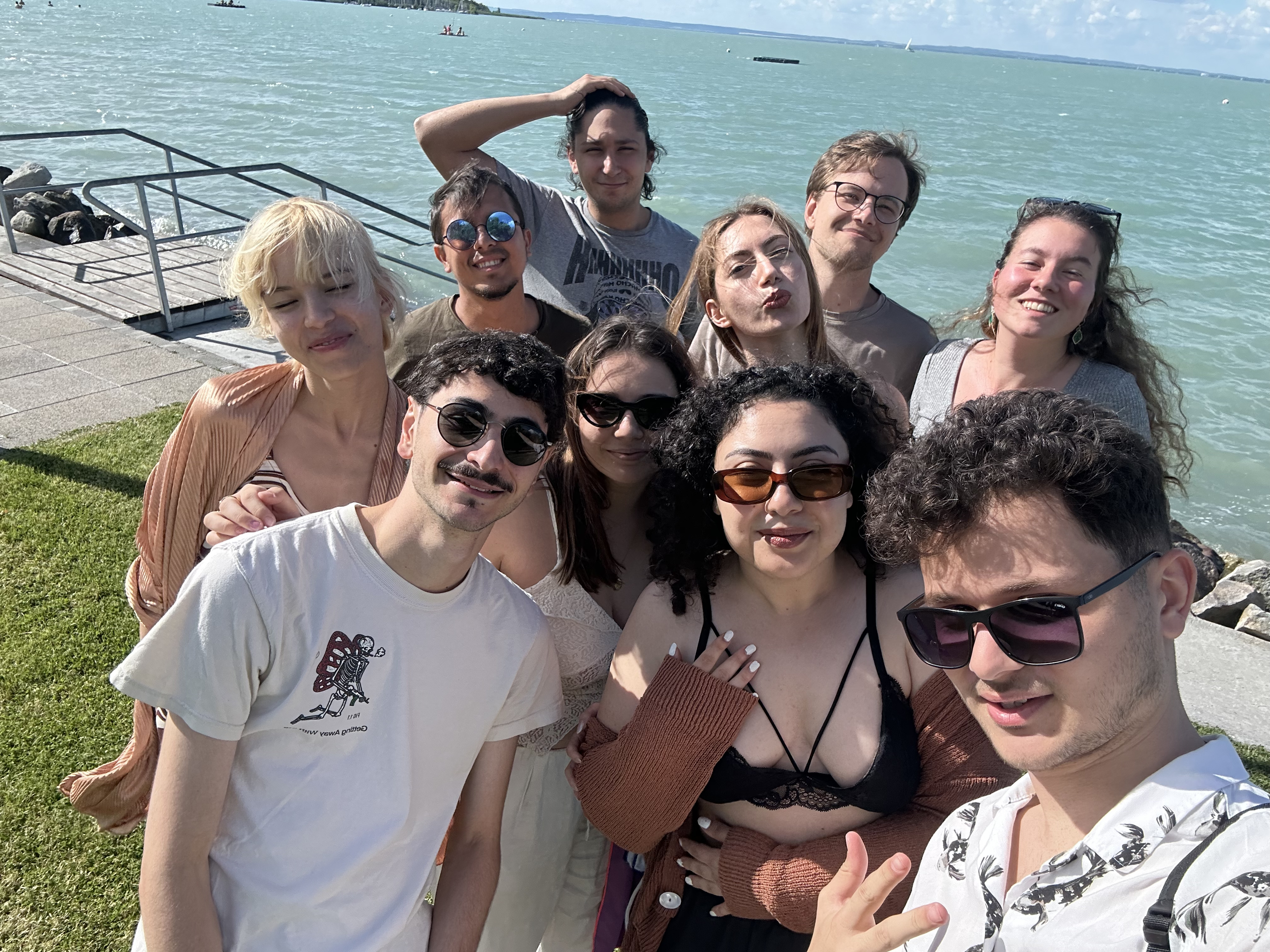
The sixth day was our free day, and we discovered Budapest. Exploring the city together, seeing different places and talking outside the project were also important parts of the experience.
I think this is exactly where one of the beautiful sides of Erasmus+ projects appears. Beyond the official activities you do together, you continue to get to know one another in daily life. Even while sitting in a cafe, walking or looking for a place in the city, a new conversation can begin.
Giving a message through art
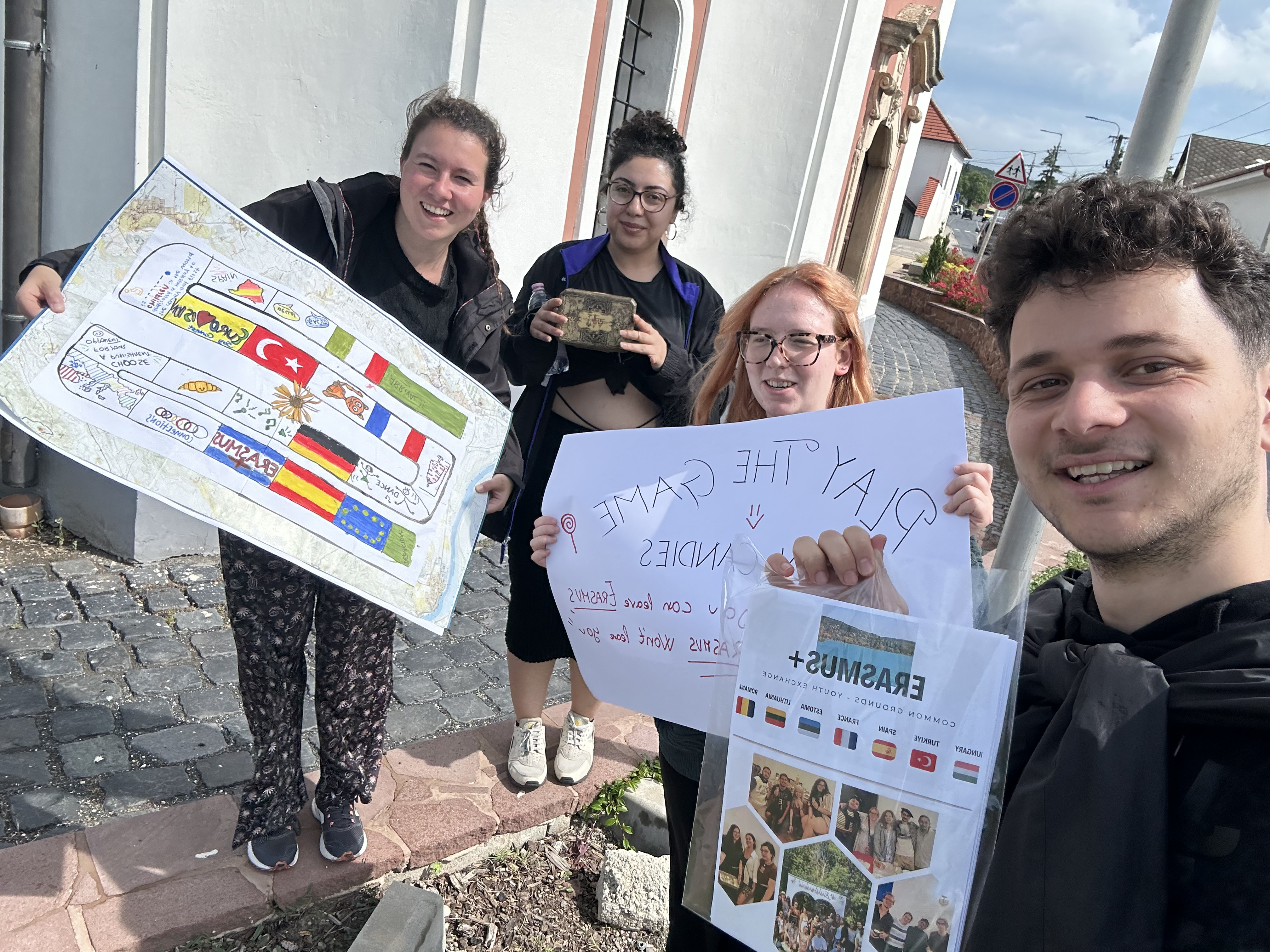
On the seventh day, we worked on artivism. We experienced how art can be used to express social issues and raise awareness.
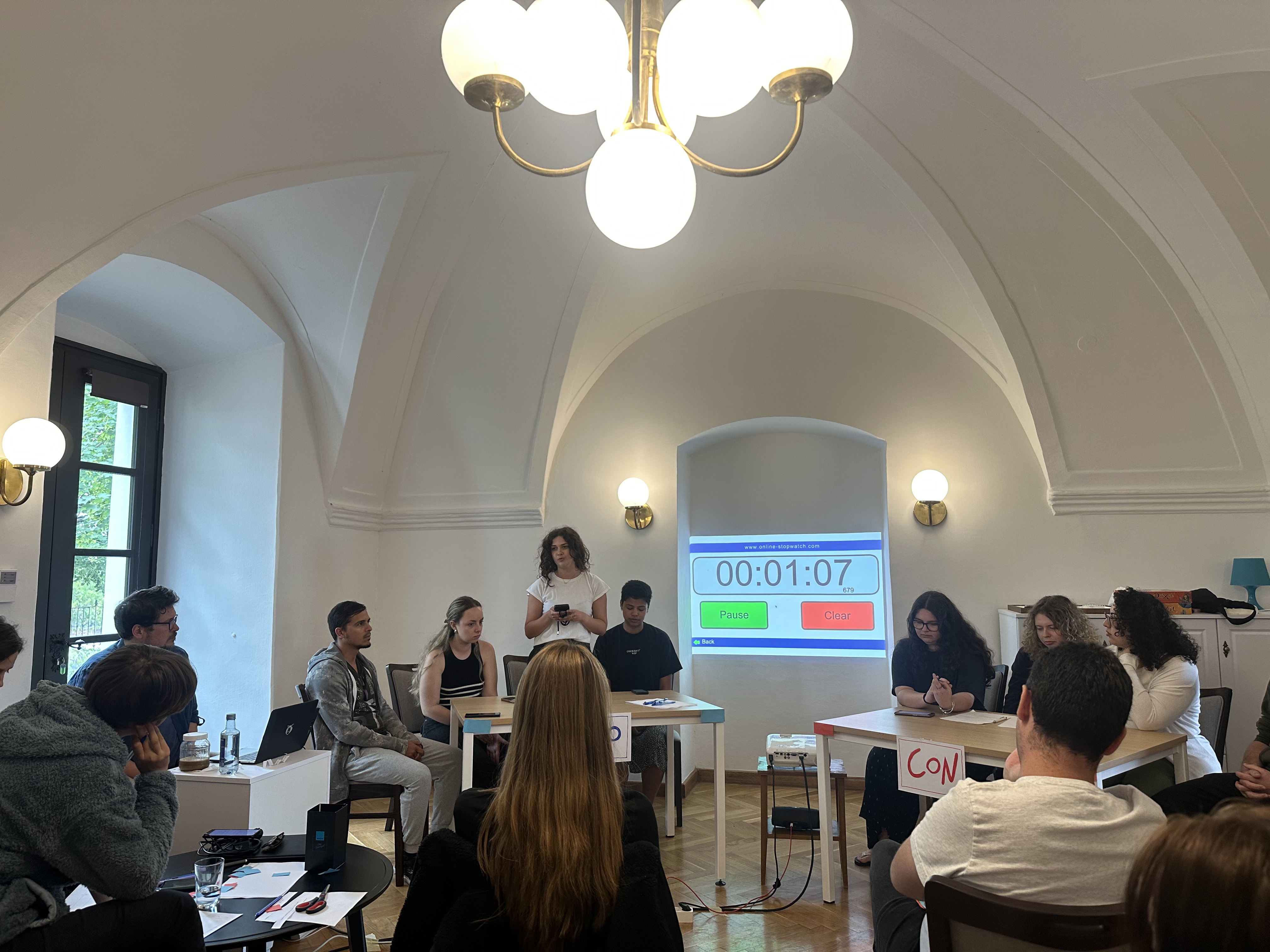
On the eighth day, we carried out street actions. These activities were especially interesting for me because we had the chance to take the topics we had learned and discussed outside the activity room.
Talking about an idea is one thing; expressing it creatively is a completely different experience.
The real surprise: English
One of the biggest gains of the project for me was definitely English. For the first time, I used English in almost all parts of my daily life for such a long time.
At breakfast, during activities, in evening conversations and city trips, when you have to speak English, after a while you start speaking without overthinking. Of course, it was not always easy. Sometimes I could not find the right word, sometimes I misunderstood, and sometimes I could not fully express what I wanted to say.
But precisely because of these moments, I began to feel more confident speaking English. This experience taught me something important: to communicate, you do not need perfect English; you need the courage to communicate.
Sharing the same room
Throughout the project, we lived in the same place and shared a room with people from different countries. From the outside, this may seem like a small detail, but it was actually one of the most real forms of intercultural learning.
Everyone had different habits. We slept at different times, communicated differently and experienced daily life in different ways. Sometimes these differences were not easy. But all of them taught us how to communicate, understand one another and find common solutions.
We were in a very different place from where we started
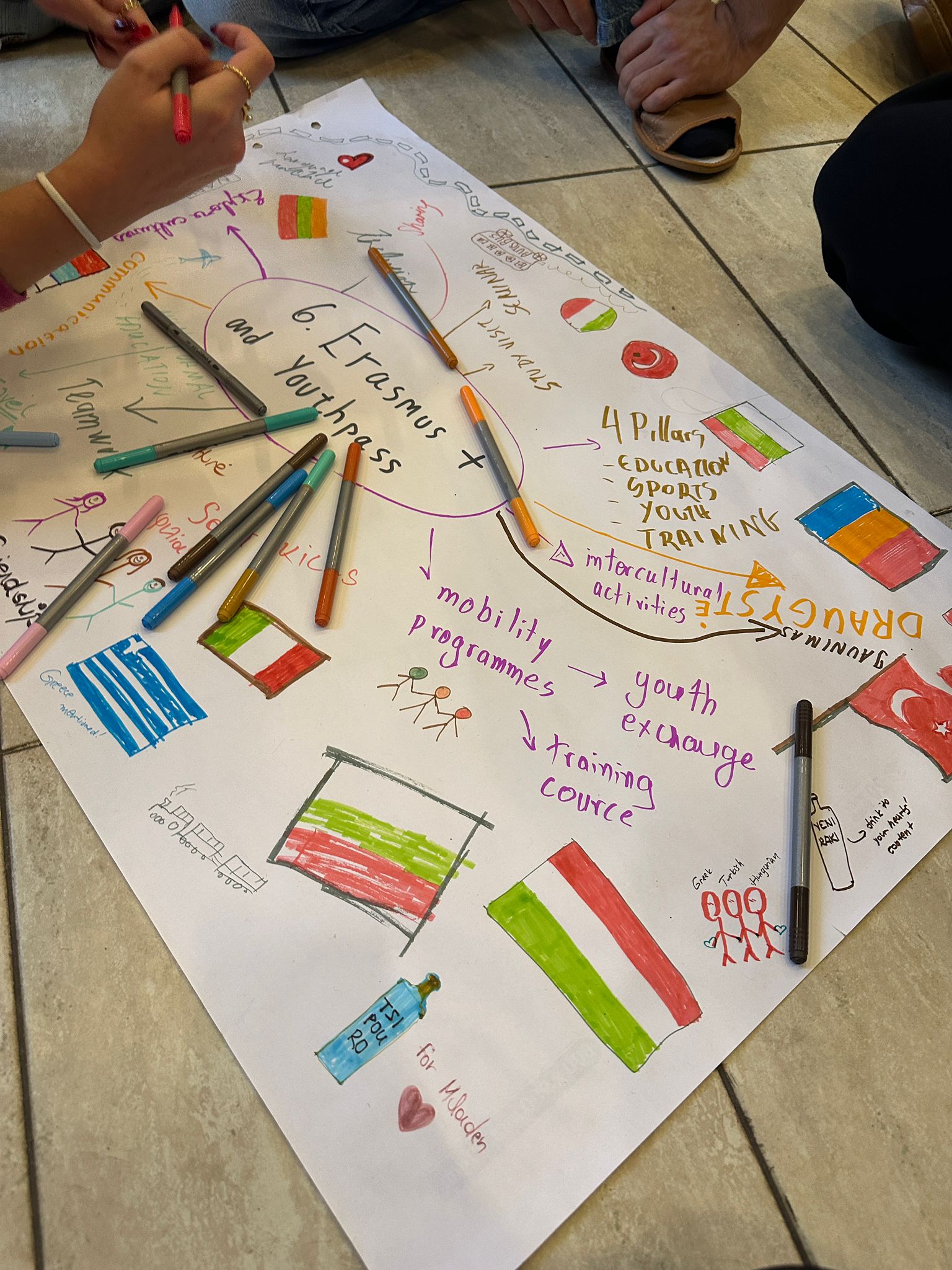
On the final day, we evaluated the project and learned more about Erasmus+. The simple questions we had asked one another on the first day had now been replaced by memories we had shared together.
The stories we wrote together, the games we played, the activities we did, the Budapest trip, the cultural night and long conversations... All of them had become parts of the 9-day experience.
As we said goodbye, I realized this: when I went to the project, I thought I would only get to know a new country and new people. When I returned, I had also learned new things about myself.
What these 9 days left with me
Common Grounds gave me a lot in terms of personal development, self-awareness and creativity. Living in the same environment with people from different cultures, sharing a room, doing activities together and socializing in English were all experiences I had never had before.
I especially feel that my English improved. I spoke English for such a long time for the first time and experienced both the challenging and developing sides of it. I also found the 9-day duration of the project quite ideal. Although the program was intense, we had time to learn, socialize and discover the city.
When I look back today, I cannot define this project only as 9 days I spent in Hungary. For me, this project meant meeting new people, learning to live with differences, gaining the courage to speak English, discovering my creativity and perhaps most importantly, finding common ground among different people.
Common Grounds Erasmus+ Project Participant Yücel Cultural Foundation Youth Page Erasmus+ Experience Stories