Following Sustainability in Bansko: My Eight-Day Erasmus+ Experience with Quiet Quest
Quiet Quest was not only an Erasmus+ project where I learned about sustainability in the HoReCa sector. During eight days in Bansko, I interviewed local businesses, worked on green tourism, created with waste materials and experienced how instructive it can be to produce together with young people from different cultures.
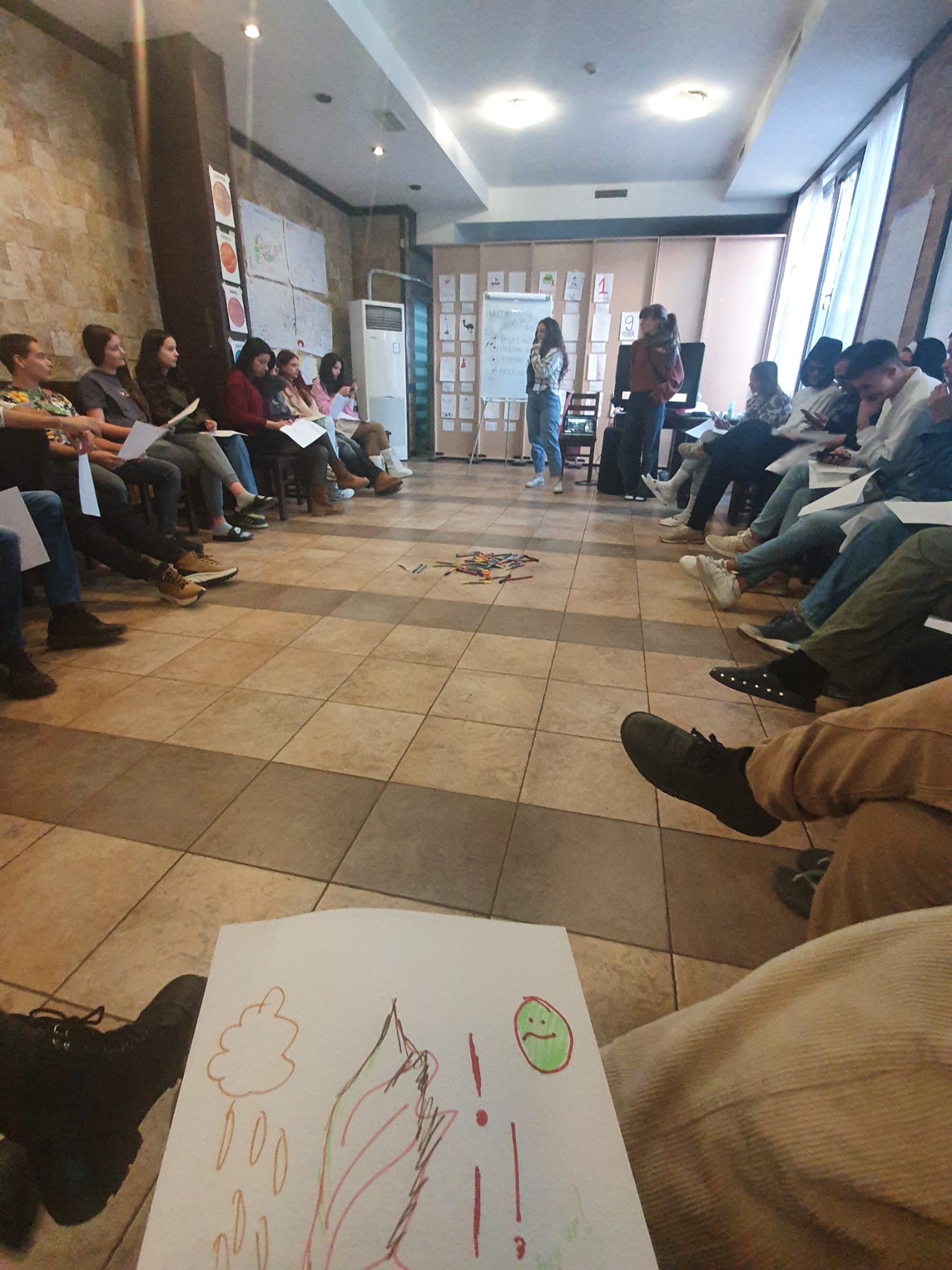
I had the chance to take part in the Quiet Quest Erasmus+ project, held in Bansko, Bulgaria, from 25 November to 4 December 2024 through Yücel Cultural Foundation. Focusing on sustainability in the HoReCa sector, namely hotels, restaurants and catering, this project was not only a training where I gained new knowledge; it became an unforgettable experience where I met people from different cultures, created together and discovered different sides of myself.
Introductions, expectations and first steps
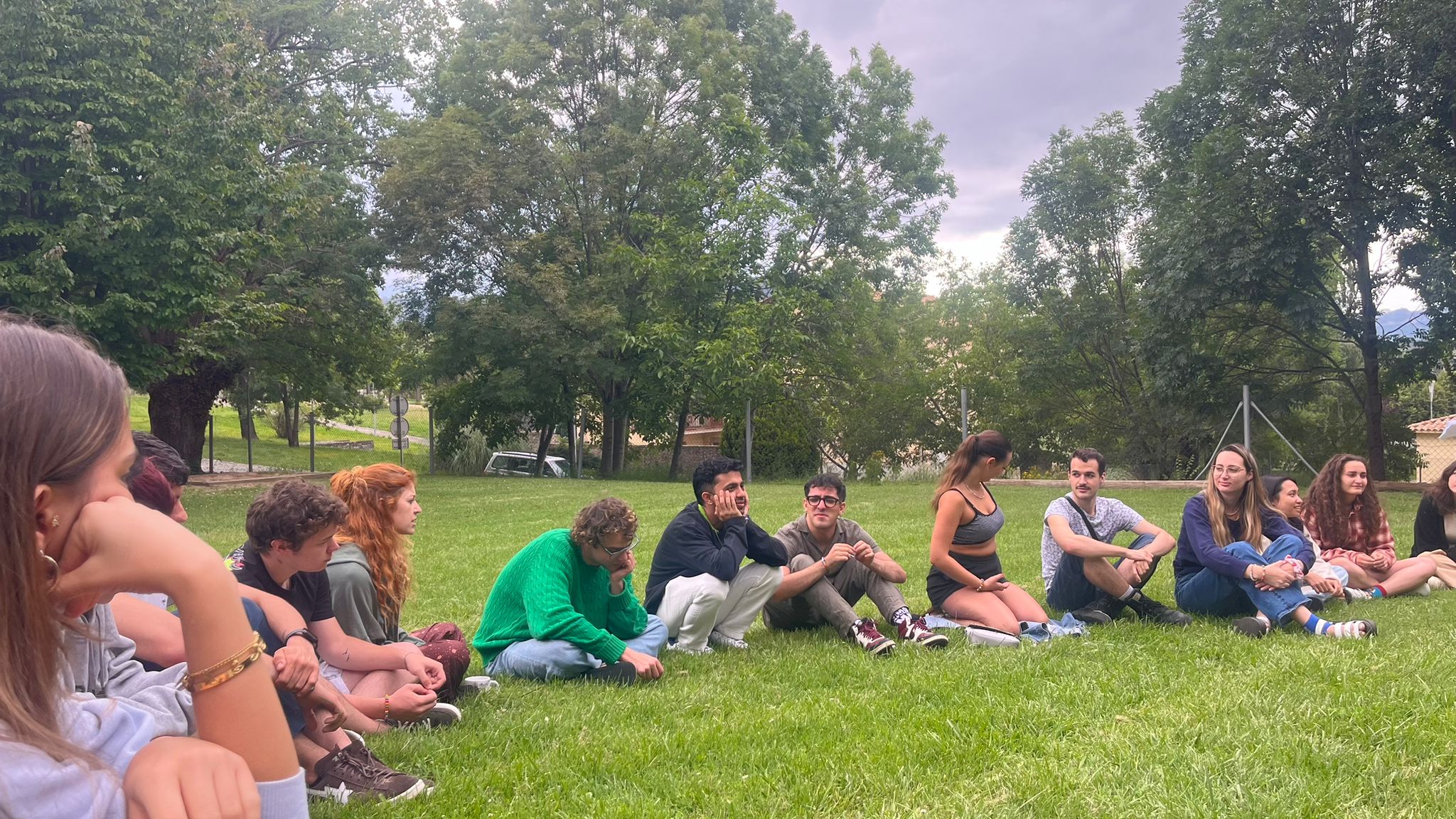
On the first day of the project, we began with introduction and bonding activities led by our coordinator. We talked for a few minutes with the person sitting opposite us about given topics, then changed places to speak with different participants.
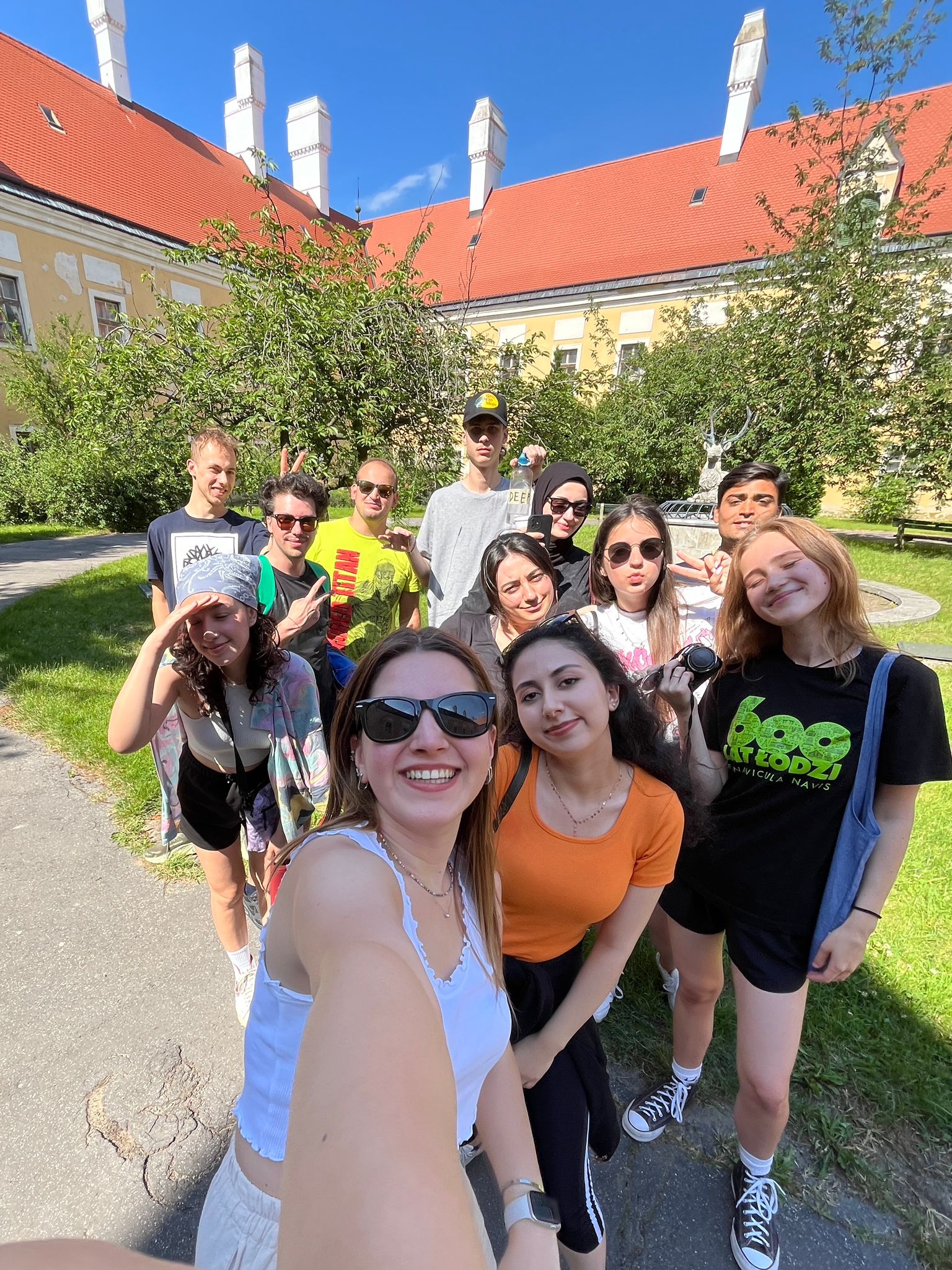
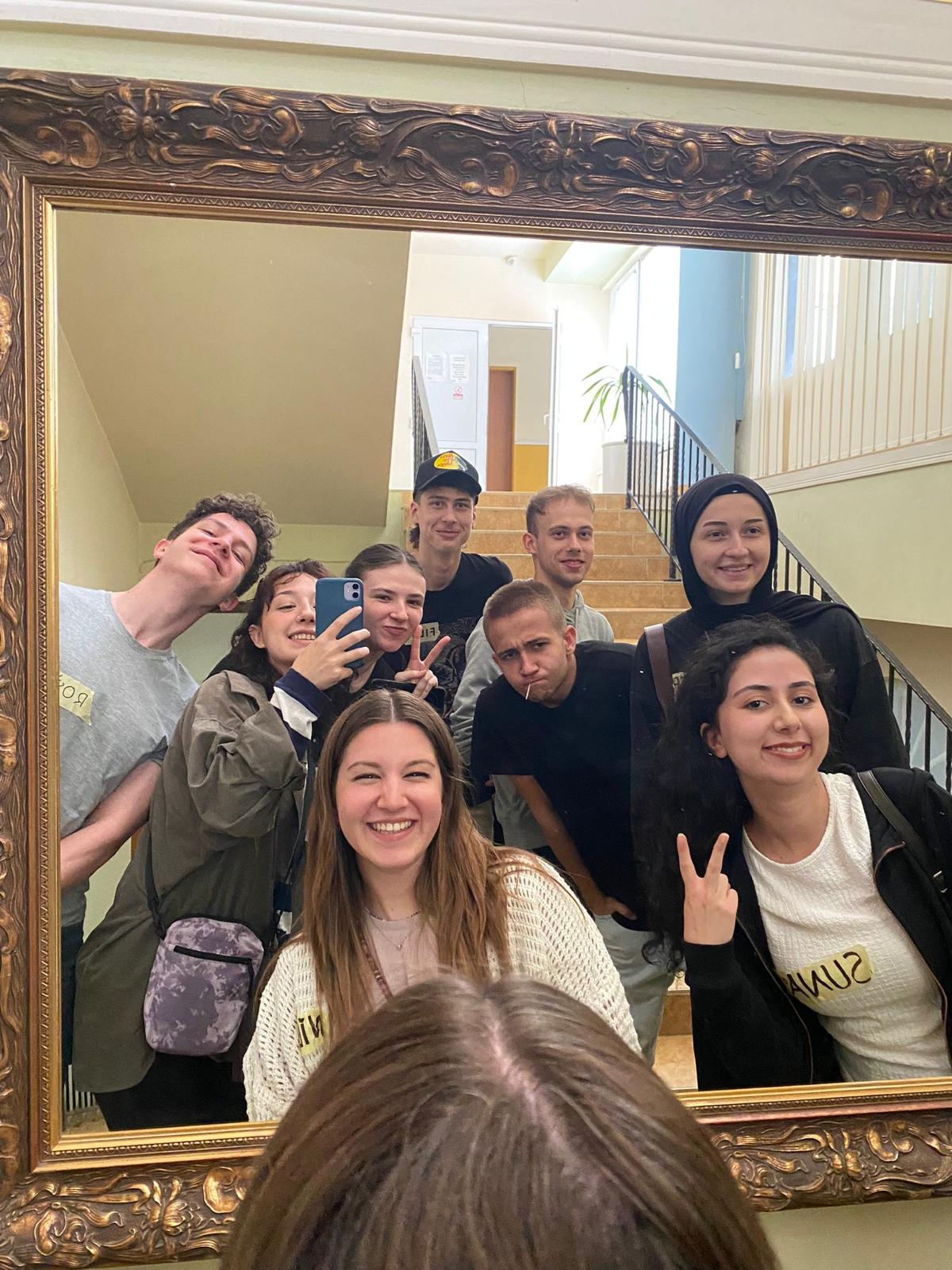
Thanks to this activity, which seemed simple at first, I met many people in a short time. The games we played to raise our energy and the fun activities we did together made the atmosphere of the group very warm.
Later, we started our “secret friend” activity. Everyone wrote their name on a piece of paper and left it on the wall of the activity room. We also planned our project program together, chose volunteers to take photos every day and shared our expectations from the project on post-its.
From the very first day, I understood that this project would not be only about listening to lessons.
Moving together
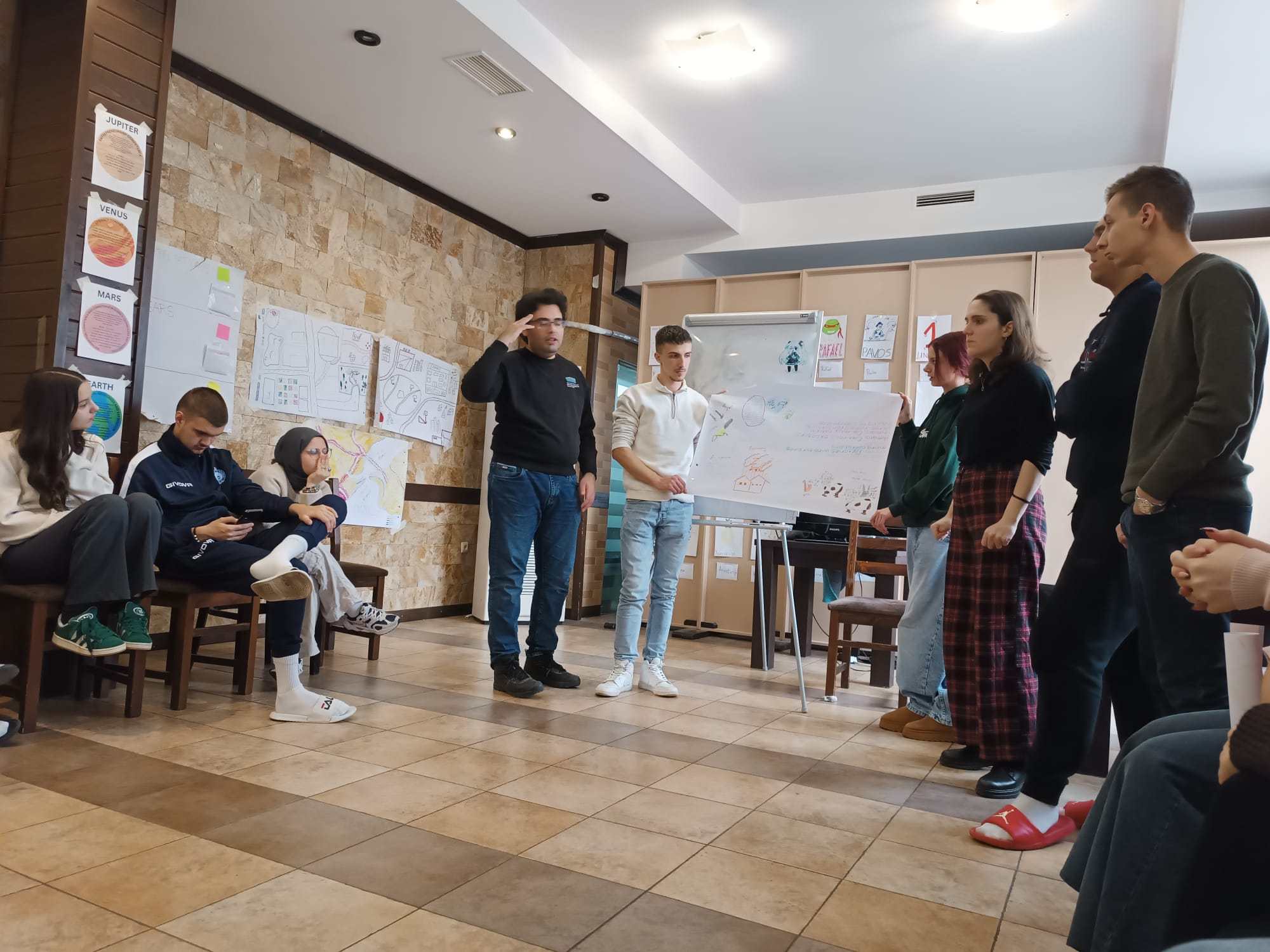
We started the second day with an energetic game in which everyone participated. The papers placed on the floor represented steps, and whenever we made a mistake, we had to start again. In the final stage, we guided a blindfolded friend together and completed the game.
This activity made me feel one of the project’s main messages from the very first days: moving forward together matters more than moving alone.
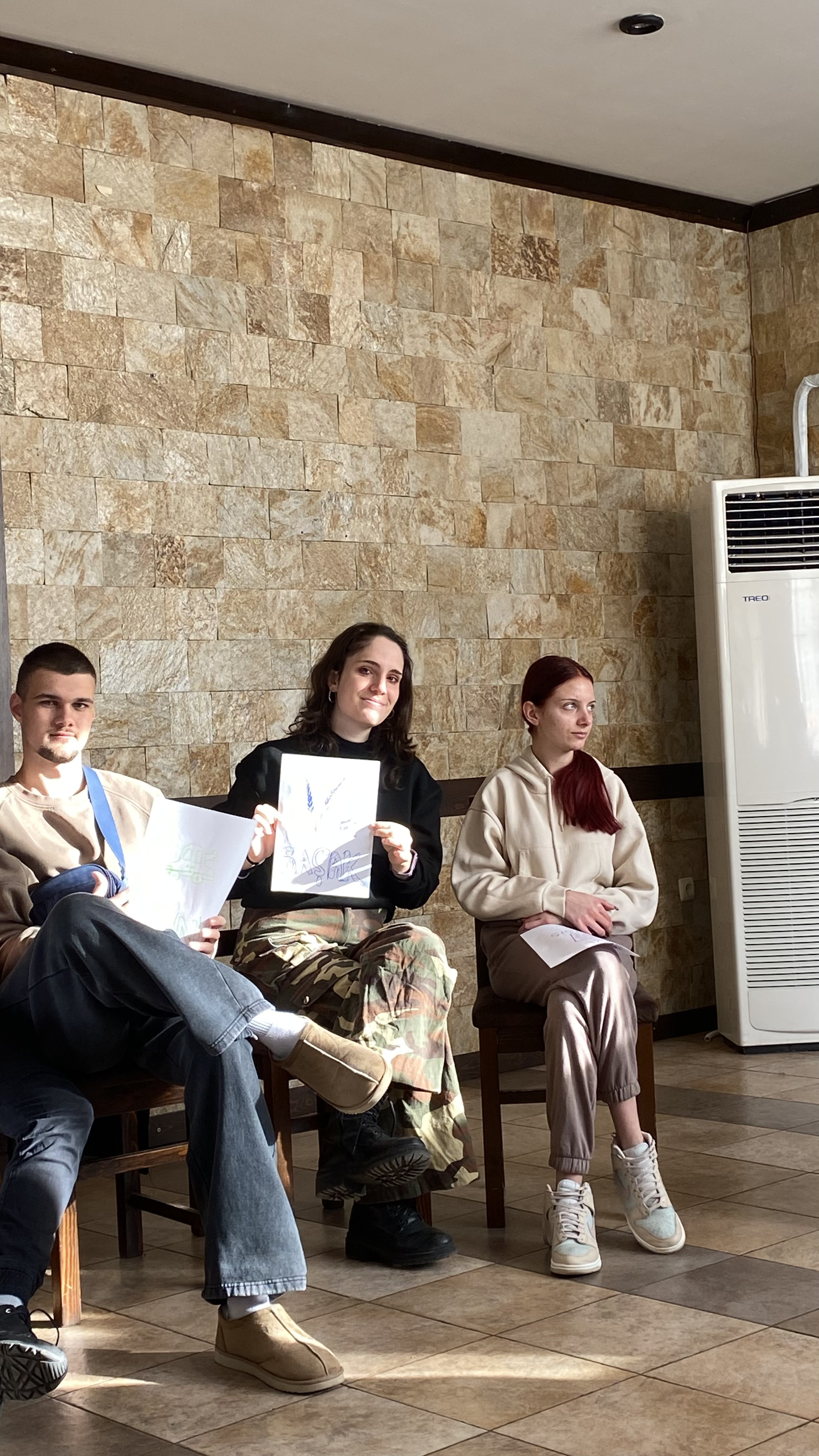
Then we tried to find eight papers hidden by our coordinator, each representing the goals of the project. The papers included topics such as multilingualism, personal and social skills, learning skills, citizenship, entrepreneurship and cultural awareness.
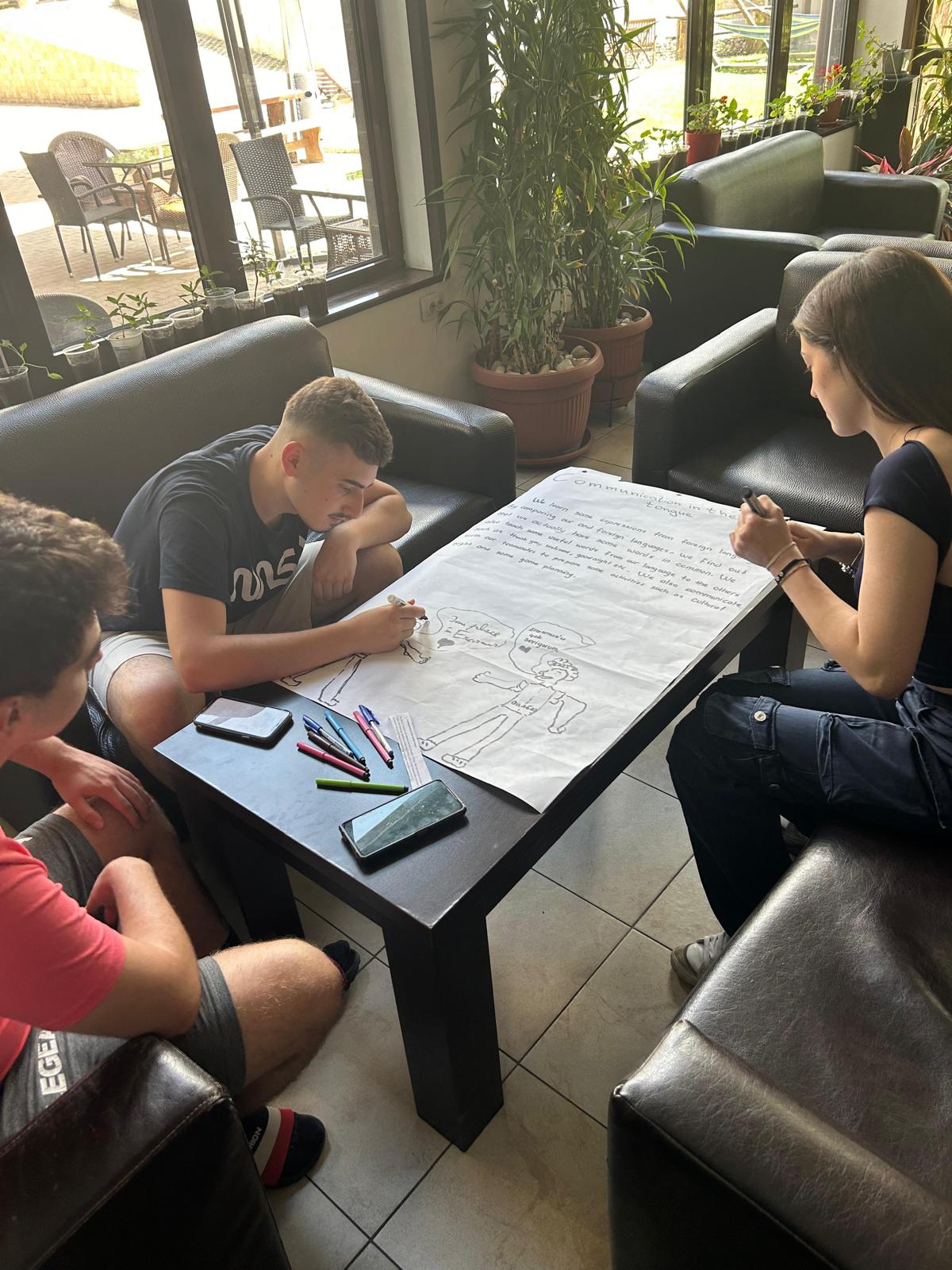
We tried saying hello and thank you in our own languages, pronouncing difficult words and expressing different meanings through body language. It was truly enjoyable to see people from different countries meeting at a common point within the same activity.
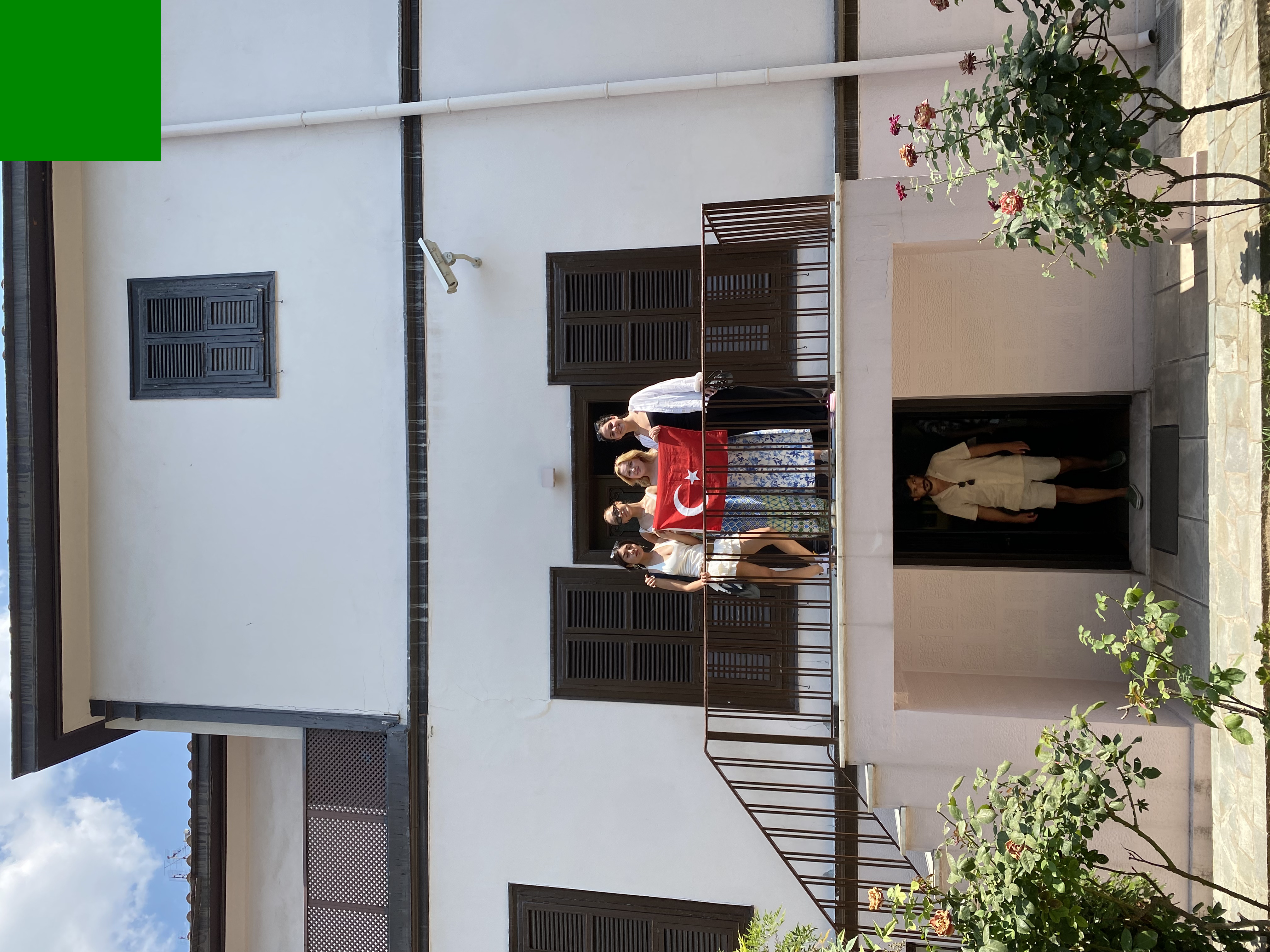
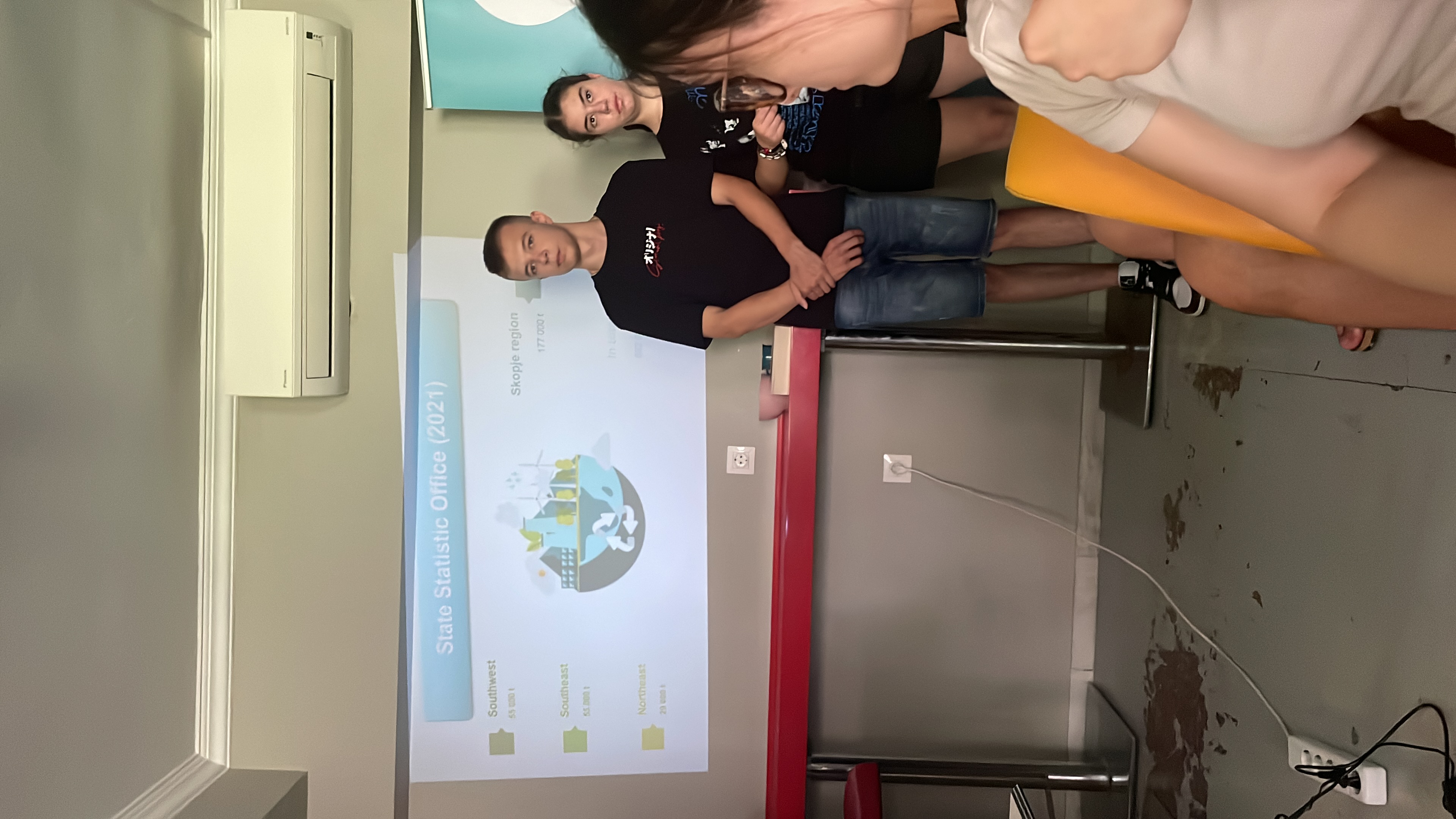
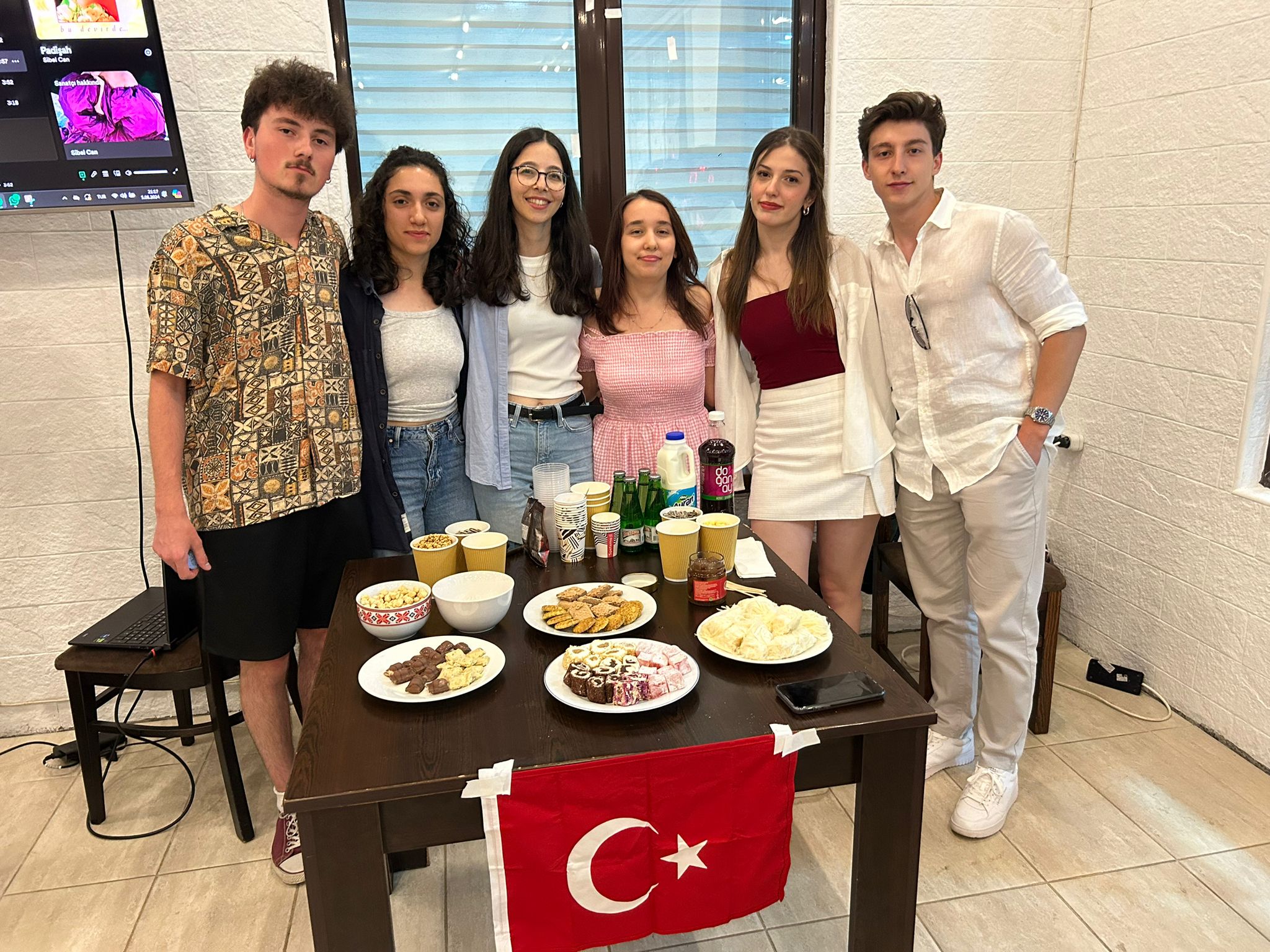
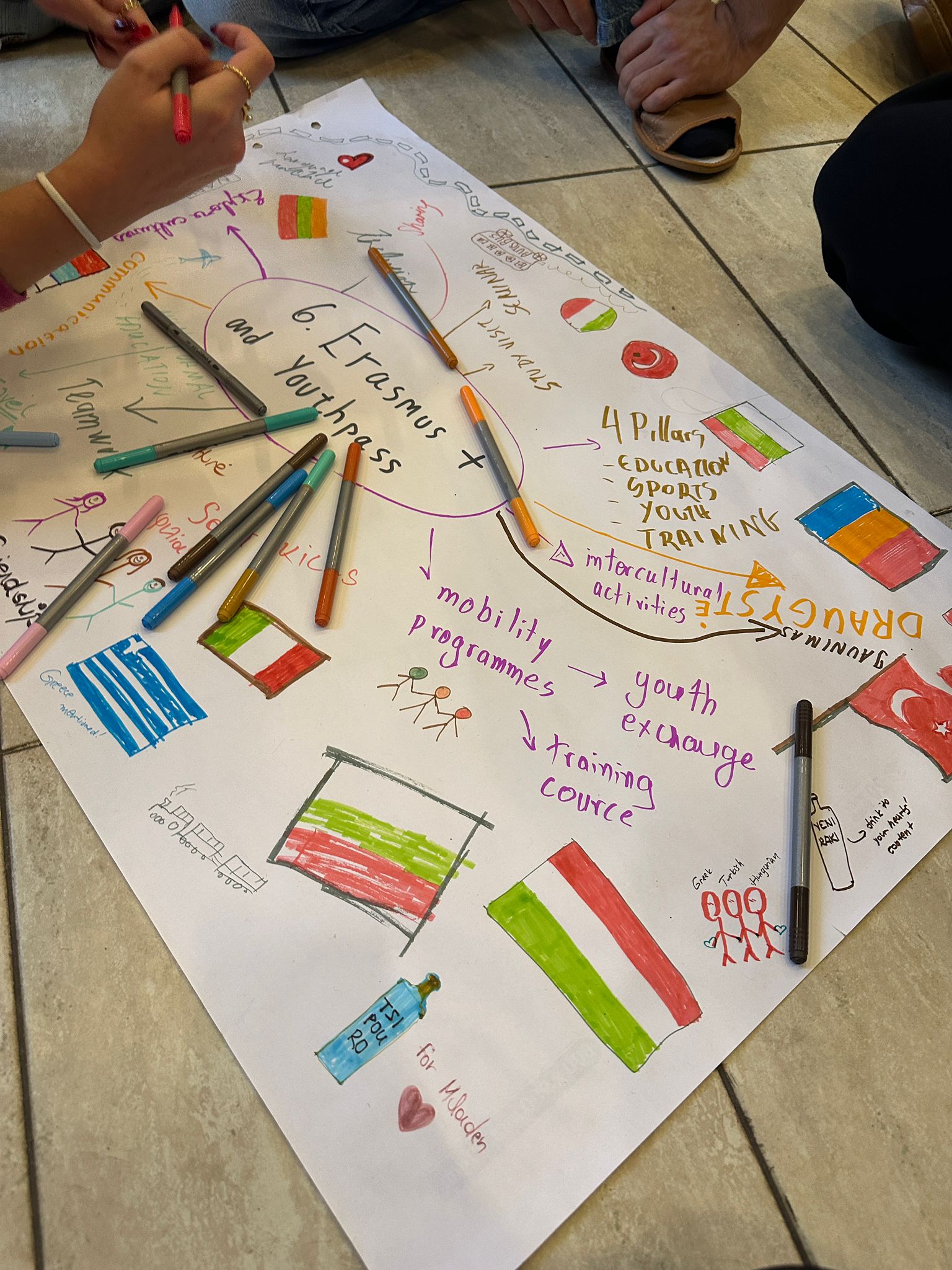
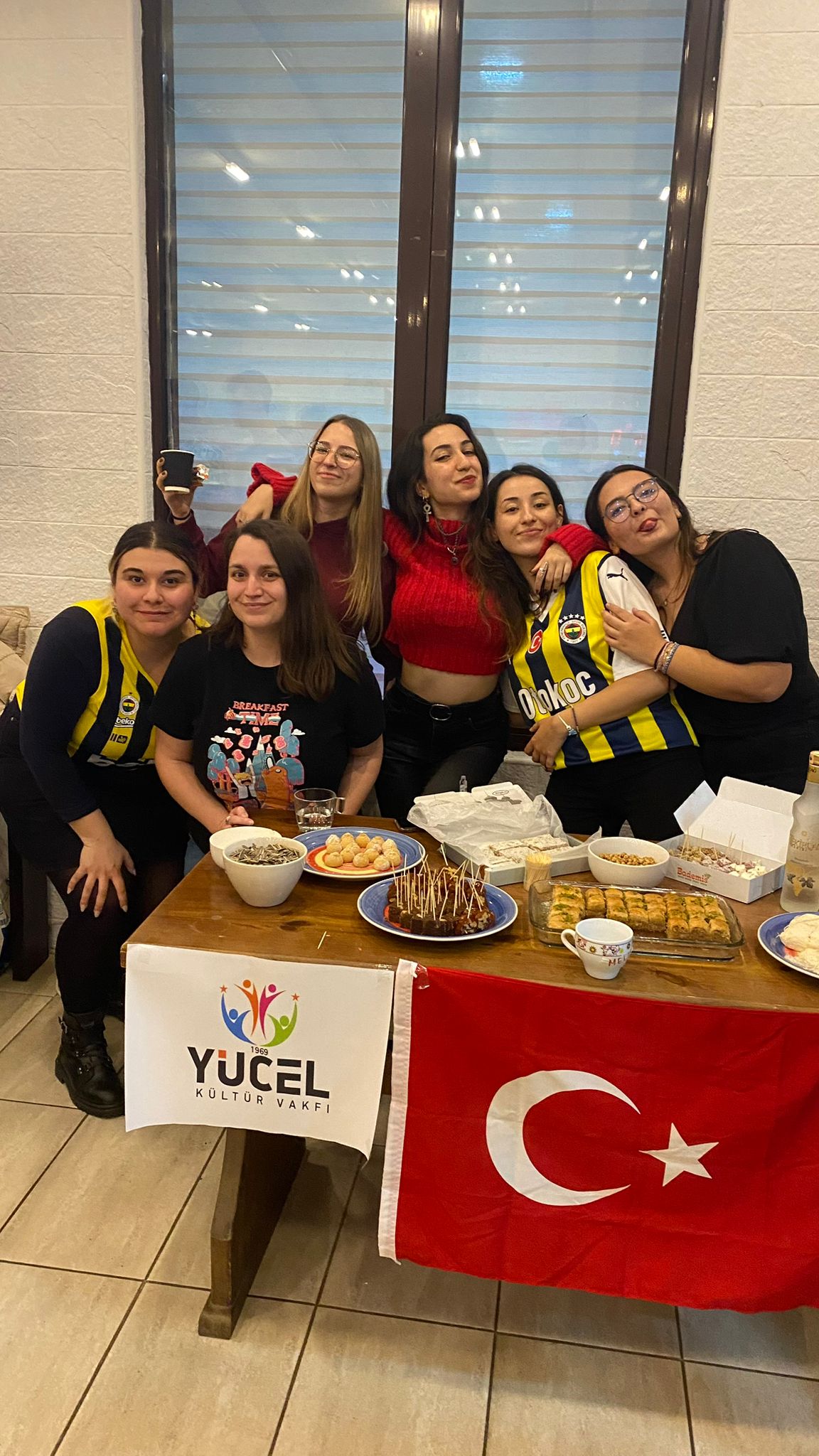
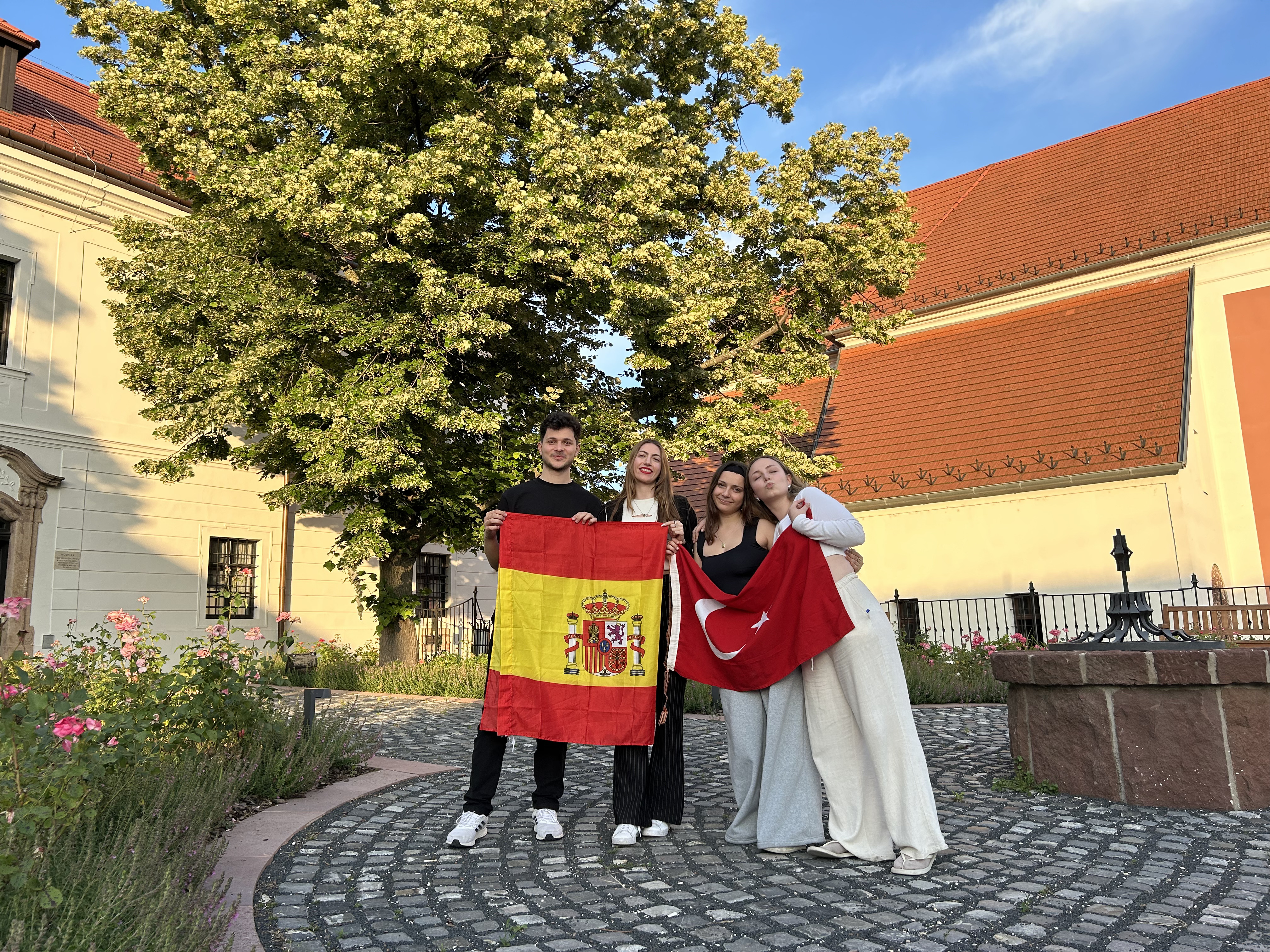
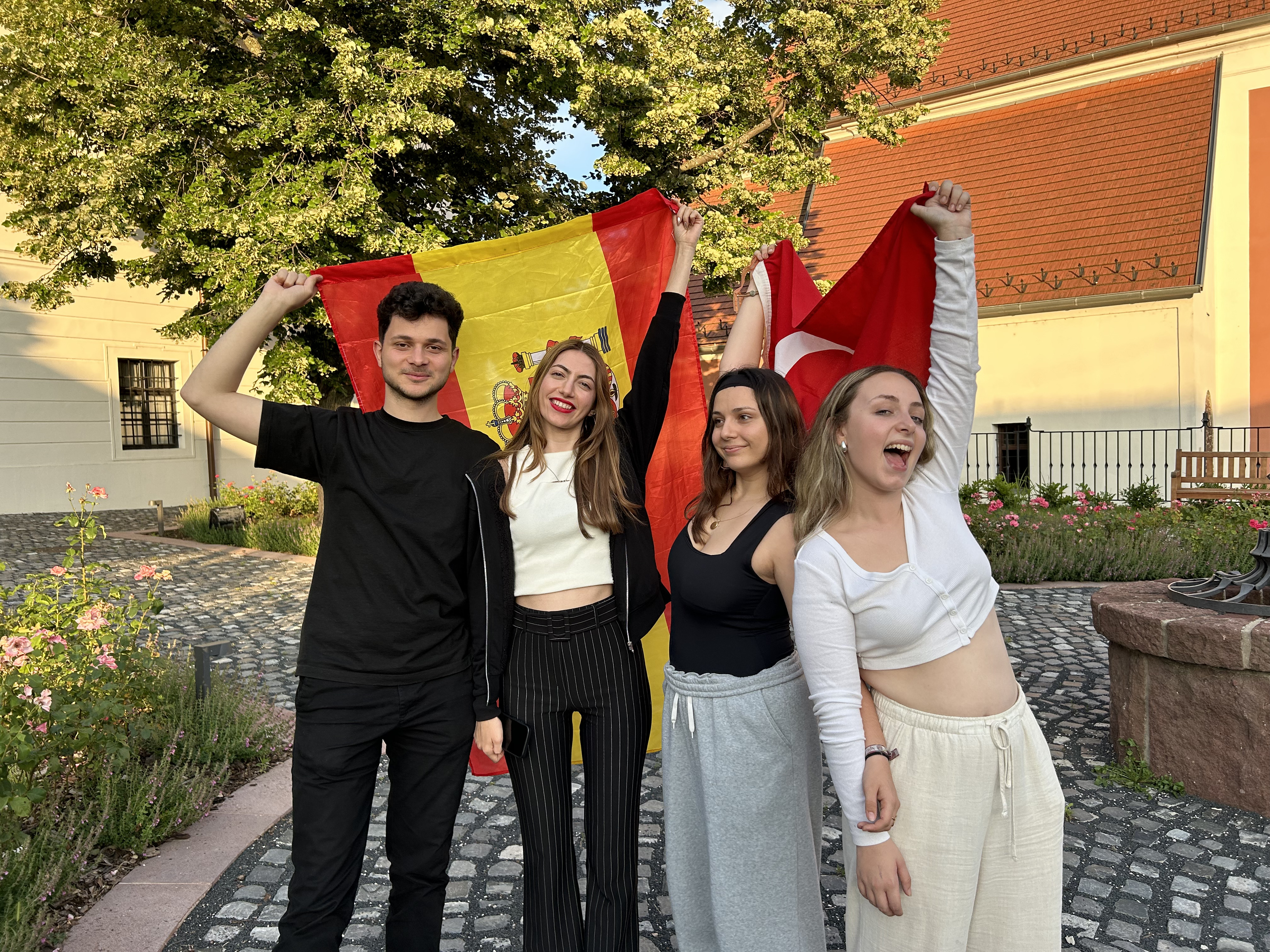
In the afternoon, we discussed sustainability topics in small groups. We talked about health and waste management systems in our countries. In the evening, Türkiye and Bulgaria Cultural Night was held. Together with our Turkish teammates, we introduced Türkiye, offered various snacks and prepared Turkish coffee.
Sustainability in the streets of Bansko
On the third day, we focused directly on the main topic of the project: sustainability. We divided into groups and carried out fieldwork in Bansko to examine the HoReCa sector more closely.
We interviewed local cafes and restaurants. We talked about sustainability practices, the challenges businesses face and alternative solutions.
I also shared ideas with my teammates about the questions we could ask, and together we turned the information we collected into a video. After editing our video, we presented our work to the other participants and to our coordinator.
In the afternoon, we prepared a poster on food waste. At the end of the day, we received feedback on our work. This day was especially important for me because I saw more clearly that sustainability is not only a theoretical topic, but something that directly appears in daily life and in the decisions of businesses.
Turning energy into theatre
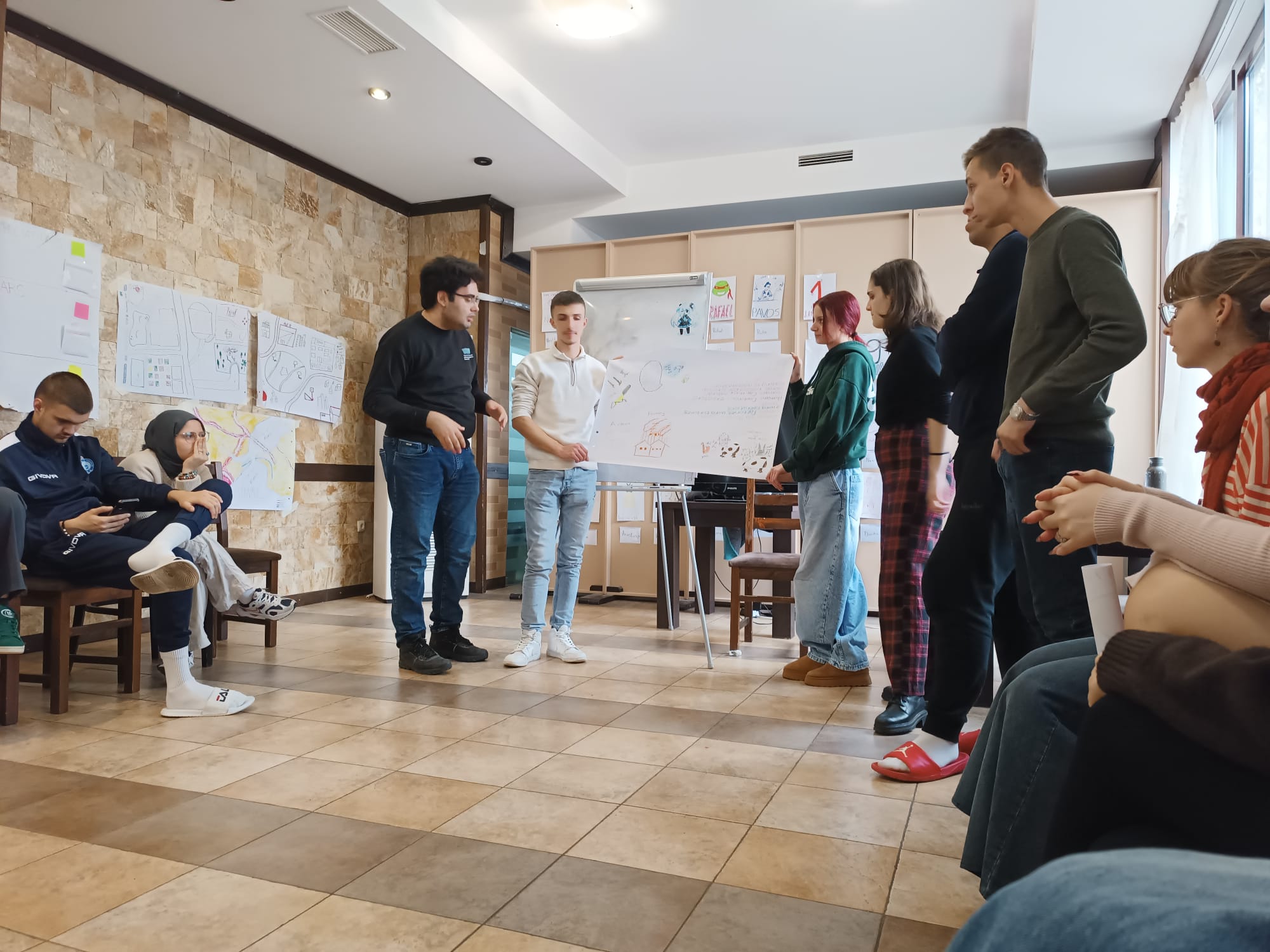
On the fourth day, we were divided into groups of five. Each group was given a sustainable energy source and a film genre. Our energy source was hydroelectric energy, and we had to prepare an entertaining theatre performance in a short time.
With our Hungarian friend turning into the character “Aquaman,” we created a very entertaining performance. Watching the other groups’ performances and guessing which energy source they were presenting was also very enjoyable.
Afterwards, we researched the advantages and disadvantages of our own energy source and prepared a poster. In the afternoon, we were asked to design new and functional products using waste materials. With my team, we made a phone holder and a rabbit-shaped pencil holder out of waste metal cans. Later, we tried to sell our products to the other participants as if they were customers.
Then we researched sustainability topics that interested us and collected our sources in a shared Word document. At the end of the day, we were all asked to write a letter to ourselves five years in the future. This became a special memory that allowed us to look back at ourselves during the project.
Green tourism under the snow
The fifth day again began with an energetic game. Then we divided into groups and were asked to prepare a video of at least two minutes about green tourism.
With our group of three, we quickly created a scenario. Although it was snowing heavily outside, we completed our filming. Afterwards, we received feedback from our coordinator about our video and completed our edits in the afternoon.
Using the sustainability topics we had researched in previous days, we prepared stickers and QR codes on Canva. We also added slogans from our research to our designs.
Discovering Bansko
The sixth day was our free day. I had the chance to discover Bansko more closely with one of my project friends. We experienced the atmosphere of the city and ate at a local restaurant.
In the evening, Hungary and Serbia Cultural Night was held. We tasted food from different countries, listened to music and joined cultural dances.
Although it was a free day, we continued to get to know one another better thanks to the time we spent with our project friends. This once again showed me that an Erasmus+ experience is not limited to workshop hours.
Final touches
As the project was coming to an end, it was time to bring together the work we had done. Our coordinator asked us to complete the missing parts and finalize the project outputs.
We worked together to edit the content we had prepared and completed our presentations. In the evening, we held a fun voting activity within the group. This “most” activity made all of us laugh after the intense days of the project and became a beautiful closing event.
Presentations, goodbyes and new beginnings
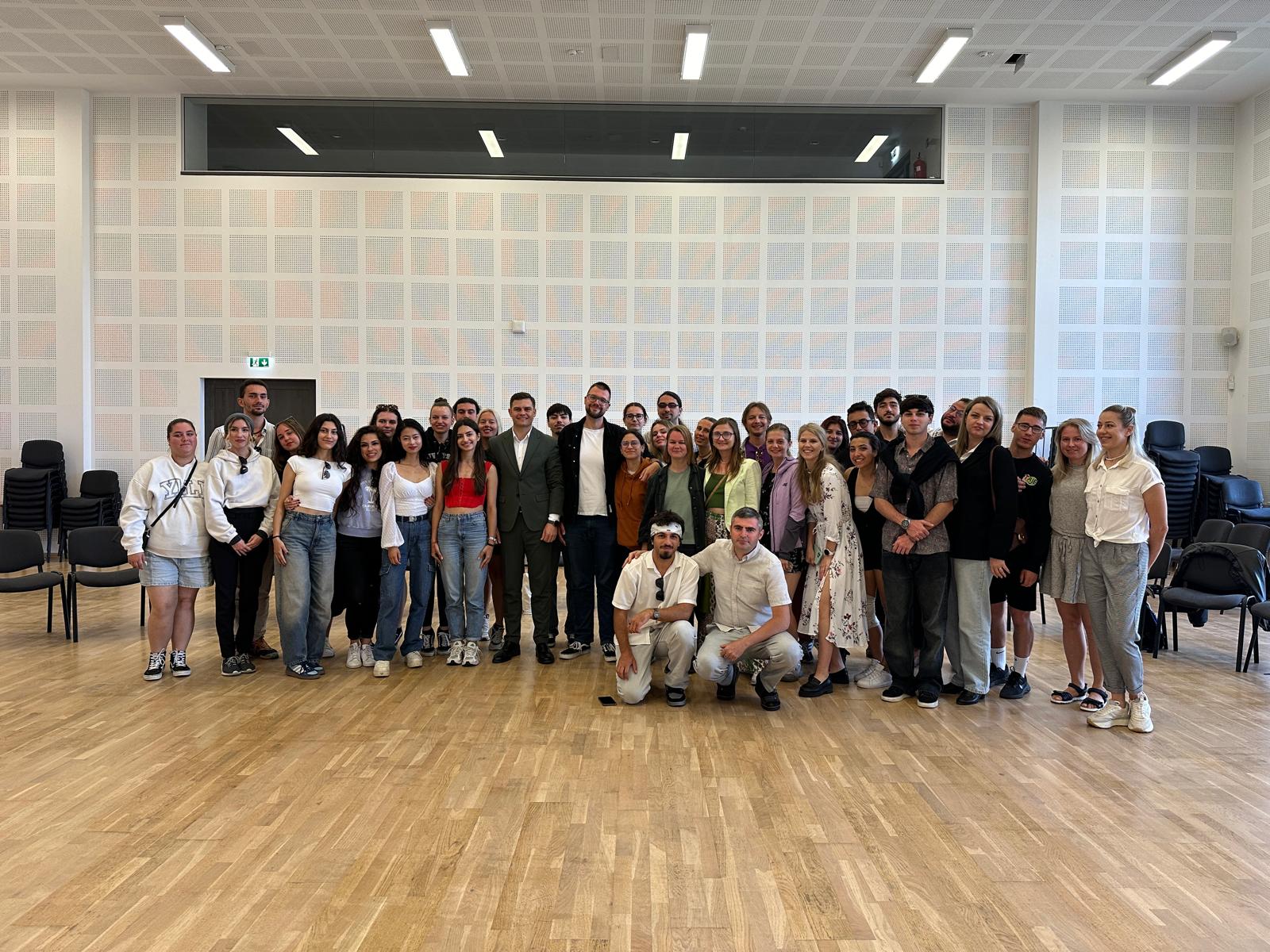
Then the final day of the project arrived. We presented the research outputs we had prepared to the other participants and project coordinators. Erasmus+ coordinators also gave a presentation on awareness.
The procedures related to travel reimbursements were completed, and then the result of one of the activities I was most curious about, the secret friend activity, was revealed. My secret friend had prepared beautiful gifts for me. In addition, receiving meaningful and kind notes about my personality and behavior from people I did not expect was a very special moment for me.
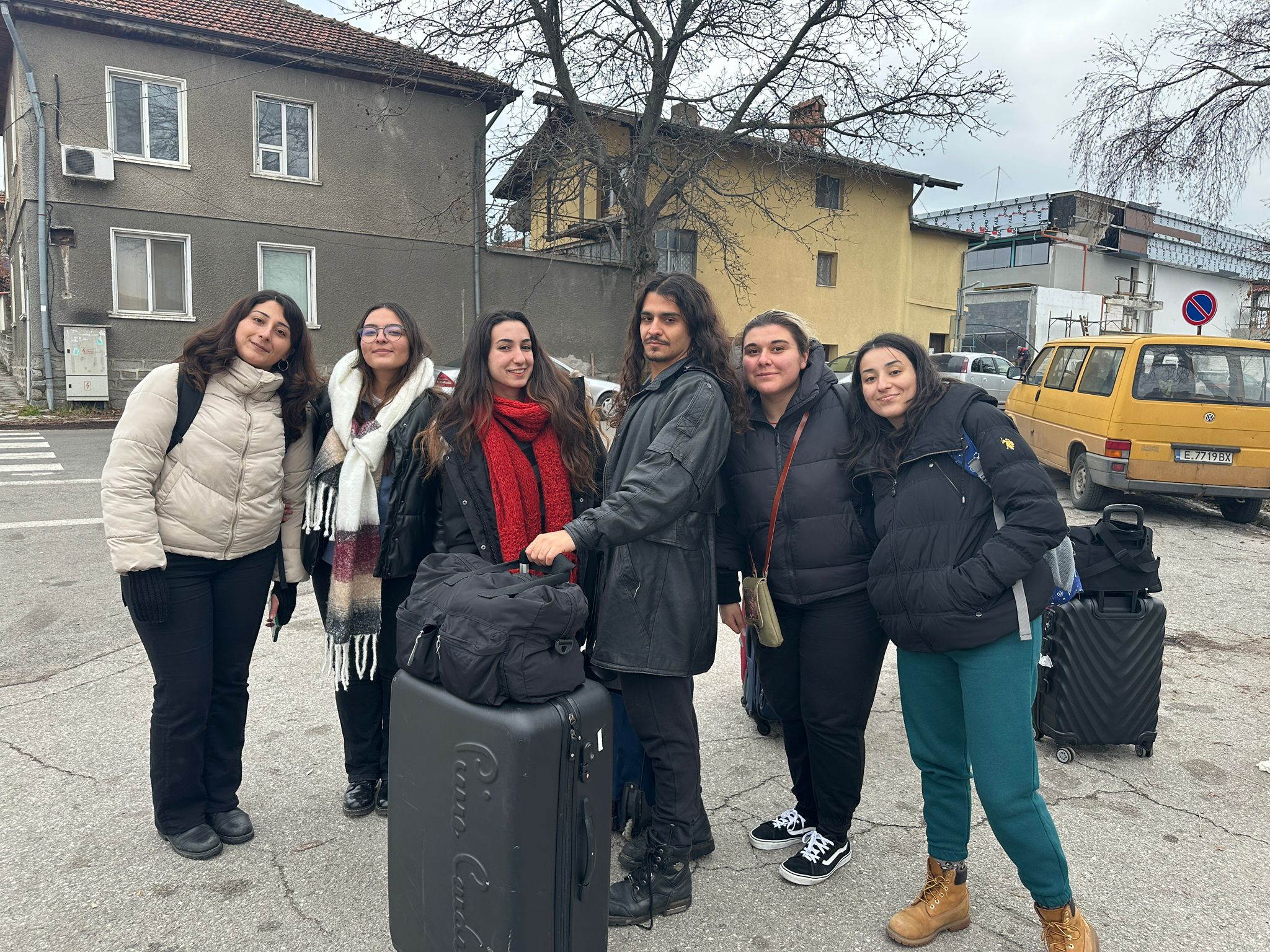
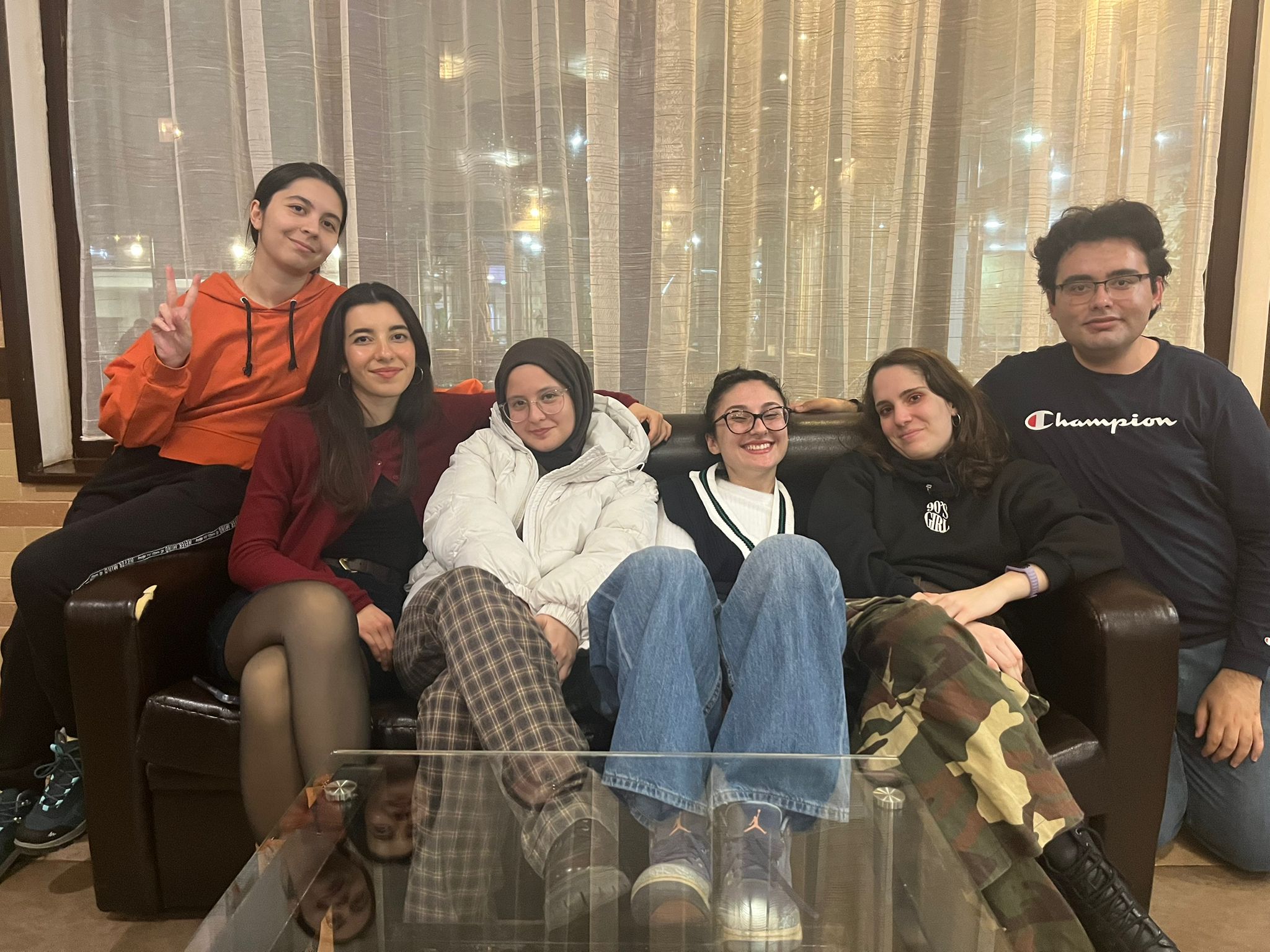
While we were carrying out our final activities, I realized how much I had become used to my project friends and to this environment. Eight days earlier, we did not know each other at all; now, while saying goodbye, there were new friendships, shared memories and the possibility of meeting again in the future.
What did I bring back from Bansko?
Quiet Quest gave me much more than new knowledge about sustainability. I experienced communicating with people from different cultures, producing ideas within a team, conducting research, developing creative solutions and expressing my thoughts through different methods.
Sometimes I learned while interviewing a restaurant employee, sometimes while designing a phone holder from a waste metal can, and sometimes while dancing with friends from different countries.
Thanks to this project, I once again saw that an Erasmus+ experience is not only about going to another country. It is about meeting new people, understanding different cultures, creating together and learning something from others while leaving a part of yourself behind.
When I left Bansko, I had not only photos and gifts with me, but also new friendships, different perspectives and new projects I wanted to carry out in the future.
Quiet Quest Erasmus+ Project Participant Yücel Cultural Foundation Youth Page Erasmus+ Experience Stories