Inside a Circle: Rediscovering Myself and Others with Mind Matters
I joined Mind Matters with the excitement of taking part in my first Erasmus+ project. When I arrived in Malacky, I realized that this was not only a theoretical training on psychology and mental health, but a learning space where we listened to one another, shared experiences, discovered different cultures and thought together.
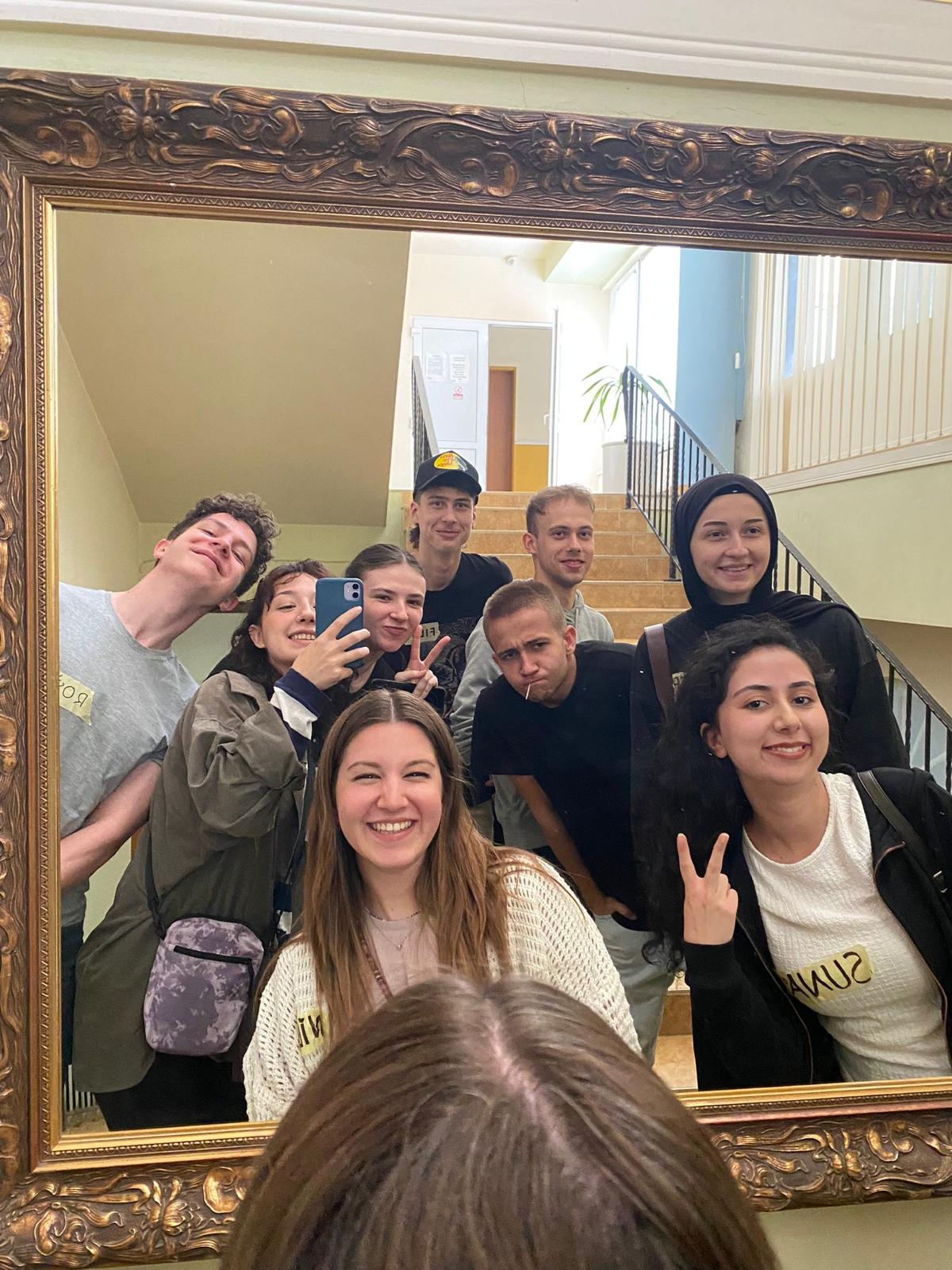
I set off with the excitement of joining an Erasmus+ project for the first time. Before going, when I saw the title Mind Matters, I thought the project would be more like a training with theoretical information on psychology and mental health. I even tried to improve my English vocabulary related to psychology before leaving.
But when I arrived in Malacky, I realized that the project would offer me something completely different. This was not a training where we simply sat in a classroom and listened to information. It created a space where we listened to one another, shared experiences, got to know different cultures and thought together.
My first Erasmus+ experience
I had never taken part in an Erasmus+ project before. That is why, in the first days, everything around me felt new. People from different countries meeting in the same place, staying in the same rooms, eating together, playing games and spending days together felt very different to me.
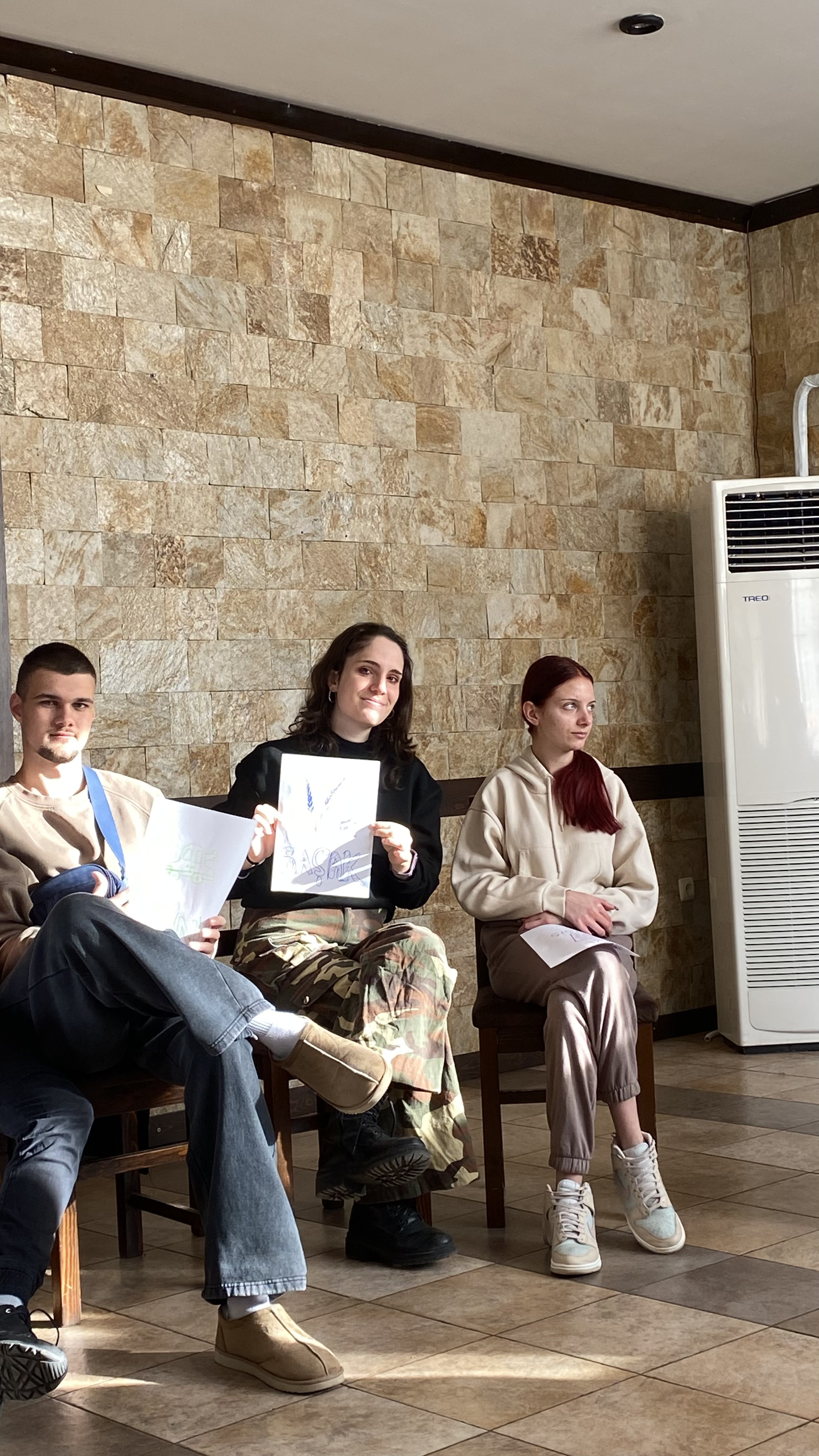
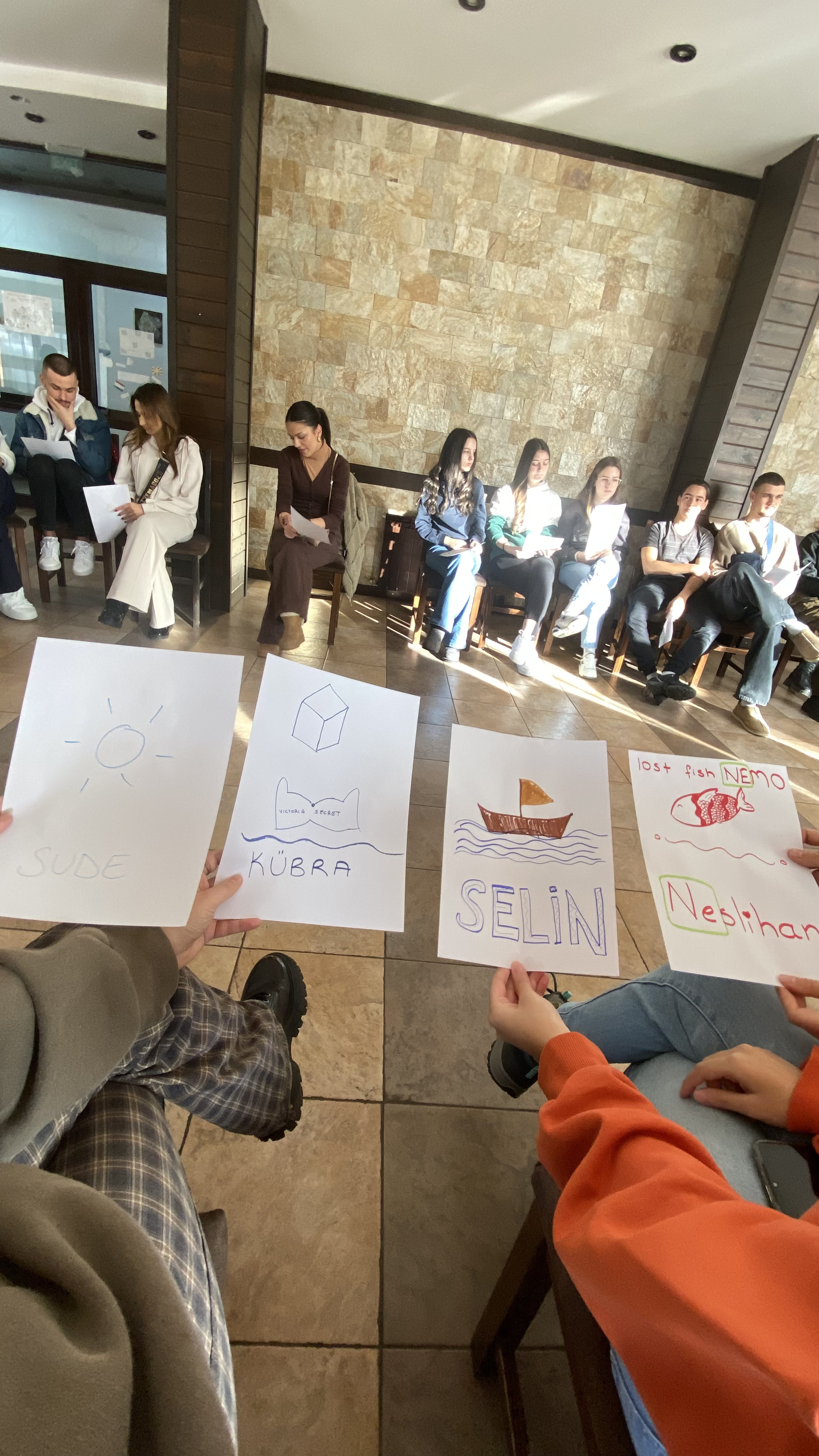
On the second day, we began with games designed to help us get to know one another. One activity we did in pairs was especially meaningful for me. For five minutes, we listened to the person in front of us and then introduced that person to the whole group.
It was interesting to see how much you can really learn about a person in five minutes. The purpose of the activity was not only to meet each other. It also made us think about listening.
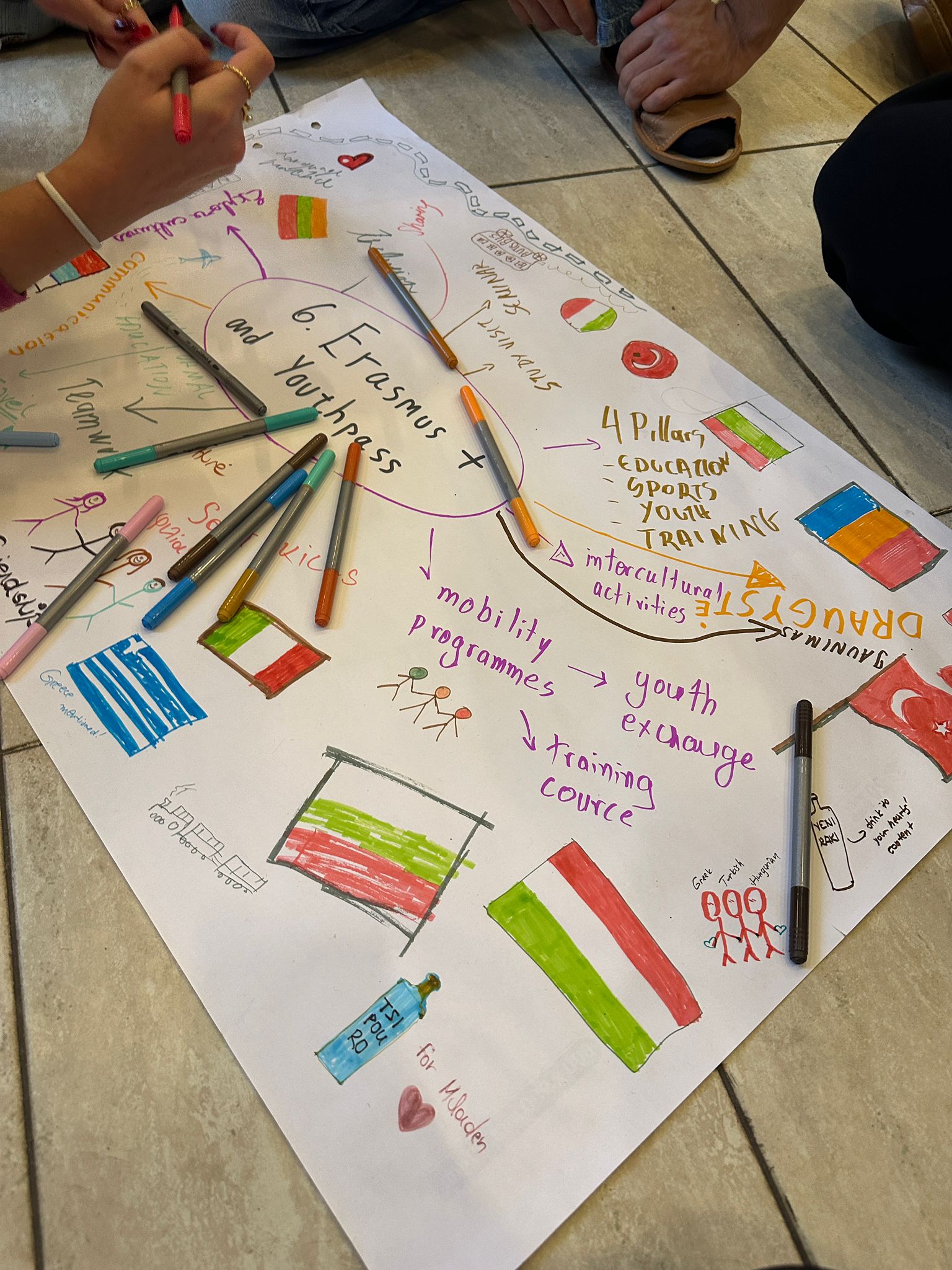
“Bora Bora” and a common language
Among the rules we created in the first days, one detail was especially meaningful for me: “Bora Bora.” Putting aside the differences that came from our national identities and caring about everyone understanding one another summarized the spirit of the project very well.
Everyone’s native language was different, but we had a common language: English. For me, this was especially important. Since I spoke very little Turkish throughout the project, I started expressing my feelings and thoughts in English much more often.
While I used to think it was much easier to express a feeling in Turkish, over time I realized that I could also express myself in English. I also had the chance to use Serbian, my second foreign language, with one of the participants.
From knowing ourselves to understanding others
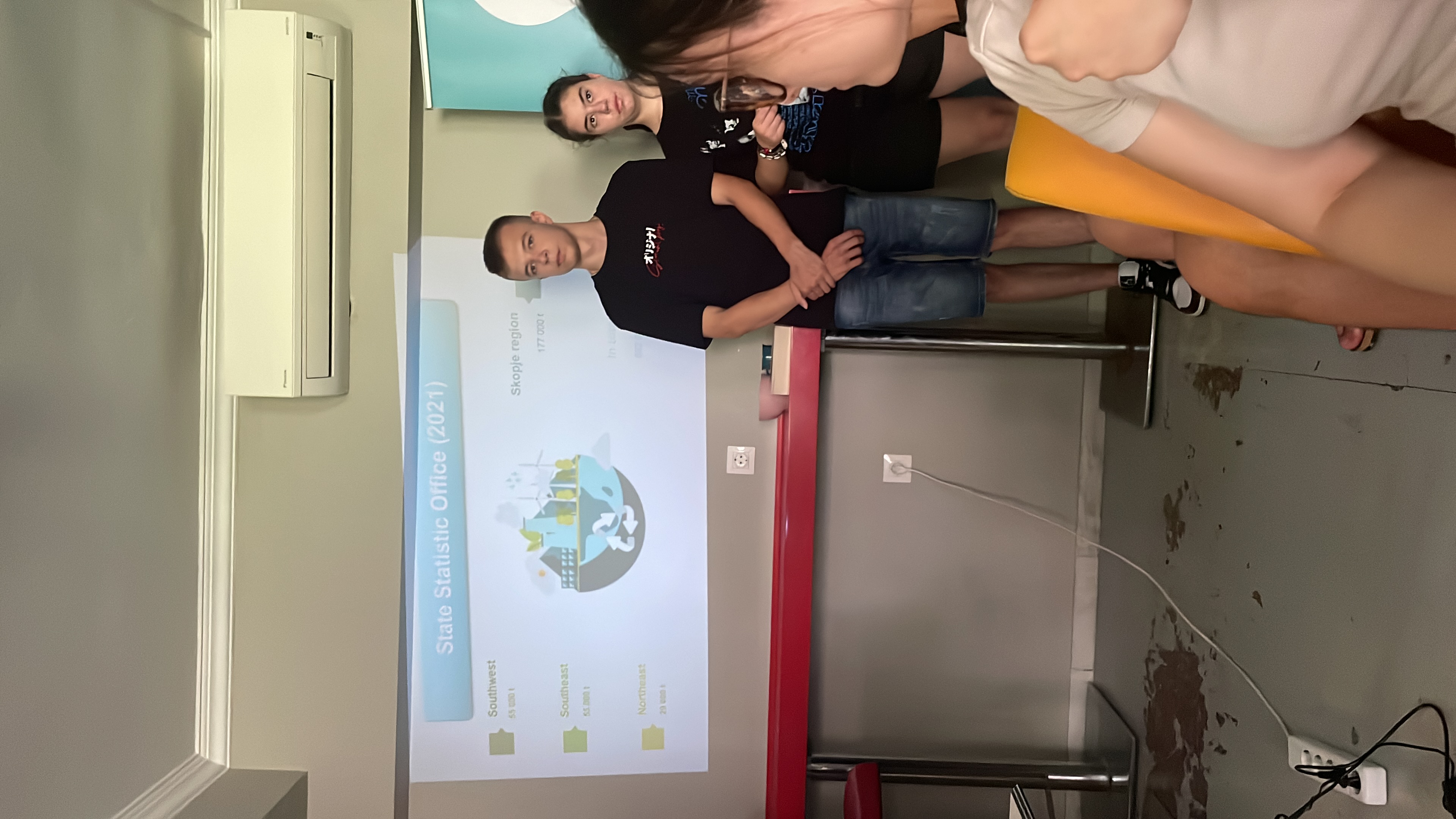
One of the sessions that gave me the most information was the session we had with a psychologist later in the project. Talking about mental health, listening to different people’s experiences and sharing our own thoughts was very valuable.
In the following days, we also had group activities focused on emotions. The topics we discussed in small groups were sometimes quite deep. I think the most important part of these activities was that they created a space where people could express themselves.
A calm day in the park
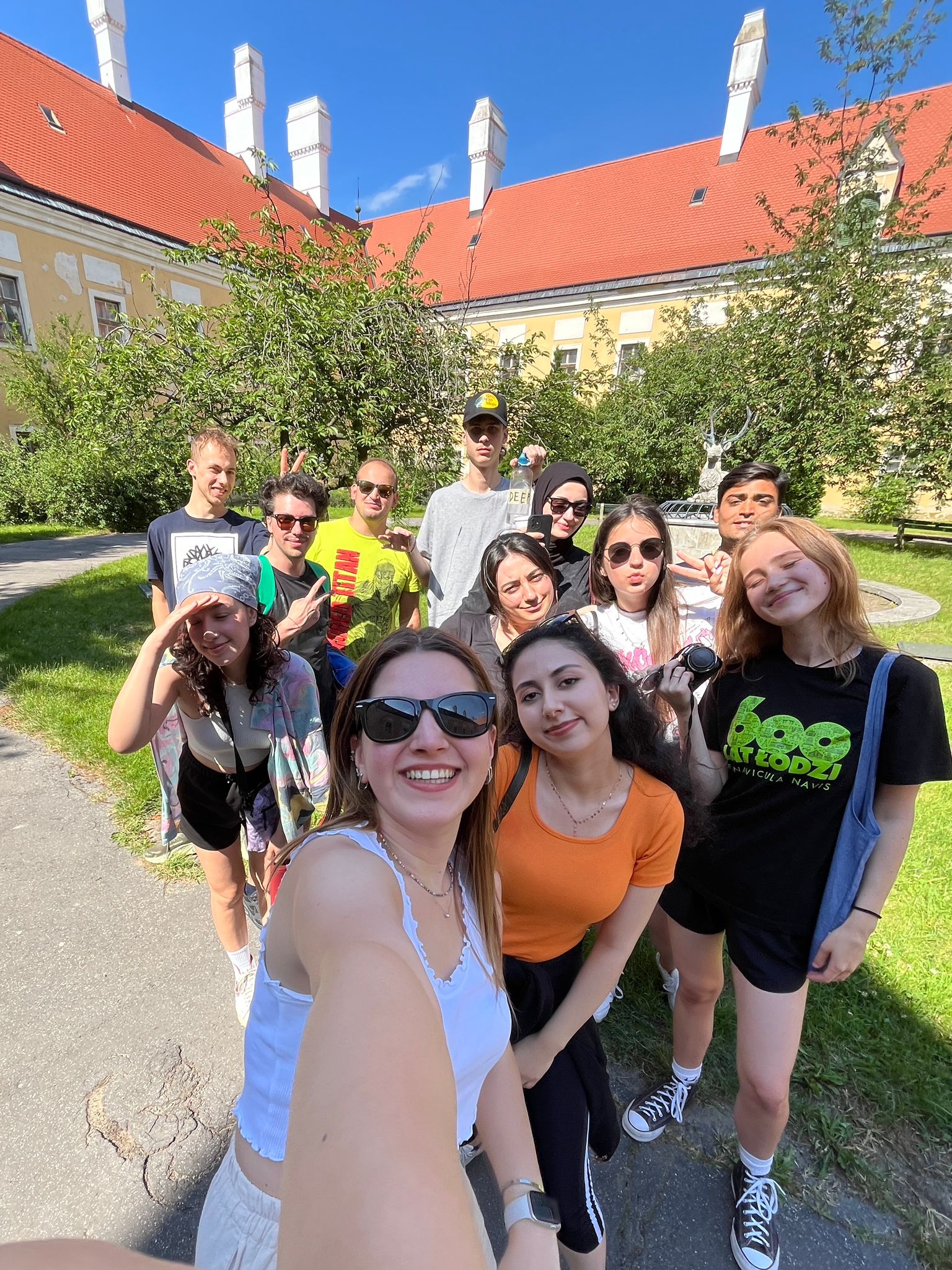
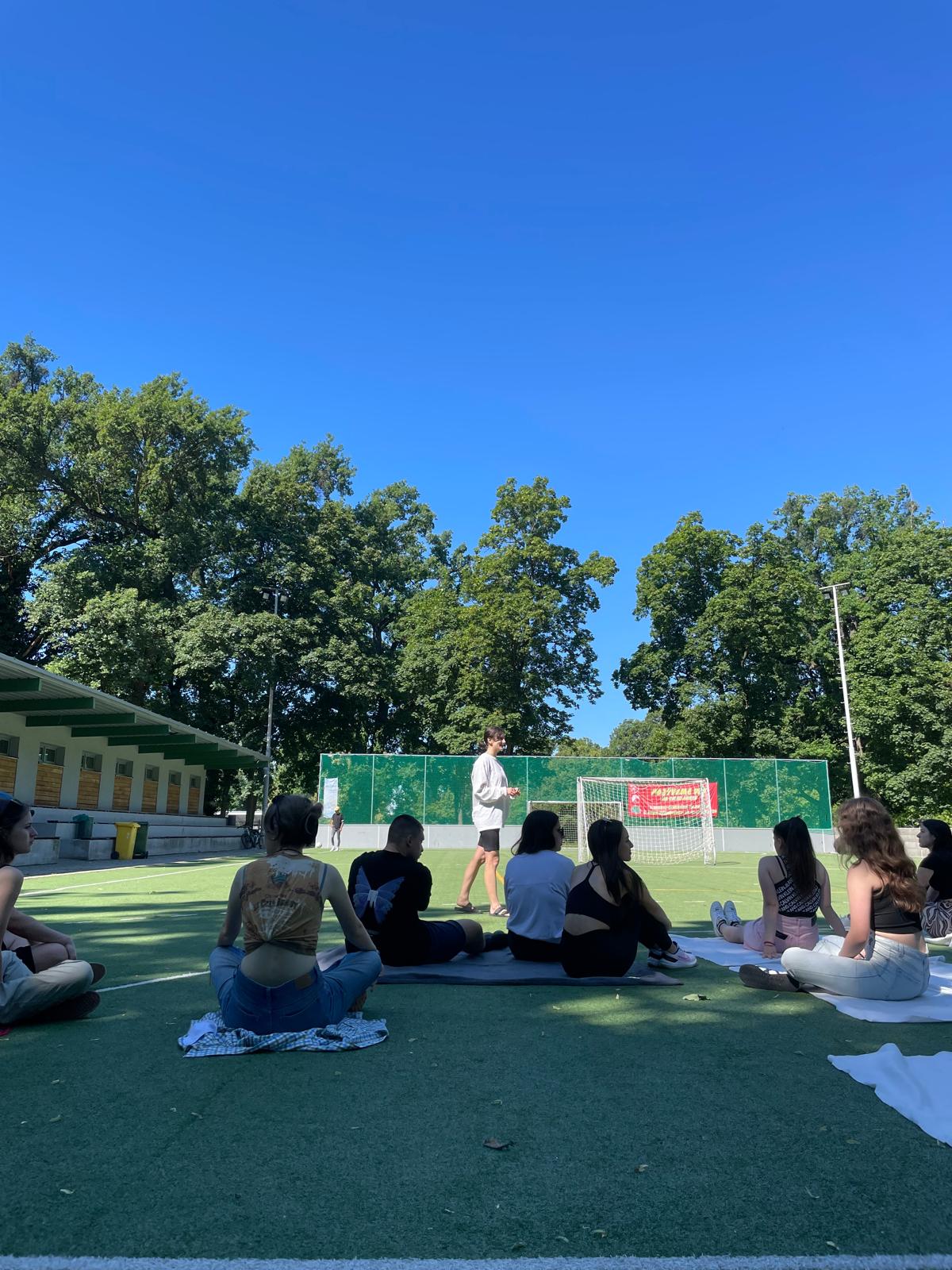
One of my favorite moments of the project was the day we went for a walk in Malacky’s park. From the outside, it might look like a very ordinary activity. But after intense conversations and group work throughout the day, walking in nature, talking with friends and slowing down felt very good.
It was nice to experience that nature also has an important place in a project on mental health. I realized that sometimes we do not need very complicated methods to feel better. Walking in a park, talking with friends and taking a breath can change your mind.
Seeing ourselves through theatre
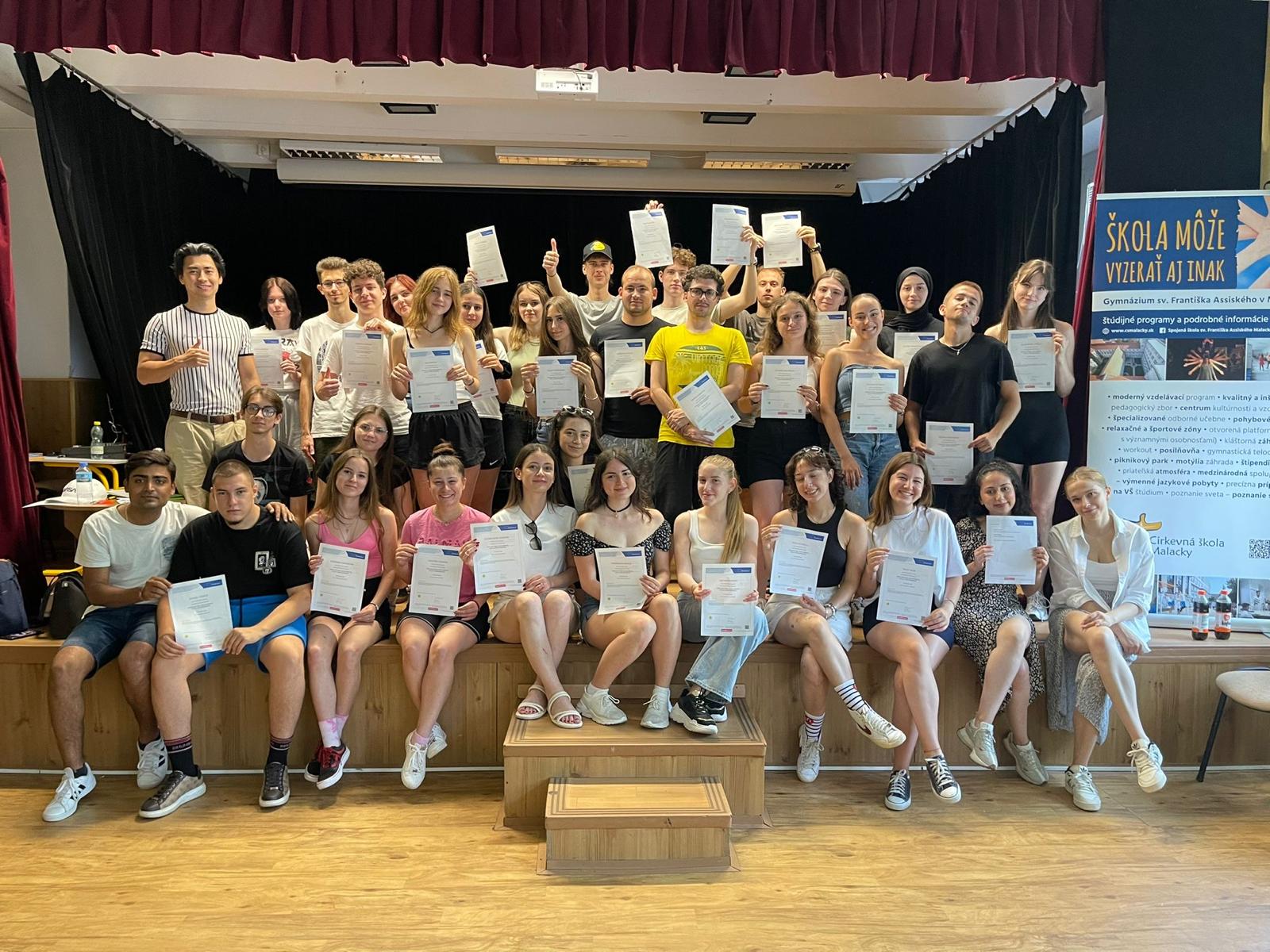
One of the most enjoyable activities of the project was preparing a theatre performance based on a given scenario and instructions. We worked in groups, divided responsibilities and tried to create a performance in a short time.
Having a theatre stage inside the school made the activity even better. For me, the process was more important than the result. When preparing a theatre piece, you need everyone’s ideas. One person’s idea combines with another person’s acting and someone else’s creativity. In the end, the result is not one person’s work, but the shared effort of the group.
Free day: a new city on the map
The sixth day of the project was the free day. Participants were divided into two groups, Bratislava and Brno. Since I had already seen Bratislava before, I joined the Brno group. The day we spent together as eight people became one of my favorite memories of the project.
It is wonderful that an Erasmus+ project gives you the chance to discover not only the city where you stay, but also nearby places. But for me, what mattered more than Brno itself was the people I spent that day with. We walked around the city, talked and spent time together.
The heart of the project: Mental Health Support Group
The most meaningful activity of Mind Matters for me was the Mental Health Support Group. Beforehand, we filled out a form and selected the topics that matched the issues we struggle with in daily life. Then, people with similar experiences were divided into small groups.
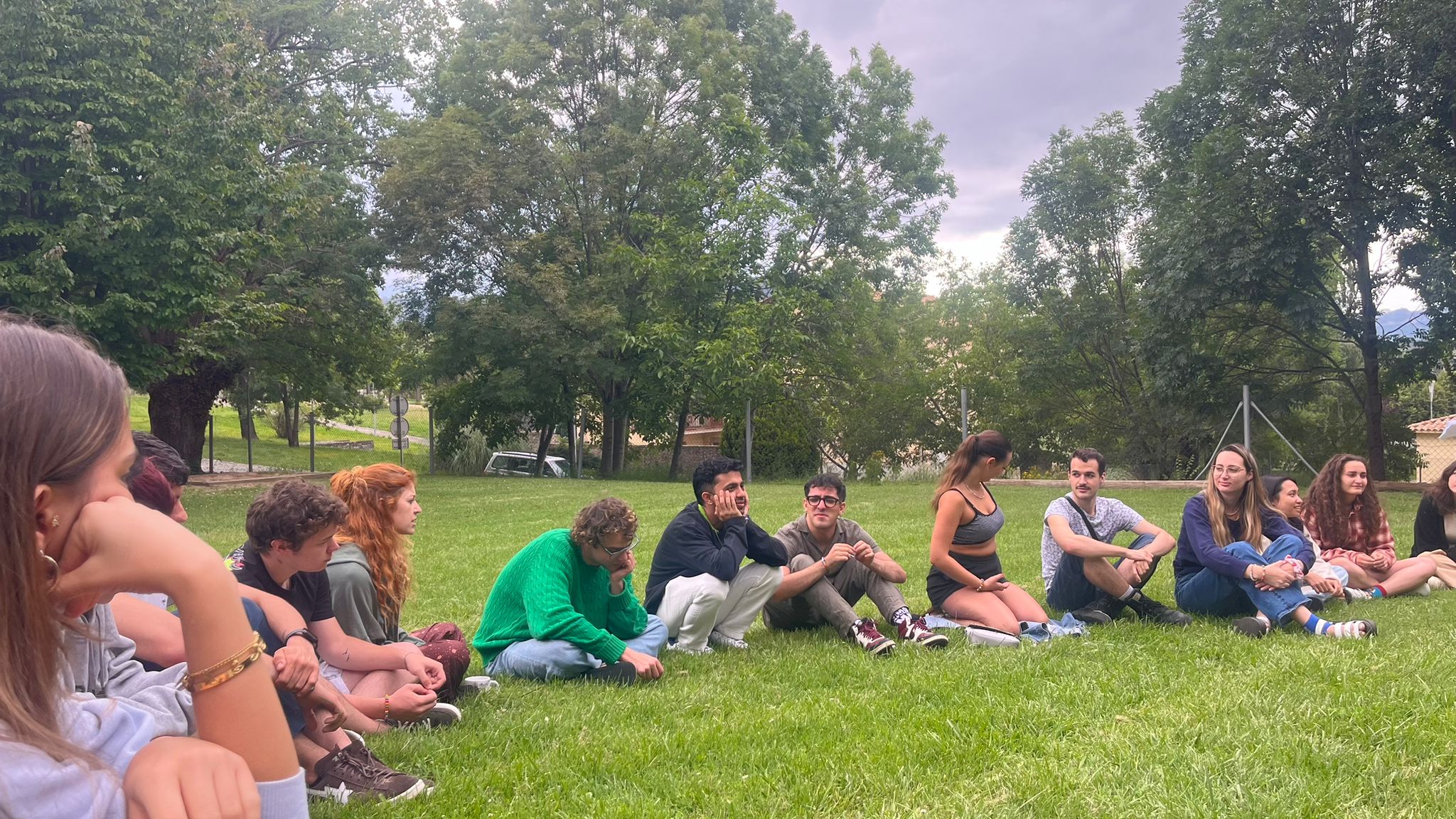
The topic of each group was not announced beforehand. This was important for protecting privacy. We formed a small circle. Around seven people tried to talk as openly as possible, without judging one another.
As the conversation continued, I realized something important: sometimes our greatest support can actually be ourselves. At the same time, the presence of people who truly understand us is also very valuable. The trust that what was said in that circle would stay there helped people express themselves more comfortably.
Not everything was perfect
When describing an Erasmus+ experience, it is easy to talk only about the beautiful moments. But for me, a real participant experience also means being able to mention the points that could be improved.
I thought that some energizer activities caused eliminated participants to wait on the side for too long instead of raising the group’s energy. I also believe that the yoga and journaling activities could have been designed differently. These points did not make the overall experience negative. In fact, noticing such things is also part of an Erasmus+ project.
A changing perspective between cultures
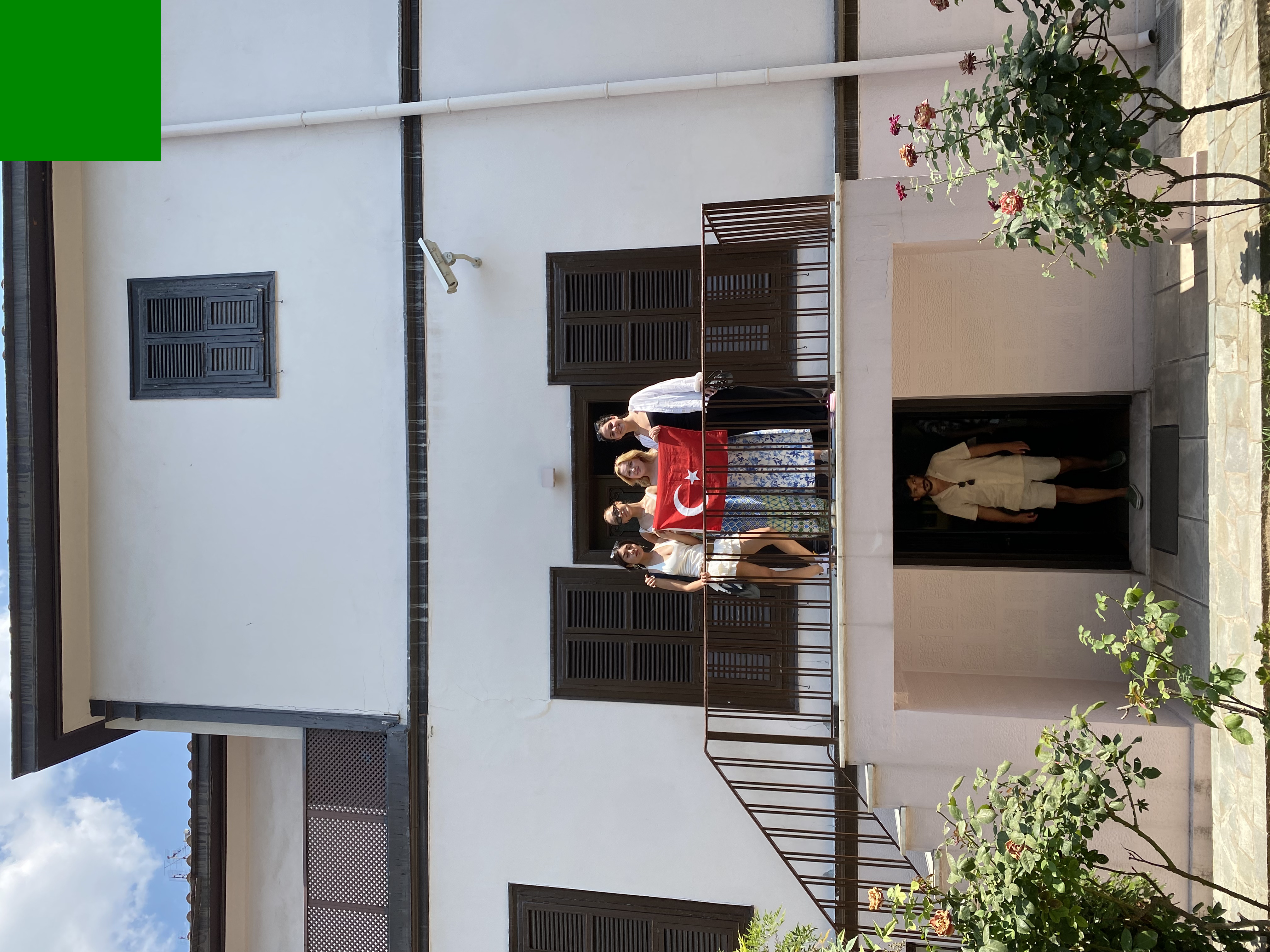
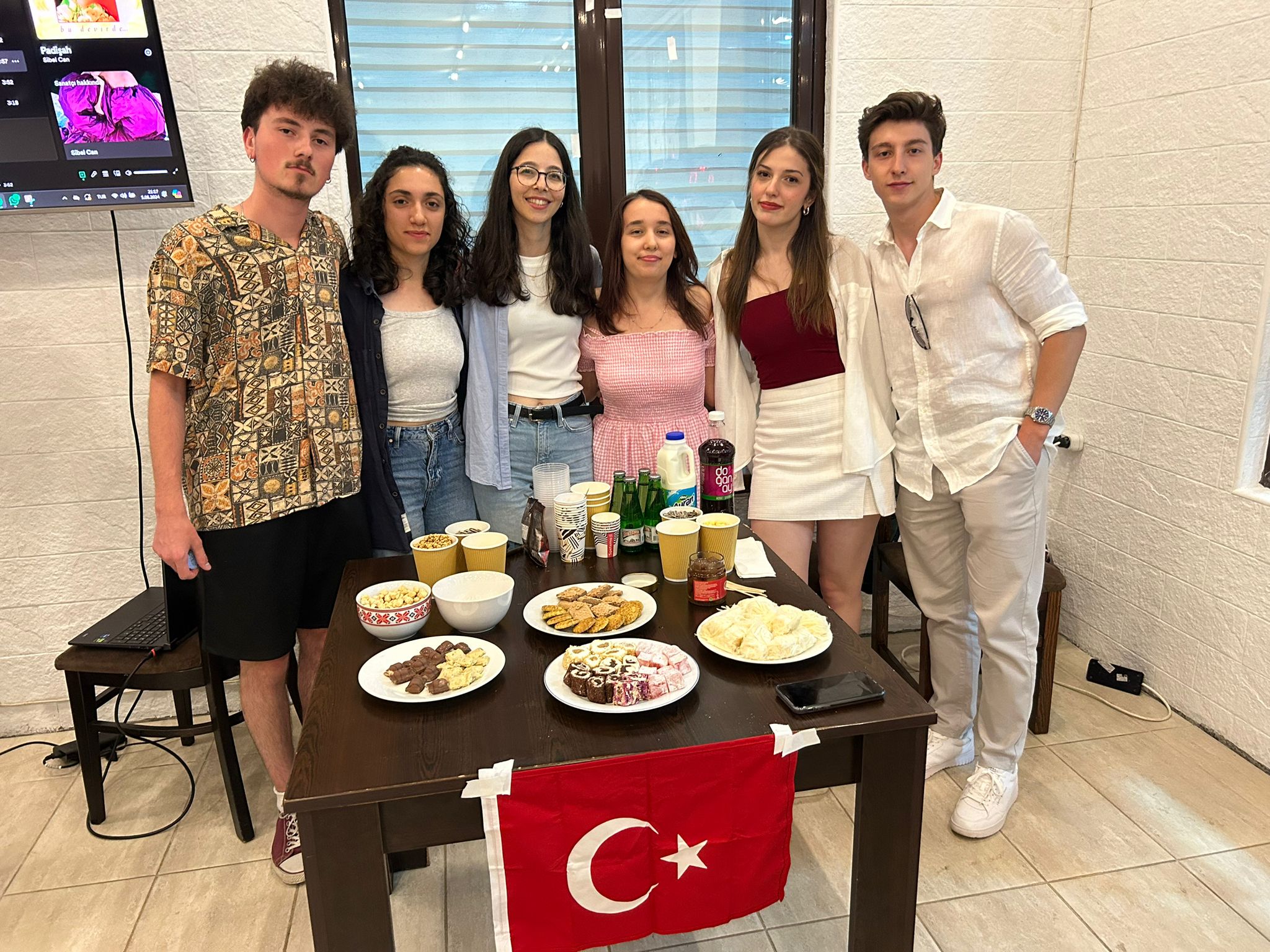
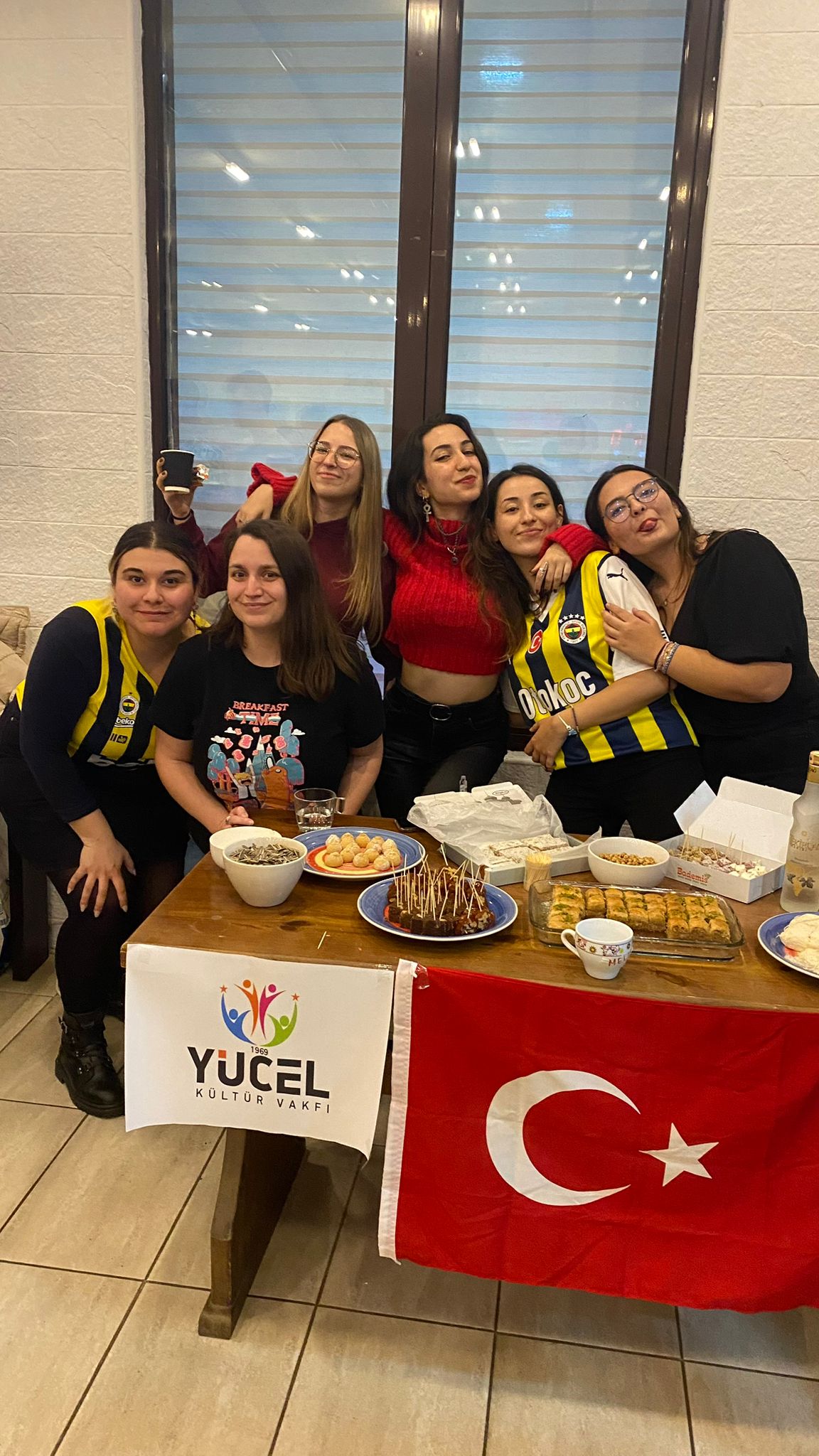
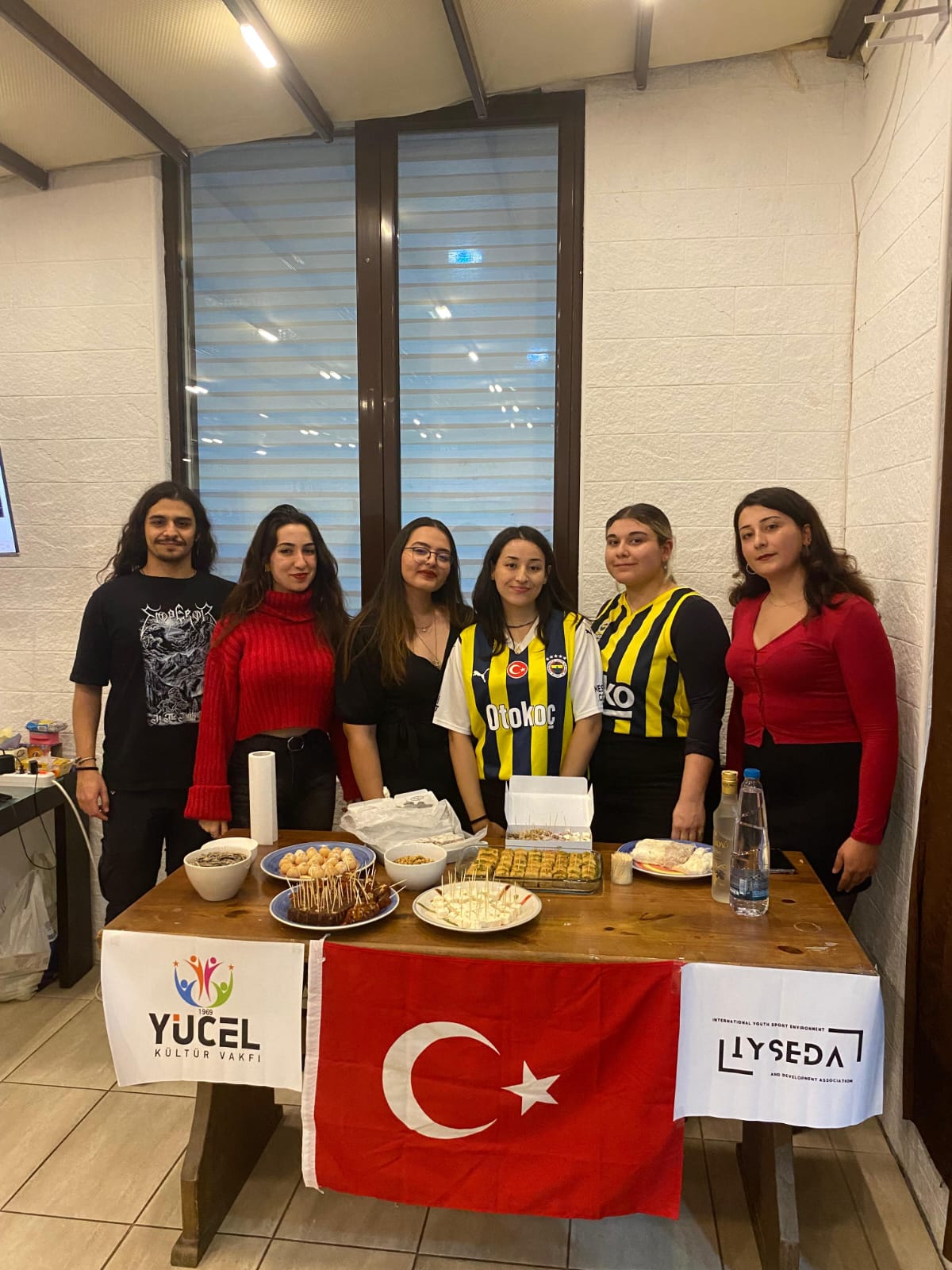
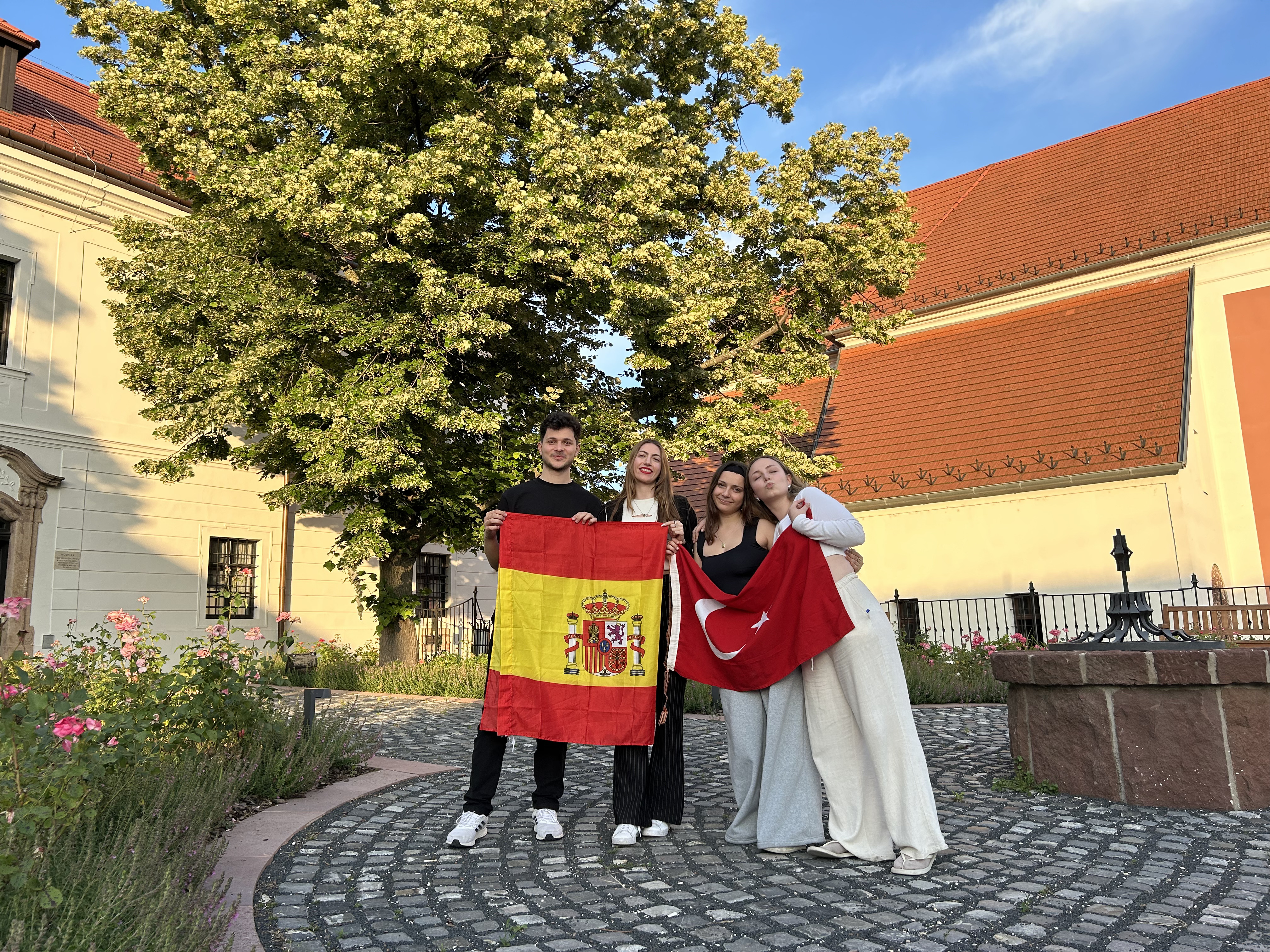
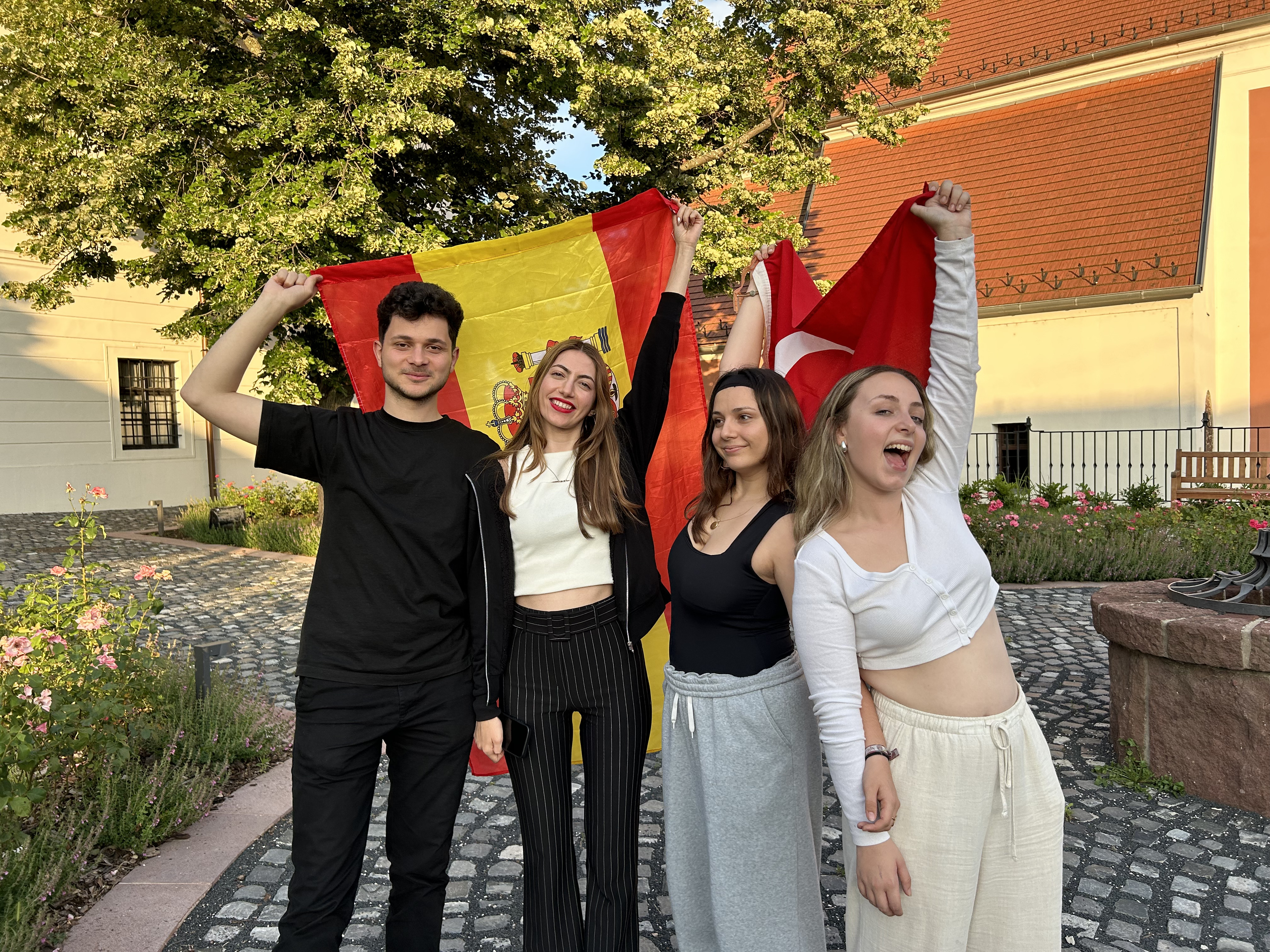
Cultural nights were also among the unforgettable moments of the project. We got to know the cultures of Türkiye, Italy, Bulgaria and other countries. Through music, dances and traditions, we got to know one another more closely.
For me, the most important result of cultural exchange was seeing that some stereotypes about Türkiye changed. People from other countries had questions about Türkiye. They realized that some of their ideas were incomplete or inaccurate. We also reconsidered some of our own assumptions about their countries.
In the end, I understood that intercultural learning is not only about asking “Which food is famous in your country?” Sharing the same room, eating together, discussing, laughing and sharing daily life are much stronger ways of truly getting to know people.
What Mind Matters left me with
I did not have very high expectations when I went to Mind Matters. But when I returned, I felt that a new door had opened in my life. This project did not only give me the chance to think about mental health. It taught me how to express myself, listen actively, understand different people’s experiences and look at my own thoughts from the outside.
I gained more confidence in speaking English. I had the chance to use Serbian. I built real friendships with people from different countries. I contributed to changing some stereotypes about Türkiye, and I also reconsidered some of my own thoughts about other countries.
Perhaps my biggest gain was realizing that I wanted to take part in more Erasmus+ projects. Even the idea of writing my own project in the future started to feel more realistic during this process.
Mind Matters Erasmus+ Project Participant Yücel Cultural Foundation Youth Page Erasmus+ Experience Stories