Learning in Nature and Creating with Young People: GreenScape Experience
GreenScape: Youth Workers Navigating Nature was different from the intense training course I had expected. During a week in Tauragė, I reused what I already knew, developed activity ideas for young people, experienced nature as a learning space and shared the same environment with people from around 15 different nationalities.
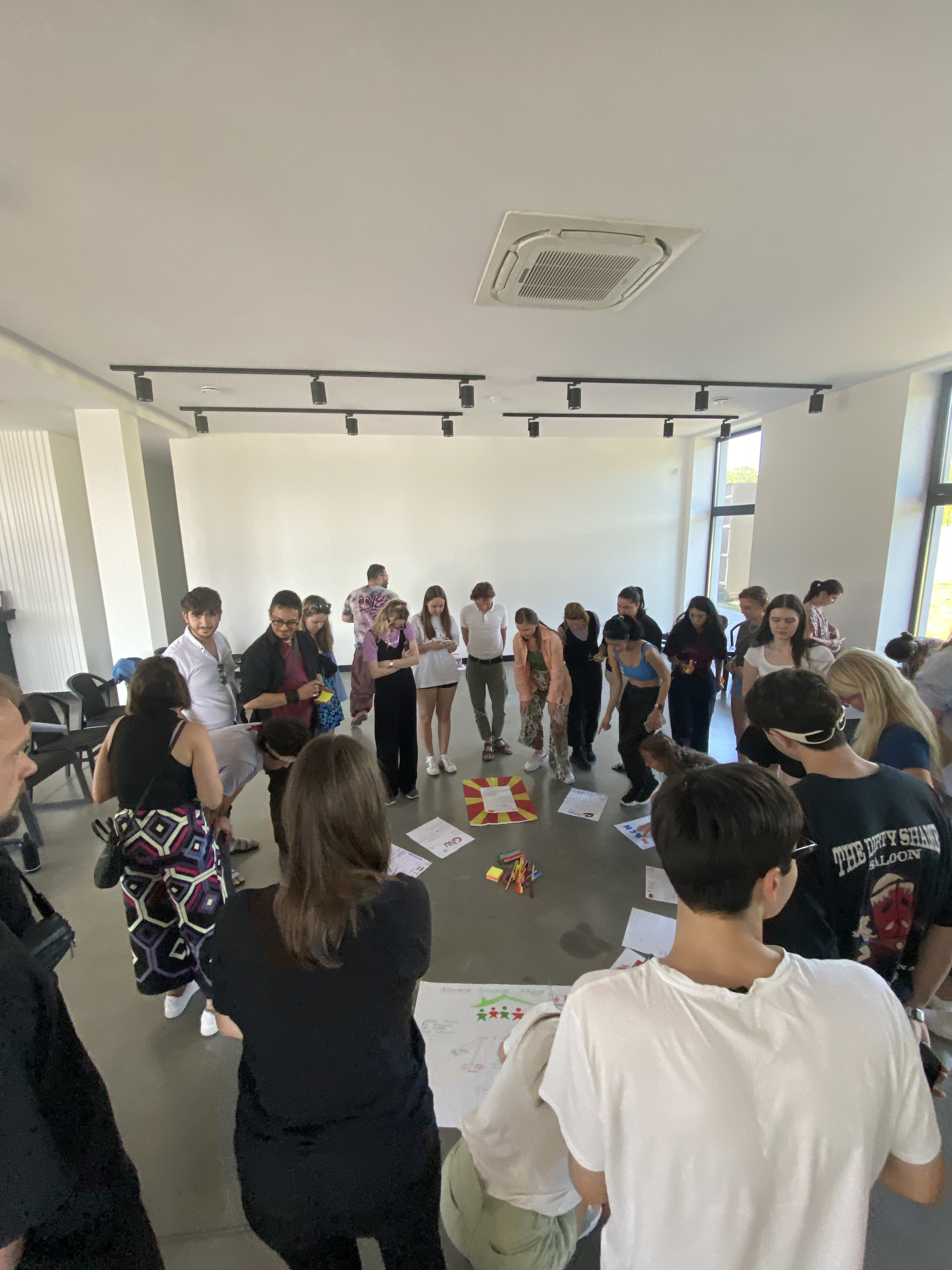
When I joined an Erasmus+ training course, I expected an intense program, back-to-back sessions and a week in which I would learn something new every day. GreenScape: Youth Workers Navigating Nature turned out to be a slightly different experience for me.
Rather than being a classic intensive training program, this project focused on using the knowledge we already had to create new ideas, bring them together and prepare activities we would carry out with young people.
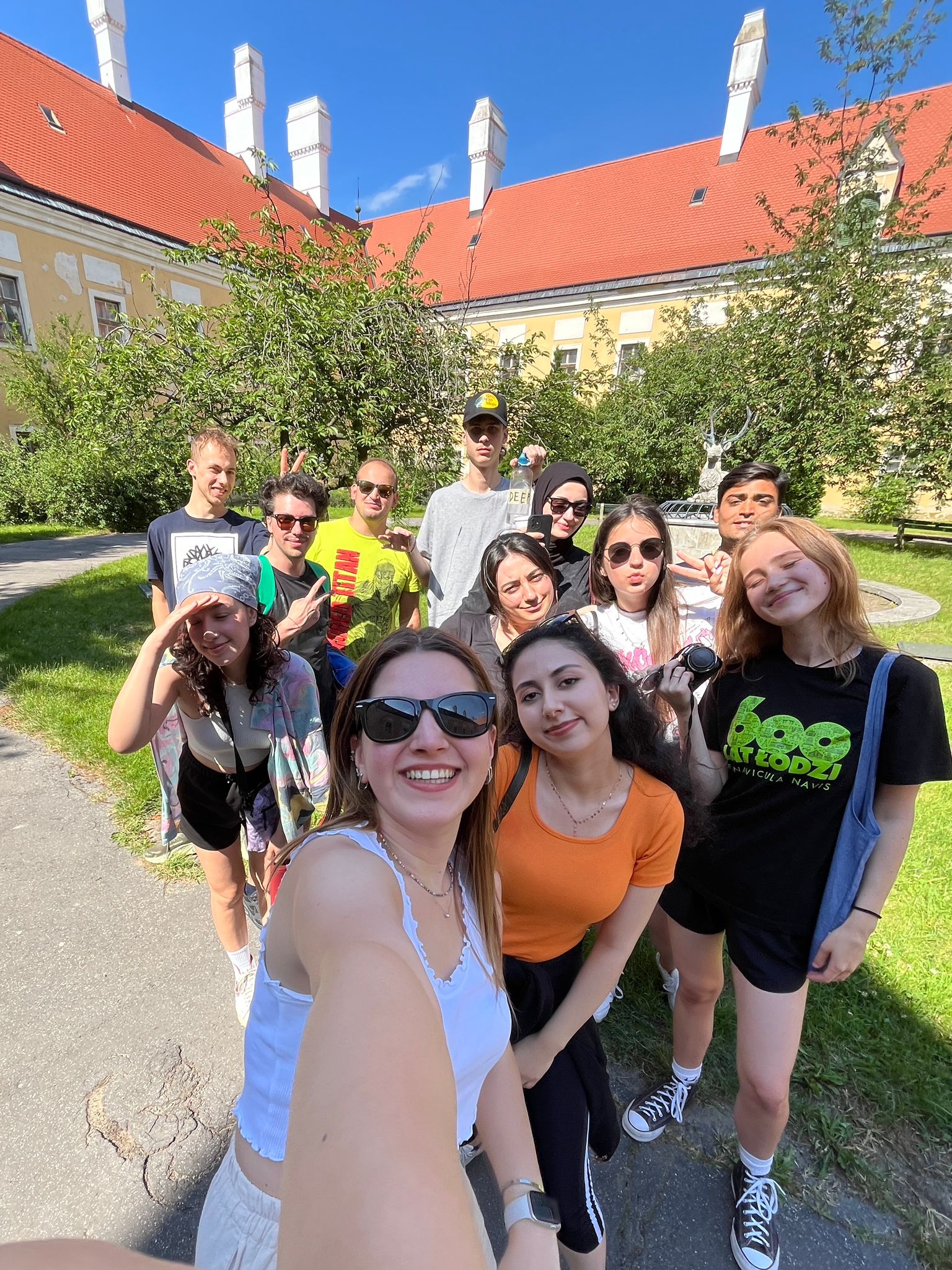
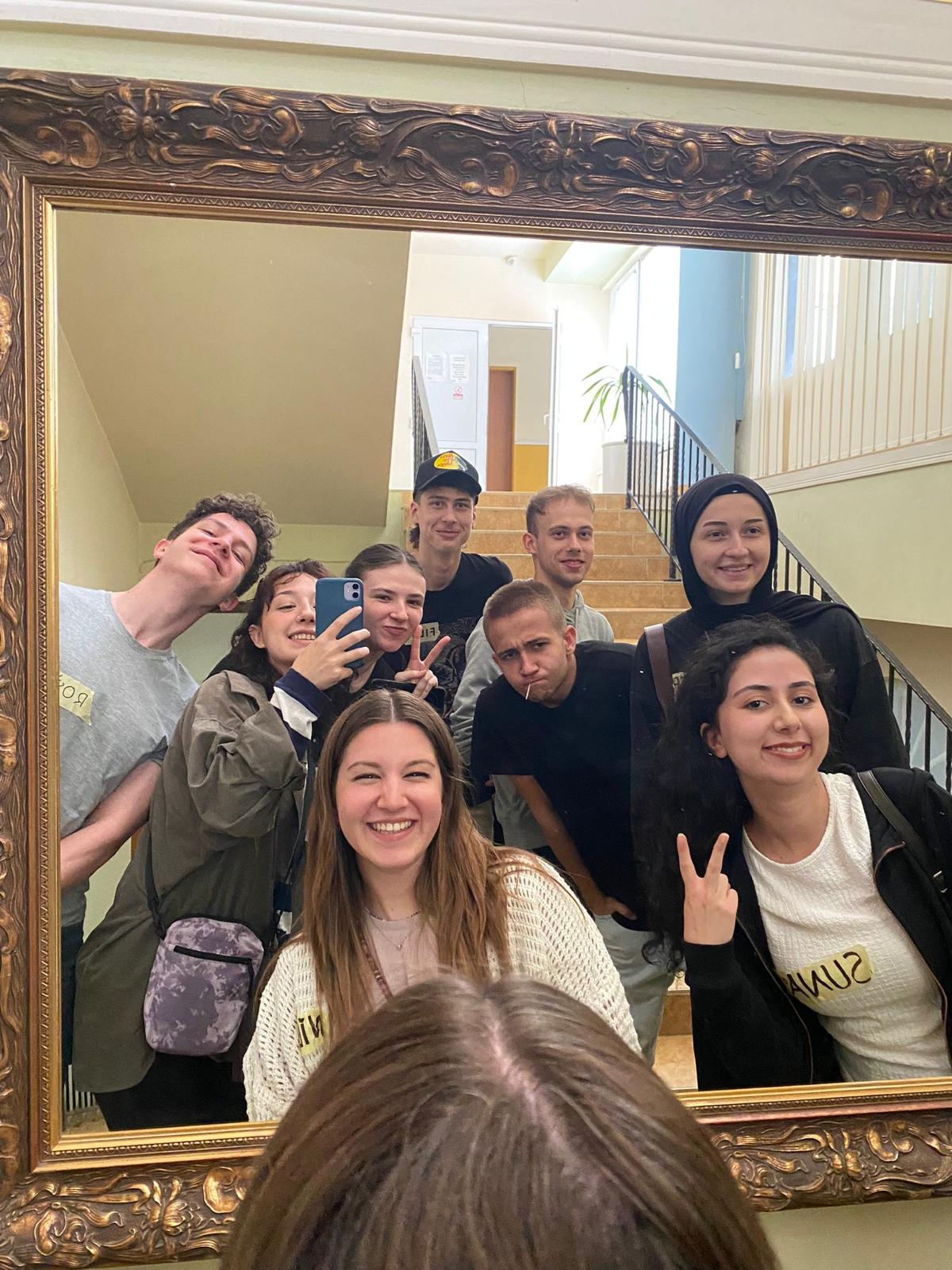
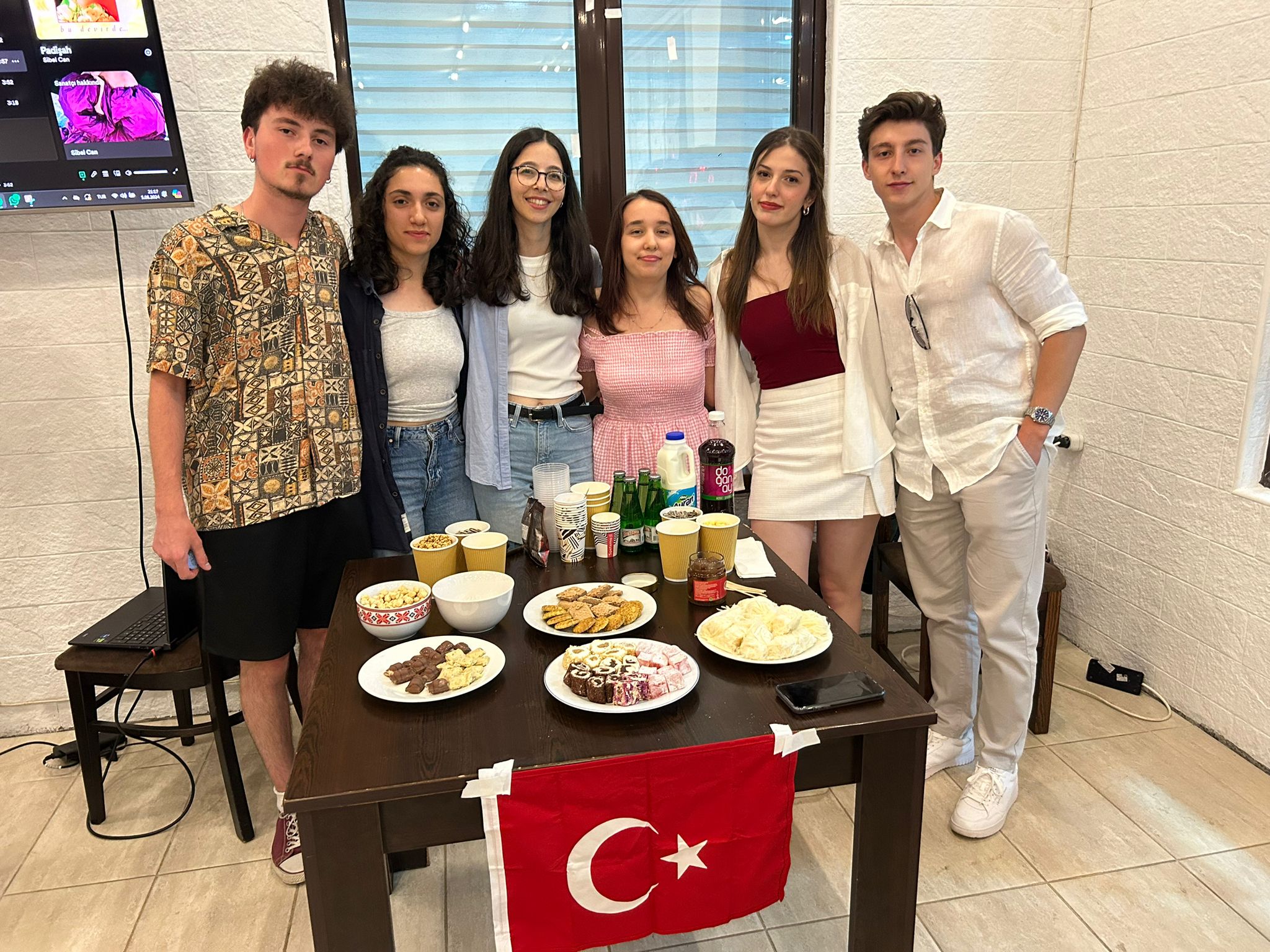
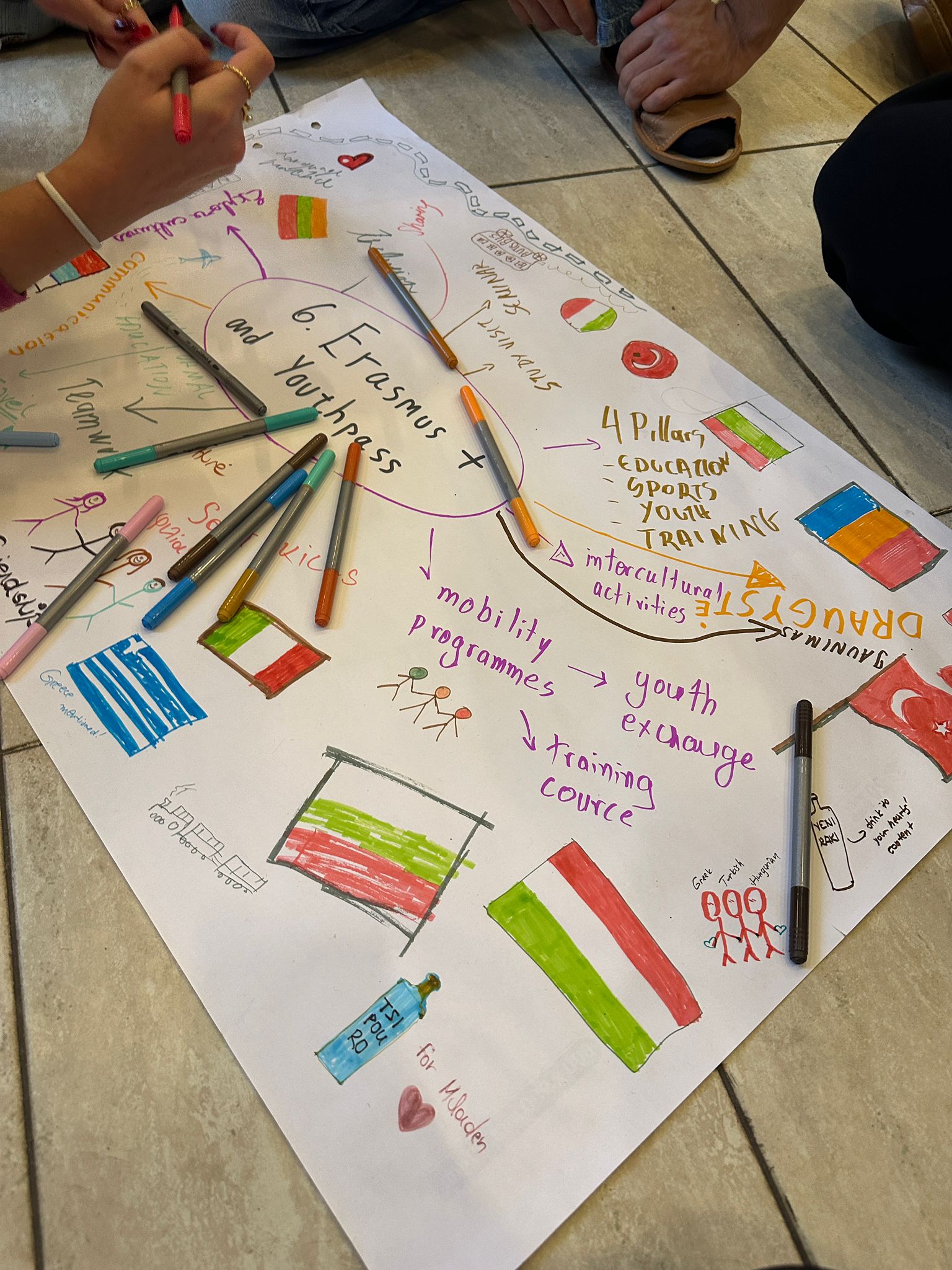
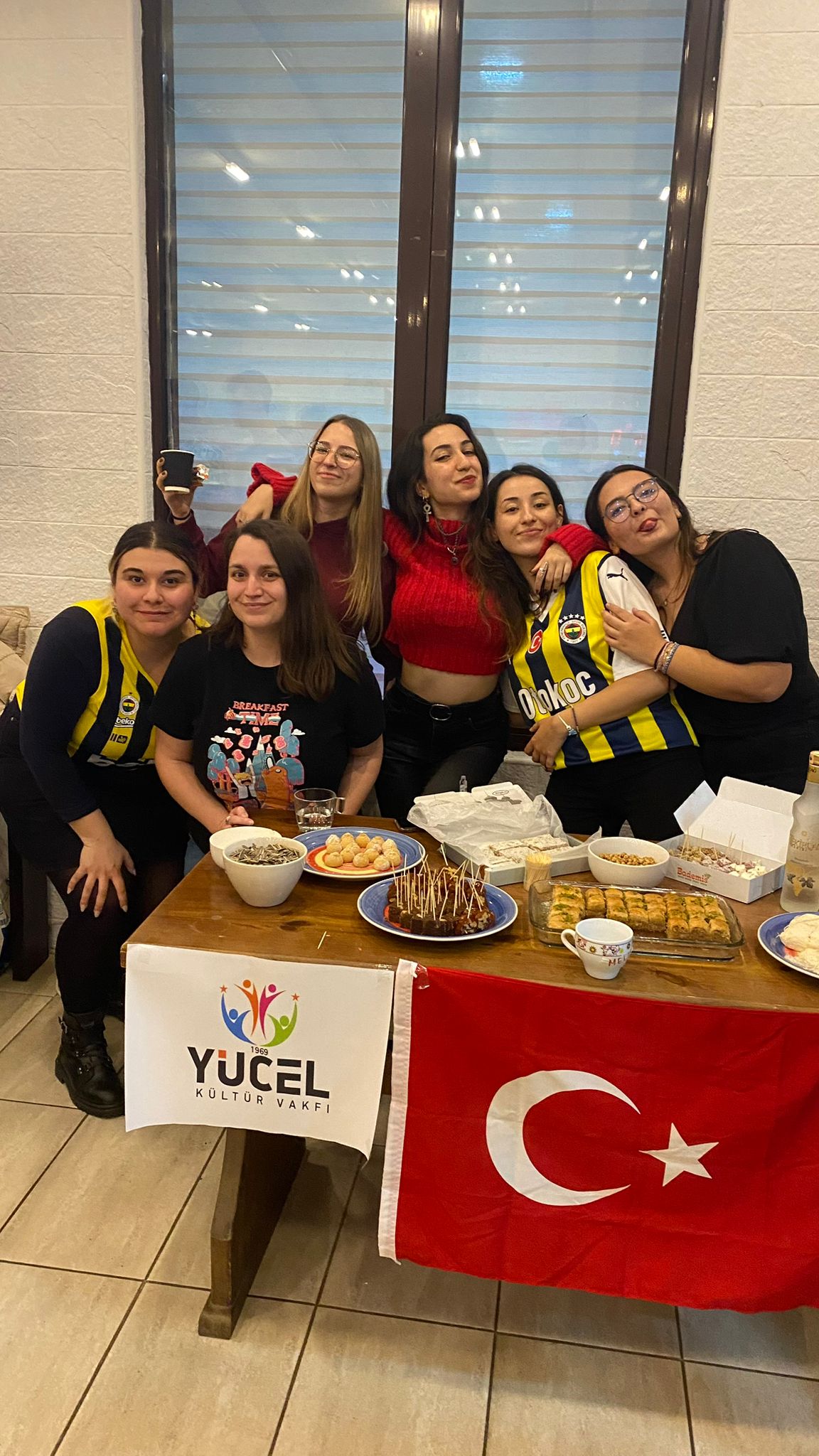
Sharing the same space with people from around 15 different nationalities, discovering cultures I had not met before and experiencing different places in Lithuania were also important parts of the project.
First day: new people, a new environment
When we arrived at the project venue on Sunday, there was no official activity. So I spent the first day mostly meeting and talking with participants from other countries.
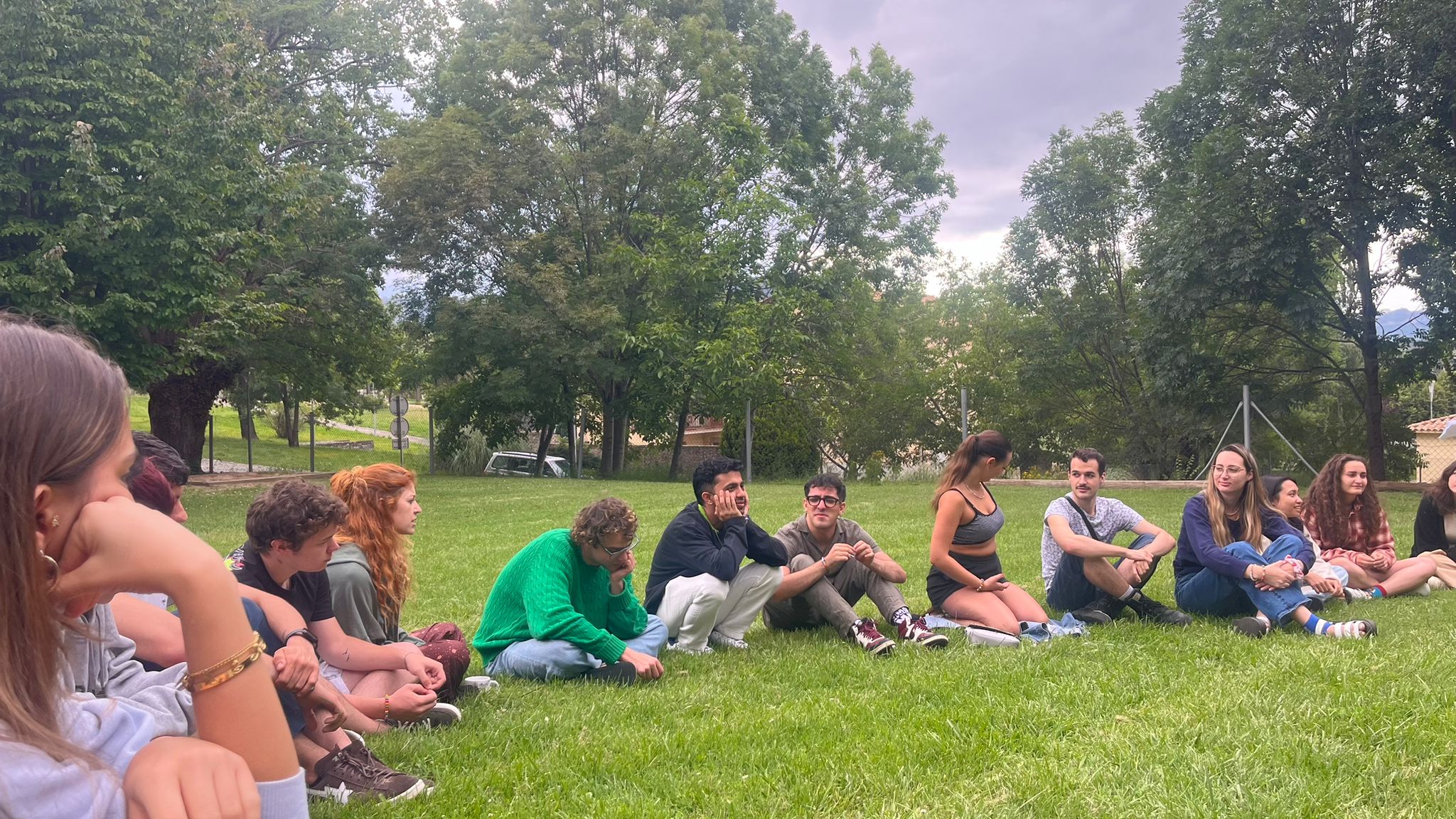
Being in an environment where people from different countries come together is always interesting. With some people, you talk about cultures you have never encountered before; with others, you find a common topic in just a few minutes.
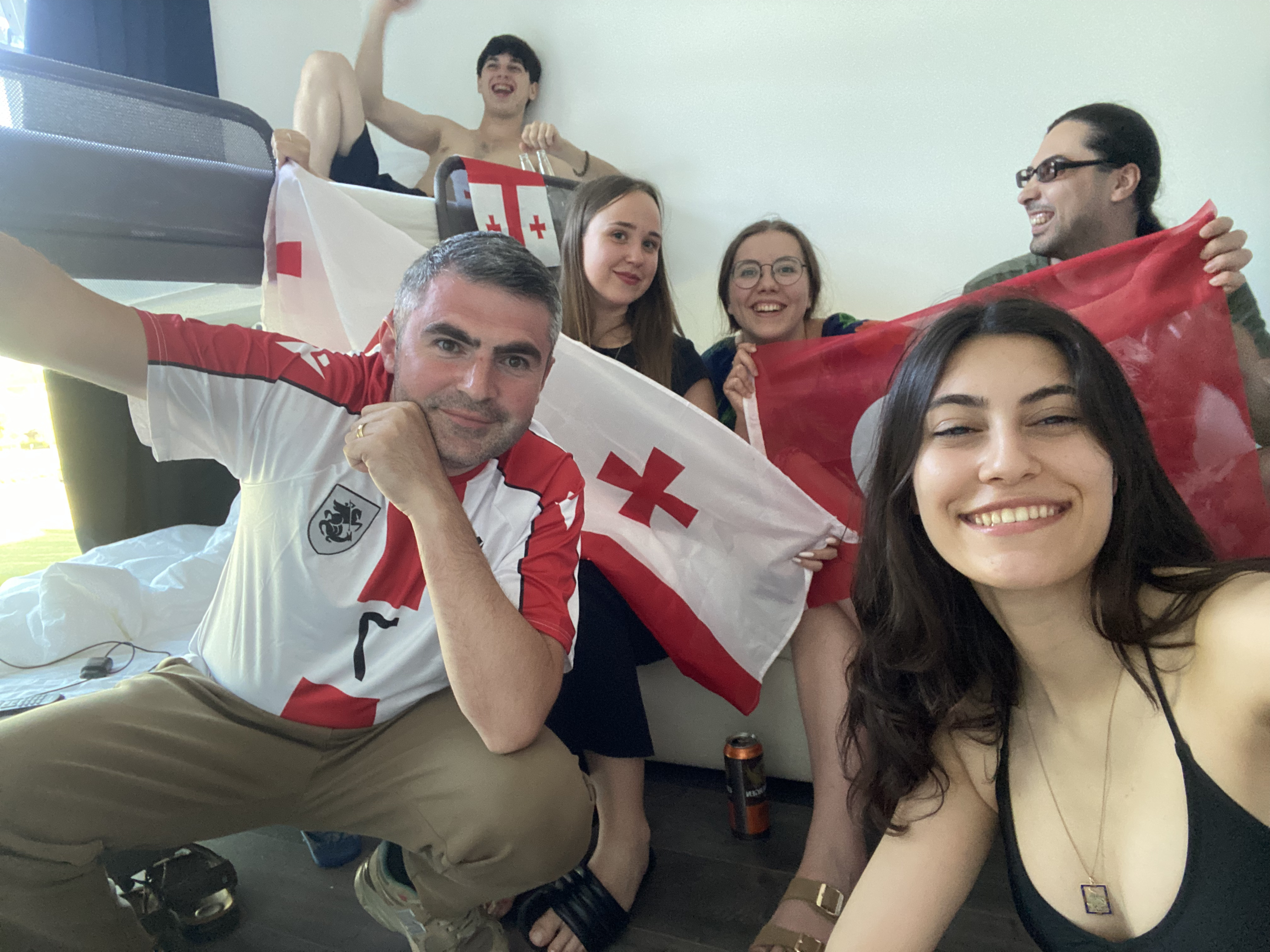
For me, communicating with people from cultural backgrounds I had not had many chances to meet before was one of the beautiful parts of the project. Meeting participants from places such as Palestine and the Philippines became small but valuable experiences that widened my perspective on the world.
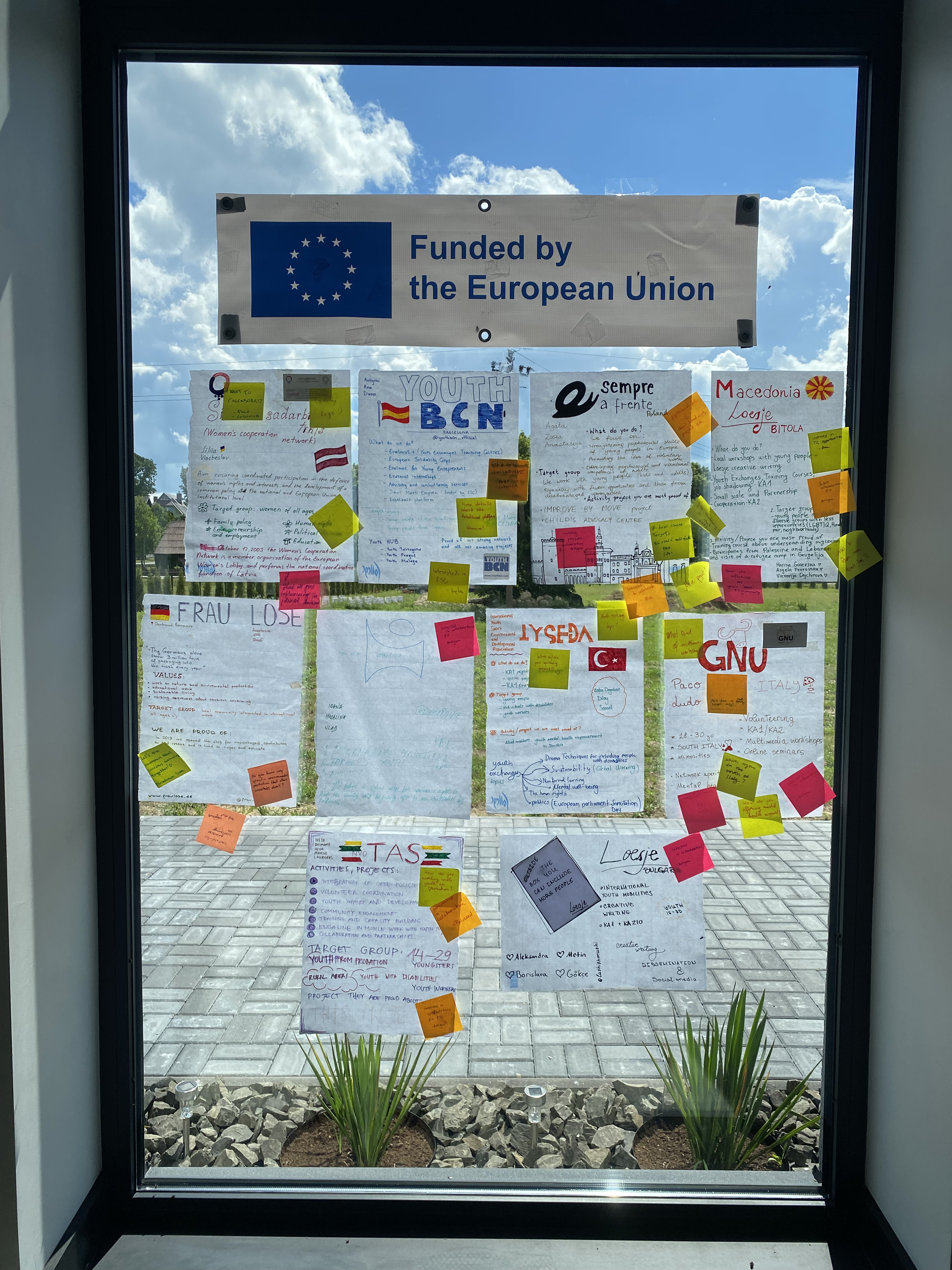
An unexpected beginning
Monday morning began in a different way for me. I was not feeling well and could only attend the first session, which was mainly for introductions. The energiser with a ball was a nice start for learning names and communicating more comfortably.
However, because I felt quite unwell afterwards, I had to rest after lunch. On Tuesday I started to feel better, and by Wednesday I had fully recovered. This allowed me to become more actively involved in the main working process of the project.
How can we engage young people?
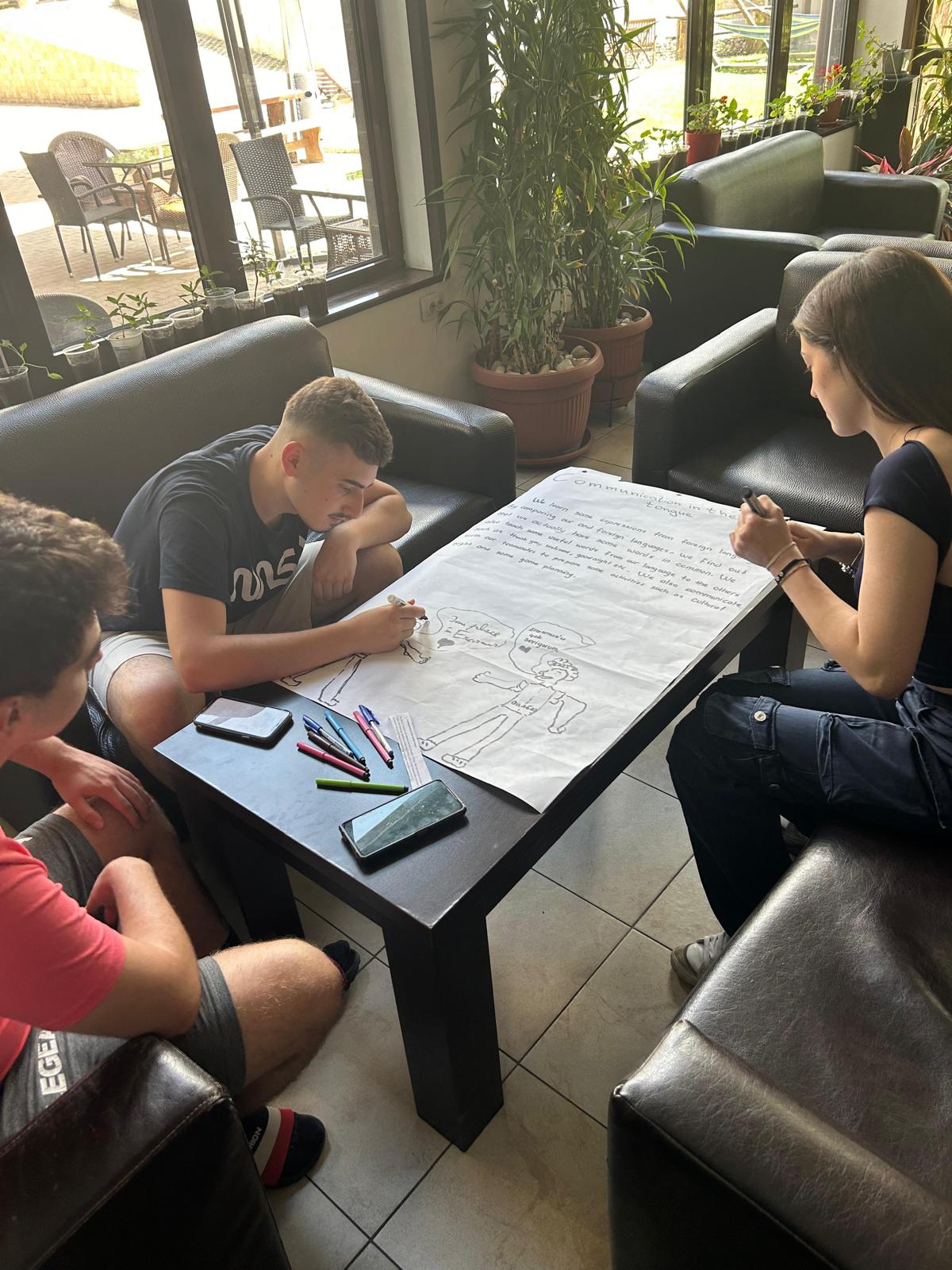
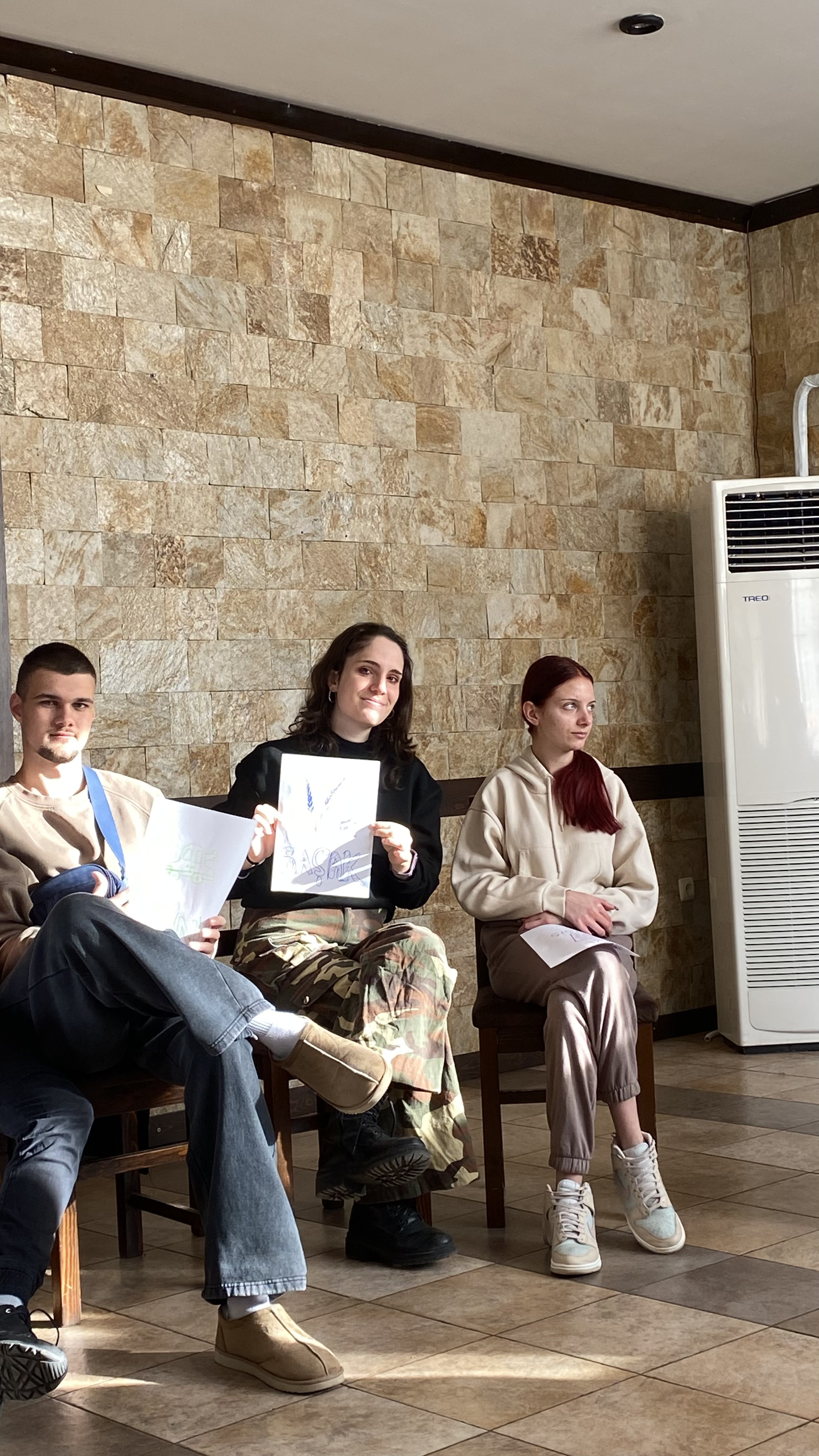
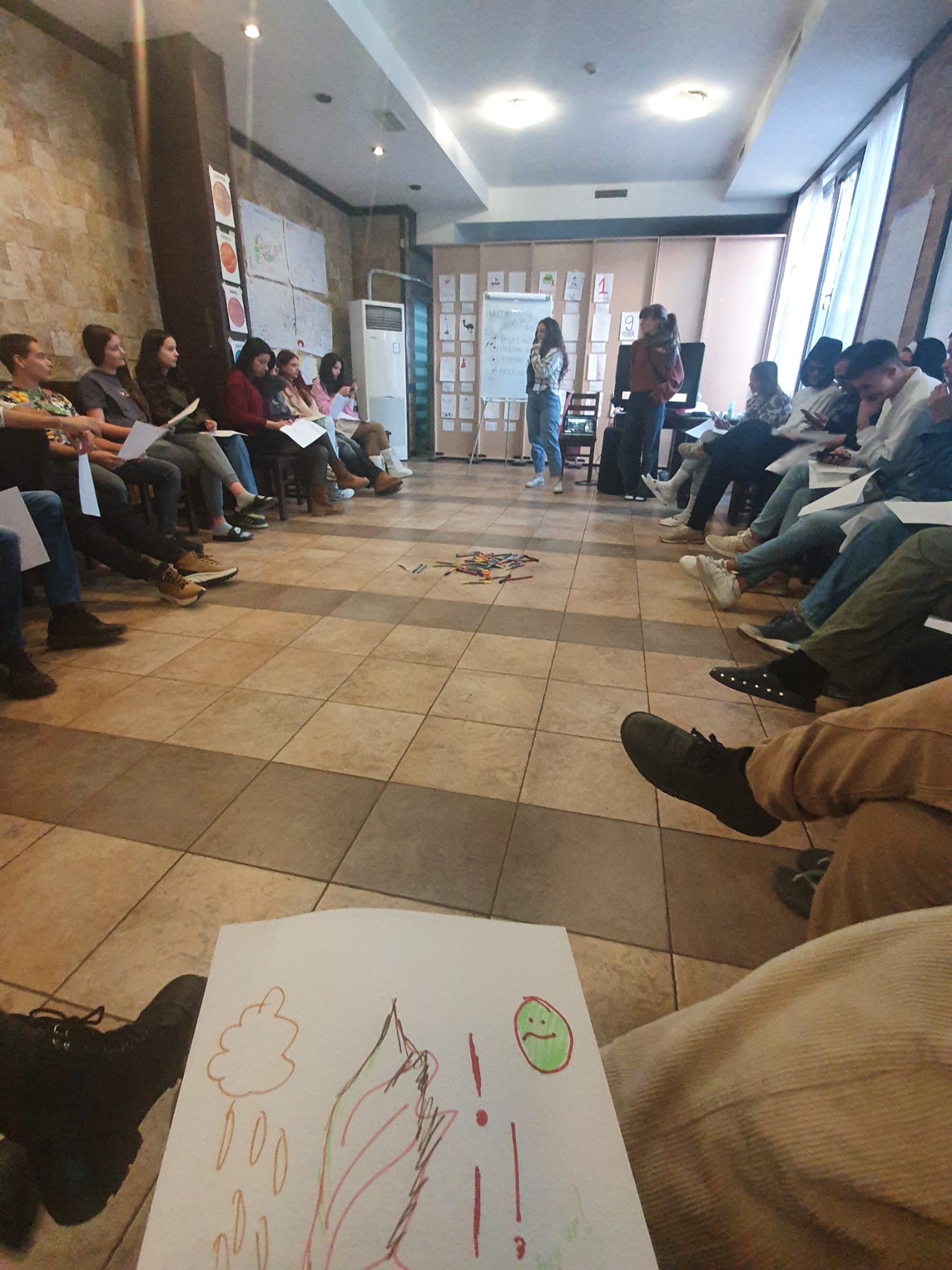
On Tuesday, the main topic we worked on was “Innovative Ways to Engage Young People.” We divided into groups and carried out a three-stage brainstorming process. The aim was to develop innovative methods and activity ideas that could attract young people’s interest.
Many different ideas emerged. Afterwards, each participant chose one idea from the group work and turned it into a more detailed activity. I developed an activity idea called “Video Game Tournament.”
This work was especially important for me because it gave me the opportunity to use my existing knowledge and youth work experience to design an applicable activity.
The most concrete output of the week: the toolkit
One of the most important outputs of the project was the toolkit. Everyone prepared their own idea and the activity they had developed. Then these works were brought together to create a shared resource.
For me, the most valuable aspect of the toolkit was that it was not only a document used during the project. We also had the chance to review the ideas prepared by other participants. This created a resource of methods, activity ideas and approaches that we could use in our own work or daily life.
The toolkit was also shared openly with everyone. This meant that we had created a concrete output that could continue to be used after the project ended.
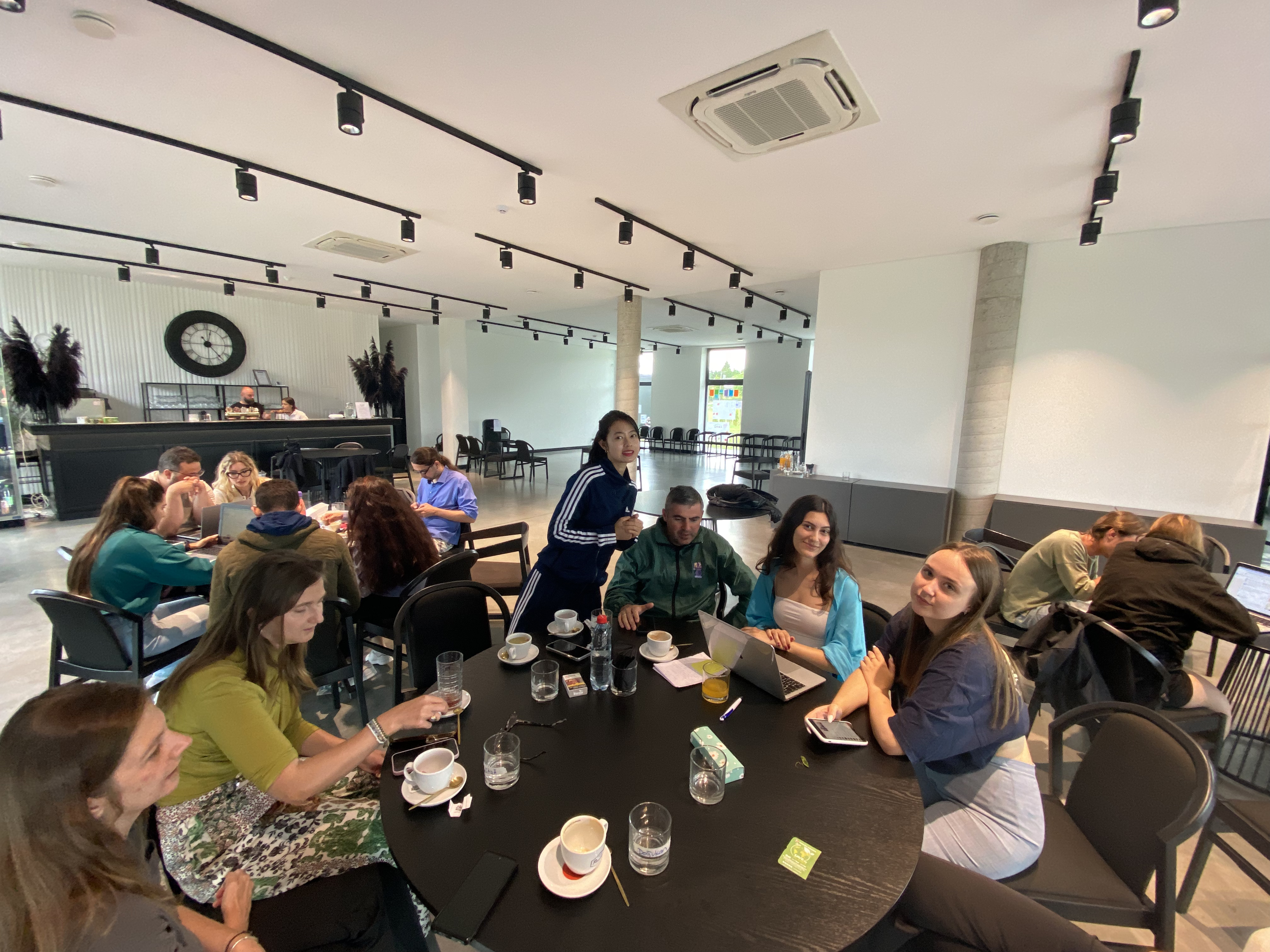
Preparing to meet young people
A significant part of Tuesday and Wednesday was spent preparing for the activity we would carry out with young people on Thursday. This time, unlike the brainstorming groups, we divided into three new groups.
Each group was given a different route of around 3 kilometers. Our task was to design activities we could do with young people along this route.
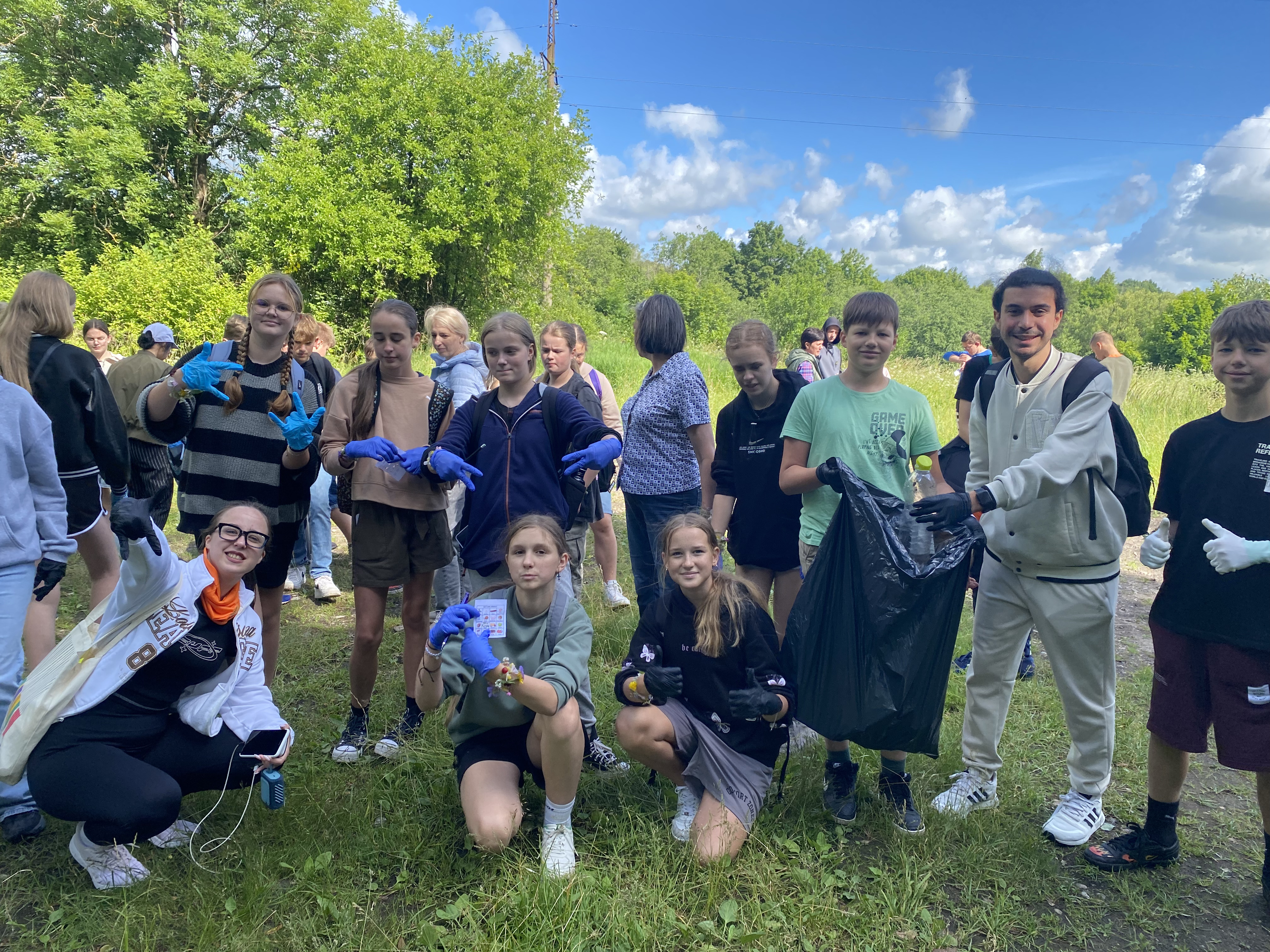
We developed ideas such as collecting trash along the way, making bracelets with flowers collected from the surroundings and playing different energiser games. At this point, I could see more clearly how the project brought nature and youth work together.
From theory to reality: walking with young people
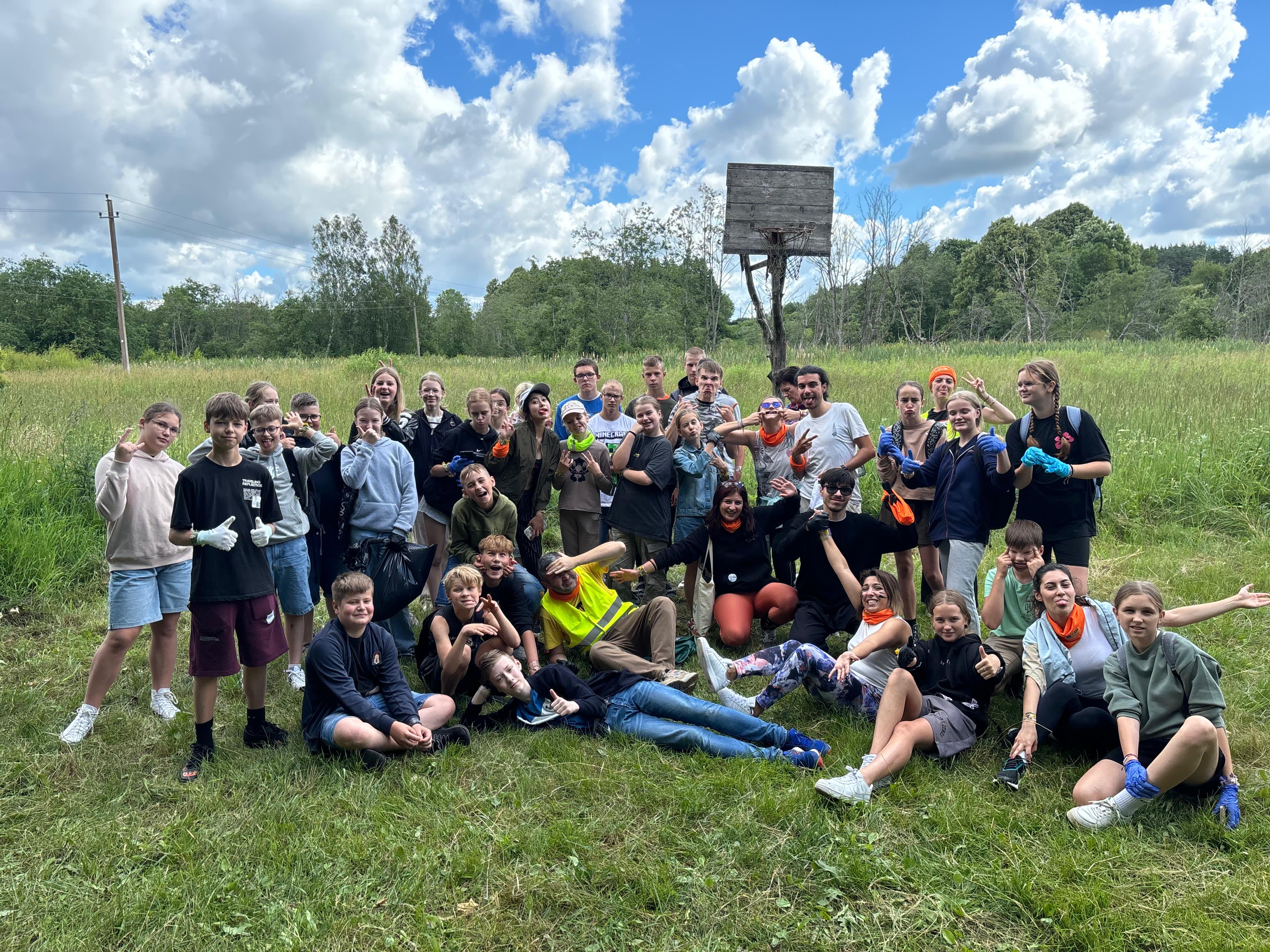
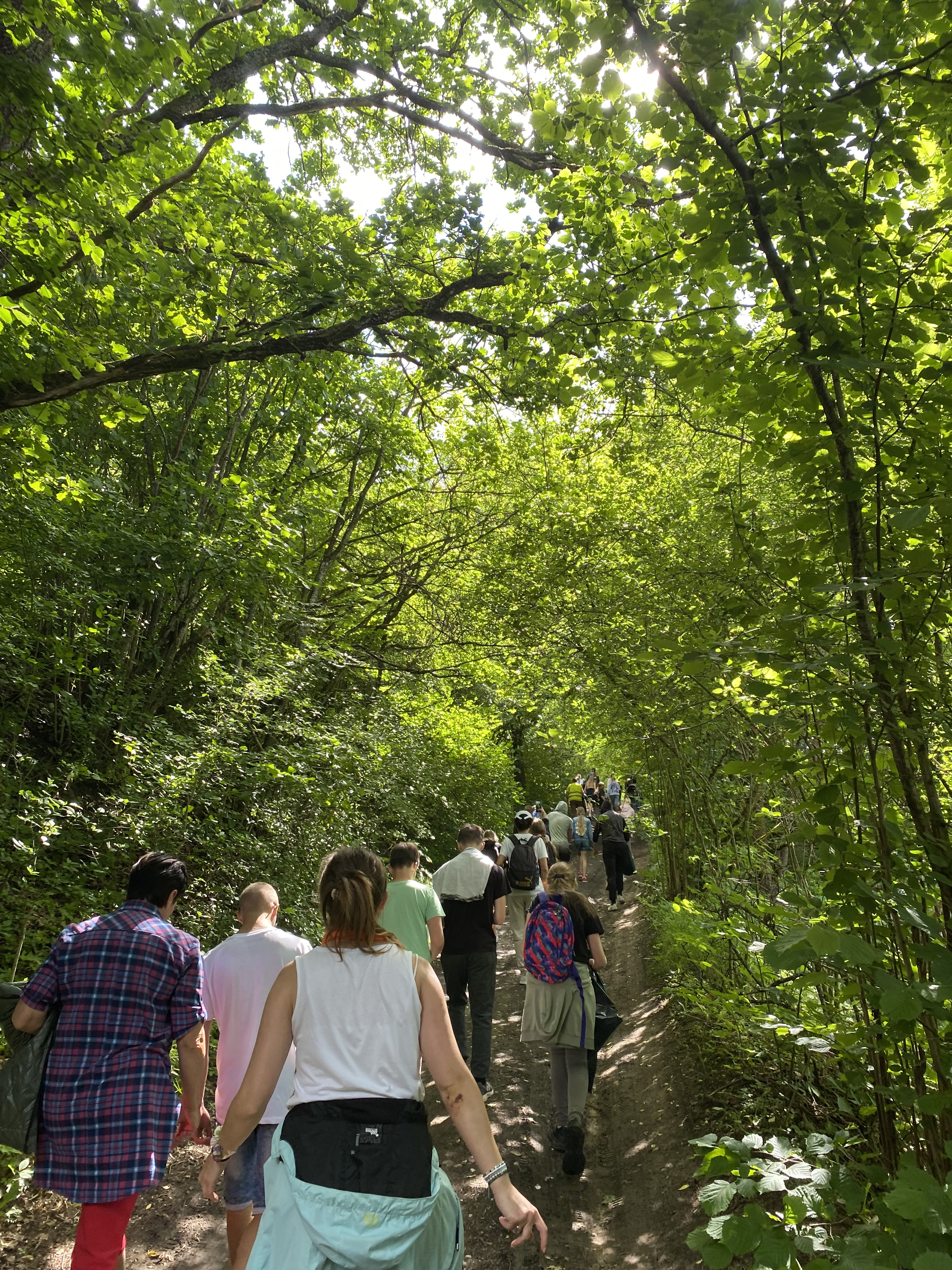
On Thursday, we started walking on the route we had prepared. Along the 3-kilometer route, we carried out the activities we had planned.
Cleaning the environment, creating something with materials from nature and keeping the group active with movement-based games helped young people both enjoy themselves and interact more with their surroundings.
The best part of the day for me was seeing the ideas we had discussed throughout the week come to life in a real activity. An idea may look good on paper. But when you apply it with a real group, you understand much more clearly which parts work and which parts need improvement.
Discovering Lithuania beyond the project
Friday was the project’s trip day. In the morning, we first met the Mayor of Tauragė. We talked with him and asked various questions. This meeting gave us the chance to learn not only about youth work, but also about local government and city life.
Later, we went to a restaurant together and tried local food. I had very nice experiences with food throughout the project. Tasting local Lithuanian dishes helped me discover the country not only as a project participant, but also a little as a visitor.
In the final part of the day, we visited an animal farm. Encountering an animal I had never seen before and even putting a snake around my neck despite my fear of snakes was honestly one of the most unexpected moments of the week.
Not every training has to be intense
Looking back at the end of the project, I can say that this training course did not have a very intense educational program. I used the knowledge I already had quite a lot throughout the week. But I do not see this as a weakness of the project.
Because this project gave me more of an opportunity to apply what I knew, benefit from different people’s ideas and create a common output. The toolkit was a good example of this.
I presented my own idea, and the other participants developed their own ideas. Then all our work came together and turned into a shared resource. As a result, a resource emerged that benefited not from one person’s knowledge, but from the experiences of many youth workers from different countries.
Looking back at the week
On Saturday, we made the final edits to the toolkit. Missing parts of the content we had prepared were reviewed, and everyone revised their own work. Then we evaluated what we had experienced and felt throughout the week.
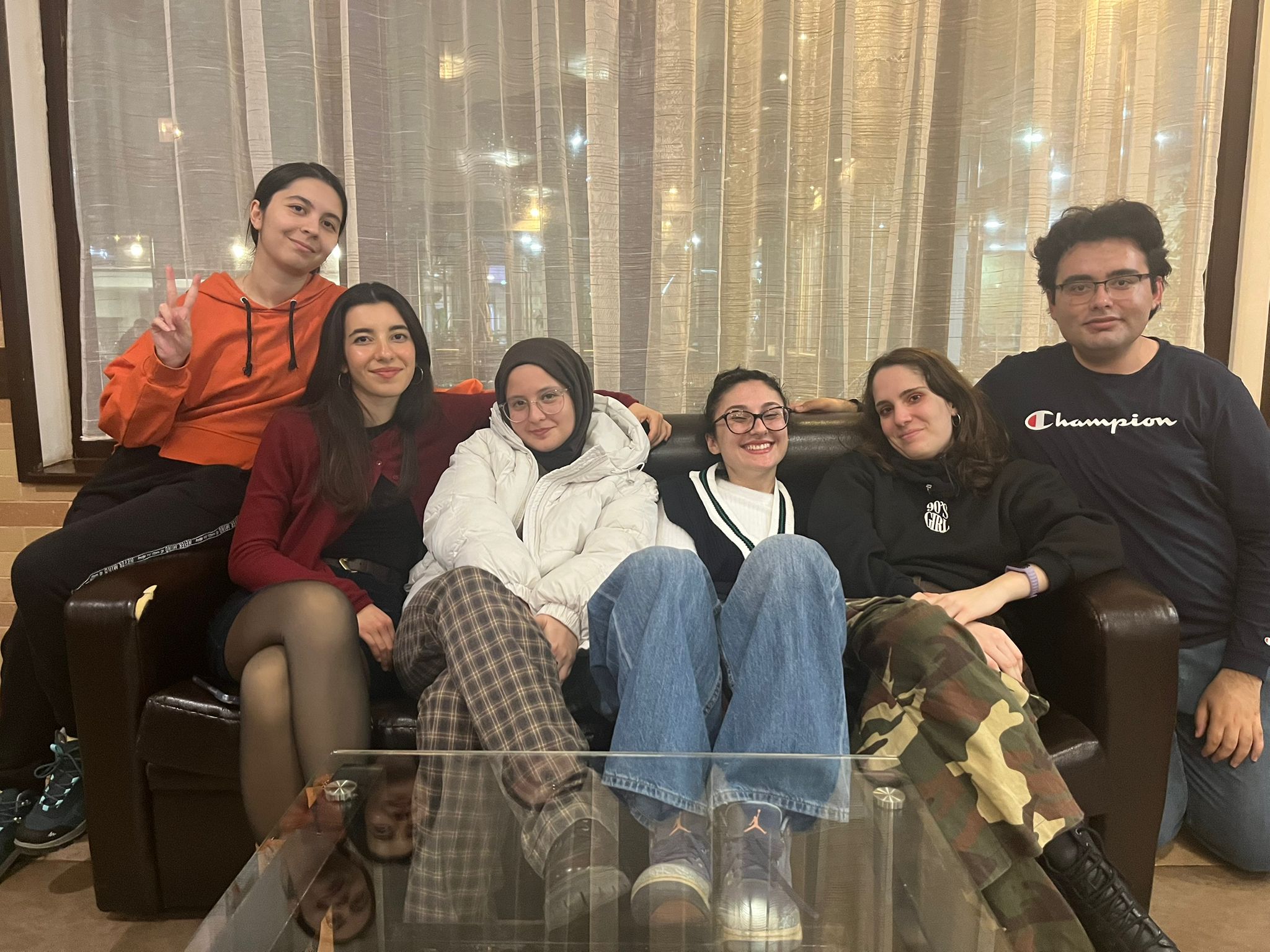
At the end of the week, we had not only a toolkit, but also new connections with people from different countries, tested activity ideas and shared experiences.
What did GreenScape give me?
GreenScape was an experience that allowed me to reuse the knowledge I already had in a different environment rather than simply learning new information. Meeting people from around 15 different nationalities, especially talking with participants from cultures I had not encountered before and listening to their perspectives, was very valuable for me.
I also had the chance to discover Lithuania’s local culture, food and nature. The activity with young people and the trip day were among the most enjoyable parts of the week for me. Accommodation, meals and the facilitators’ approach were also elements that positively shaped the overall experience.
Perhaps my most important gain from this project was this: the value of a training course is not always measured by how much new information you learn. Sometimes sharing what you already know with different people, receiving their ideas and creating something concrete together can be just as valuable as learning something new.
GreenScape Erasmus+ Project Participant Yücel Cultural Foundation Youth Page Erasmus+ Experience Stories