Digital Horizons: An 11-Day Journey into the Digital World
Some journeys leave you with photographs when they end. Others send you home with new knowledge, new people, new questions and new things you have discovered about yourself. Digital Horizons was exactly that kind of experience for me.
Before the project, I was not completely unfamiliar with the digital world. I used social media, knew about different digital tools and regularly relied on technology in my daily life. So when the project began, I did not expect to be particularly surprised.
As the days in Bansko passed, however, I realized how wrong that assumption had been.
Digital Horizons did not simply teach me tools such as Canva, CapCut, Padlet or LinkedIn. It showed me how to use technology more creatively, how I could become a producer rather than only a consumer on social media, how to work with people who think differently and how some of the most important lessons can happen outside what we planned.
Day one: I didn't know anyone yet
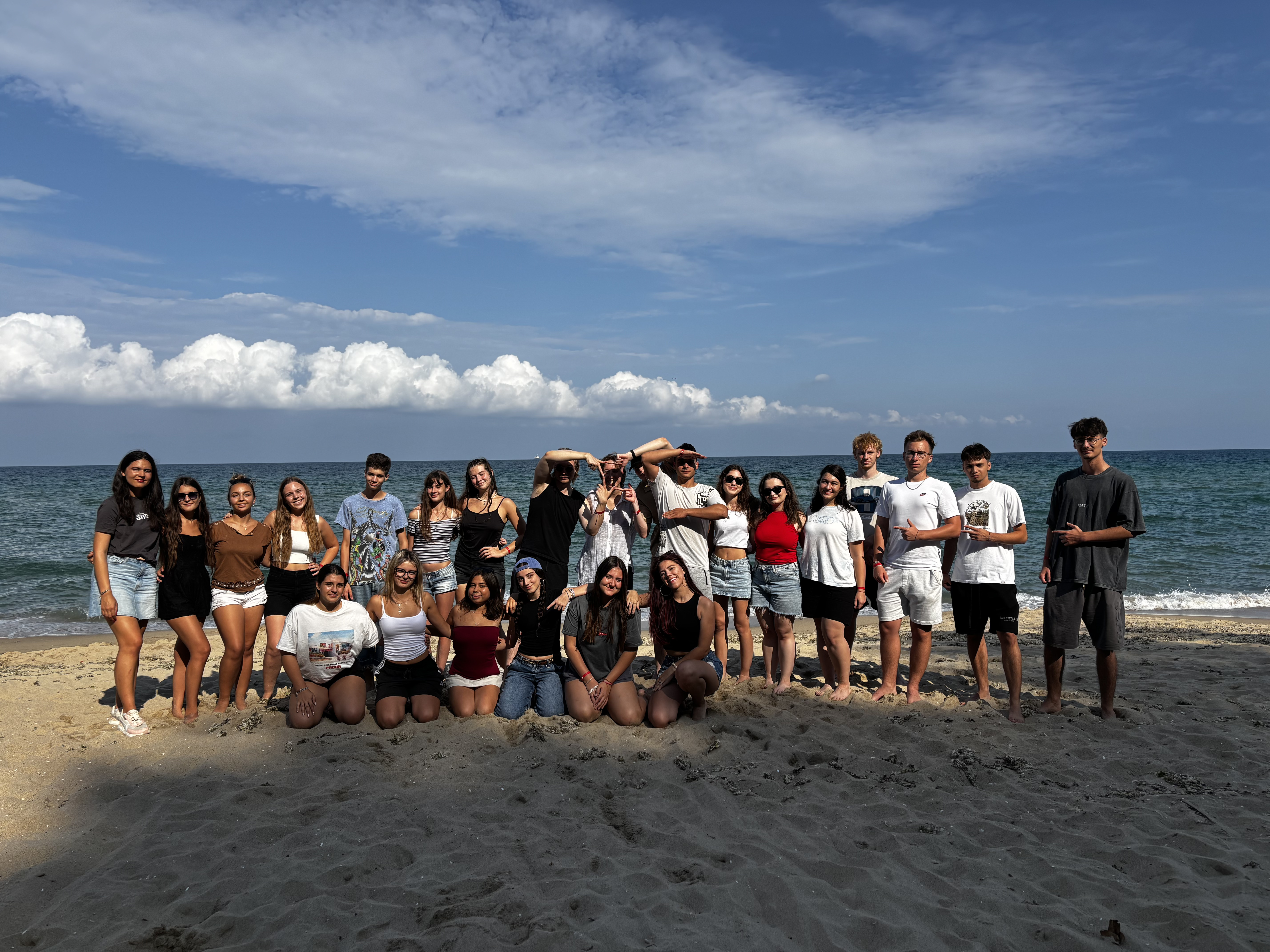
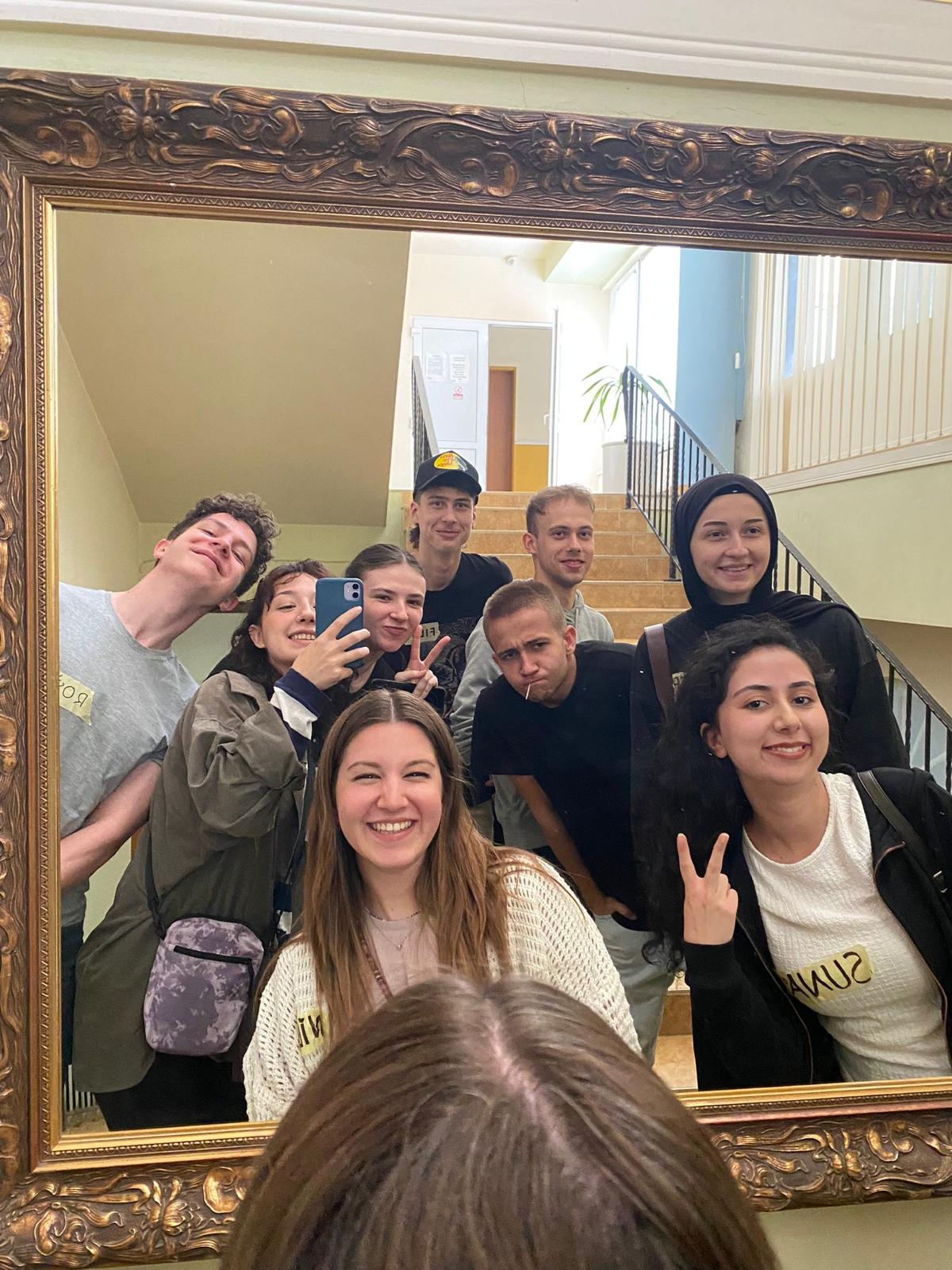
Curiosity was the strongest feeling when I arrived in Bansko. It was not my first time joining a project that brought together people from different countries, but every Erasmus+ project has its own beginning. At the hotel I began meeting young people from different countries, although I did not really know anyone yet.
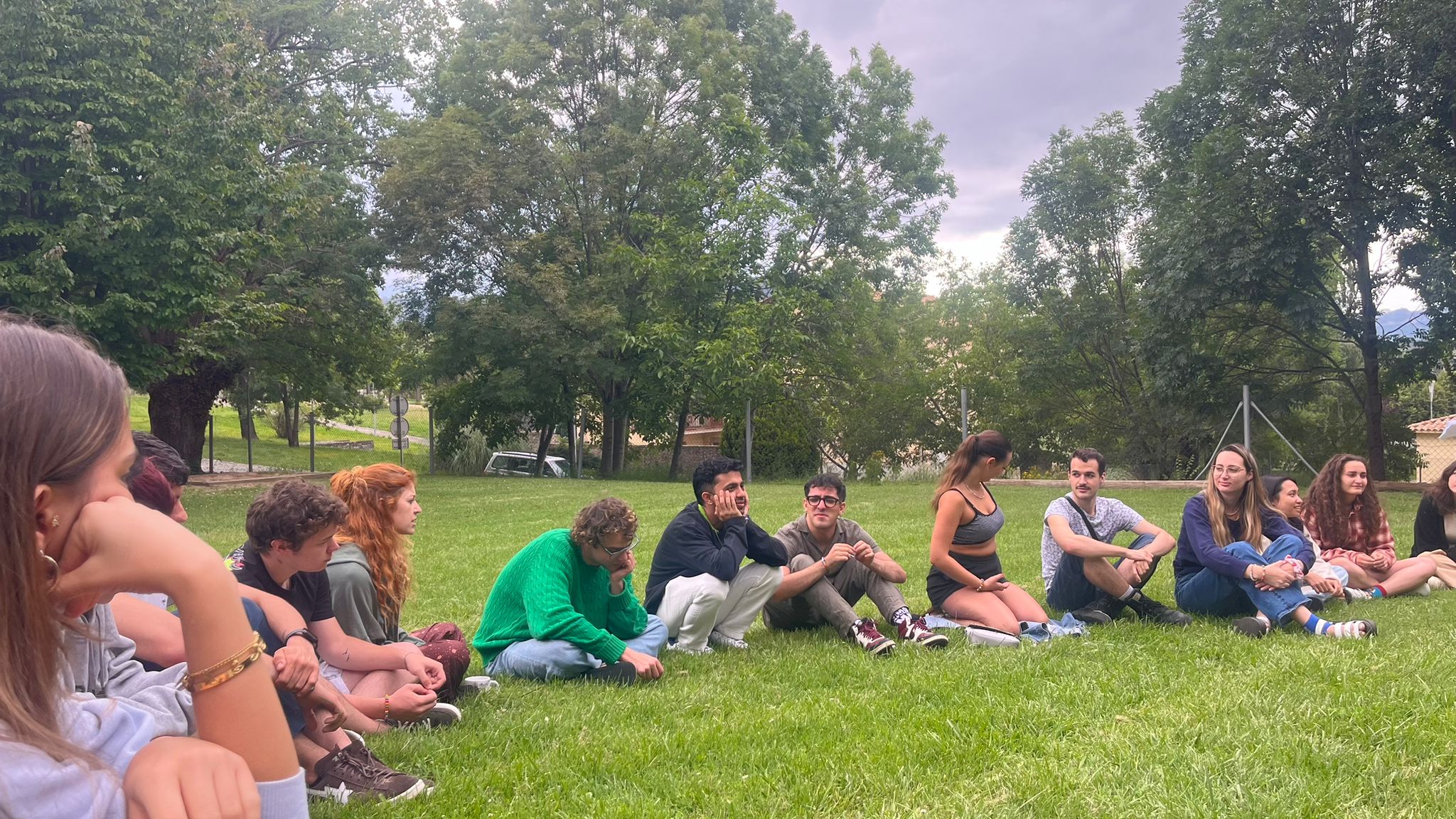
That evening we had our first meeting. The facilitators introduced themselves and explained the general flow of the project. Then it was our turn. Everyone briefly talked about themselves: names, countries, cities and interests.
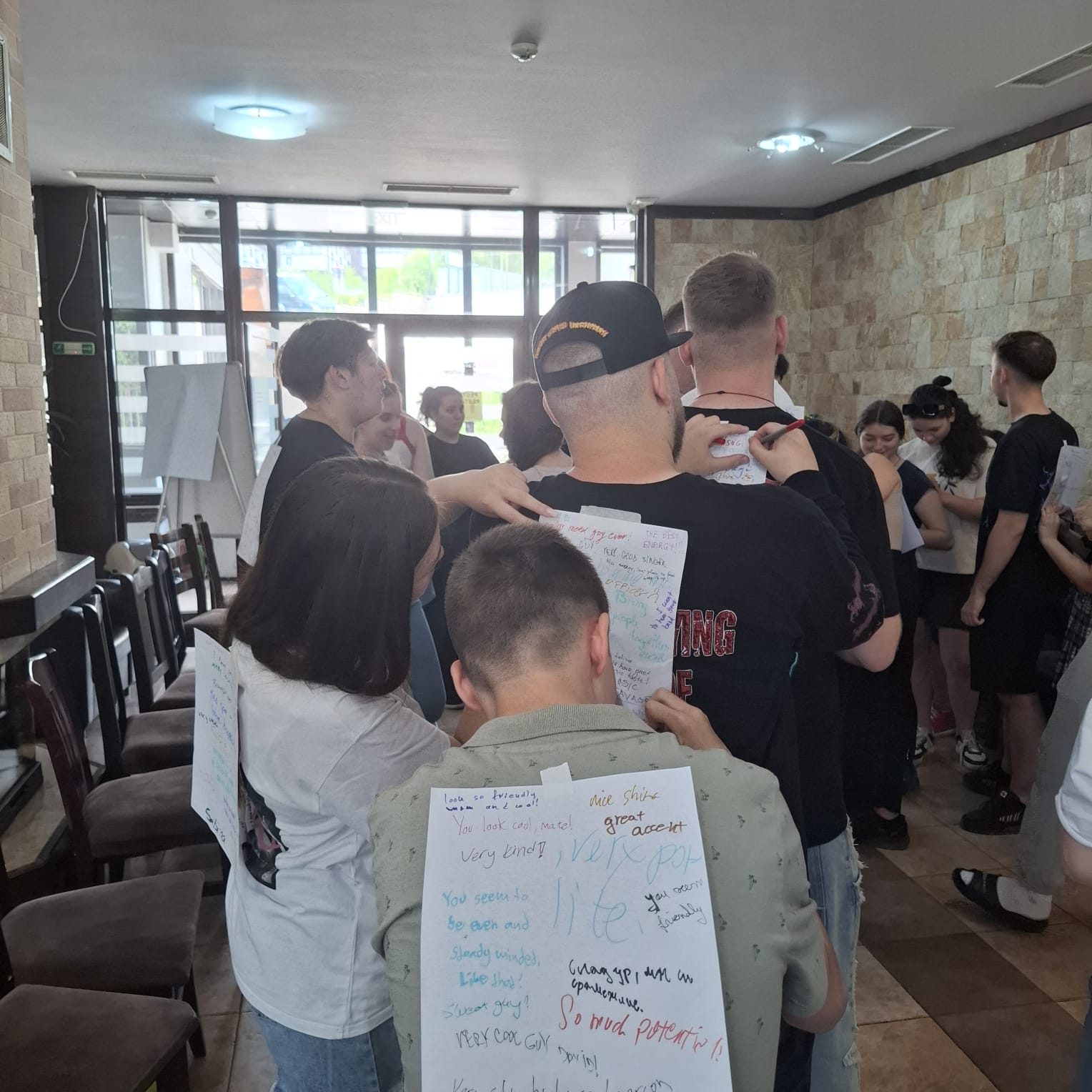
Then we played Human Bingo. It looked like a simple icebreaker, but the atmosphere quickly changed. By the end of an evening that had begun among strangers, people were approaching one another, talking and searching for things they had in common.
First steps: Really getting to know one another
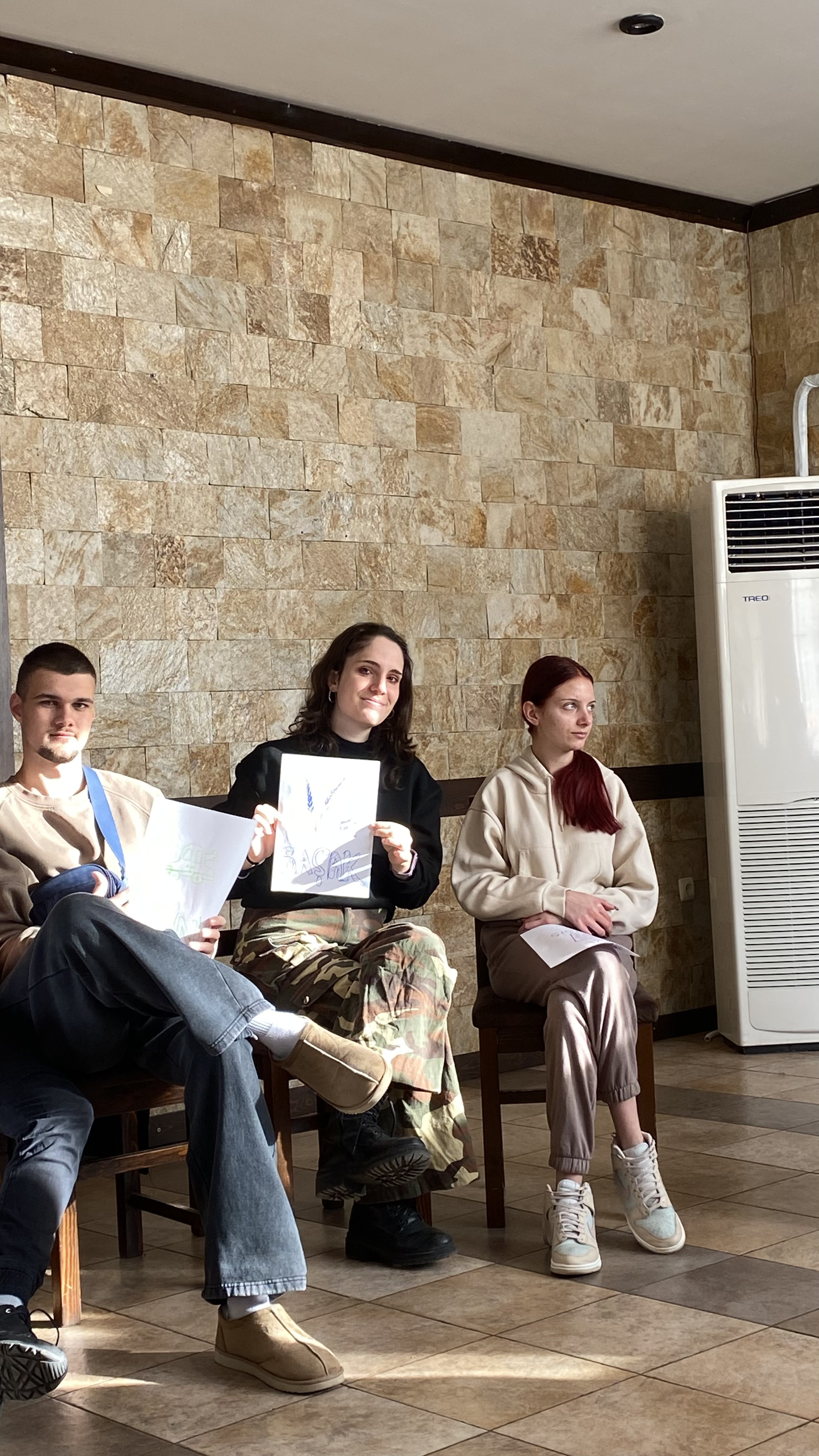
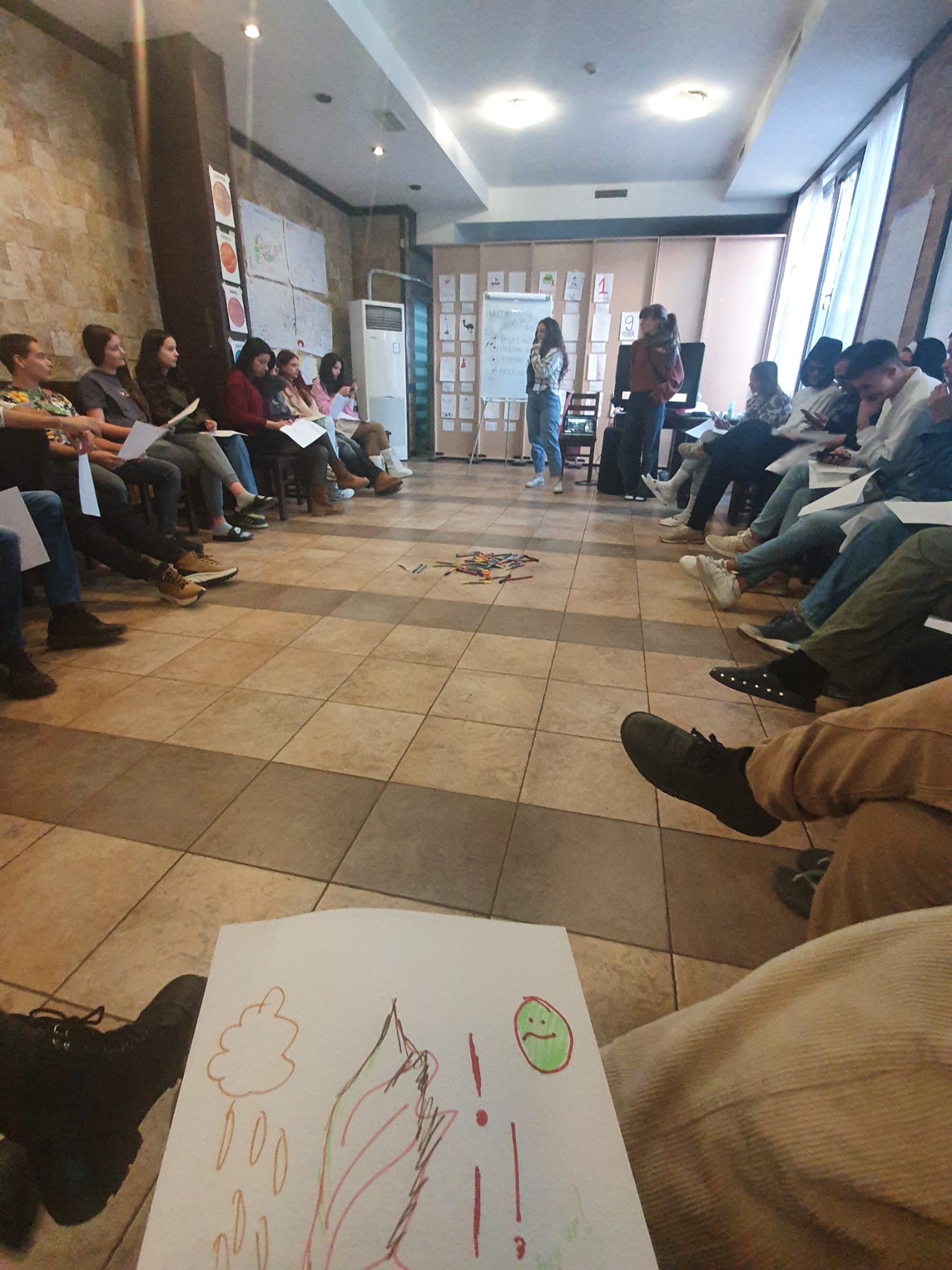
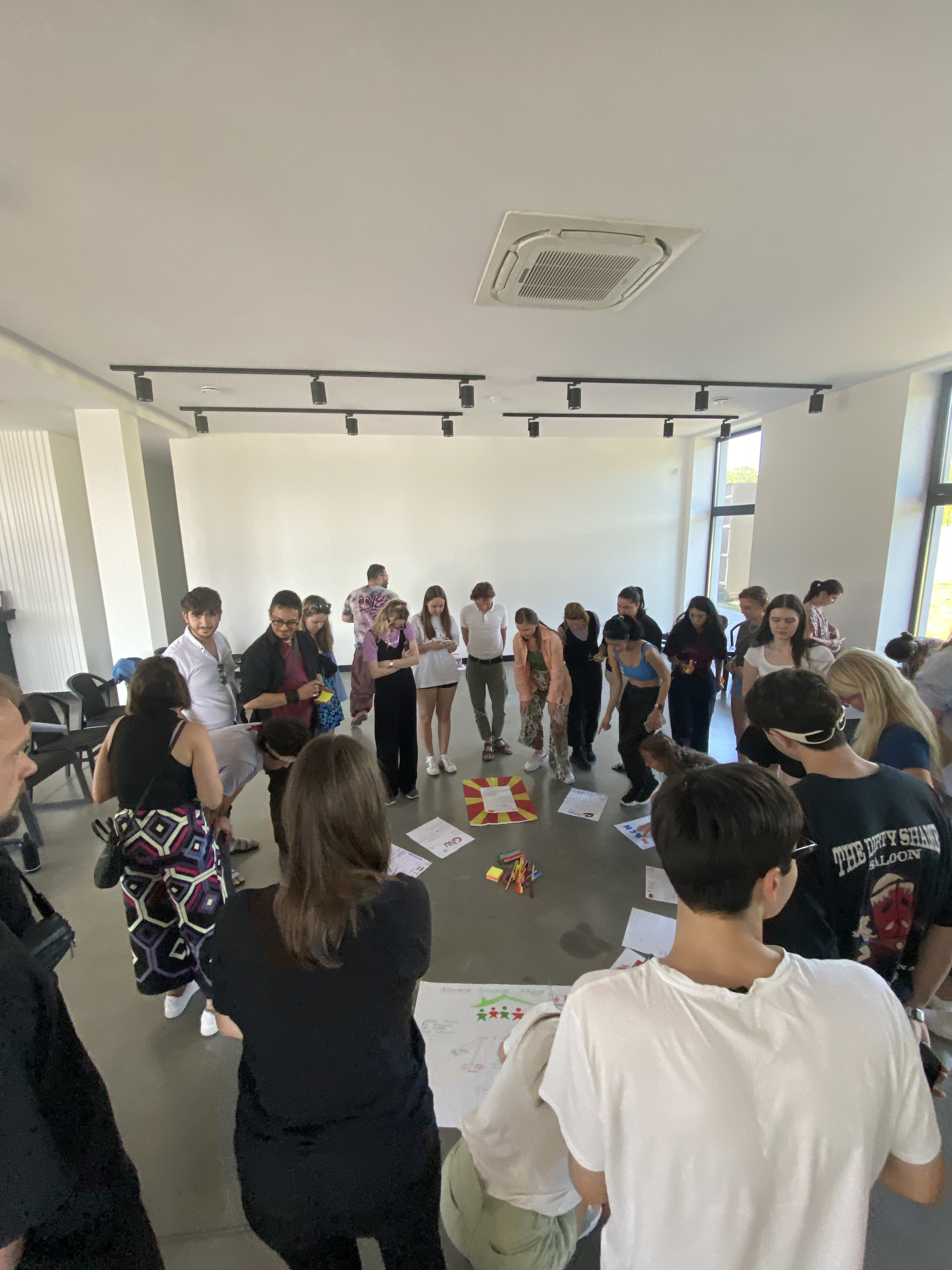
The following day was more active. Together with the team from Czechia, we did more activities to learn one another's names, drew portraits of each other and began creating a shared wall that would stay with us throughout the project.
We then wrote down our expectations, fears and what we could contribute to the project. We were still at the beginning and everyone had different expectations. Some wanted new friendships, some wanted to learn digital tools, some hoped to improve their English and others simply wanted a new experience.
Later we had short conversations with different participants. Then came teamwork: our task was to build the tallest possible tower using spaghetti and chips.
What looked simple quickly became a small lesson in listening to different ideas, experimenting, failing, trying again and producing a shared result.
Entering the digital world
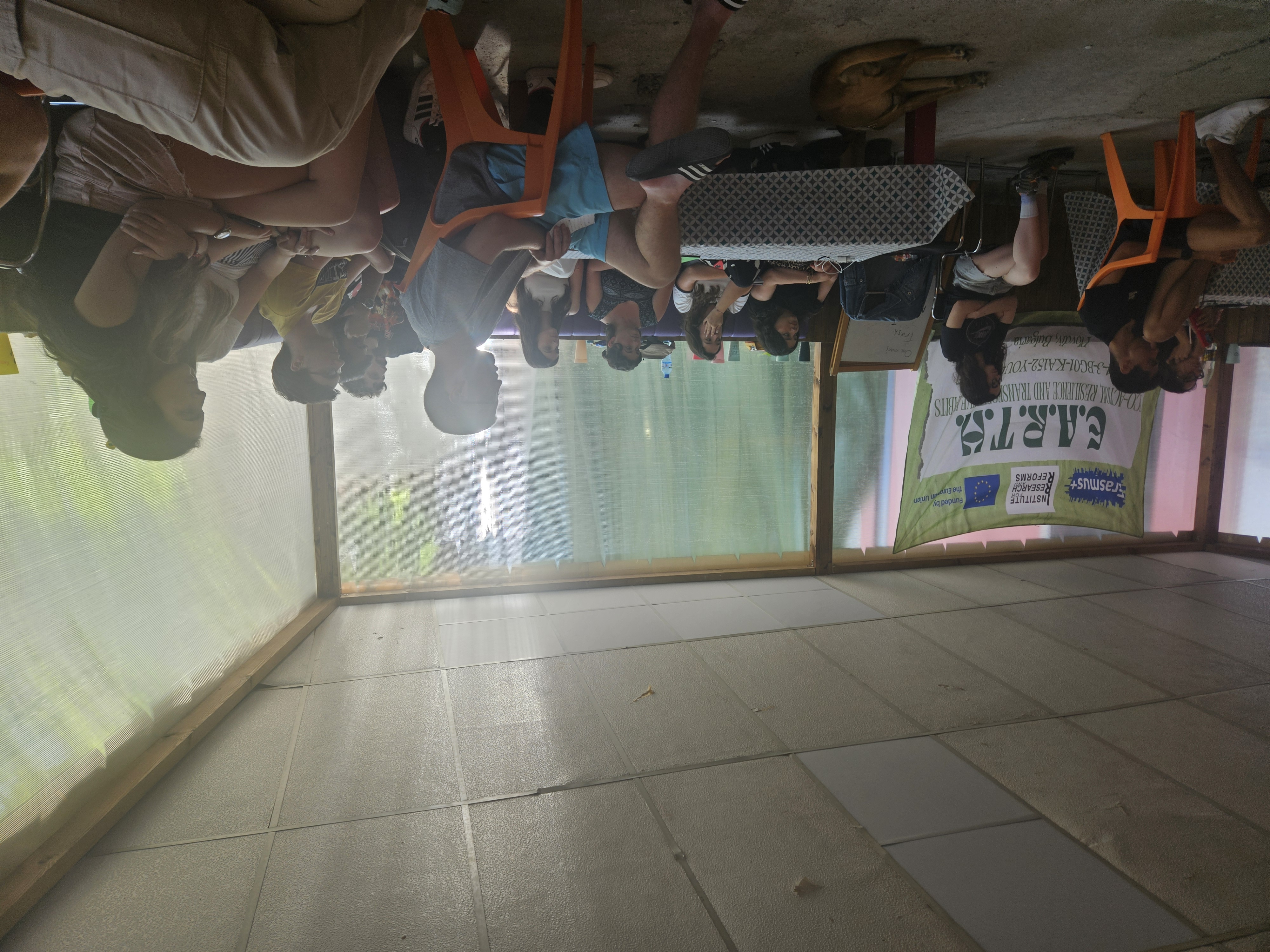
In the following days, we began focusing more directly on the project's main subject. We first talked about Erasmus+ and Youthpass and explored different project types such as KA1, KA2 and KA3.
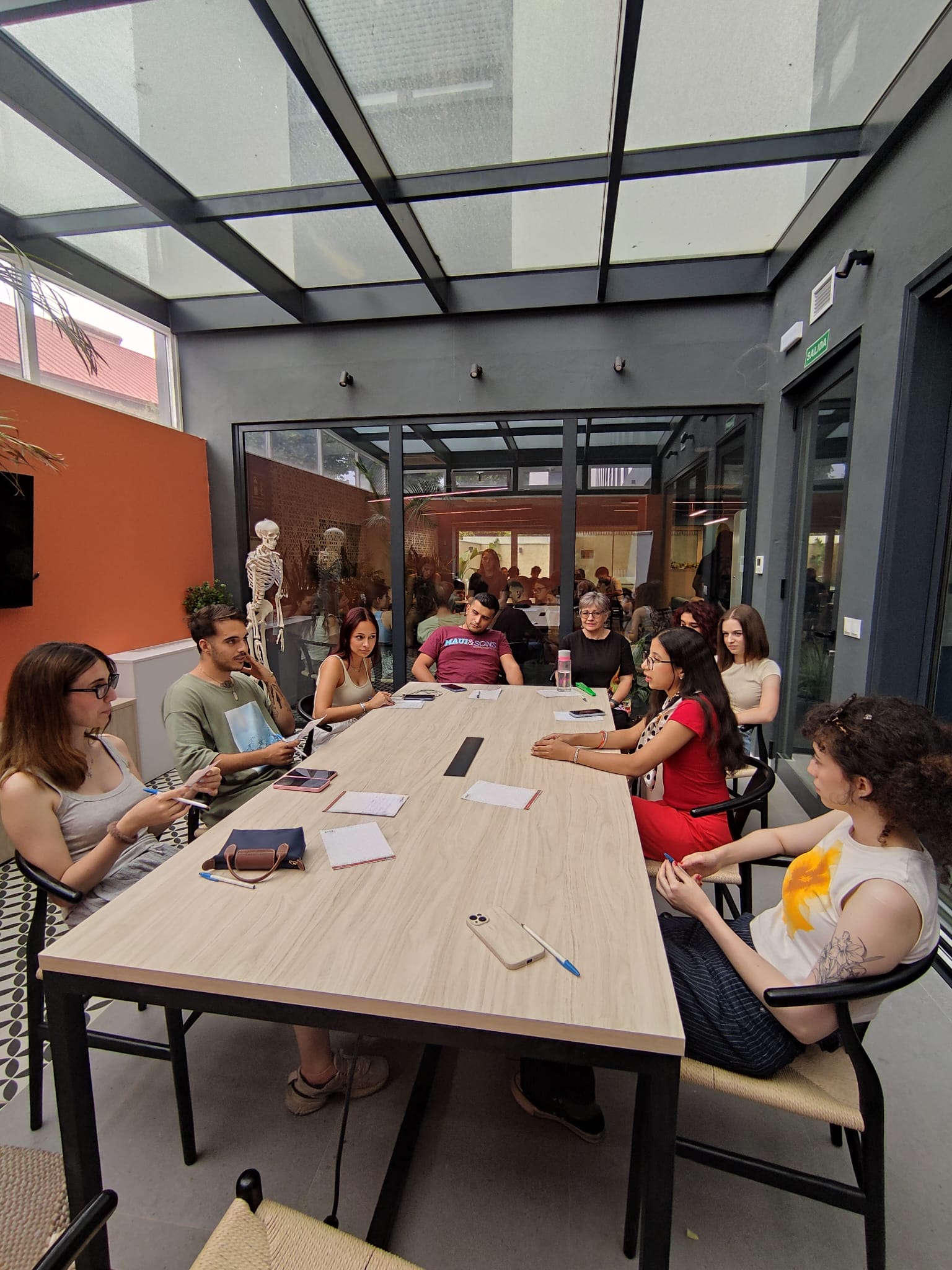
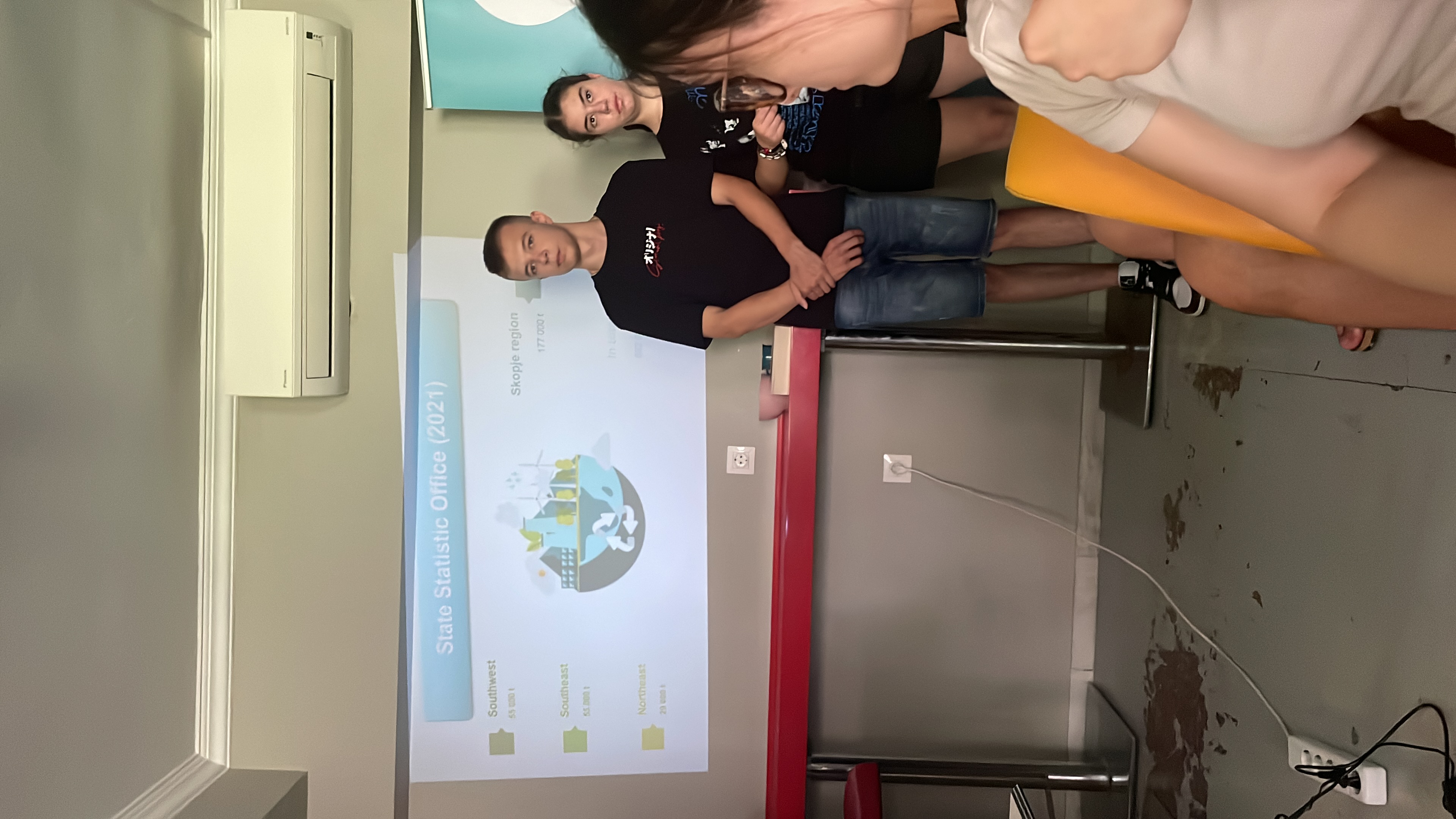
We then worked on digital literacy. Each national group researched the state of digital literacy in its country and shared the findings with the other participants.
It was fascinating to see how differently the same concept could be approached in different countries. I compared my own experiences with those of young people from elsewhere. In some areas we were very similar, while in others there were significant differences.
One poster, one idea and a little creativity
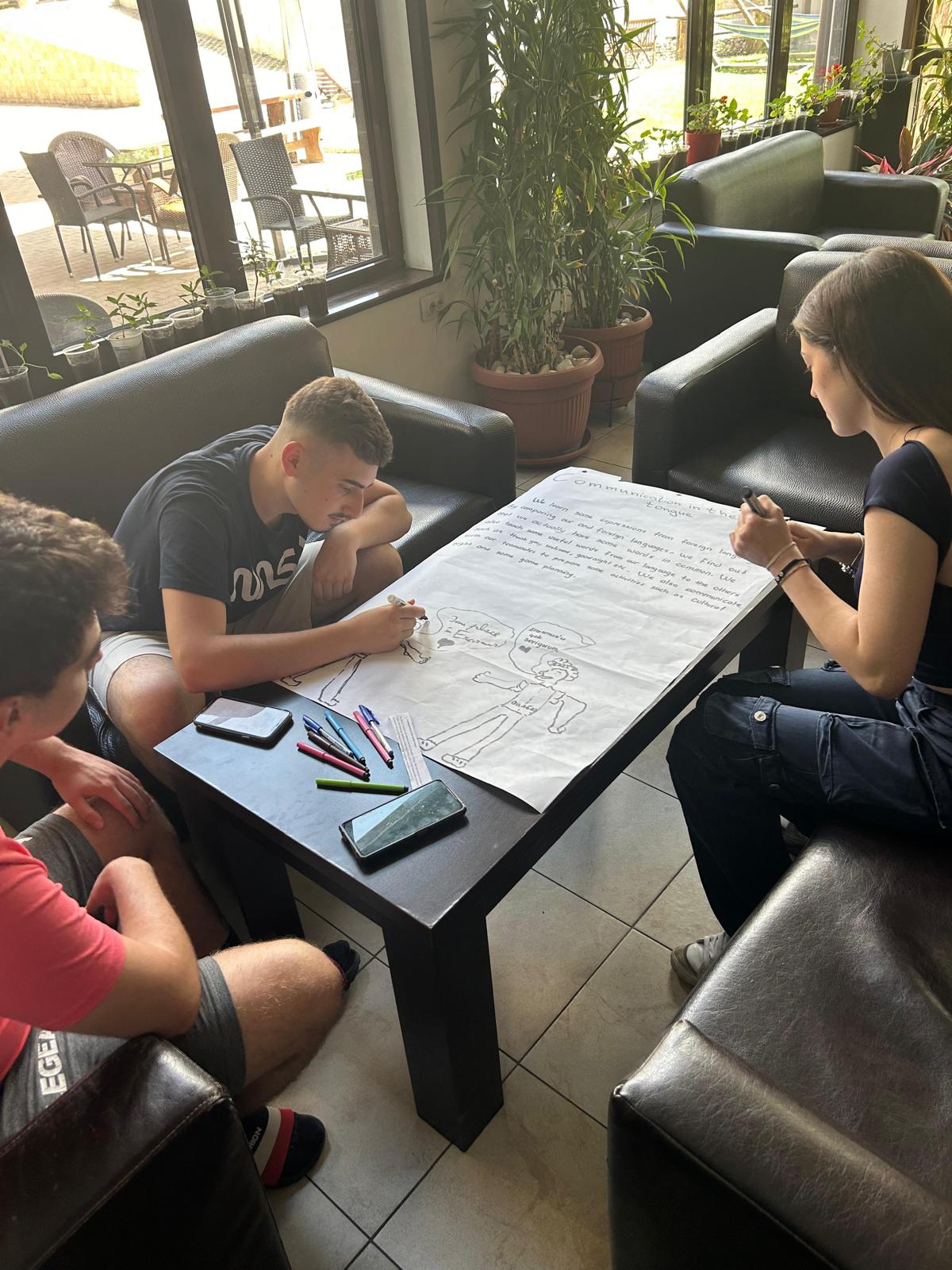
Then we moved into practical work. In groups, we designed posters using Canva and Piktochart. My group worked on "5 digital tools for young people" and "Digital tools we use every day."
I had used Canva before, but this time the goal was not simply to make something visually attractive. How could we make information easier to understand? What should a young person notice first? How much text should we use? What information could become visual?
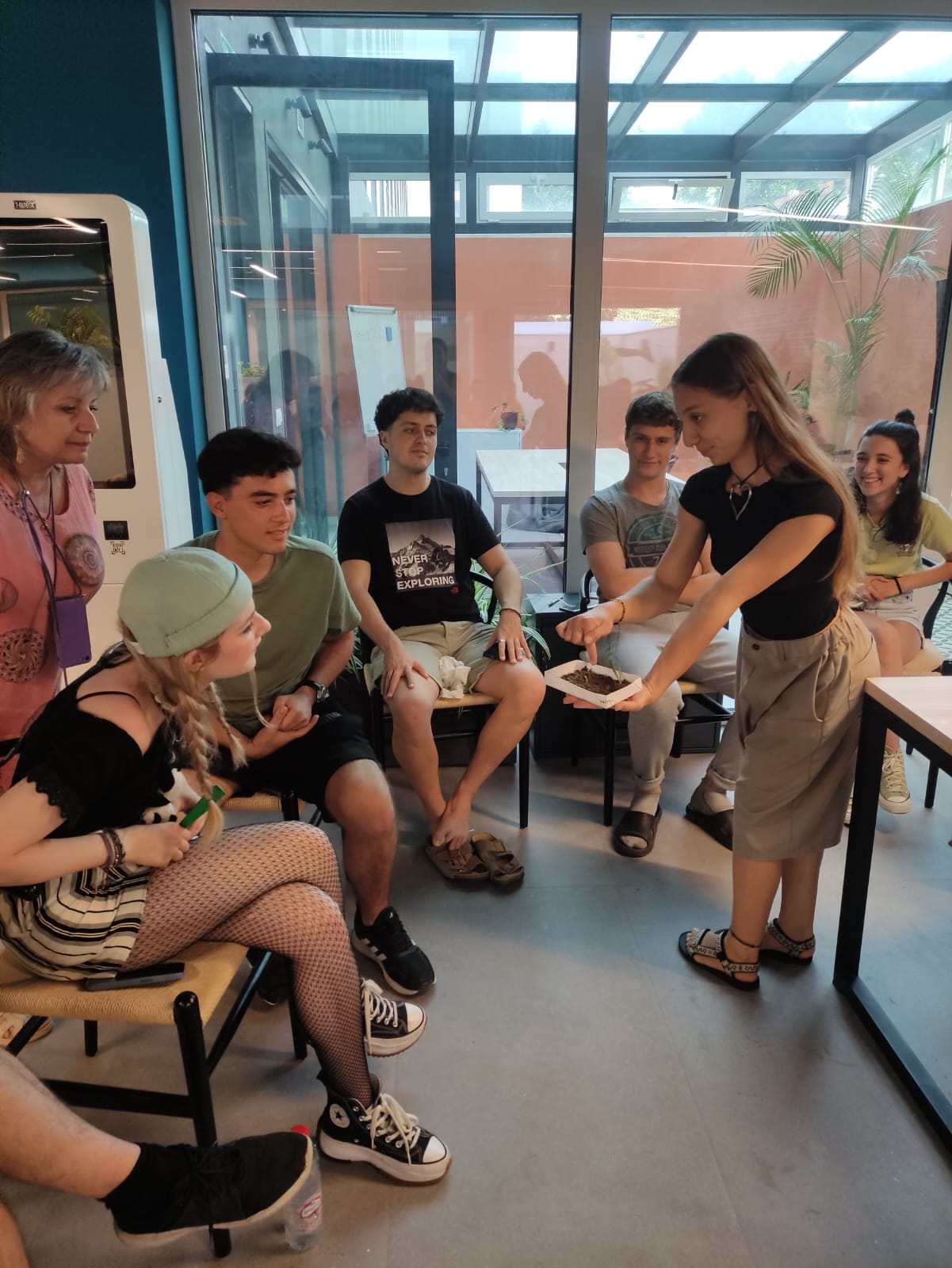
When we presented our work, I saw another side of collaborative creation. One group's design inspired another, while feedback from someone else helped improve our own work. I might have worked faster alone, but together we generated more ideas.
Meeting CapCut: "Am I really going to make videos too?"
Video work became one of my favorite parts of the project because I had known almost nothing about video editing beforehand.
We first learned the basic features of CapCut and discussed different video tools and the production process. Then we formed groups, developed ideas, filmed and began editing.
As I found myself saying things like "Let's cut this part," "Let's add music here," "Let's change this" and "Maybe we should shoot it again," I realized that I was genuinely inside the production process.
Cultural nights: Stepping outside the digital world
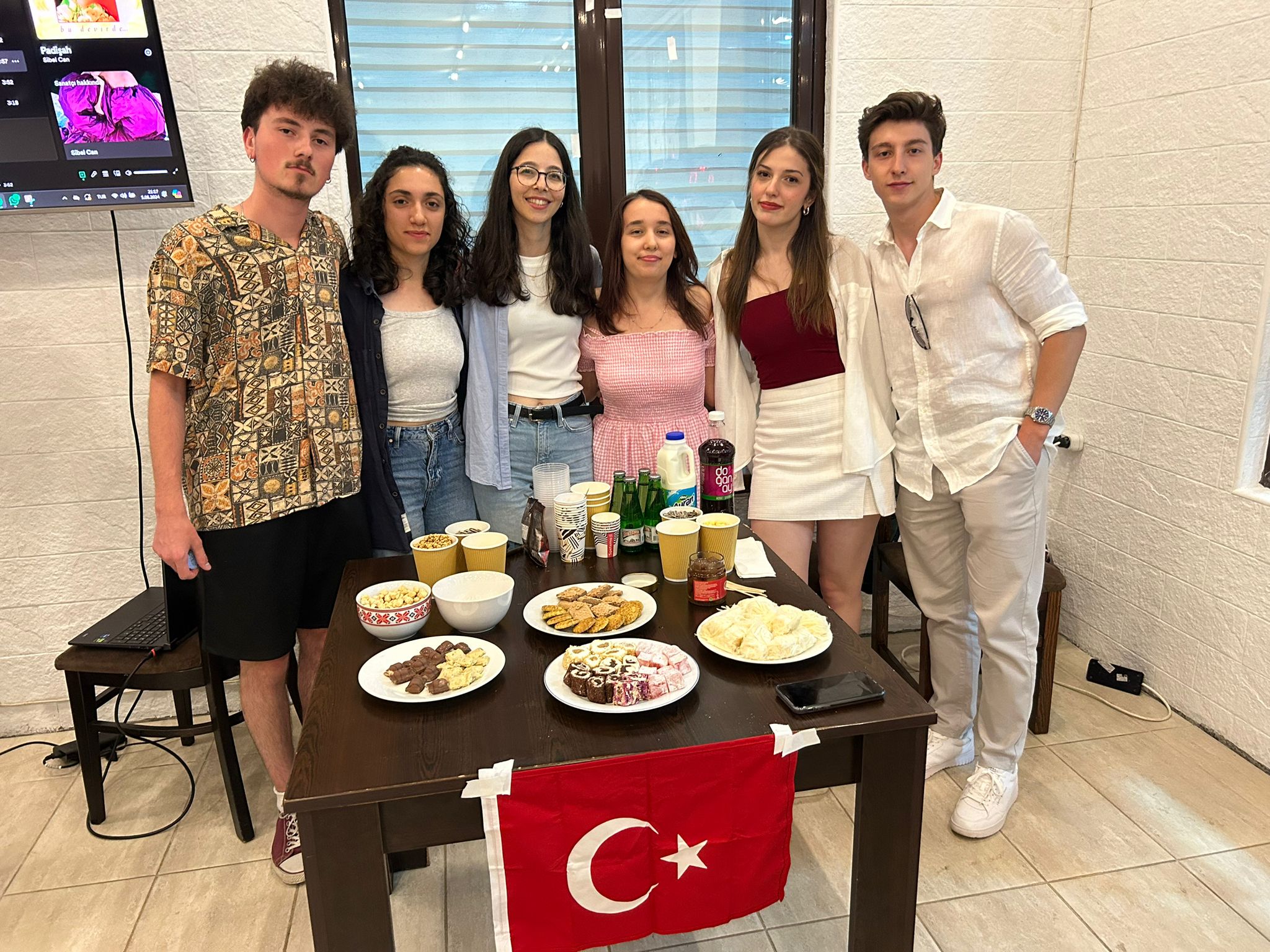
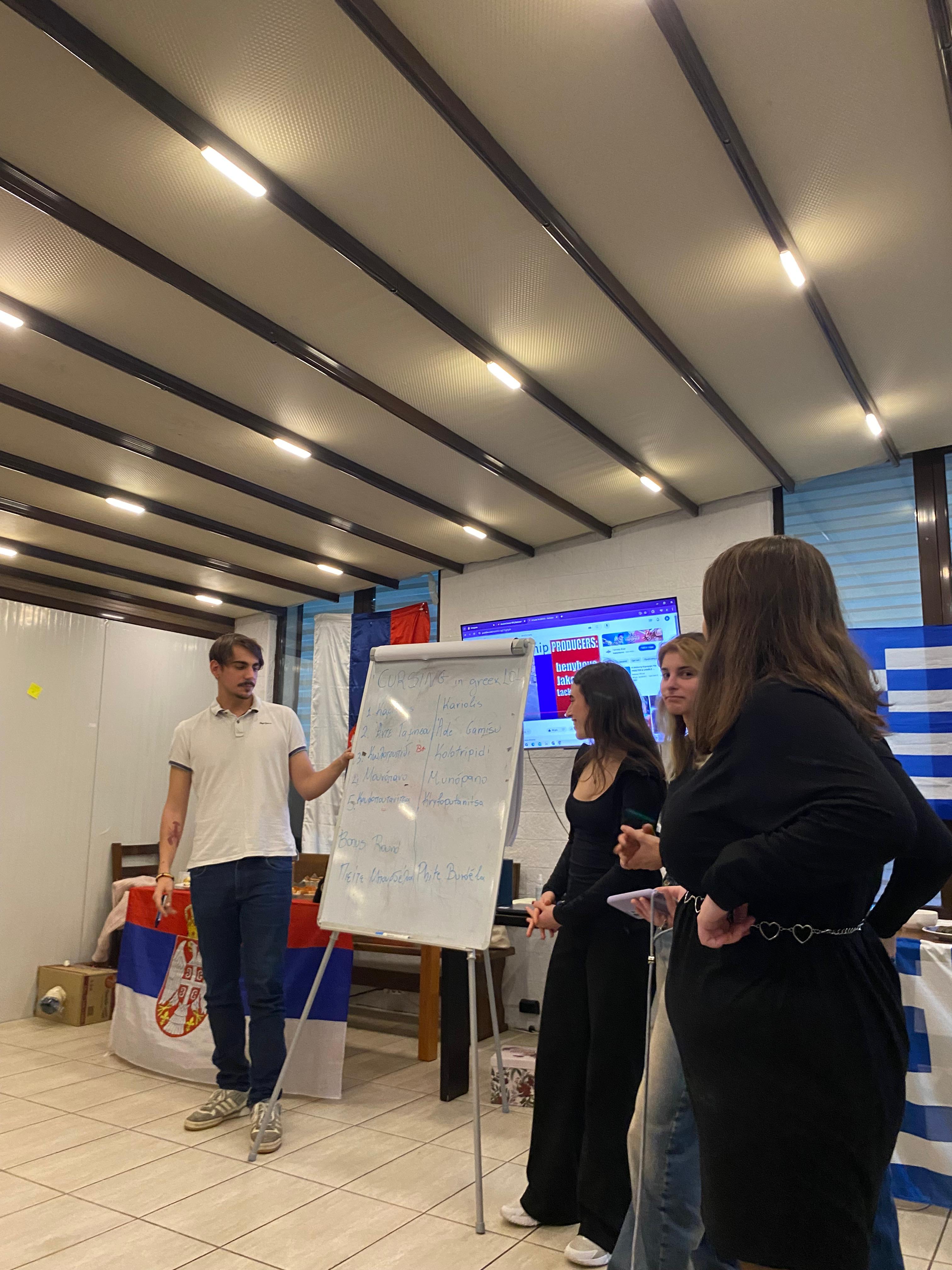
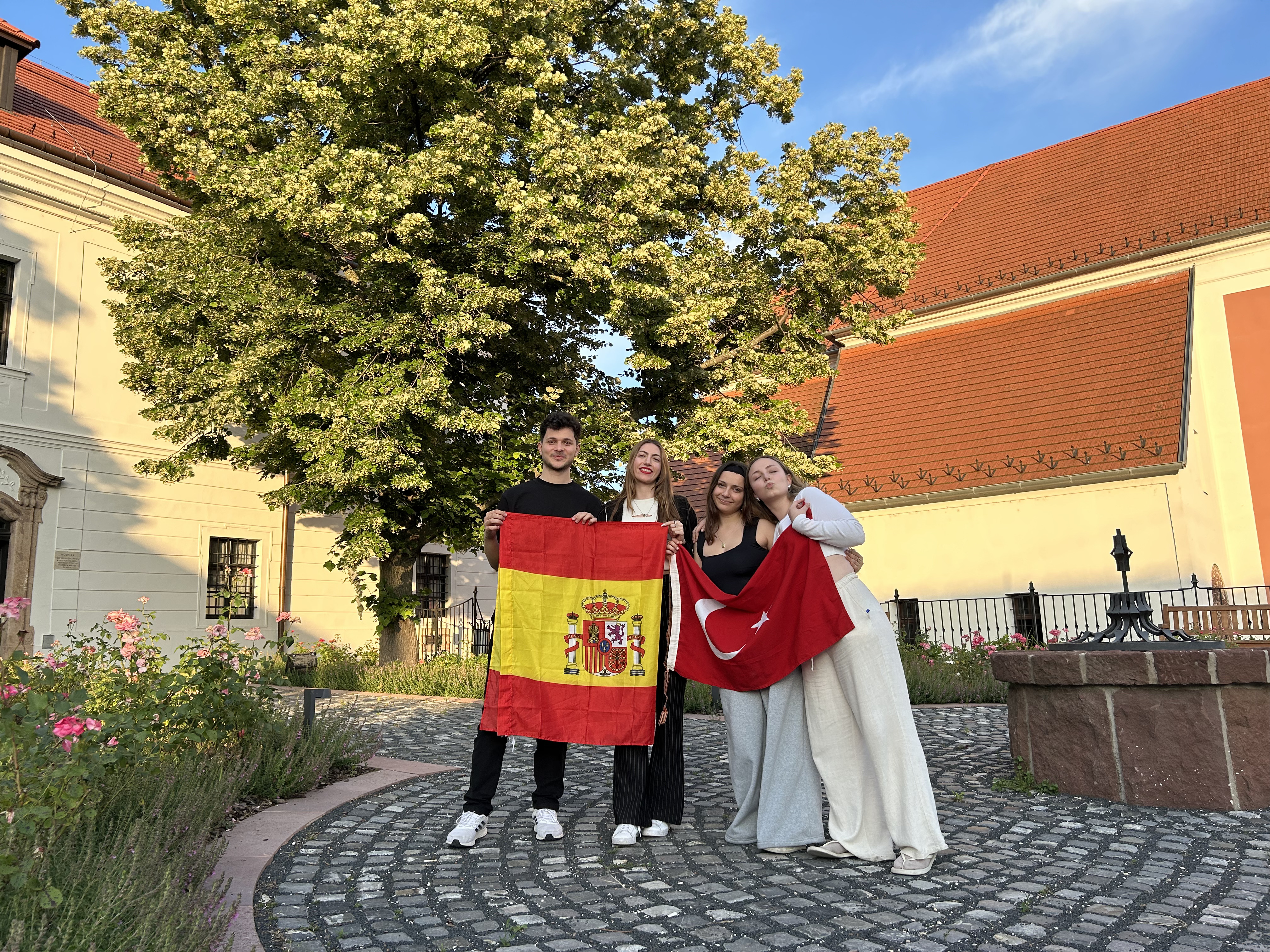
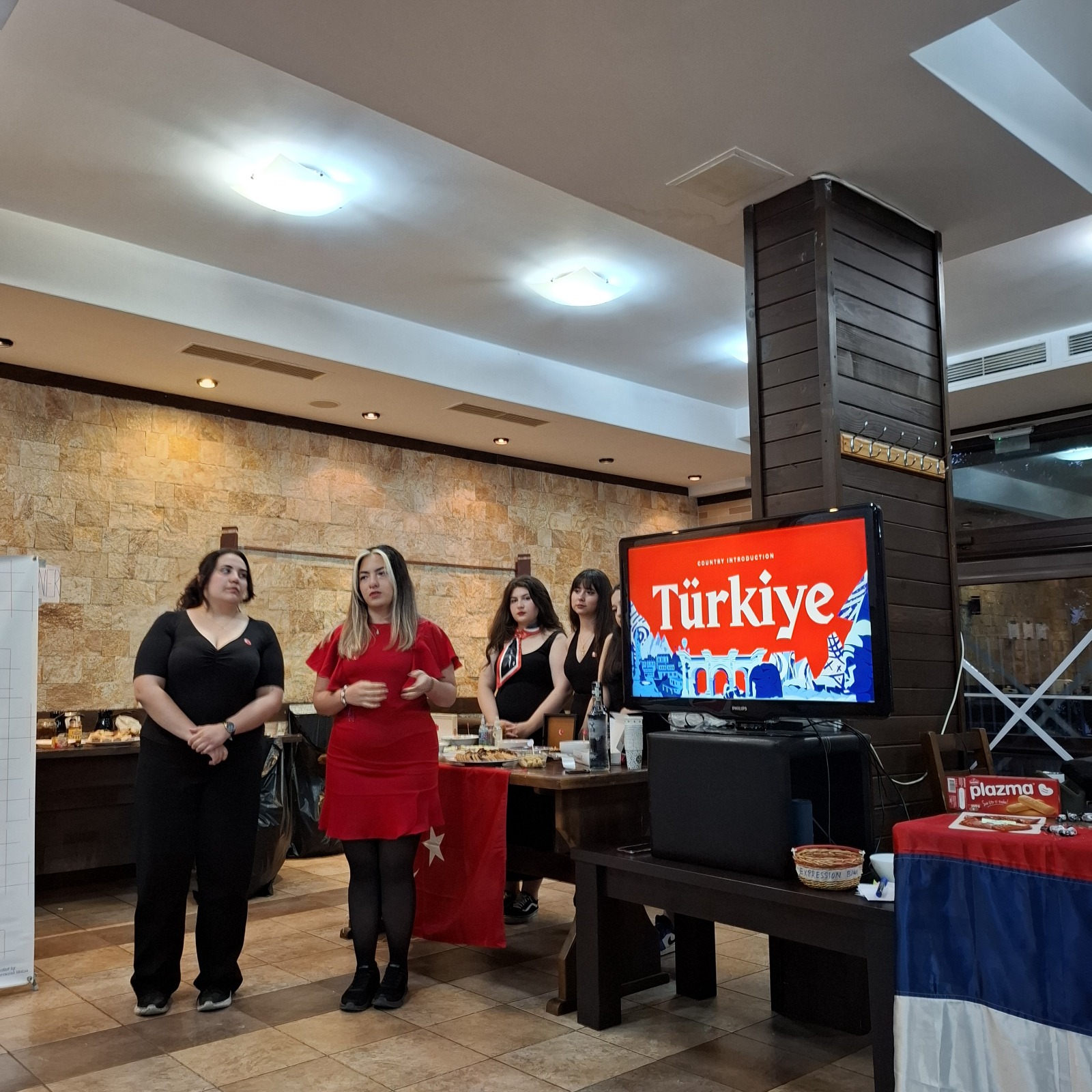
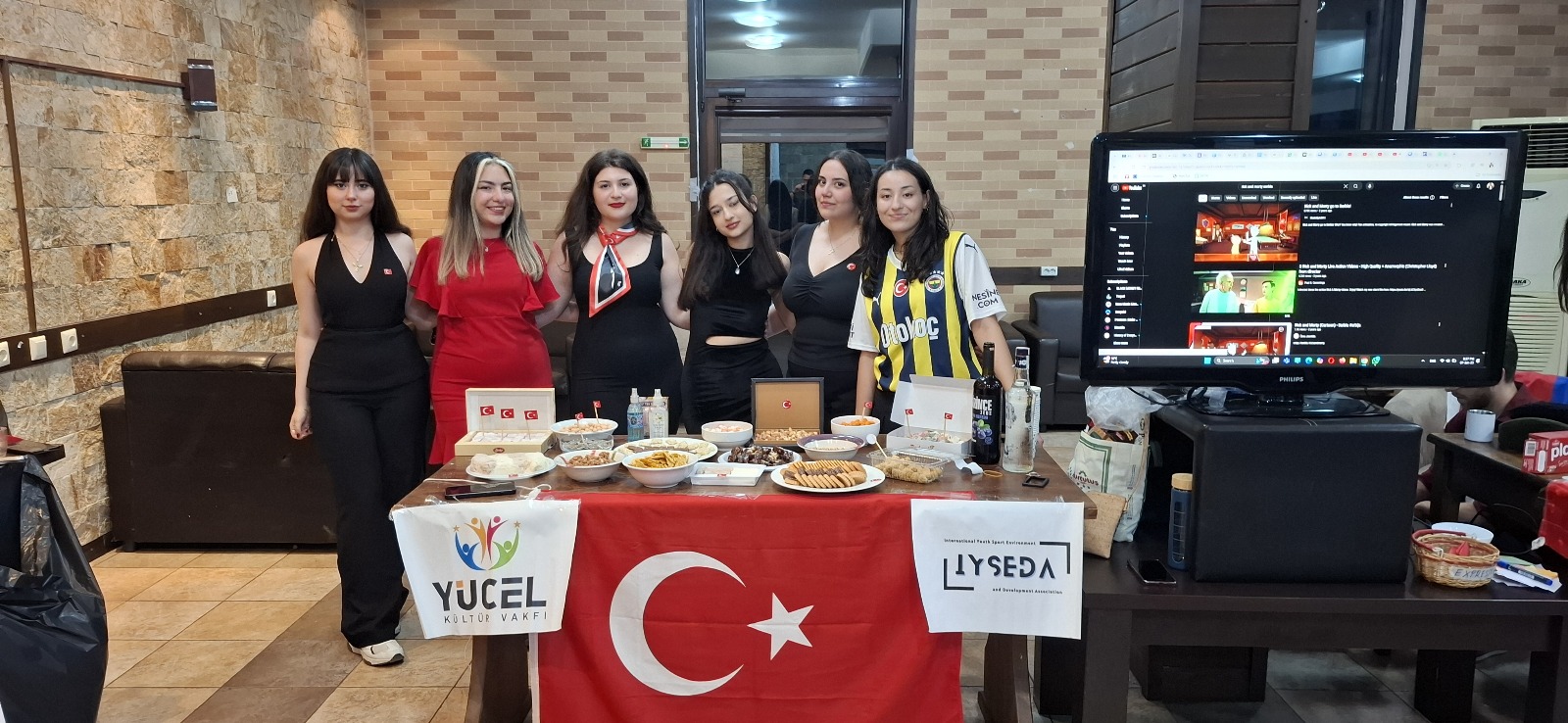
Digital Horizons was not only about training sessions. In the evenings, we held cultural nights. Romania and Bulgaria went first, followed by Türkiye, Serbia, Czechia and Greece.
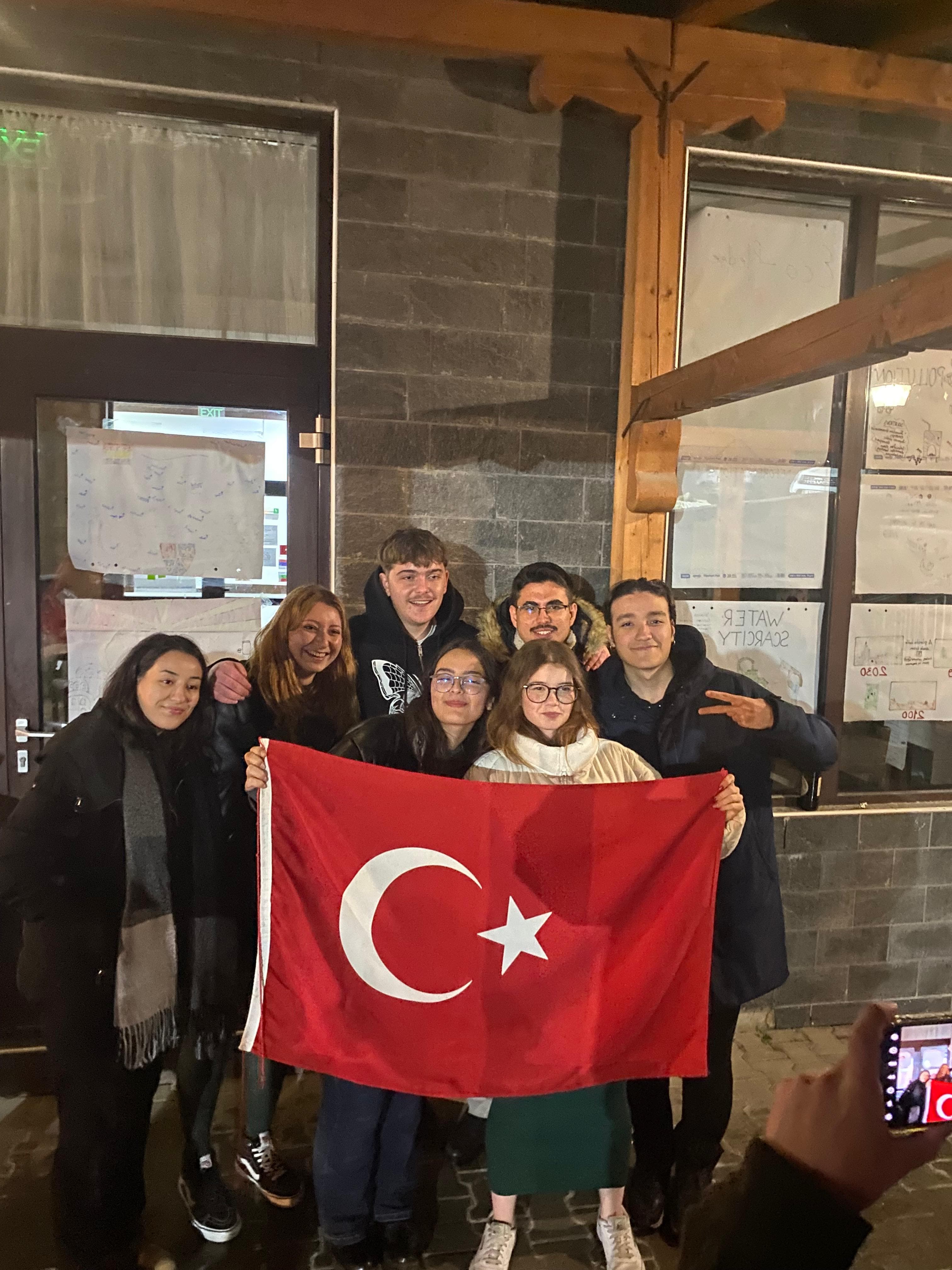
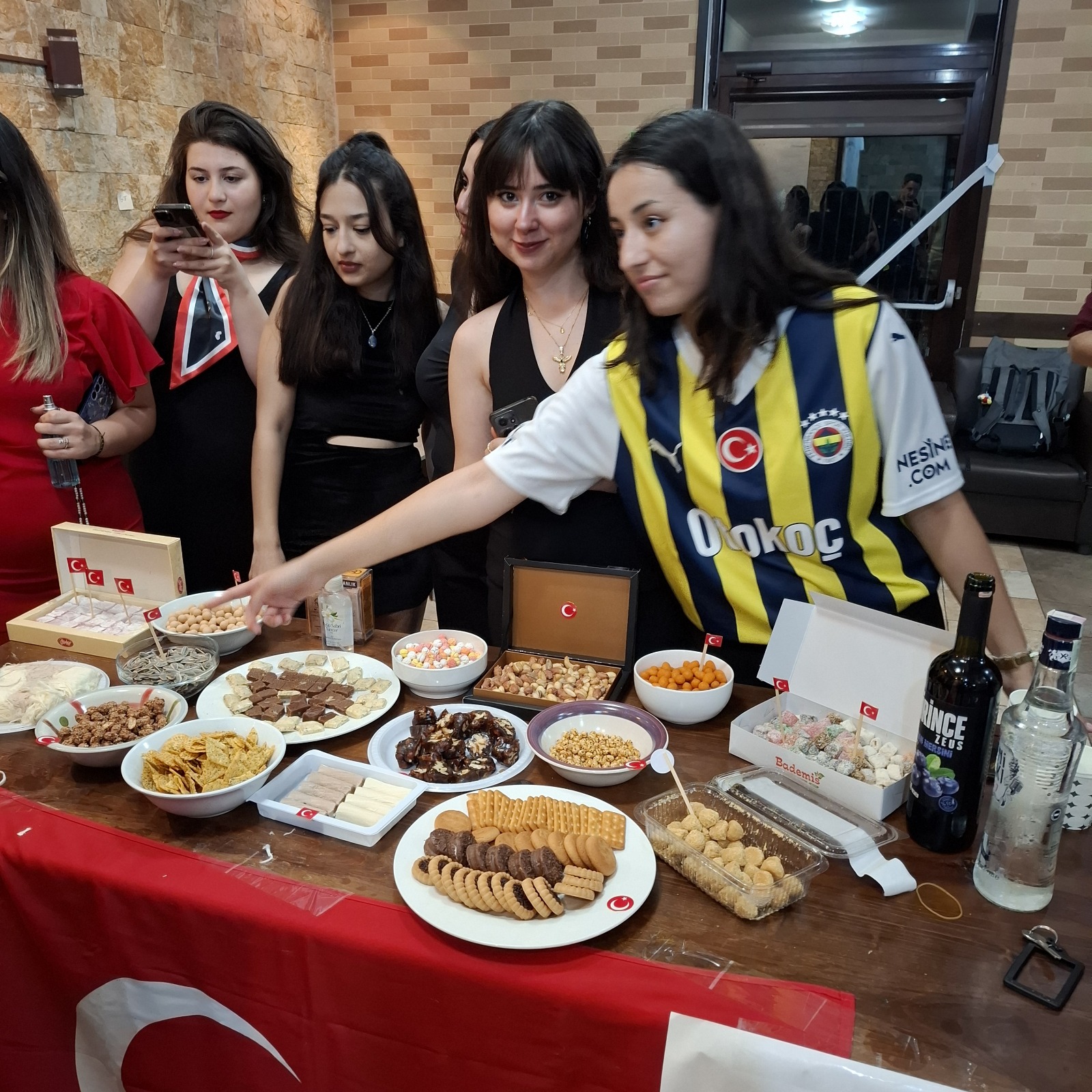
For the Turkish night, we prepared two videos about our country, gave a short presentation and organized a quiz that tested people's knowledge of Türkiye in a fun way. Then came food, music and dancing.
I learned new things during the other cultural nights as well. Reading about a country's history or geography is one thing; talking with a young person from that country, listening to their favorite music and tasting food they brought is something entirely different.
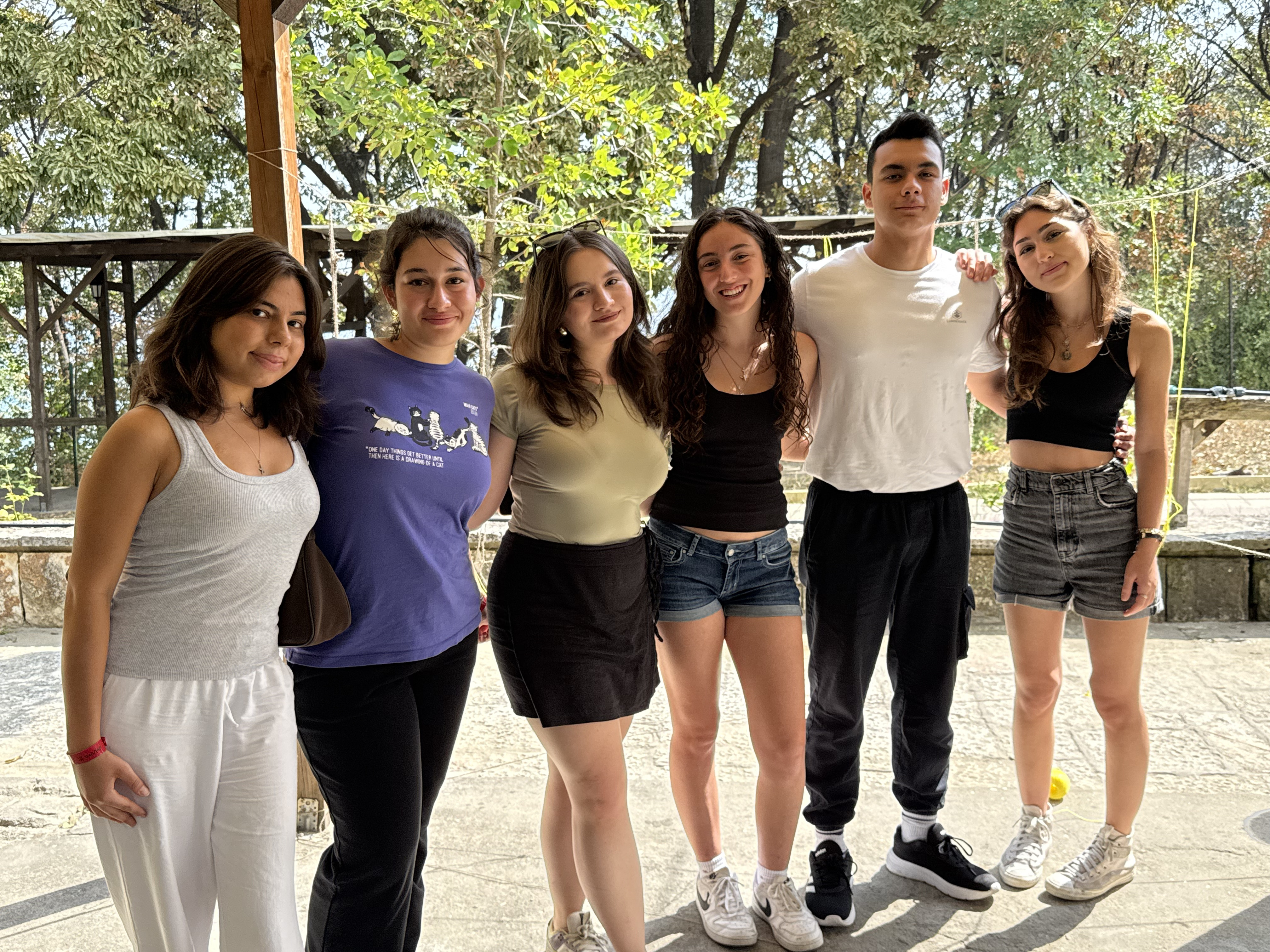
I had never had a friend from Czechia before. In that sense, the project gave me another first.
Padlet, LinkedIn and my digital identity
The next day we began working with Padlet and everyone created their own posts. Then we moved on to a LinkedIn workshop.
We discussed how LinkedIn works and how to build a professional profile. I volunteered to use my own profile as an example, and together we looked at profile photos, biographies, experiences and digital visibility.
Some participants created accounts for the first time, while others updated existing profiles. It made me think about how our digital identity can now be almost as important as our identity in everyday life.
What am I doing on social media?
As our social media activities continued, the topic became more personal. We prepared posters for different platforms and then calculated our carbon footprints.
How many Earths are we consuming? What impact do our daily habits have on the environment? What other consequences come with the convenience technology gives us?
The social media part was particularly striking for me. With a phone in my hand, I can spend hours consuming content. But with the same phone I can create a video, design something, develop a project or learn something new.
Escaping into the city for a day
On our free day, I went to Bansko's town center with Romanian and Czech friends. We walked around, did some shopping and explored the city.
I think a day without training can be an important part of a project too. Sometimes you do not need a workshop to really get to know people. Walking together, having coffee or simply talking about the city can be enough.
From surveys to mind maps
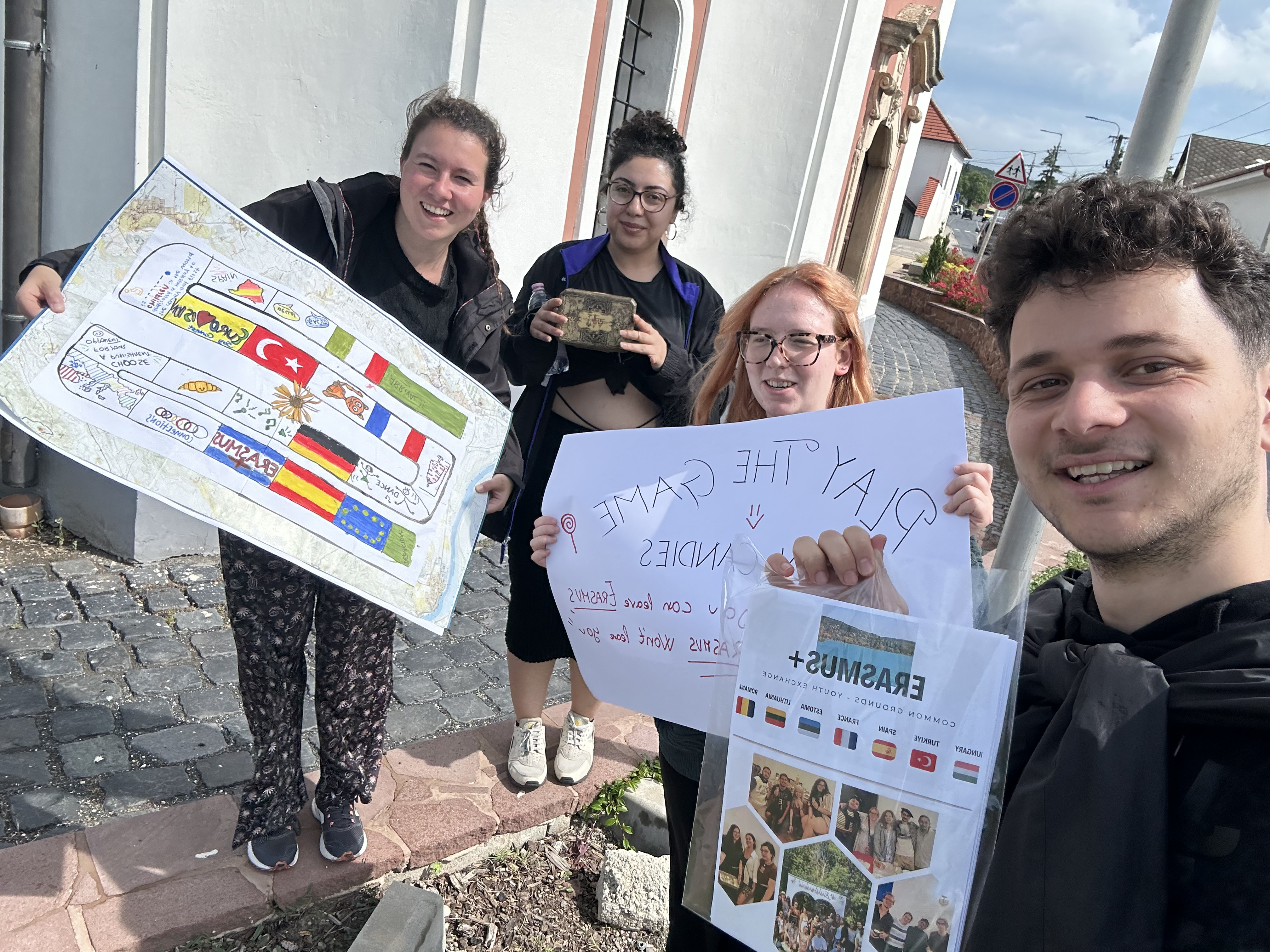
Back in the workshops, we learned about survey creation tools. We formed groups, prepared questions about the countries represented in the project, shared our surveys and turned reaching the most respondents into a small competition.
Then we moved on to mind mapping. We explored how we organize a subject in our minds, identify subtopics and represent those relationships visually.
My group created a mind map about films. At the end of the day, we created Kahoot! quizzes for everyone to play. In the evening we watched Ex Machina, approaching the technology and digital-world topics we had discussed throughout the day through cinema.
Hours inside one Canva file: The Erasmus+ Handbook
One of the most intense days for me was the day we prepared the Erasmus+ Handbook. We divided into groups and everyone had a different responsibility. My group was responsible for design.
After waiting for the other groups to complete their content, we began working on the cover, colors, typography, page layouts, images and placements.
Every detail that looked small took time. Sometimes we waited for content, and sometimes we revised the same design repeatedly. But when all the pages finally came together, we had created something genuinely meaningful.
Thinking about ourselves too
Later in the project, we worked on stereotypes. We discussed the role of gender stereotypes in our lives, shared our own experiences and gave examples from our countries.
Then we created social media content that challenged and reversed those stereotypes.
This reminded me that digital tools are not merely technical. We were not simply creating an image. We were communicating a message, making an idea visible and opening a discussion.
Group leadership: Patience really matters
Another important experience was group leadership. When you lead a group, you cannot think only about your own task. You have to follow what everyone is doing, find solutions when problems arise and sometimes find common ground between two different ideas.
One thing I discovered about myself was that I could be more patient than I expected. In an environment where people from different backgrounds work together, I saw just how important that can be.
Toward the final days: What had I written at the beginning?
As we approached the end, we returned to the expectations, fears and contributions we had written down on the first day.
Looking at those papers again, I could genuinely feel a difference between who I had been on the first day and who I was at the end. Some fears had become meaningless, some experiences had gone far beyond my expectations and some of the things I learned had never been planned at all.
We talked about Youthpass, reflected on the skills we had developed and evaluated the project using the Pizza Method. Finally, we had our Youthpass ceremony.
The last night: Laughter and a little sadness
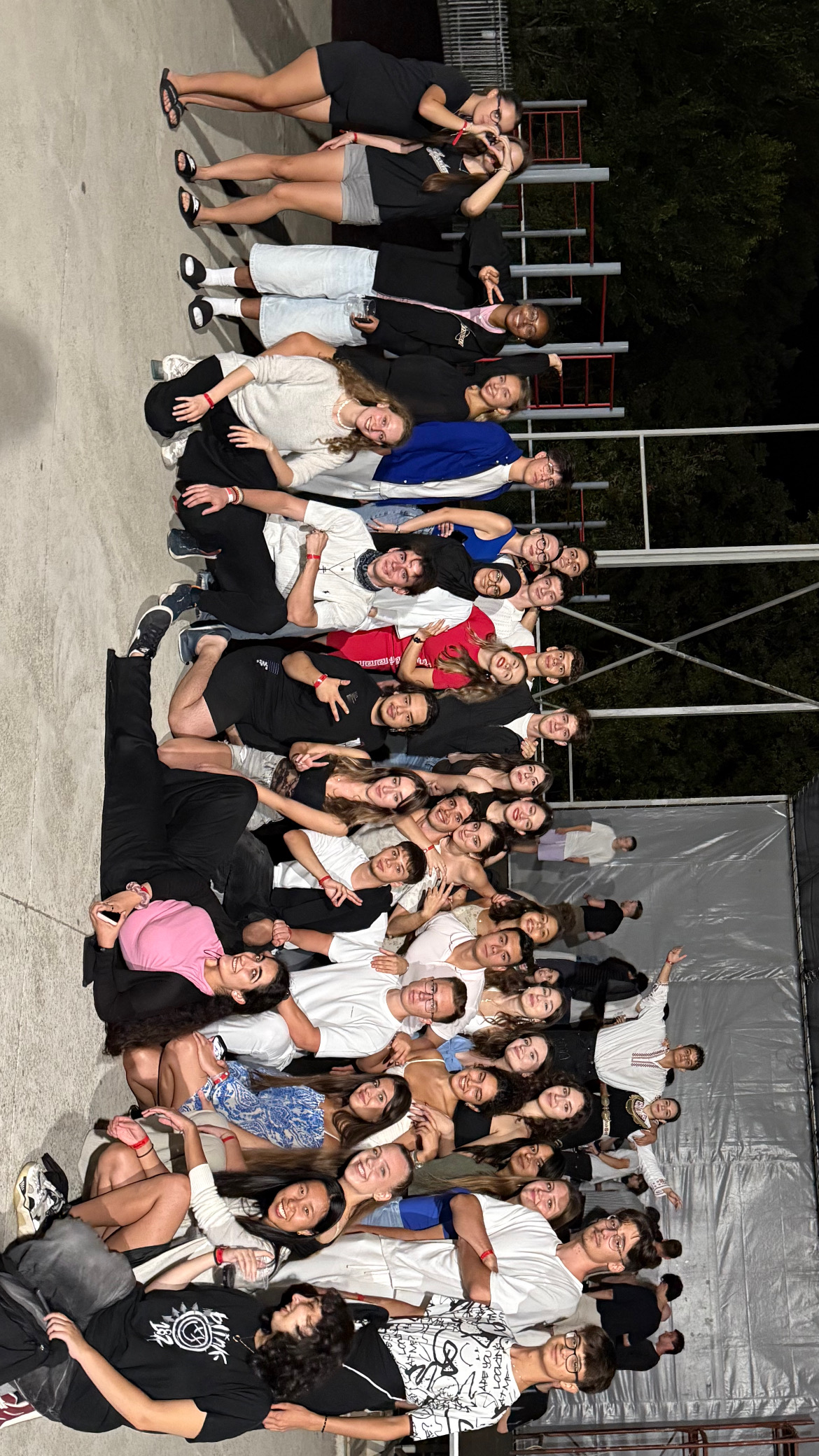
On our final night we held an Oscar ceremony and a farewell party. Everyone seemed happy and a little sad at the same time.
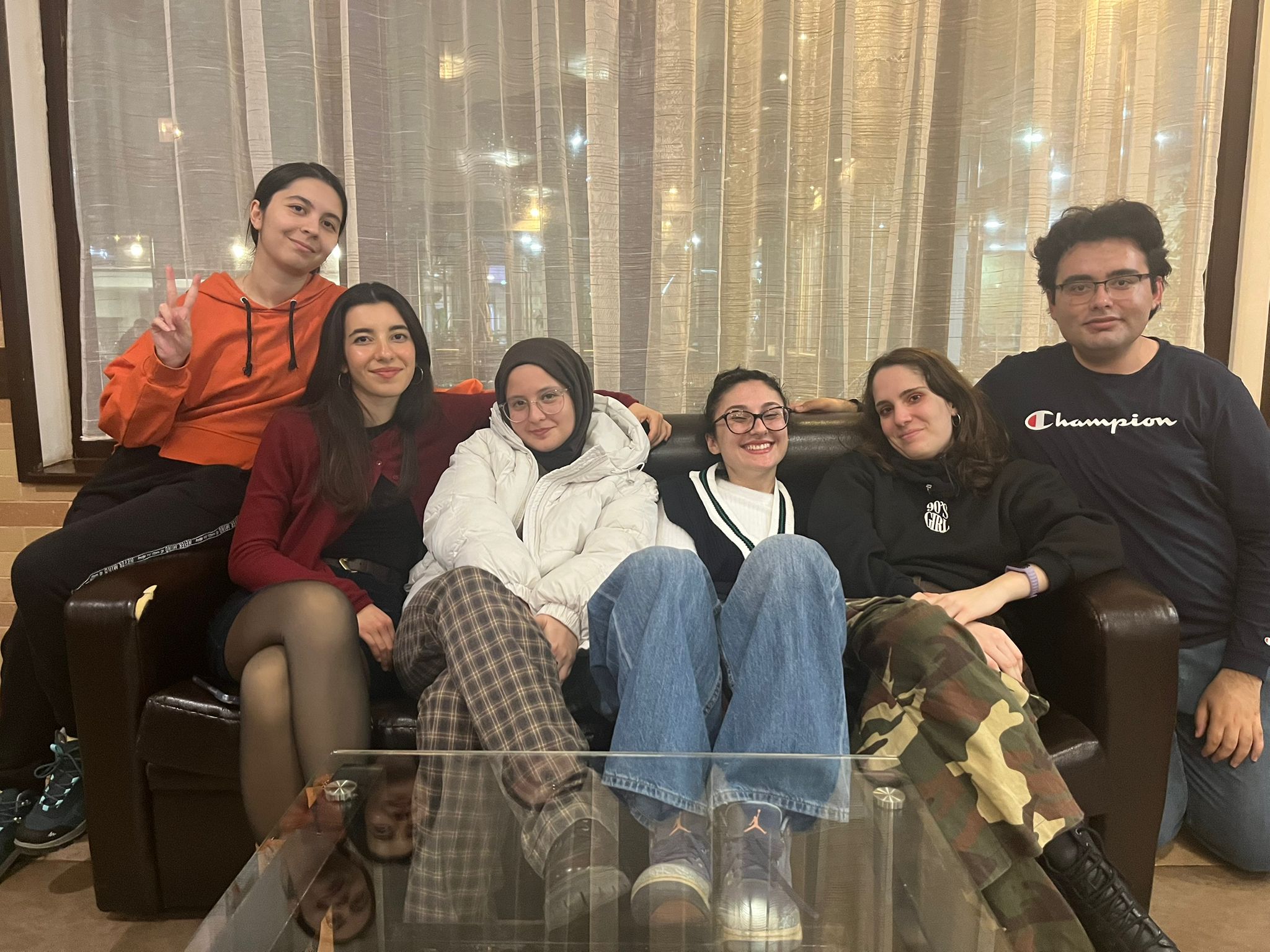
People we had not known only days before had become small but meaningful parts of our lives. We had worked, debated, laughed, shared food, danced and discovered one another's countries together.
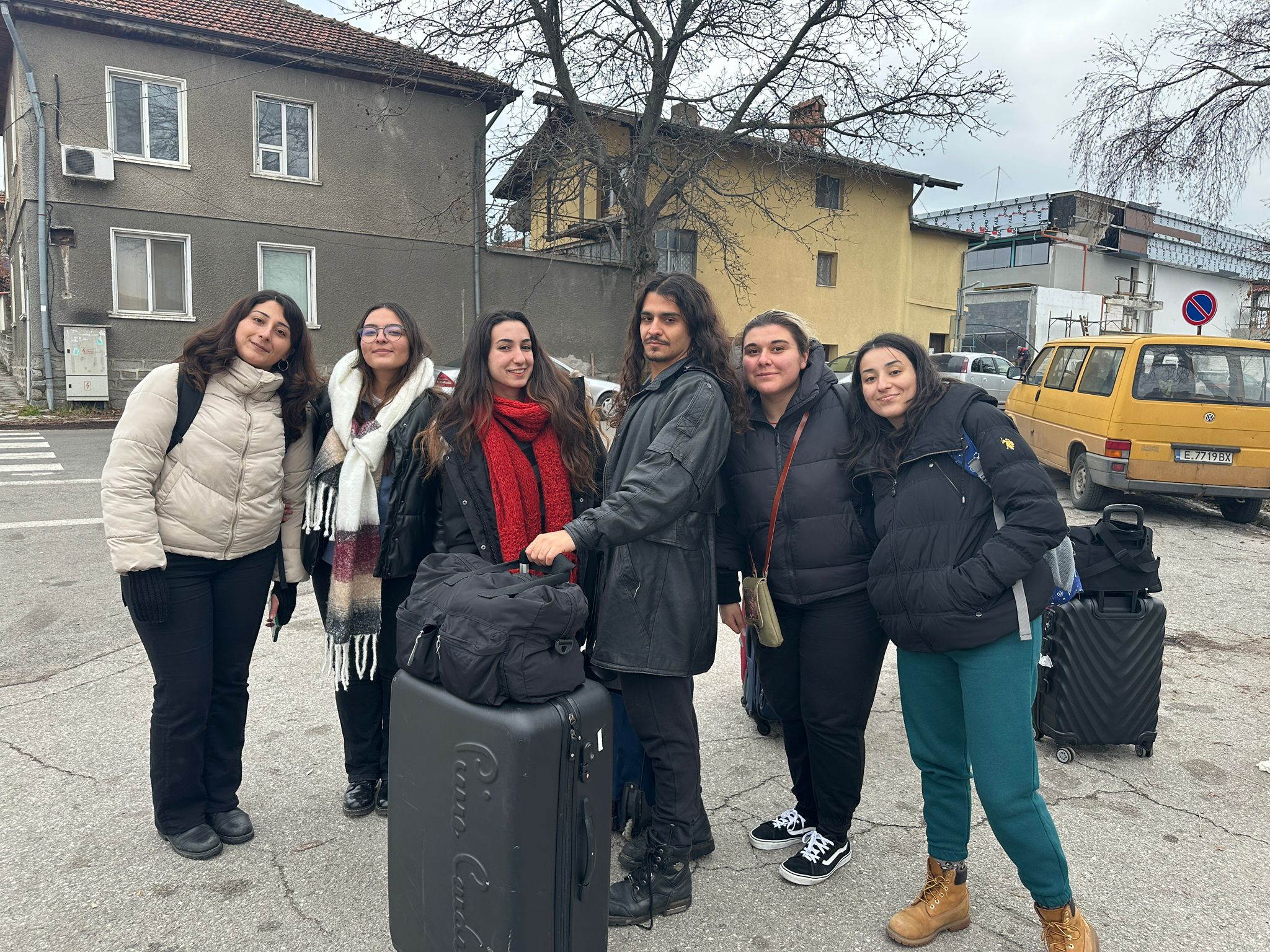
Early the next morning, the Turkish team left the hotel. As I left Bansko, dozens of thoughts were going through my mind, but one question kept returning: how had 11 days passed so quickly?
What was I carrying home?
There were clothes in my suitcase, of course. But they were not the most important things I was carrying.
I was carrying new digital skills, new friendships, small stories from different cultures, the Handbook we had created together and, most importantly, new realizations about myself.
Before Digital Horizons, I did not know how to edit videos. Now I can do the basics. I had never had a Czech friend. Now I do. I had never experienced group leadership in this way. Now I know what it feels like.
What did Digital Horizons teach me?
It would be unfair to describe this project simply by saying, "I learned 10 or 20 new digital tools." For me, it was much more than that.
It taught me to use technology more creatively. It showed me that I do not have to be only a consumer on social media. It allowed me to experience both the challenges and the beauty of working with people from different countries, to test myself as a group leader, discover new cultures and build new friendships.
It also reminded me that learning does not have to happen in a classroom. Sometimes we learn while building a spaghetti tower, sometimes while staring at a Canva file, sometimes while editing a video, sometimes while talking to a friend from another country and sometimes simply while walking through the streets of a city.
I went to the project thinking I already knew digital tools. I returned realizing that I wanted to learn much more. The more I learn, the more clearly I see how much there is that I do not know.
Perhaps that is one of the best things about Erasmus+ experiences. Every time a project ends, something in you has changed a little. Sometimes it is your perspective, sometimes a habit, sometimes your courage and sometimes the way you think about yourself.
Looking back as I left Bansko, there was only one sentence I could say: I am so glad I came.
Now, as I prepare for another Erasmus+ experience, I am continuing with one of the best things this project left me: continuing to stay curious, learn and create.
I'm glad there was Digital Horizons. I'm glad there is Erasmus+. See you on another journey.
Digital Horizons Erasmus+ Project Participant Yücel Cultural Foundation Youth Page Erasmus+ Experience Stories