My First Erasmus+ Experience in Obzor: A Week of Discovering Myself
When I travelled to Obzor for my first Erasmus+ project and my first experience abroad, I did not know exactly what to expect. A week later, I returned having discovered not only a new country but also many things about myself that I had never noticed before.
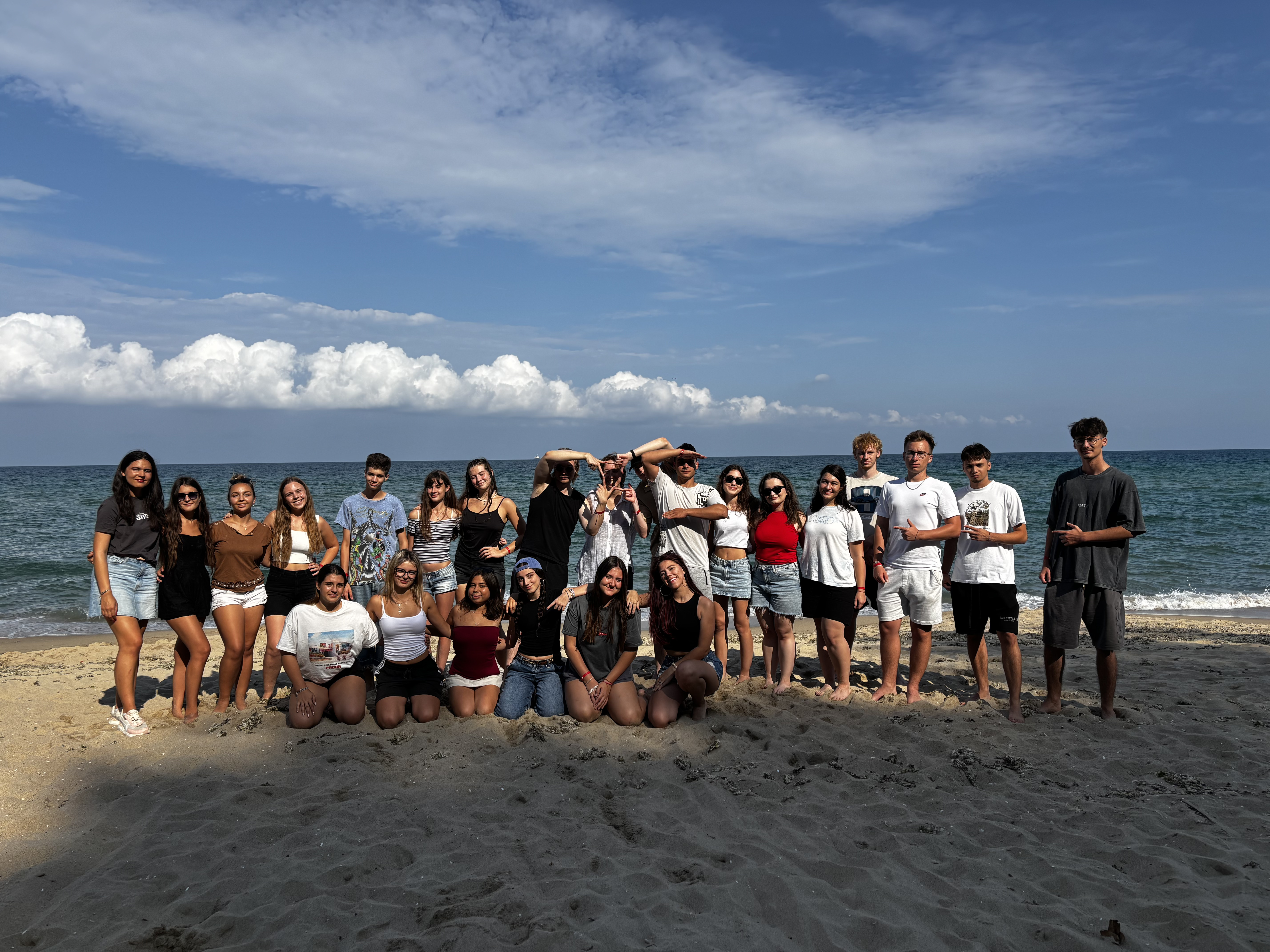
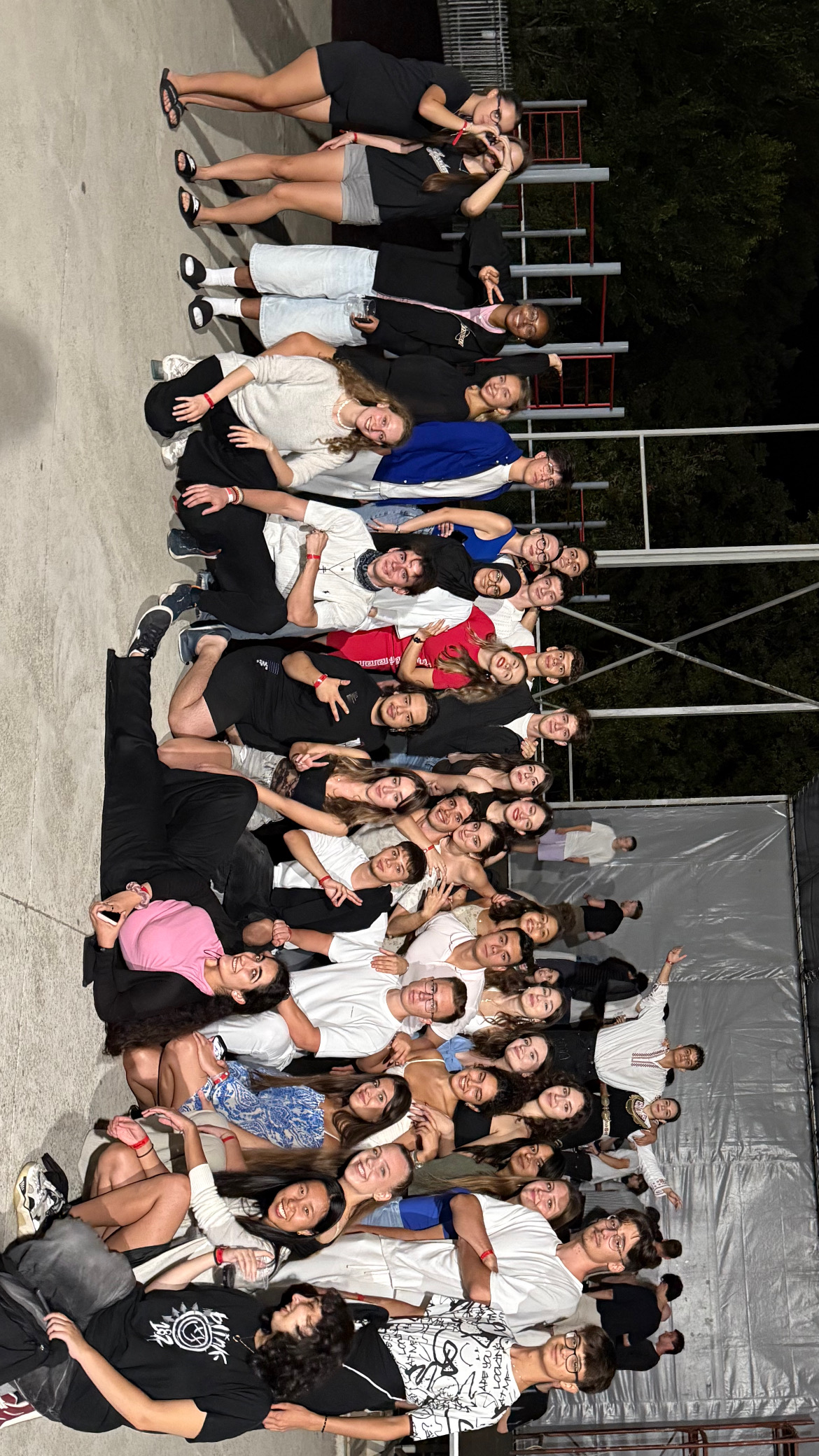
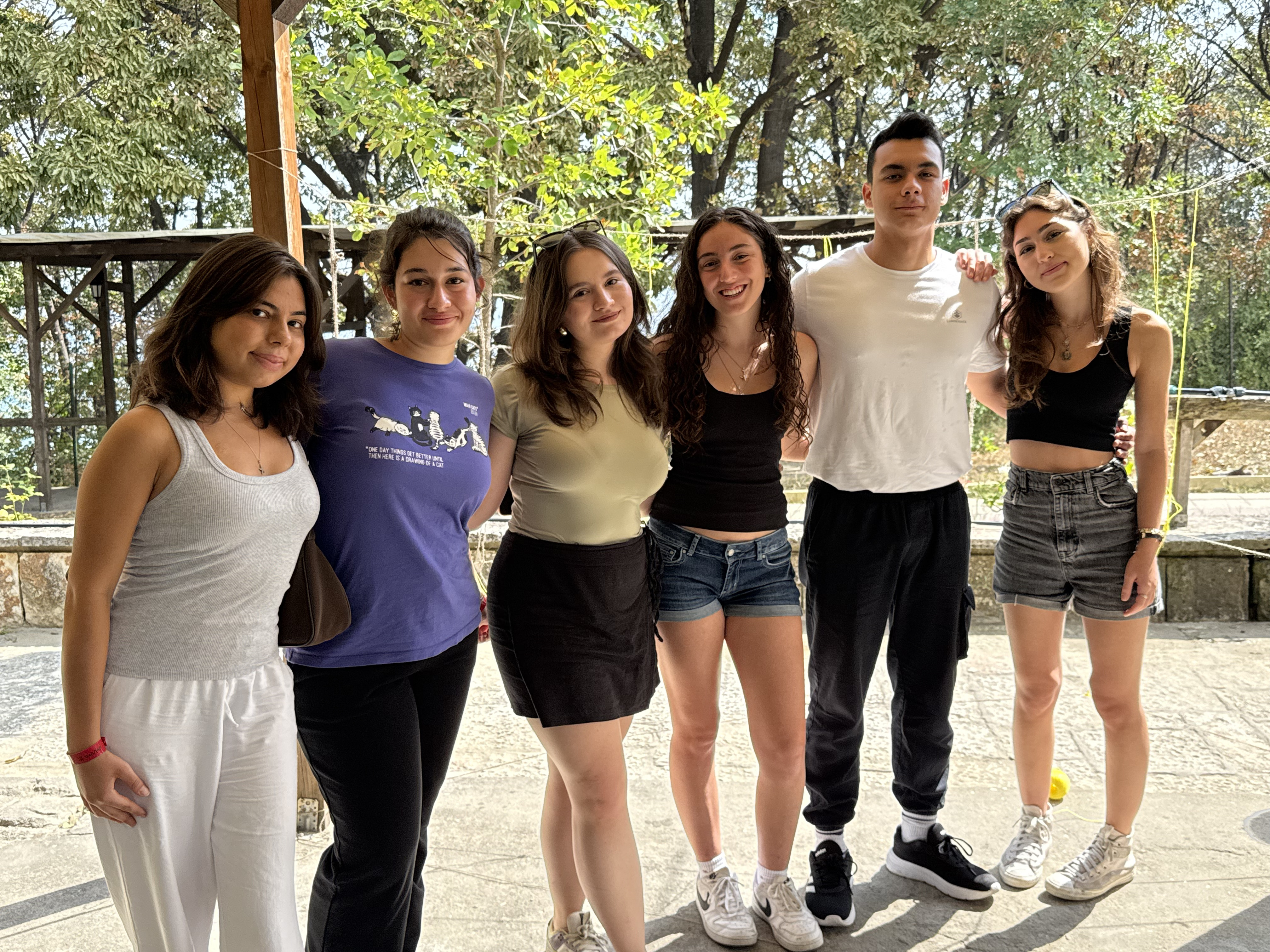
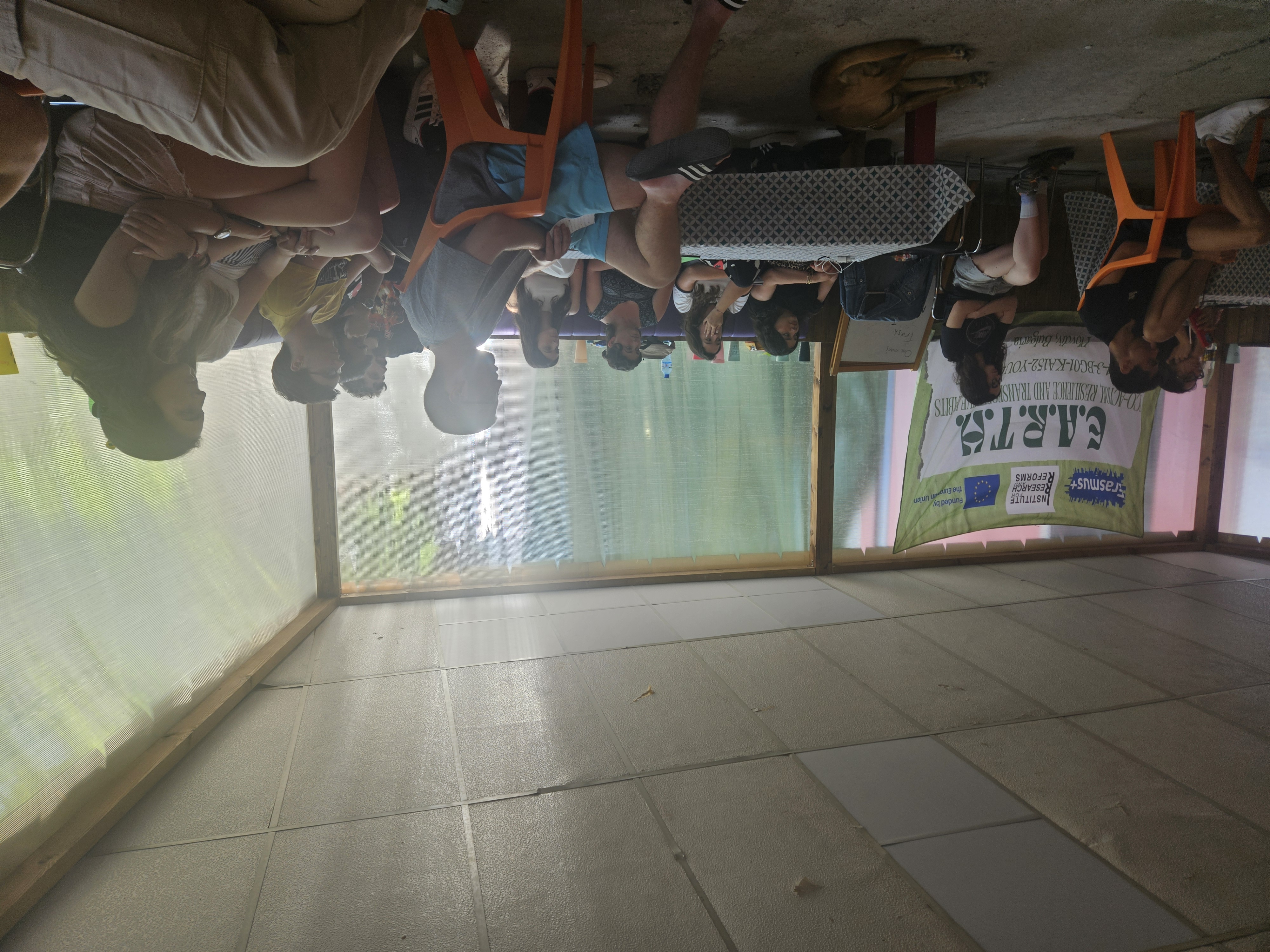
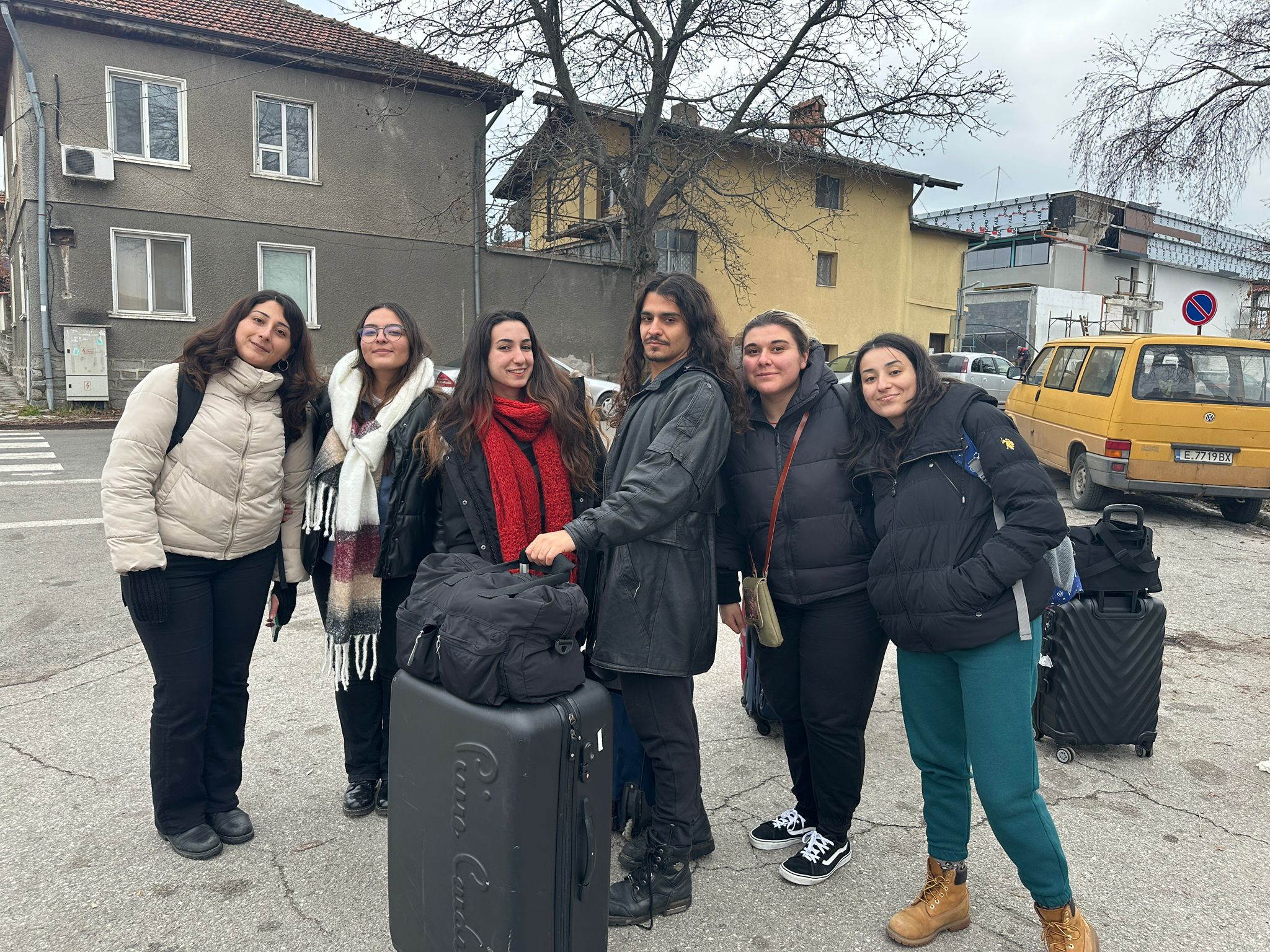
From 9 to 17 September 2025, I participated in the Erasmus+ youth exchange project "Digital and Eco-Friendly Leadership for Young Changemakers" in Obzor, Bulgaria. Young people aged 17-20 from Türkiye, Bulgaria, Romania and the Czech Republic came together for the project.
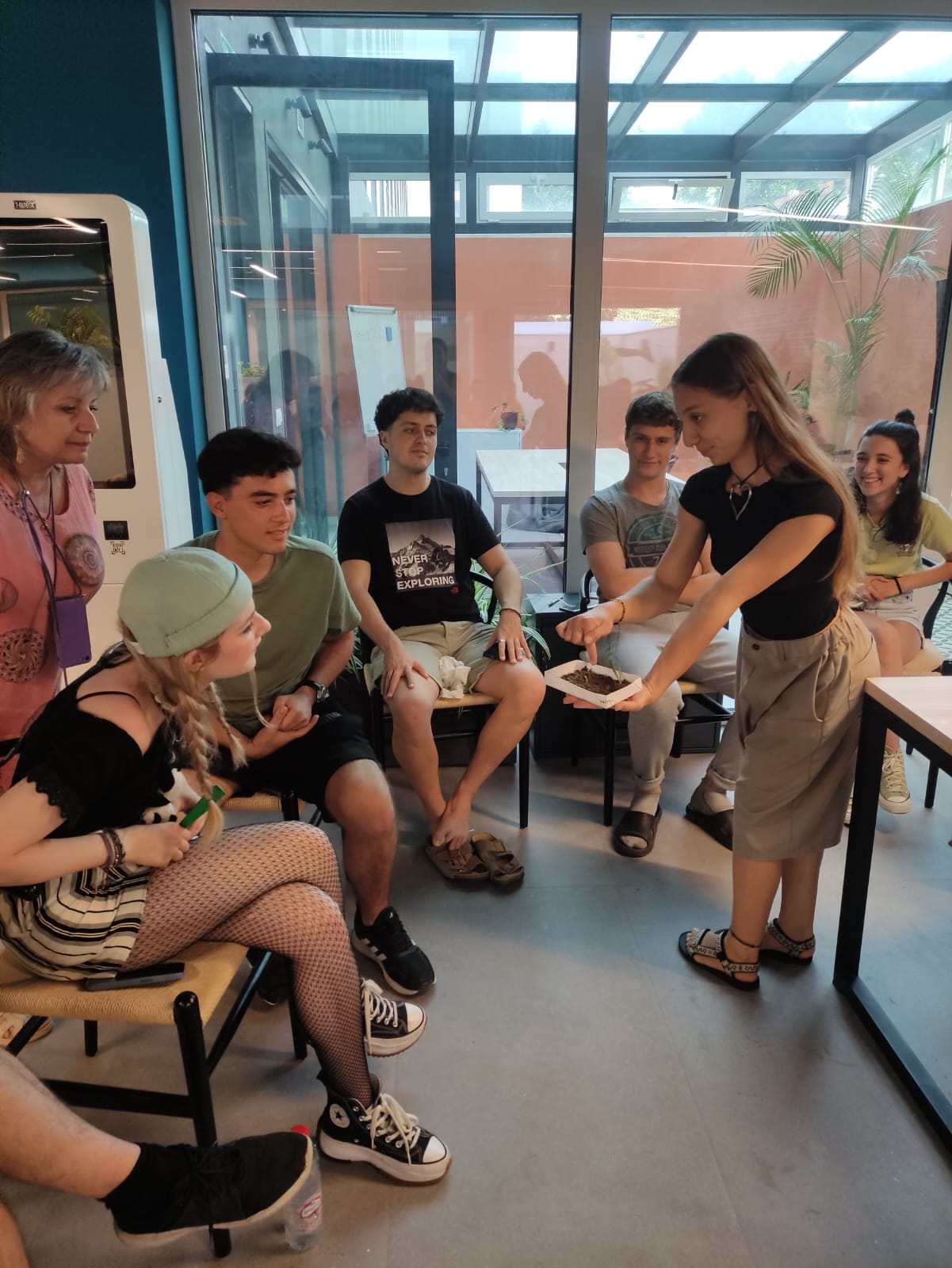
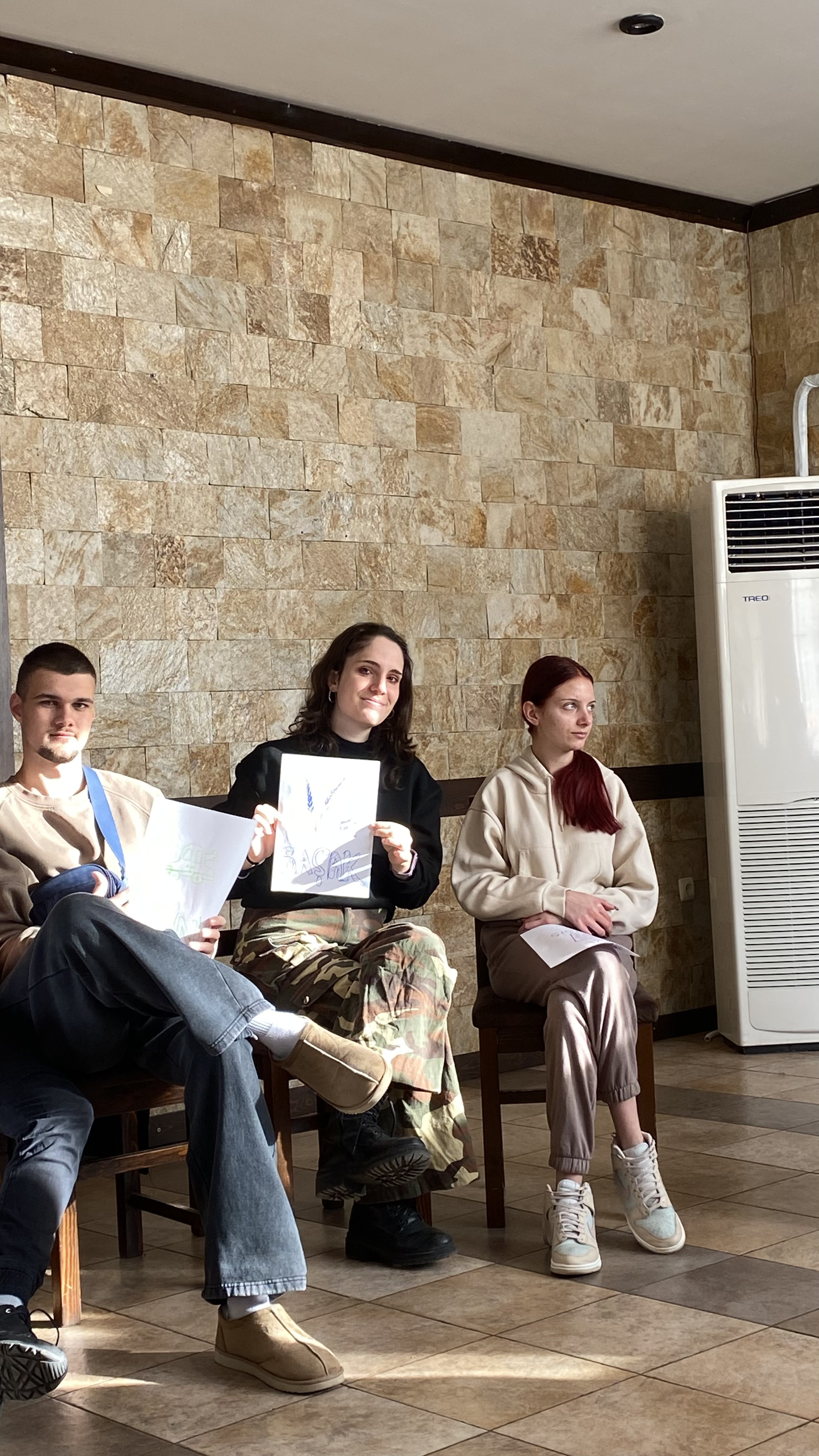
Throughout the week, we worked on leadership, communication, teamwork, digital skills, volunteering, environmental awareness and project development. Our days were filled with workshops, group activities, games and different challenges. Cultural nights and excursions also gave us the opportunity to get to know our friends from different countries more closely.
This project was particularly special to me because it was both my first Erasmus+ project and my first experience abroad. I travelled there feeling excited and curious. I was going to visit a new country, spend a week with people I had never met before and communicate in English throughout the entire experience.
I saw that I was capable of doing things I had not previously thought I could do, and I developed myself particularly in communication, leadership and teamwork.
Day One: Taking the First Step into a New Environment
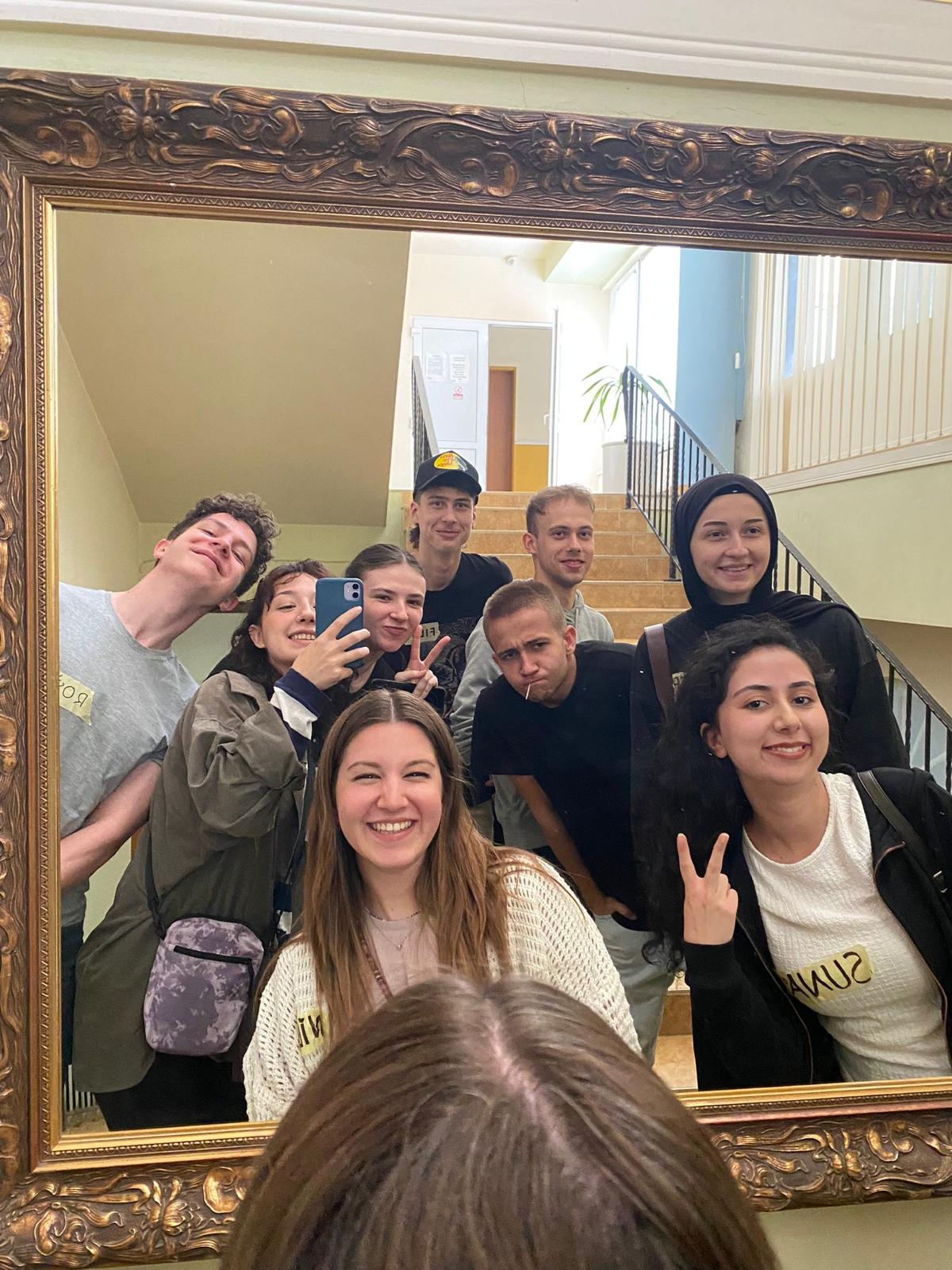
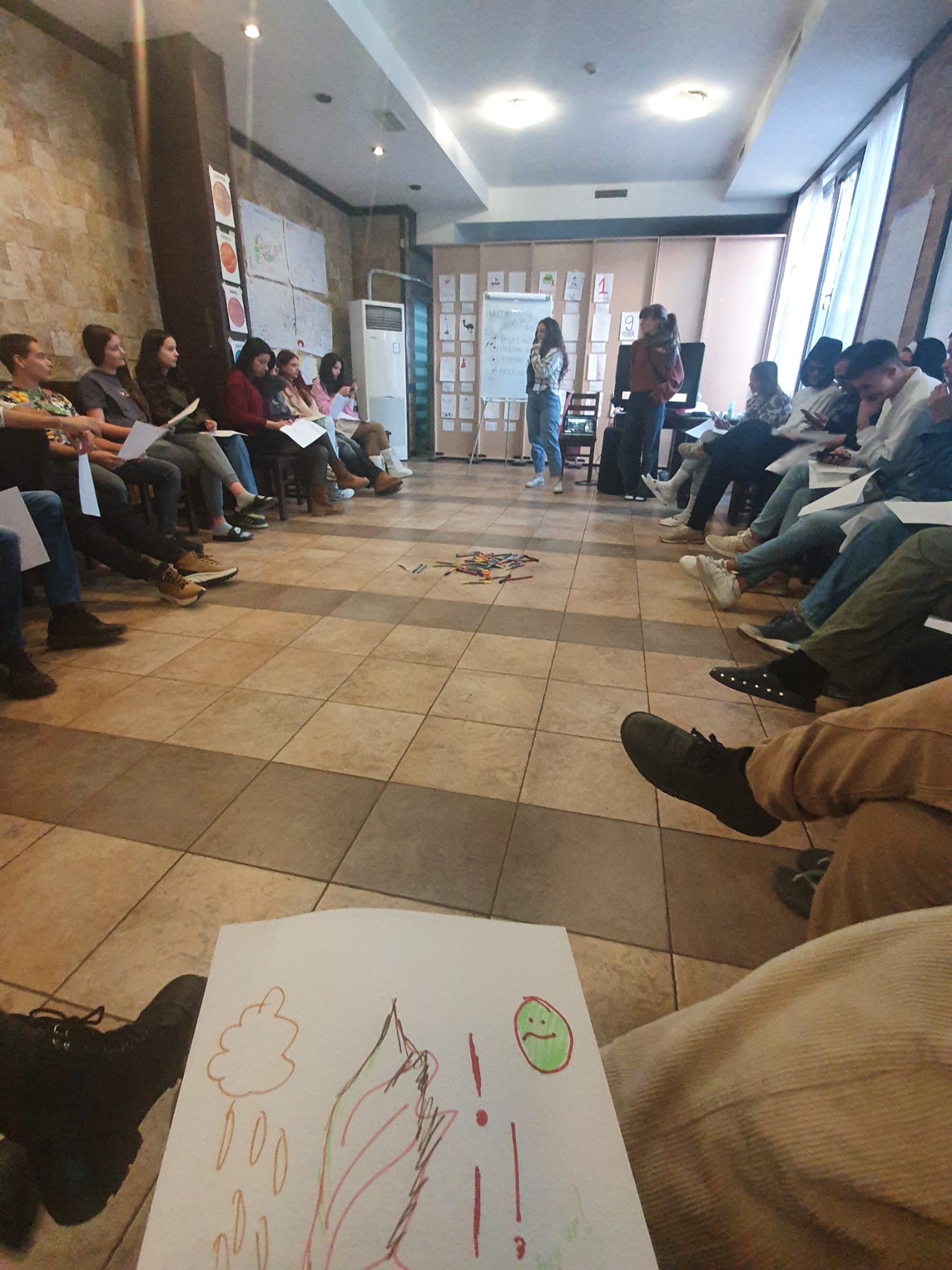
The first day was a new beginning for all of us. We met participants from different countries for the first time. Our day began by learning how to say "good morning" in the different languages represented in the group, followed by games and activities designed to help us get to know one another.
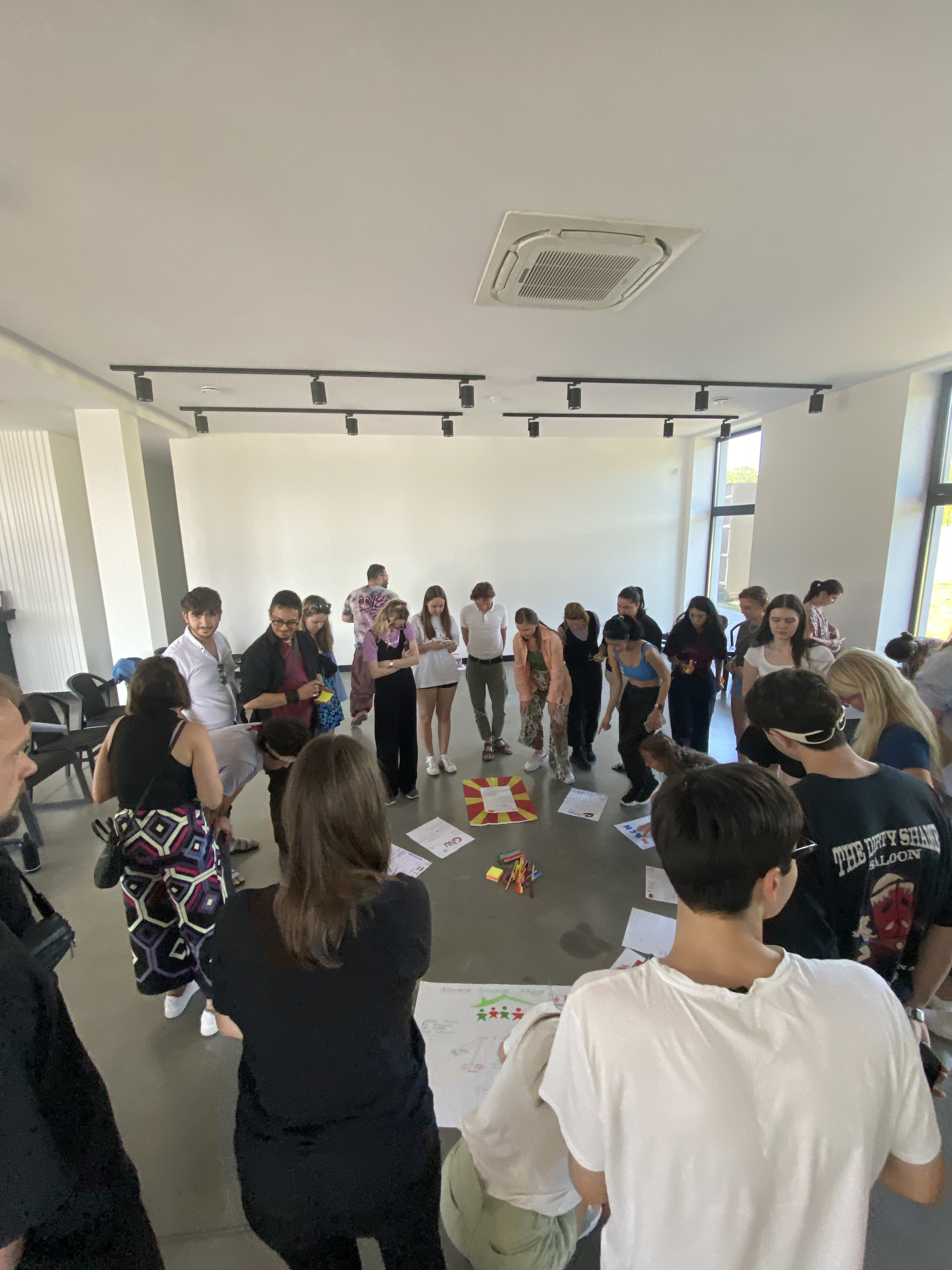
One activity involved introducing our names through dance movements. Each person created a different movement for their name, and the other participants then repeated it. It felt a little unusual at first, but as everyone joined in, the atmosphere quickly became much more relaxed.
These games were not only entertaining. They also helped us remember one another's names. In a large group this might normally have been difficult, but the activities allowed us to learn many names in a short time.
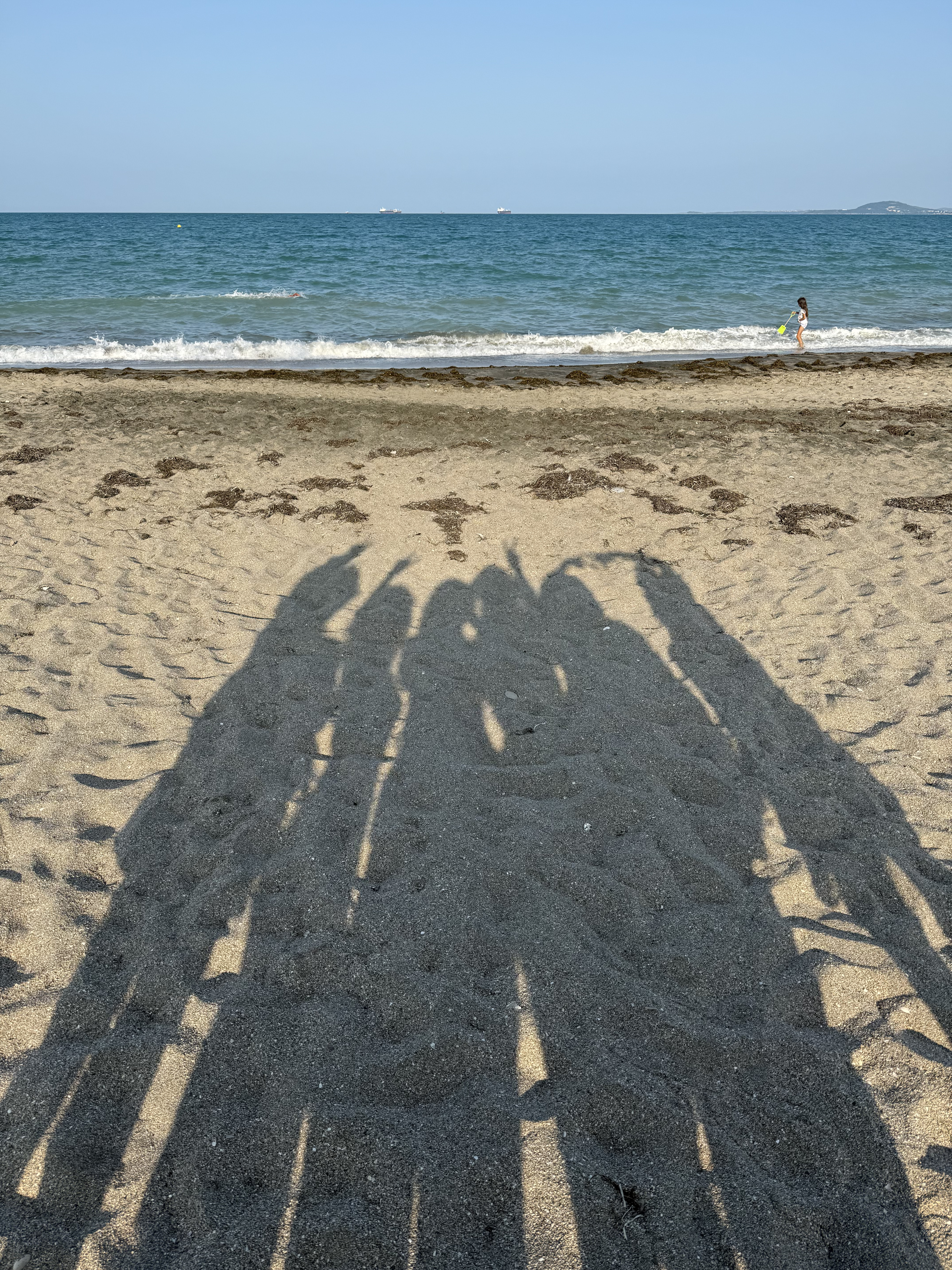
In the afternoon, we went to the beach for another name game. We then formed groups of four, with one participant from each country. Everyone shared an interesting fact about themselves, and we later exchanged these facts and tried to guess who each one belonged to.
Through these games, we began learning not only names but also small personal details about one another. As the day progressed, the initial shyness gradually disappeared and the group became more comfortable.
Day Two: Experiencing Leadership
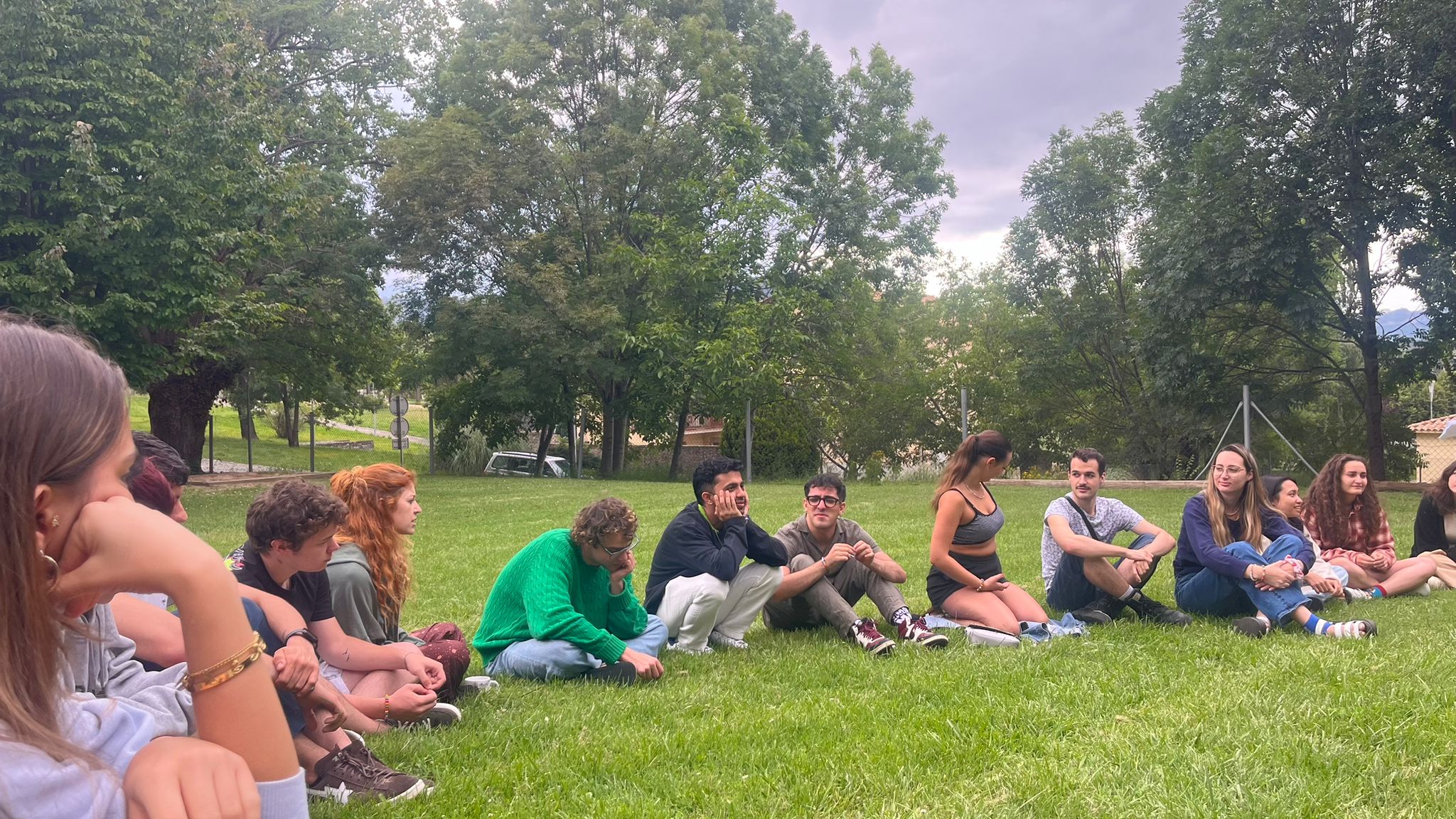
We began the second day with the Human Knot activity. Holding hands, we created a human knot and tried to untangle ourselves without letting go.
Although it looked like a simple game, it taught us a great deal about communication and teamwork. When everyone tried to do something at the same time, the situation became even more complicated. We therefore needed to listen to one another and move together.
We then divided into two teams for the Spider Web activity. Ropes were tied between columns to create a web with enough openings for every participant. Everyone had to reach the other side using one of the openings without touching the ropes.
The challenge was more difficult than we expected. For one person to cross, the rest of the team often had to help. Thinking about the entire team was just as important as thinking about your own turn.
Afterwards, we evaluated the activity from the perspective of leadership. We discussed the qualities of good leaders, behaviors associated with poor leadership and our own leadership characteristics.
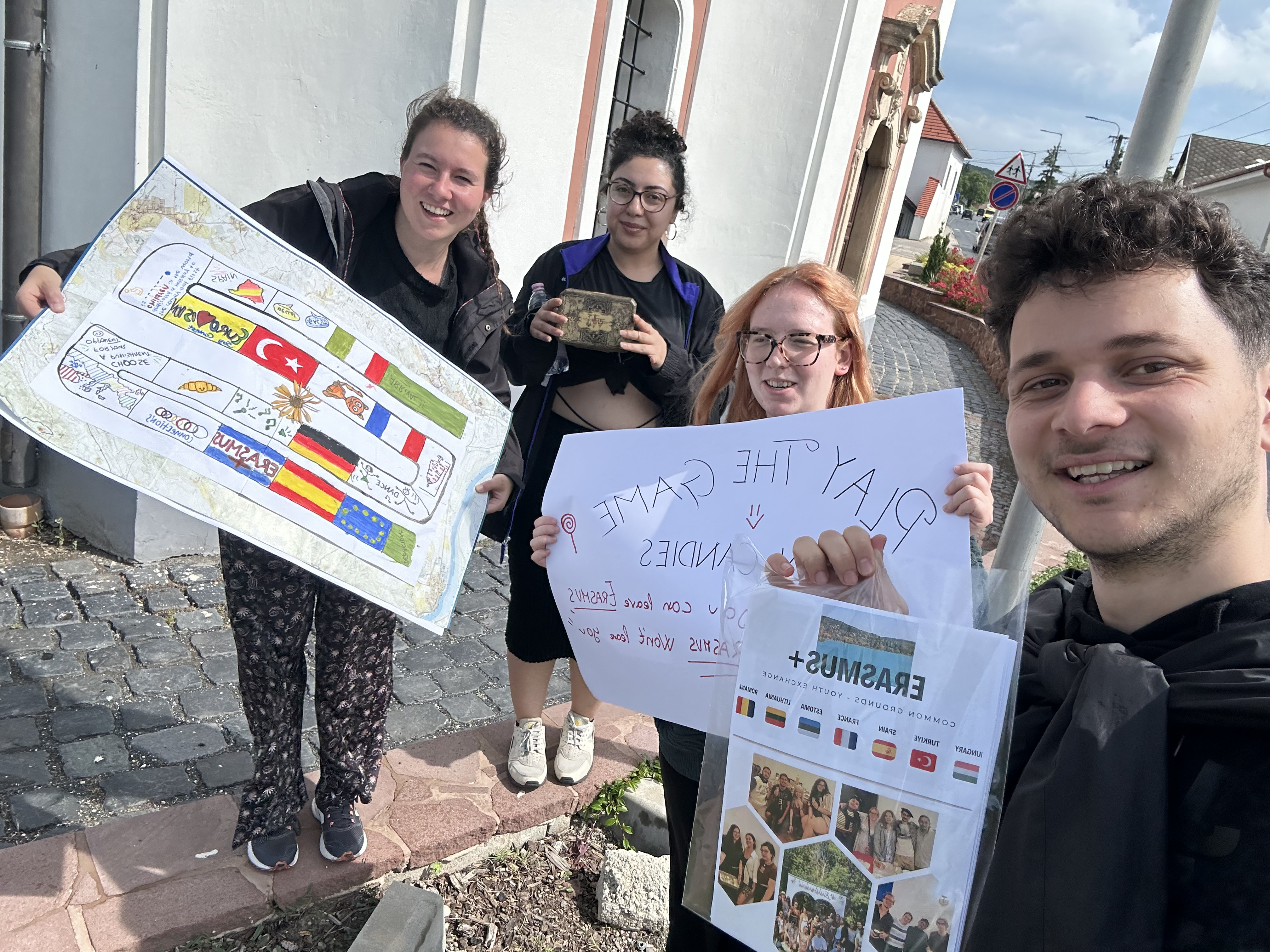
In the afternoon, we moved on to Mission Impossible. We formed groups of four, with each member coming from a different country. Our missions included interviewing a stranger, completing different challenges, taking photographs and creating a dance video with all the groups.
These missions required us to communicate with strangers and divide responsibilities within the group. Sometimes we had to decide very quickly who would do what. By the end of the day, I noticed an improvement in both our confidence and our communication as a team.
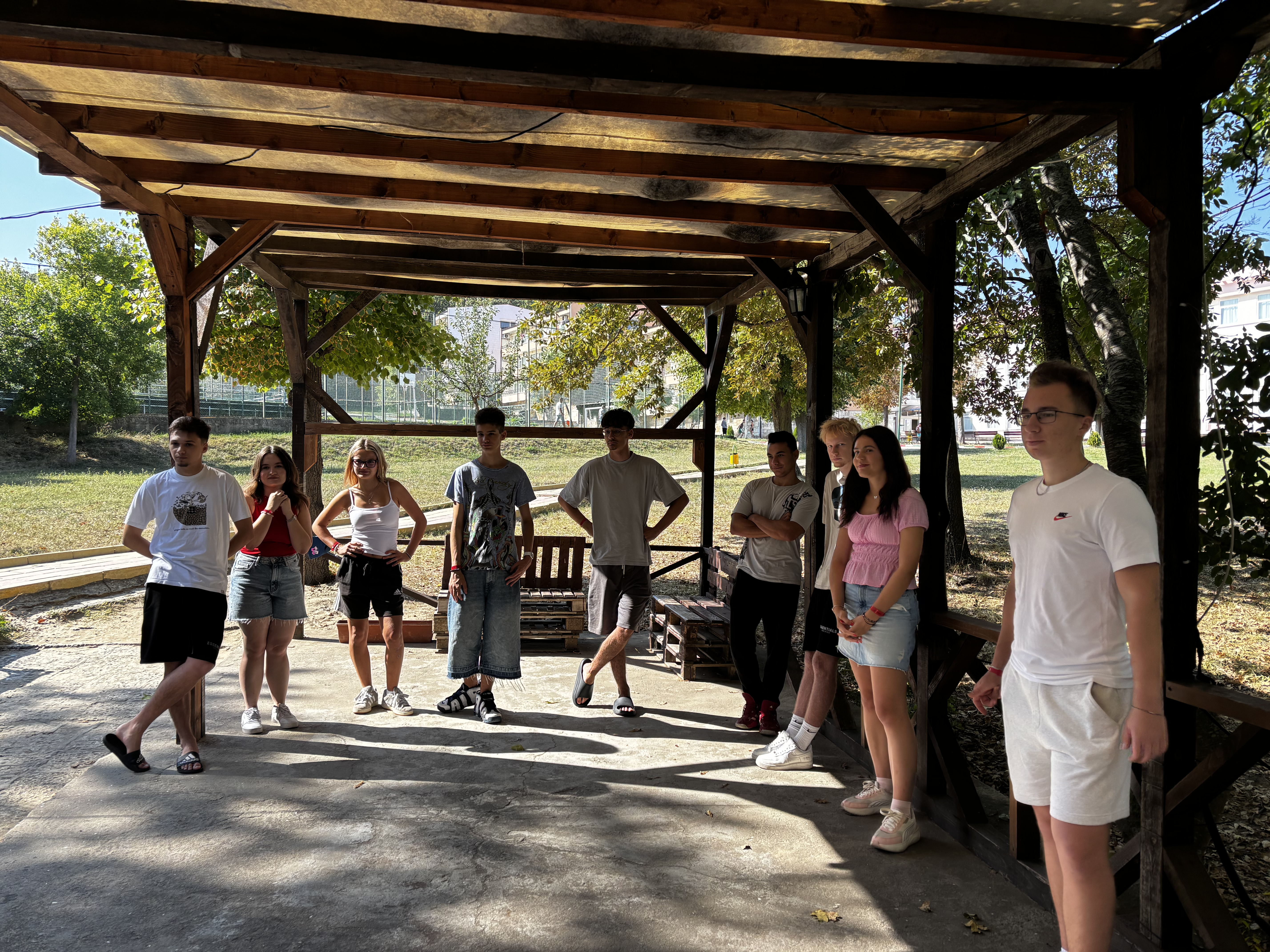
Day Three: Understanding Young People and Youth Work
We began the third day by learning about formal, non-formal and informal education. We discussed how these three forms of learning differ and developed examples from everyday life.
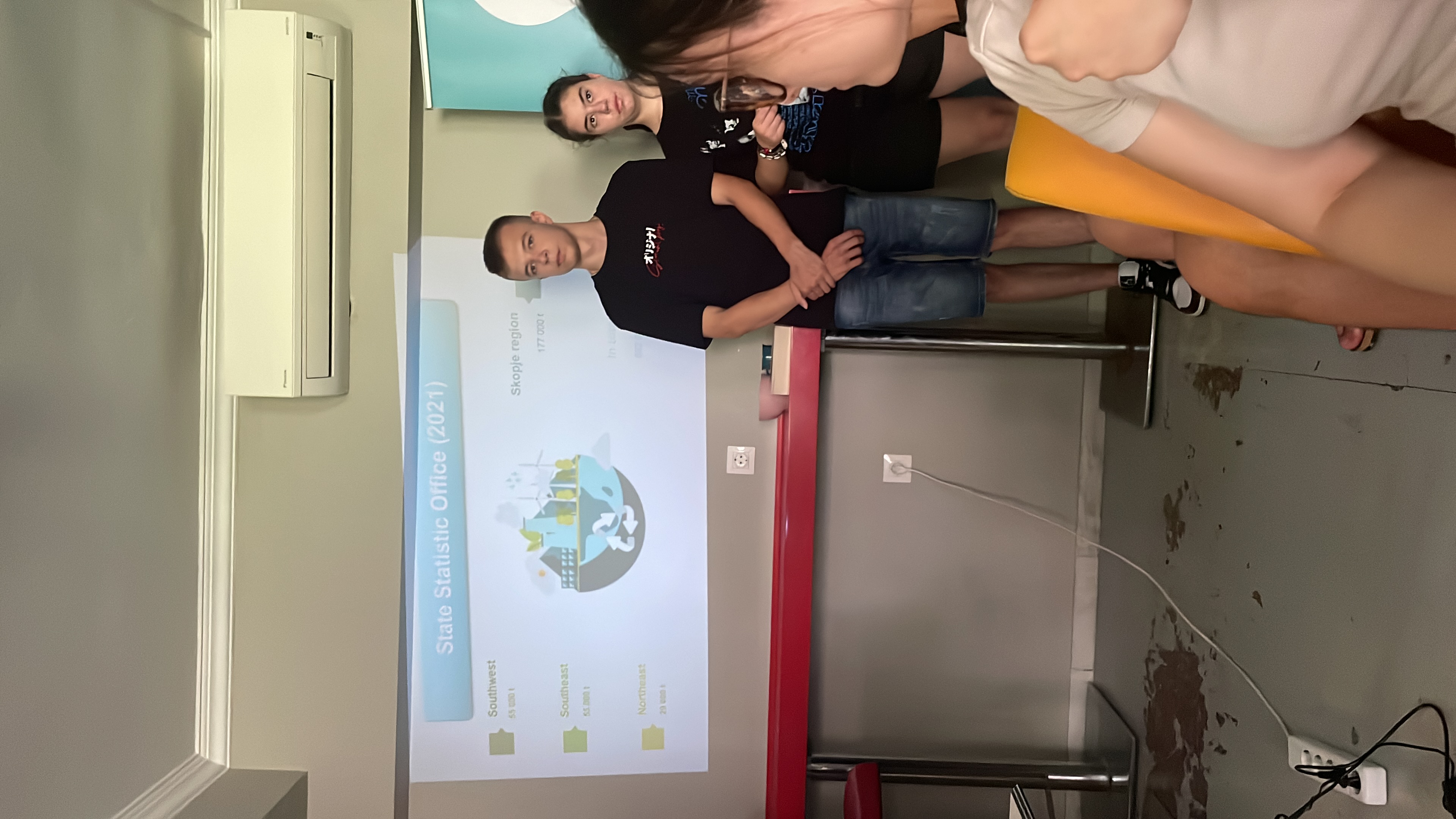
We then formed national groups and discussed the lives, motivations and challenges of young people in Türkiye.
We wrote down barriers that young people face in everyday life and discussed education, economic conditions, access to information, social environments and groups that may face isolation or social exclusion.
We focused particularly on how disadvantaged young people and those at risk of exclusion could become more involved.
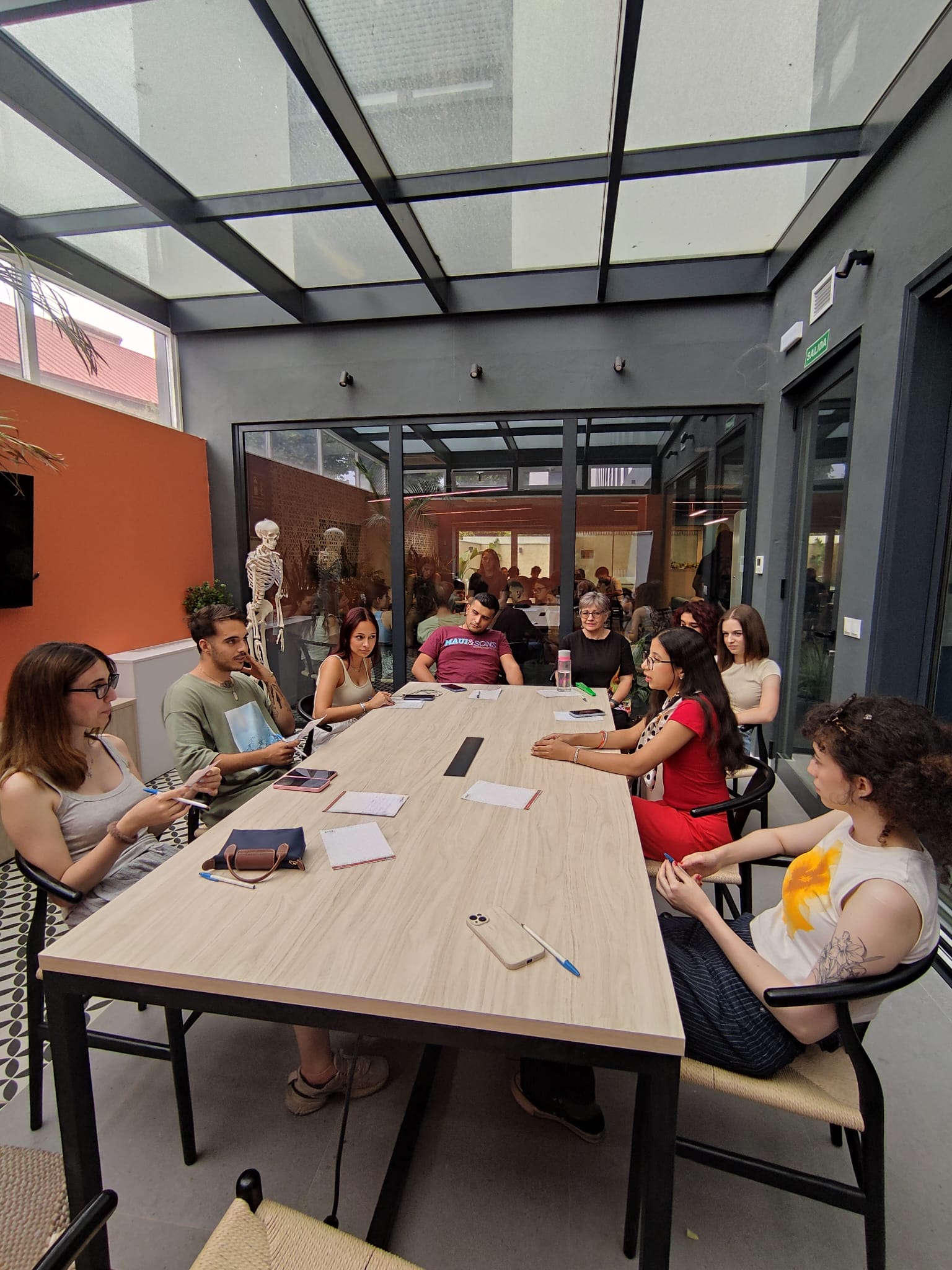
In the afternoon, we formed international groups of five or six people. Each group designed a workshop or activity aimed at disadvantaged individuals.
We defined the target audience, considered what we wanted to do, why we wanted to do it and how it could be implemented, and then presented our ideas to the other groups.
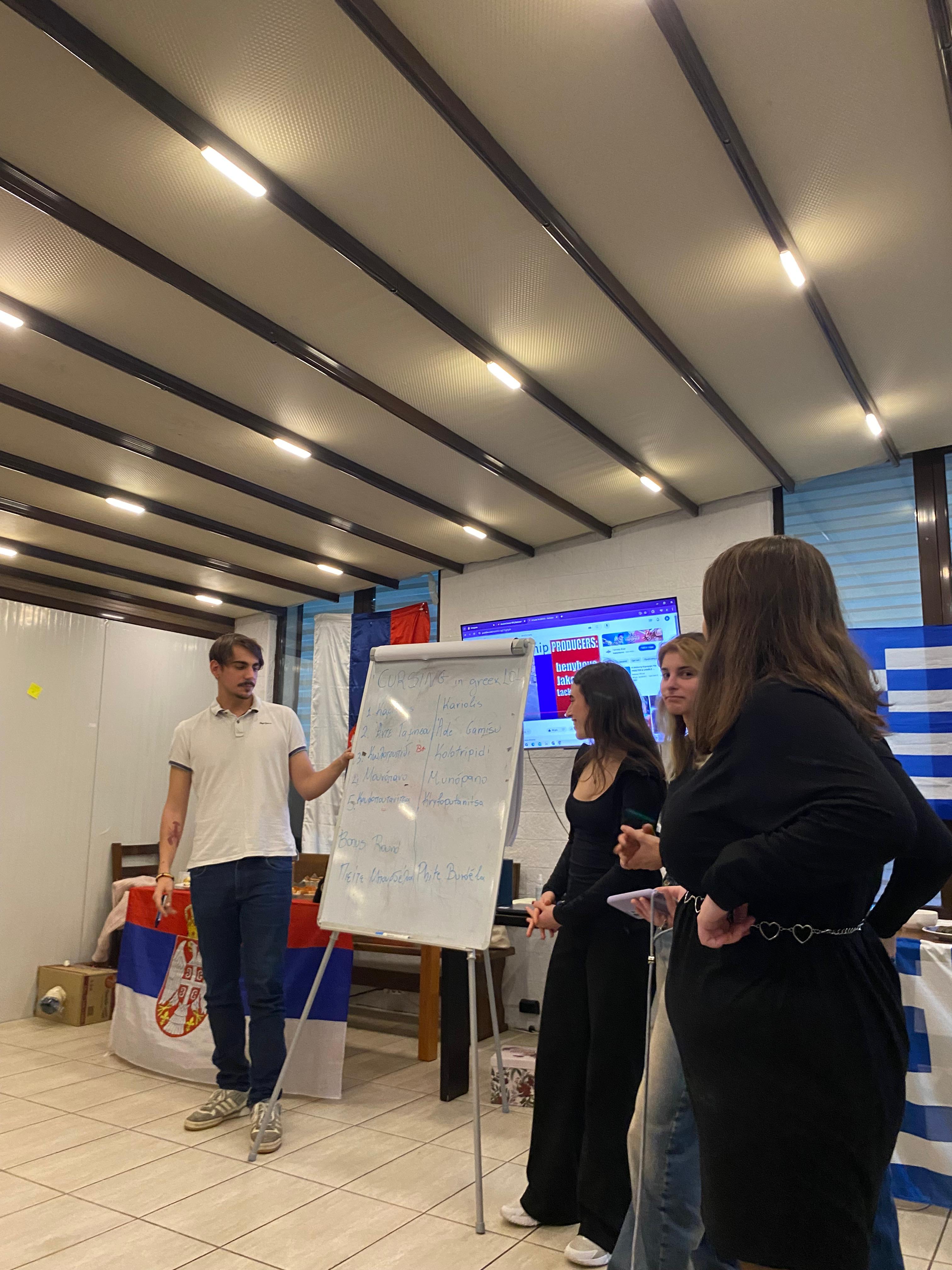
Later, we created Erasmus+ memes to express some of our project experiences humorously. In the evening, we attended Bulgarian Cultural Night and discovered Bulgarian food, music and traditions.
Day Four: Discovering the Power of Communication
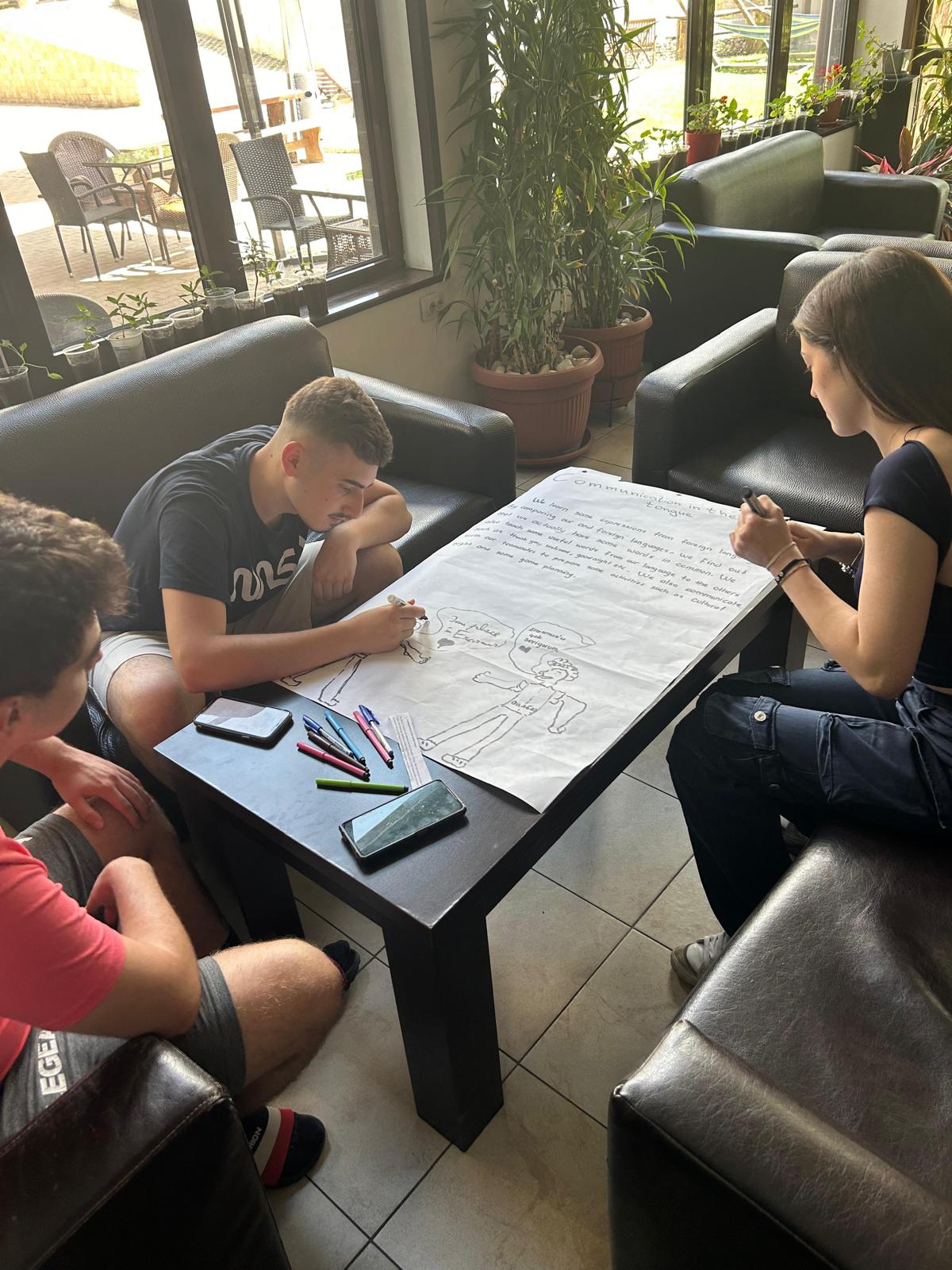
Communication was the main topic of the fourth day. We learned about different forms of communication and took part in activities focusing particularly on non-verbal communication.
We saw again that communication is not limited to speaking. Body language, facial expressions, tone of voice and movement are also important parts of how we communicate.
We then divided into two teams. One group read shuffled pieces of a story provided by Trainer Sean, while the other tried to understand the sequence and place the characters in the correct order. The groups then switched roles.
This activity showed us the importance of communicating clearly and listening carefully to what other people are saying.
In the afternoon, we formed international groups of four. Each group selected a Disney story and tried to tell it first in 30 seconds, then 15 seconds and finally just 5 seconds, with every group member required to speak.
As the time became shorter, telling the story became more difficult. We had to decide what was truly important and communicate the message as concisely as possible.
Each group was then asked to advertise a simple product in only three sentences. Afterwards, we produced a short advertisement aimed at young people and shared it with the other groups.
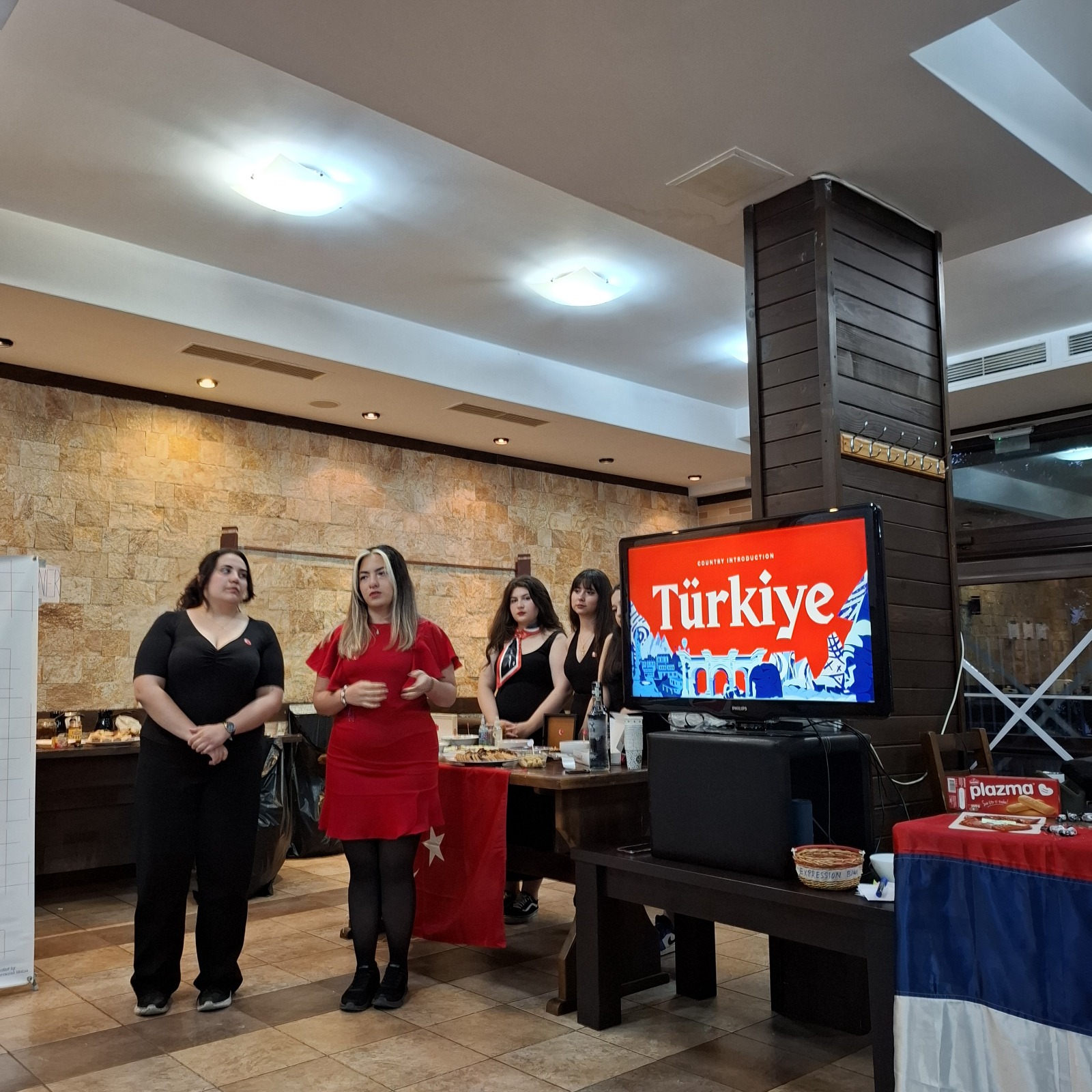
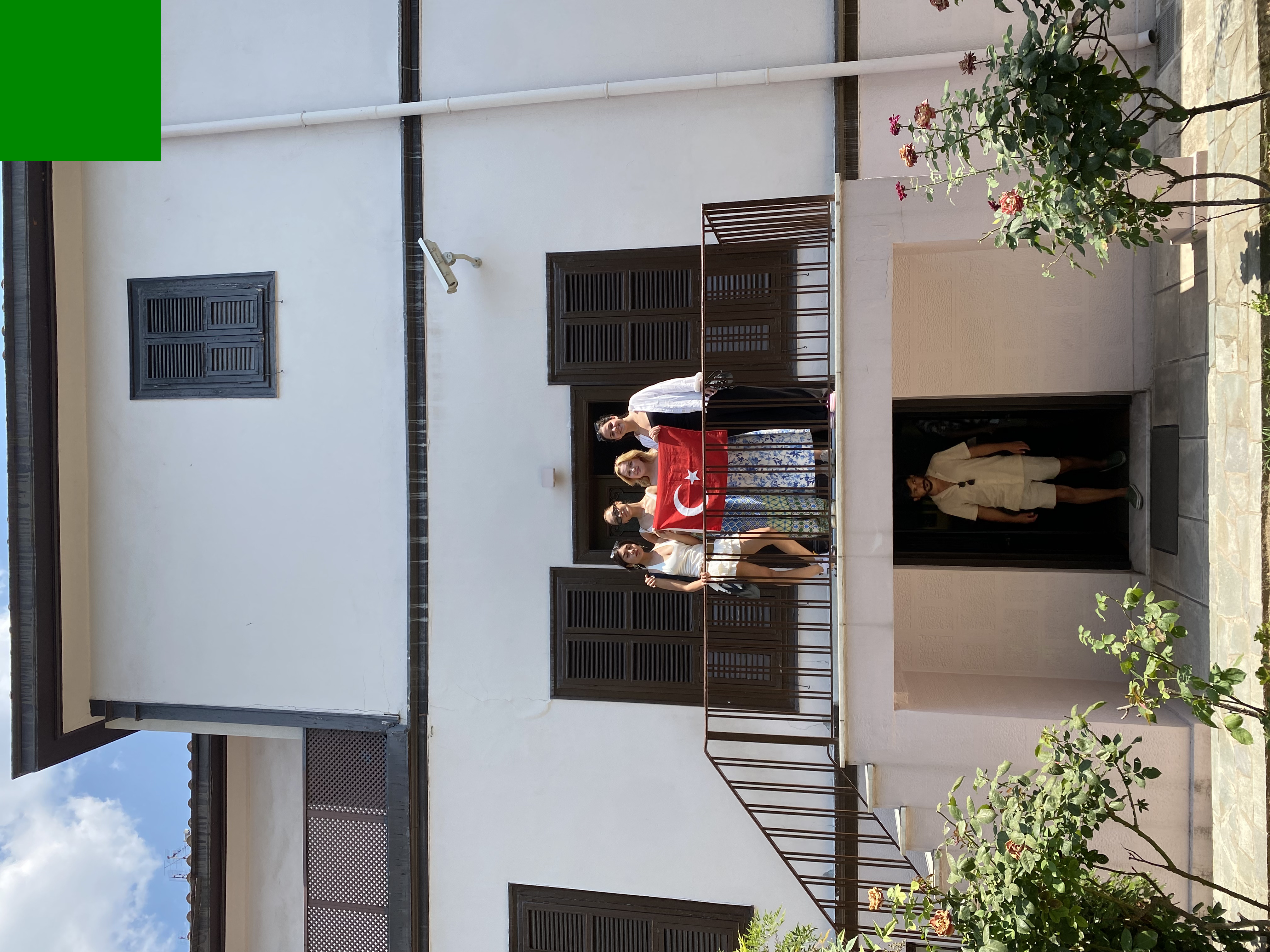
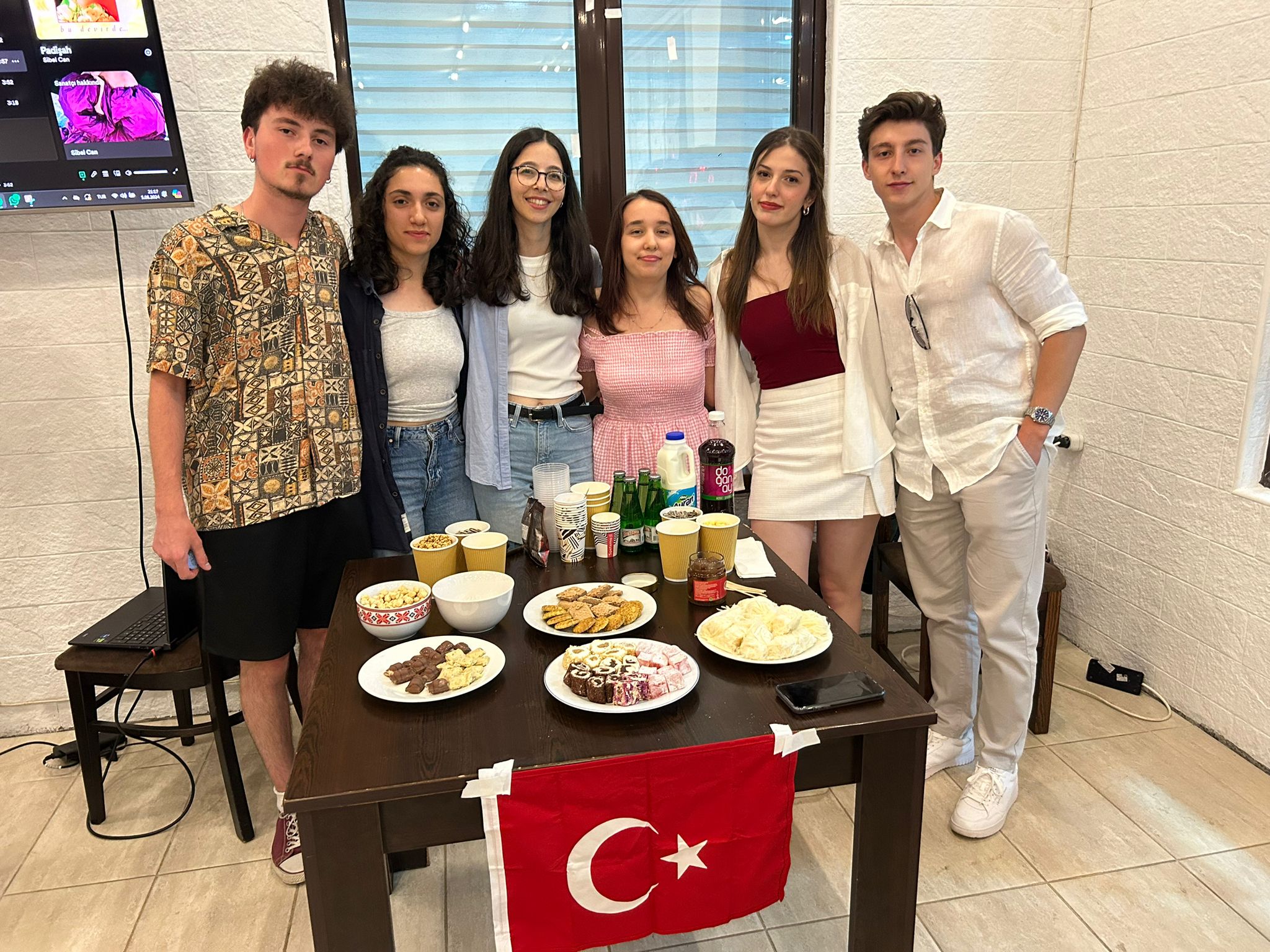
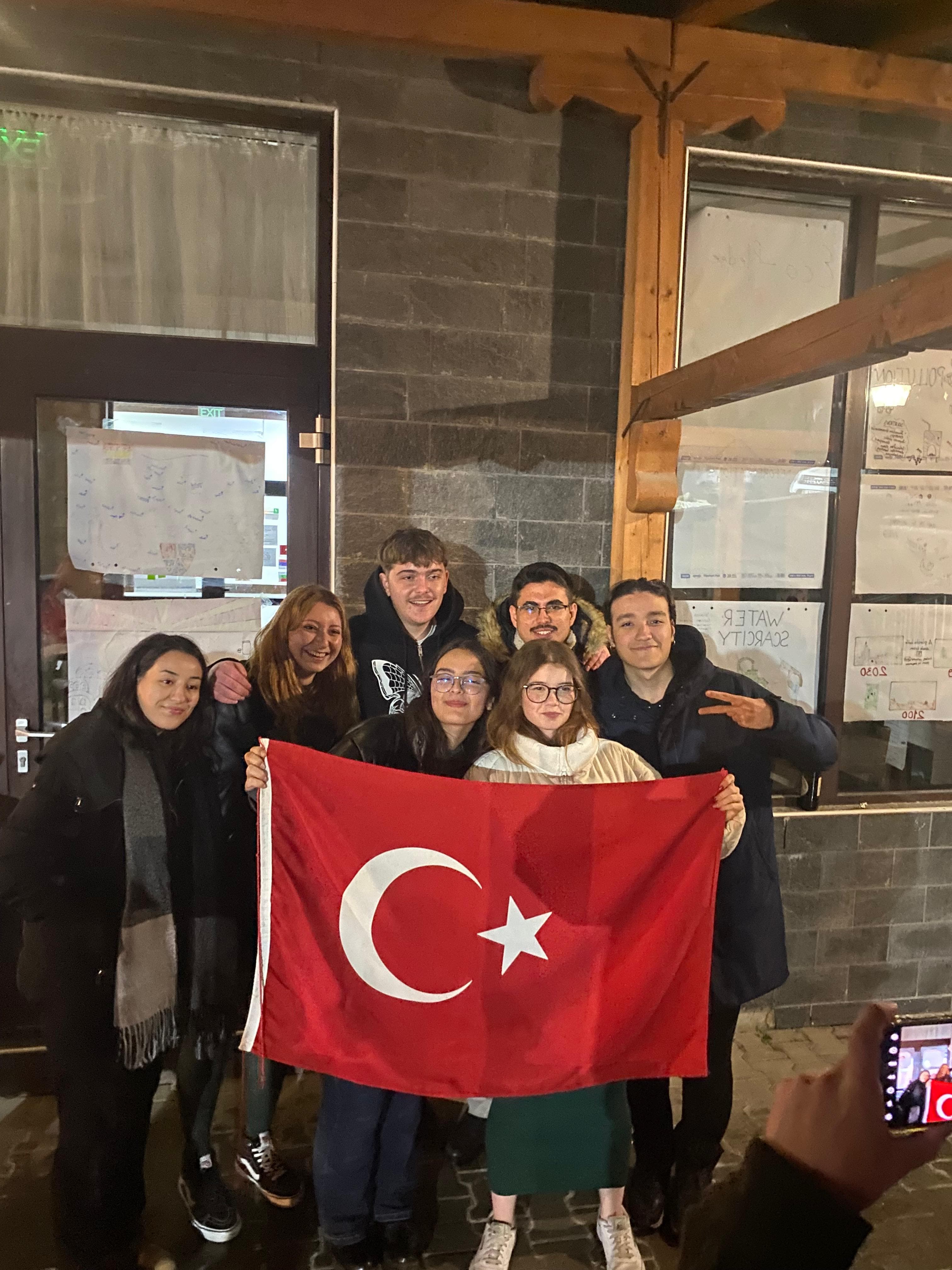
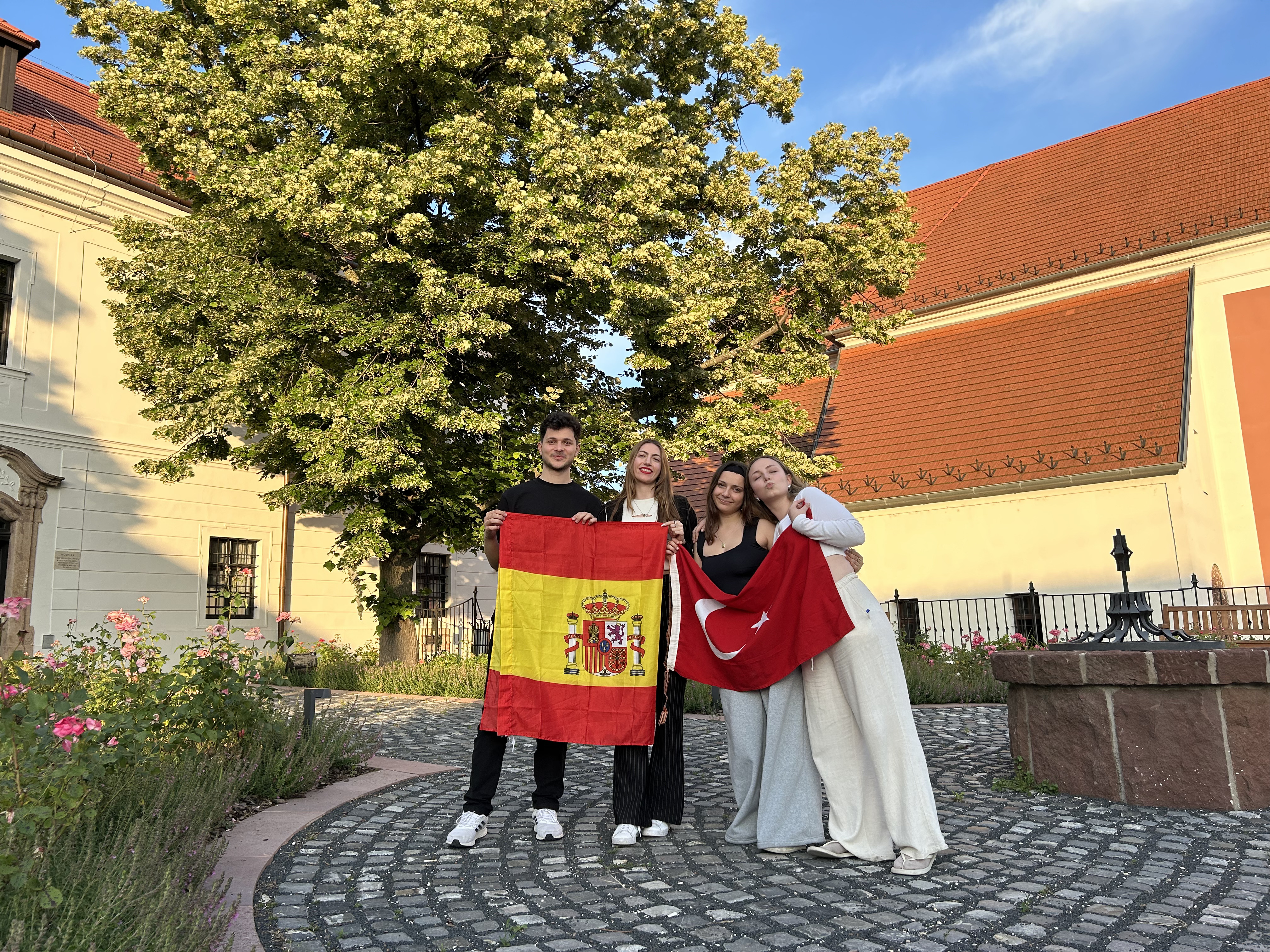
In the evening, Türkiye, Romania and the Czech Republic held their cultural night. We represented Türkiye and introduced our culture while also learning more about the other two countries.
Day Five: Setting Goals and Designing Projects
We began the fifth day by learning methods for setting goals, focusing on SMART and KISS.
With SMART, we learned that goals should be specific, measurable, achievable and relevant. Through KISS, we discussed the importance of keeping goals as simple and clear as possible.
We then worked in pairs. Each person shared a goal they wanted to achieve during the following year. After listening, the partner evaluated whether the goal met the criteria we had learned and suggested ways to make it more concrete and achievable.
In the afternoon, we discussed volunteering and listened to participants share their own experiences. We reflected on the role volunteering can play in young people's lives.
We then learned the NAOMIE method. Using Needs, Aims, Objectives, Methods and Implementation, we began developing our own project ideas.
Together with our national team, we designed a project focused on volunteering and support. We identified the need, defined our aims and objectives, considered our methods and planned how the project could be implemented.
This showed me just how many stages are involved in turning an idea into a concrete project.
Day Six: Observing the Environment in Nessebar
On the sixth day, we visited Nessebar. While exploring this historically and culturally rich place, we also had an environmental mission.
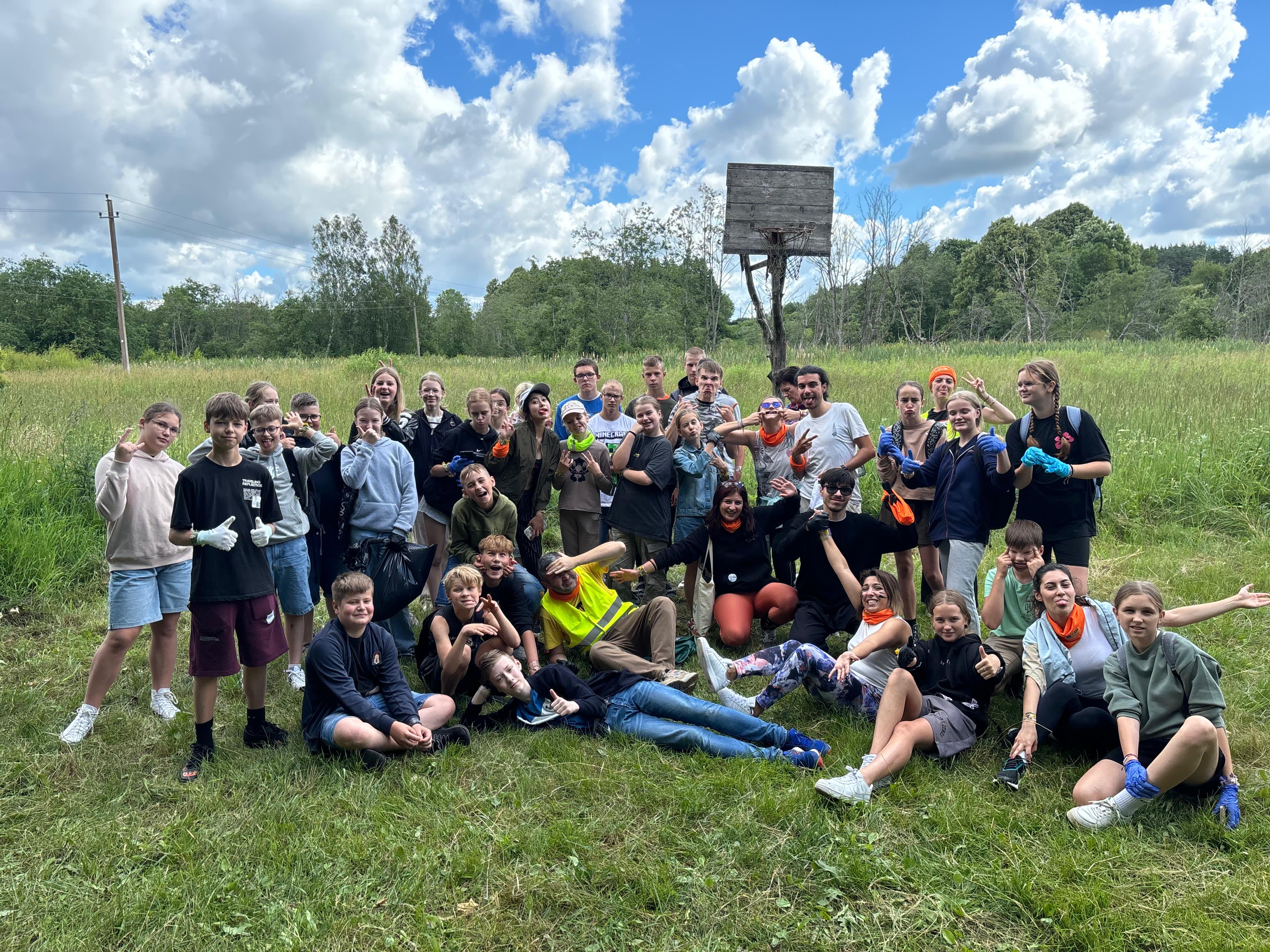
We observed our surroundings more carefully, took photographs and identified positive examples related to nature. At the same time, we noticed environmental problems that still required attention.
Normally, when visiting a city, we might focus only on historic buildings or beautiful views. This task encouraged us to pay closer attention to the details around us.
The day was enjoyable both as an excursion and as an opportunity to apply what we had learned in a real environment.
Day Seven: Reflecting on a Week
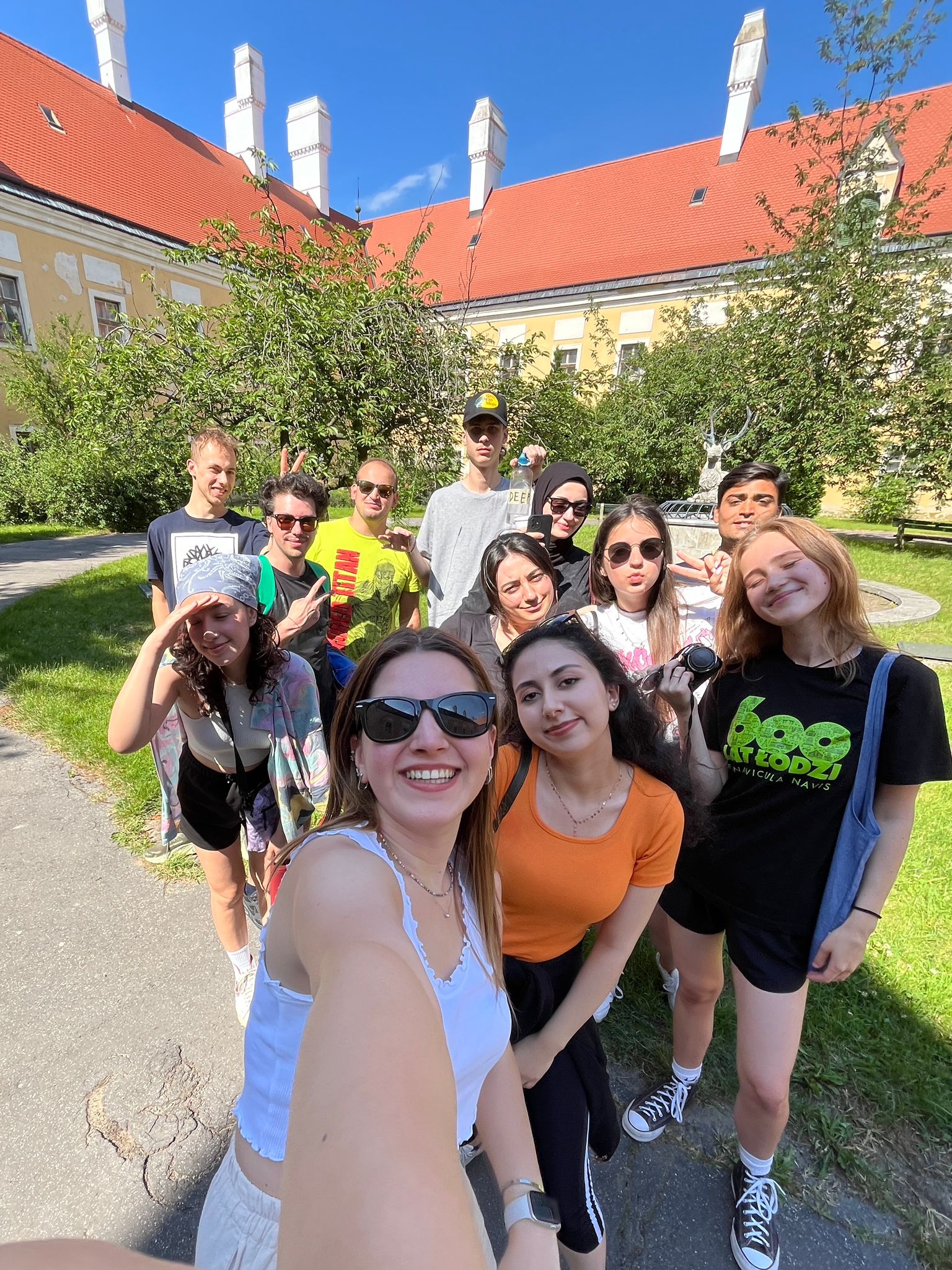
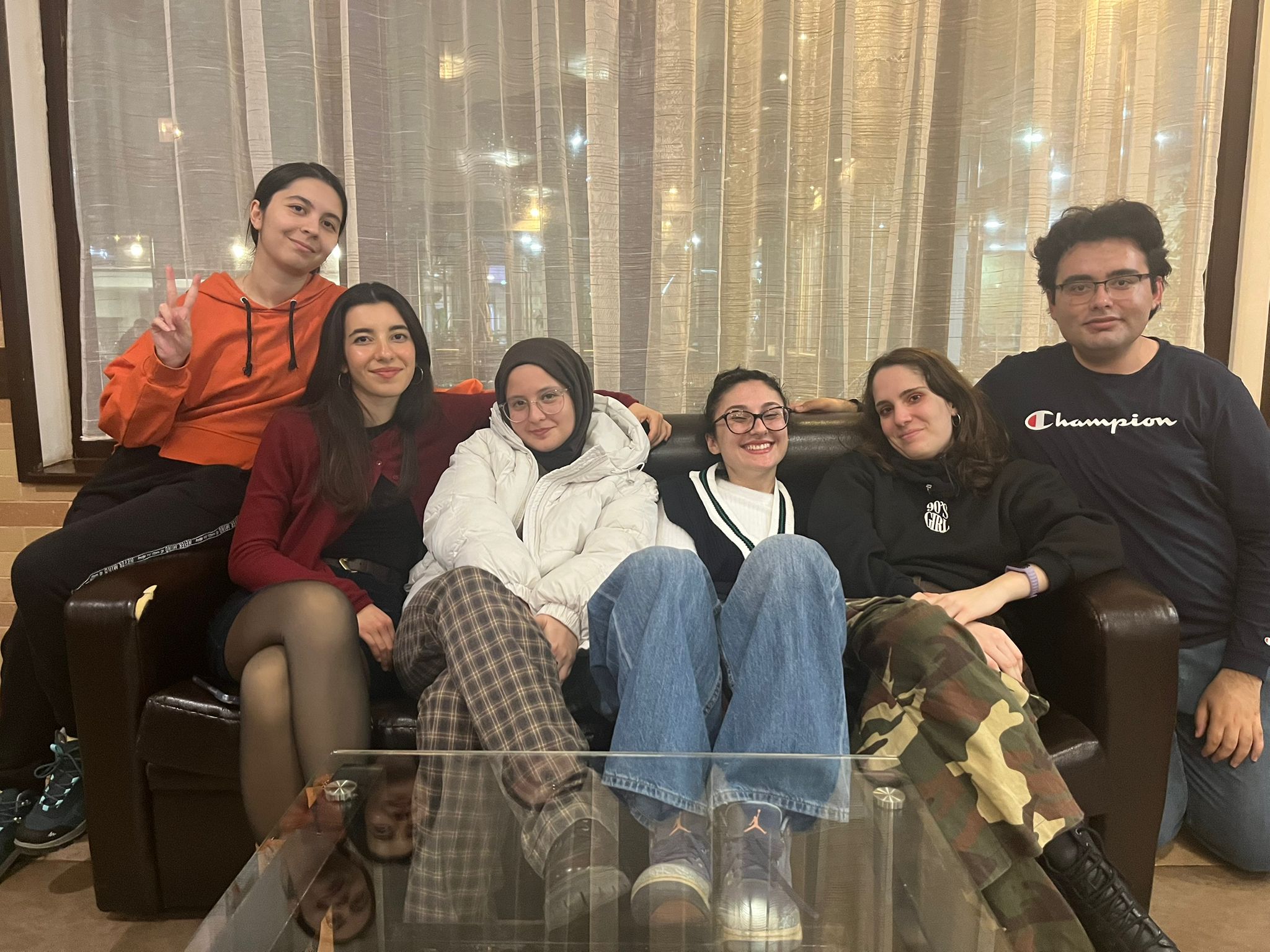
By the final day, we were no longer the same group we had been at the beginning. On the first day, we were trying to learn one another's names. On the last, we were reflecting on an entire week we had shared.
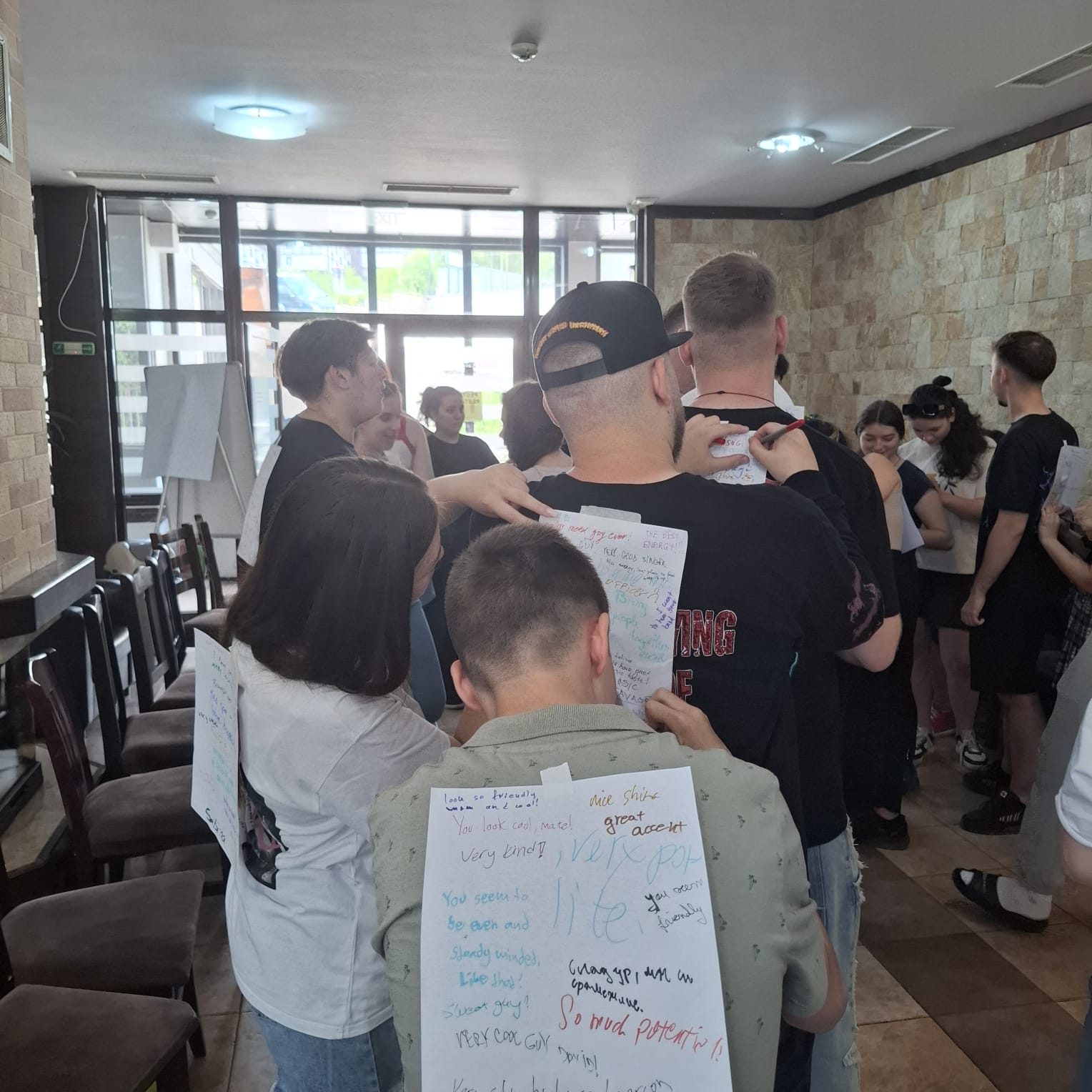
We summarized what we had learned, discussed our most memorable moments and shared which activities had affected us and what changes we had noticed in ourselves.
At first, I was more hesitant when speaking with new people. Within just a few days, however, I began communicating much more comfortably with people from different countries. My fear of making mistakes while speaking English also decreased.
Finally, we received our Youthpass certificates and said goodbye to our friends. Leaving people with whom we had laughed, worked, struggled and learned throughout the week was not easy.
What Did This Project Give Me?
This project became unforgettable for me, particularly because it was both my first Erasmus+ project and my first experience abroad.
One of my most important gains was a new perspective on leadership. I learned that a good leader is not simply someone who tells people what to do. A good leader should listen, show empathy, provide motivation when necessary, take responsibility and be there for people when they need support.
I also feel that my communication skills improved significantly. I became more comfortable communicating in both Turkish and English. Although I was shy during the first days, I soon realized that I could become more outgoing and express myself more comfortably.
Realizing that meeting people was no longer as difficult for me was important. Communicating with people from different countries showed me that taking the first step was not as difficult as I had imagined.
Another important gain was organizational skills. Through group activities, I learned about planning events, dividing responsibilities and using time more efficiently.
I experienced how many stages are involved in an event or project. From the emergence of an idea to its implementation, goals must be set, tasks distributed, time planned and results evaluated. Learning methods such as SMART, KISS and NAOMIE also helped me make my own goals more concrete.
The project also helped me understand the role of volunteering in my own life more clearly. I realized that the communities and volunteering activities I take part in at school give me not only experience but also confidence and opportunities to connect with people.
I therefore want to become more involved in volunteering and student communities in the future.
I also learned to approach situations from different perspectives. I particularly noticed a change in the way I deal with problems.
In the past, when a problem appeared, I would try to solve it immediately and sometimes panic. Now, I place more importance on first understanding the problem, considering different solutions and asking other people for their perspectives.
What Remains from My First Erasmus+
This project was not simply a week in Bulgaria. It was an experience in which I discovered myself, gained new skills and built strong connections with people I had never known before.
I believe what I learned about leadership, the development of my communication skills, my experiences of teamwork, my knowledge of project planning and my awareness of volunteering will continue to contribute to my life.
Meeting people from different cultures also allowed me to look at the world from a broader perspective. It was wonderful to see how many things we had in common despite coming from different countries.
I did not leave Obzor having simply visited a new country. I returned having learned new things about myself, feeling more confident, more social and more open to different ideas.
I see this experience as a beginning for the projects I may join in the future. My first Erasmus+ project opened new doors for me and increased my curiosity about different experiences.
Looking back now, I see that the excitement I felt before travelling abroad for the first time has been replaced by a desire to participate in new projects. I believe the journey that began in Obzor will not remain just one Erasmus+ project, but will become one of the starting points for the experiences still ahead of me.
Digital and Eco-Friendly Leadership for Young Changemakers Erasmus+ Project Participant Yücel Cultural Foundation Youth Page Erasmus+ Experience Stories