More Than a Digital Tool: What Digital Horizons Taught Me
I went to Digital Horizons expecting to learn how to use digital tools more effectively. Yet the days I spent in Bansko showed me that knowing how to use a tool and knowing how to use it meaningfully are two very different things. From digital communication and intercultural learning to environmental awareness, the experience changed the way I look at technology and learning.
When I go to an Erasmus+ project, I usually have a few questions in mind: Who will I meet? What will the atmosphere be like? What will I learn? What kind of experience will the country, city and project bring?
Going to Digital Horizons felt slightly different. The project focused on digital tools: Canva, CapCut, Padlet, LinkedIn, mind maps and social media tools, among others.
Some of these were already part of my life. Since I regularly used digital tools in university and project work, not everything was entirely new to me.
Sometimes learning does not mean learning something new
During the project, I sometimes caught myself thinking, "I already know this." Then, when we began using the same tool for a different task, I realized that I had actually been using only a small part of what it could offer.
I already had experience with photo and video editing. During the project, however, we approached these not only as technical skills but as ways of communicating an idea.
How can I make a video more effective? How can I create an image that is not only attractive but also understandable? What draws people's attention in a social media post? How can I communicate an idea in a short time?
I realized that these were not simply questions about digital tools. They were questions about communication.
Getting to know the people behind the screens
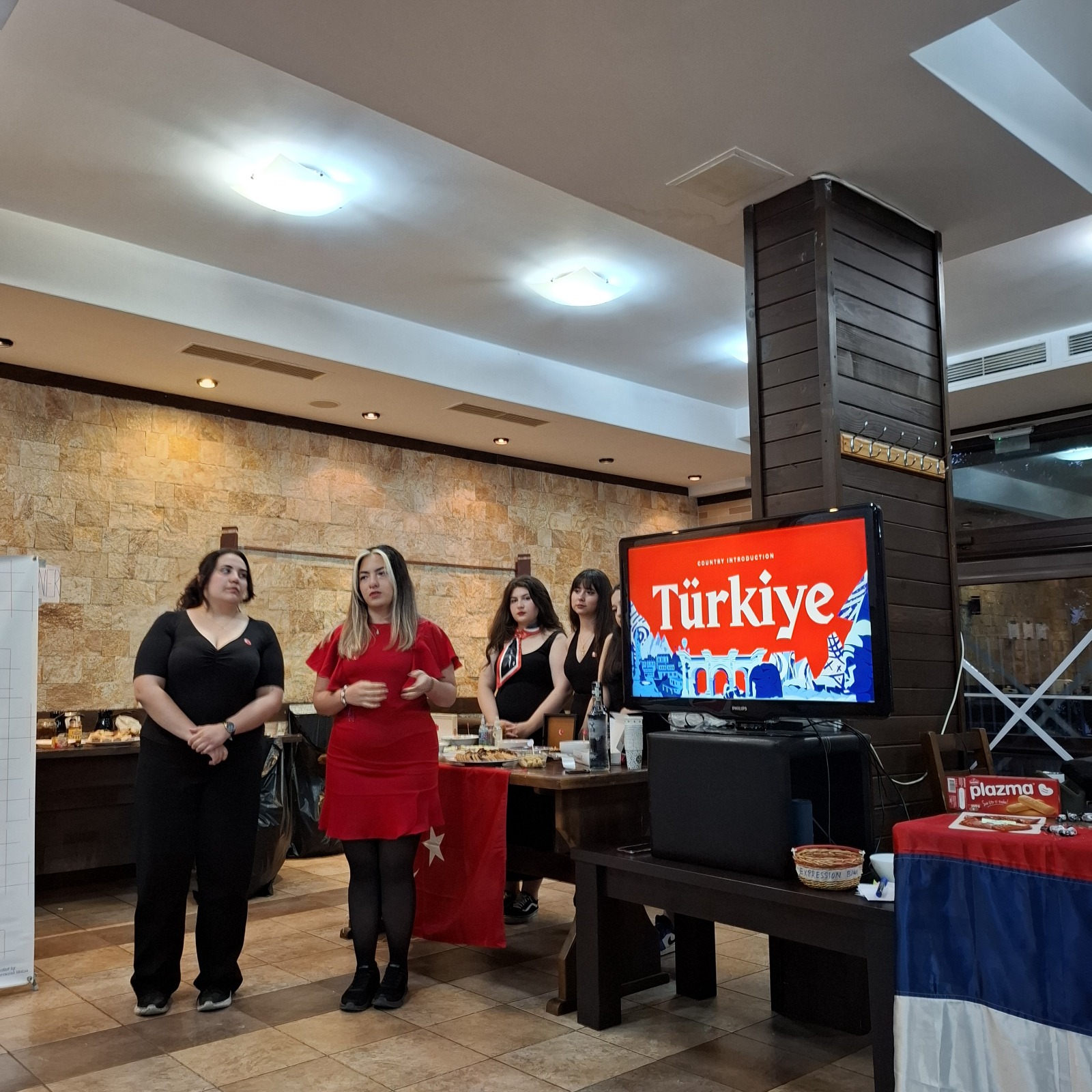
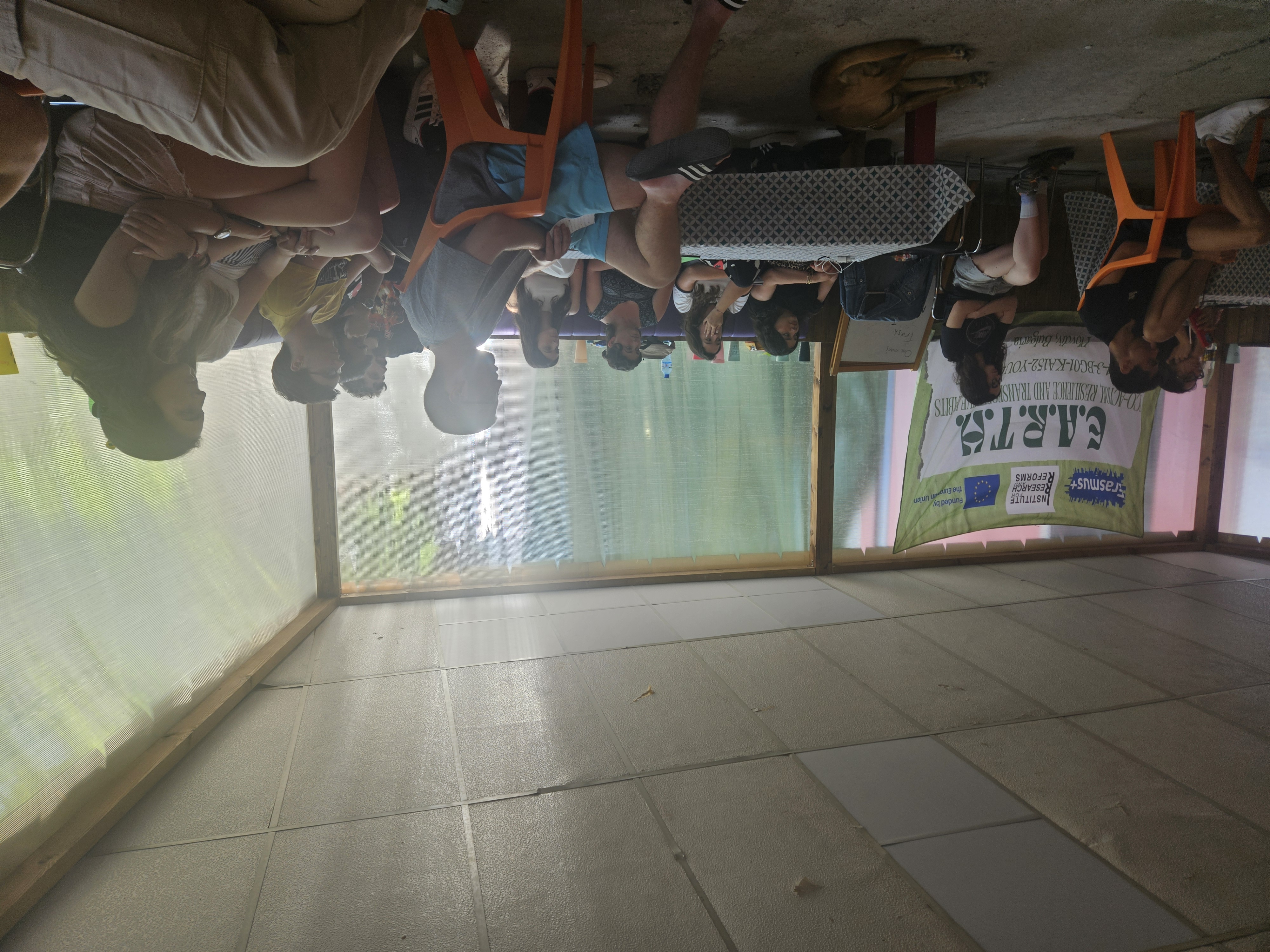
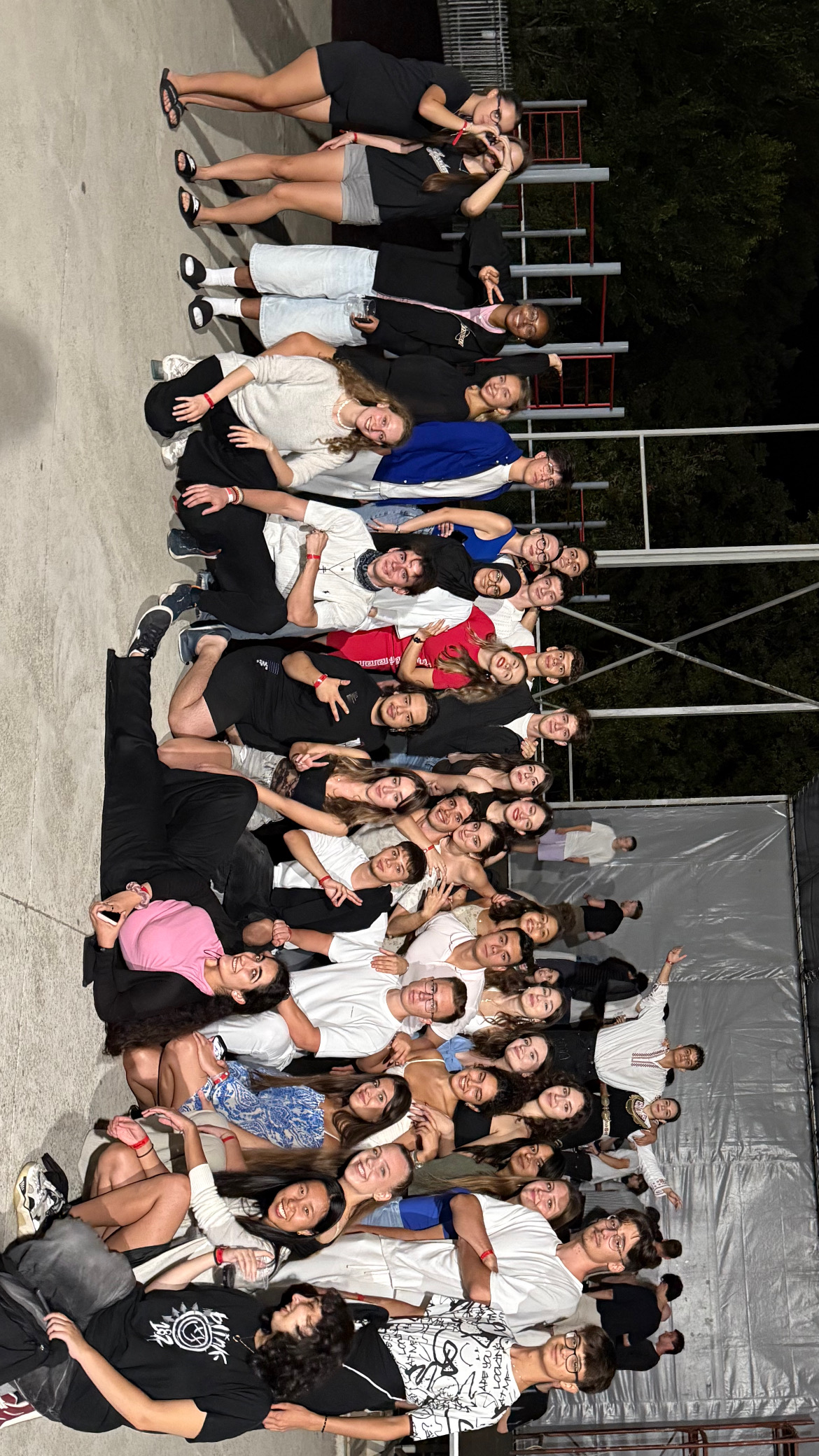
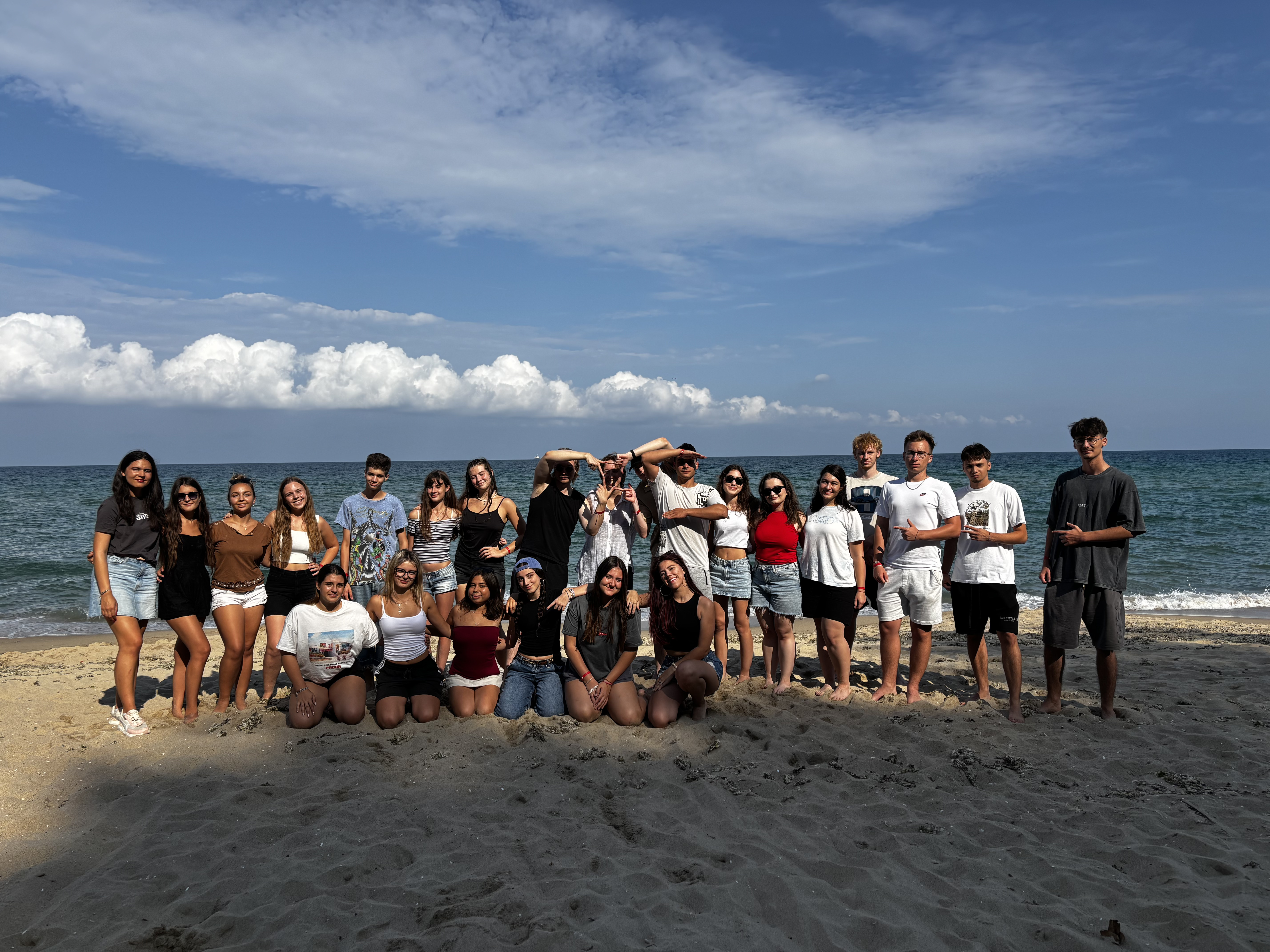
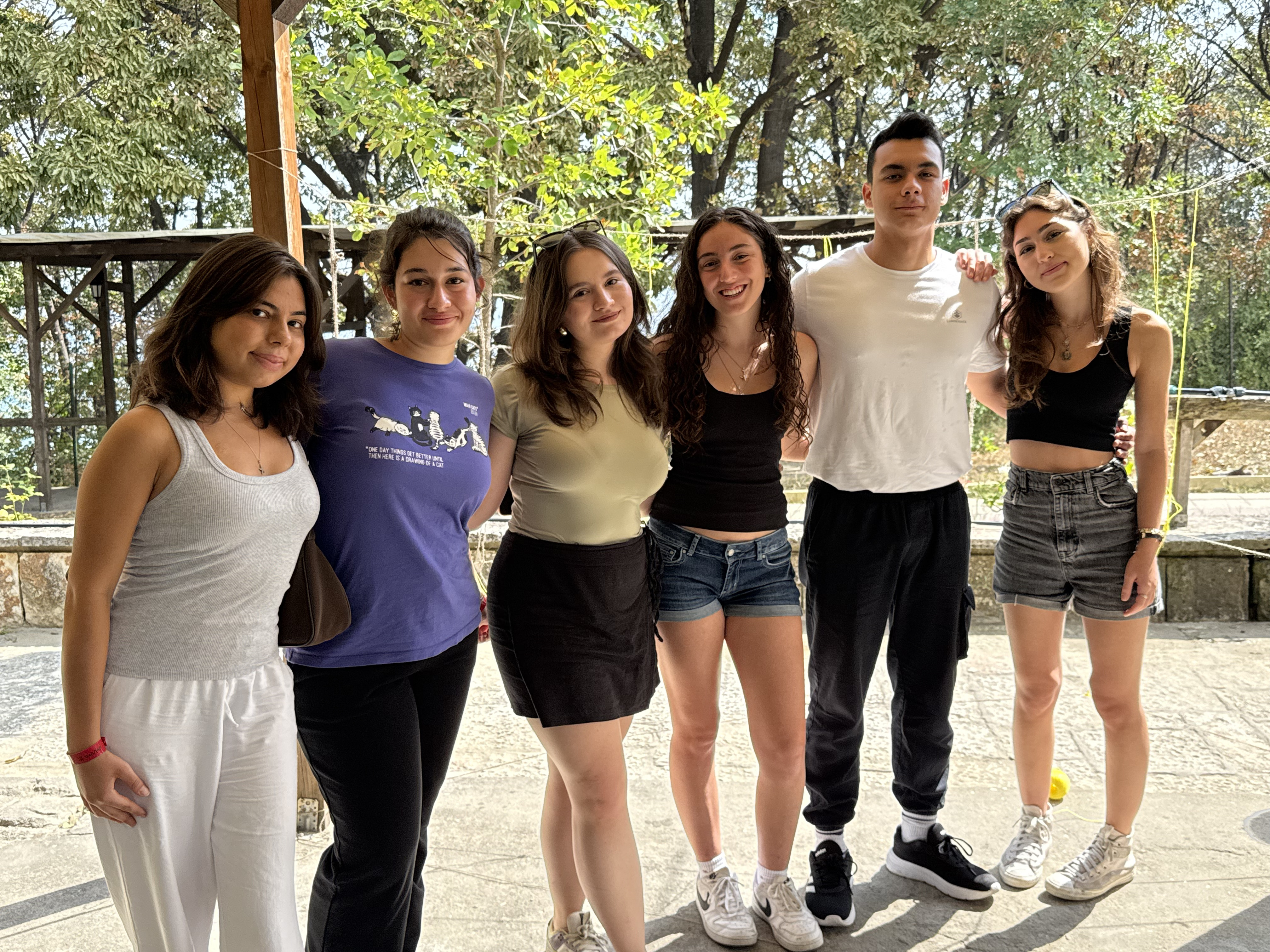
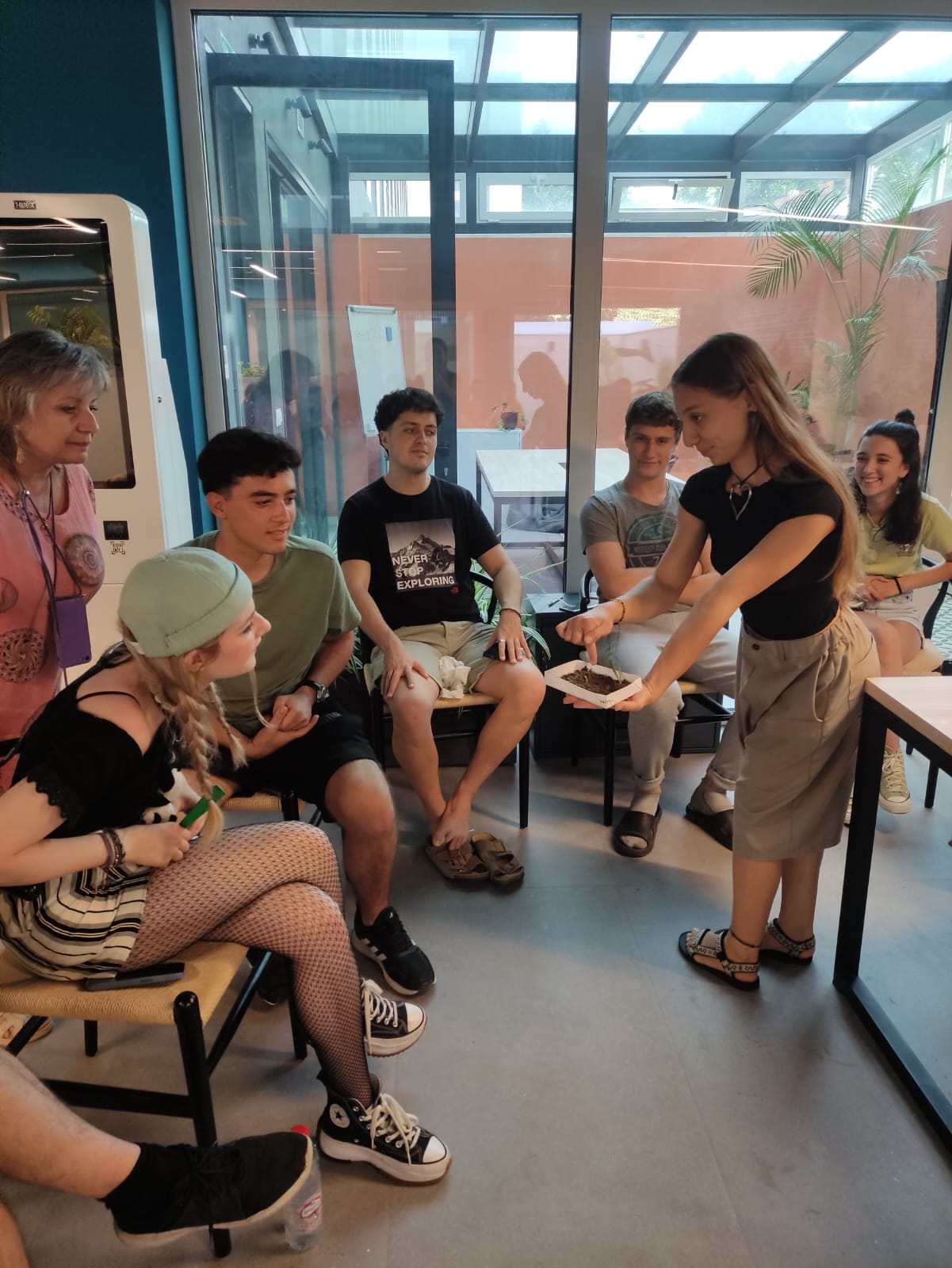
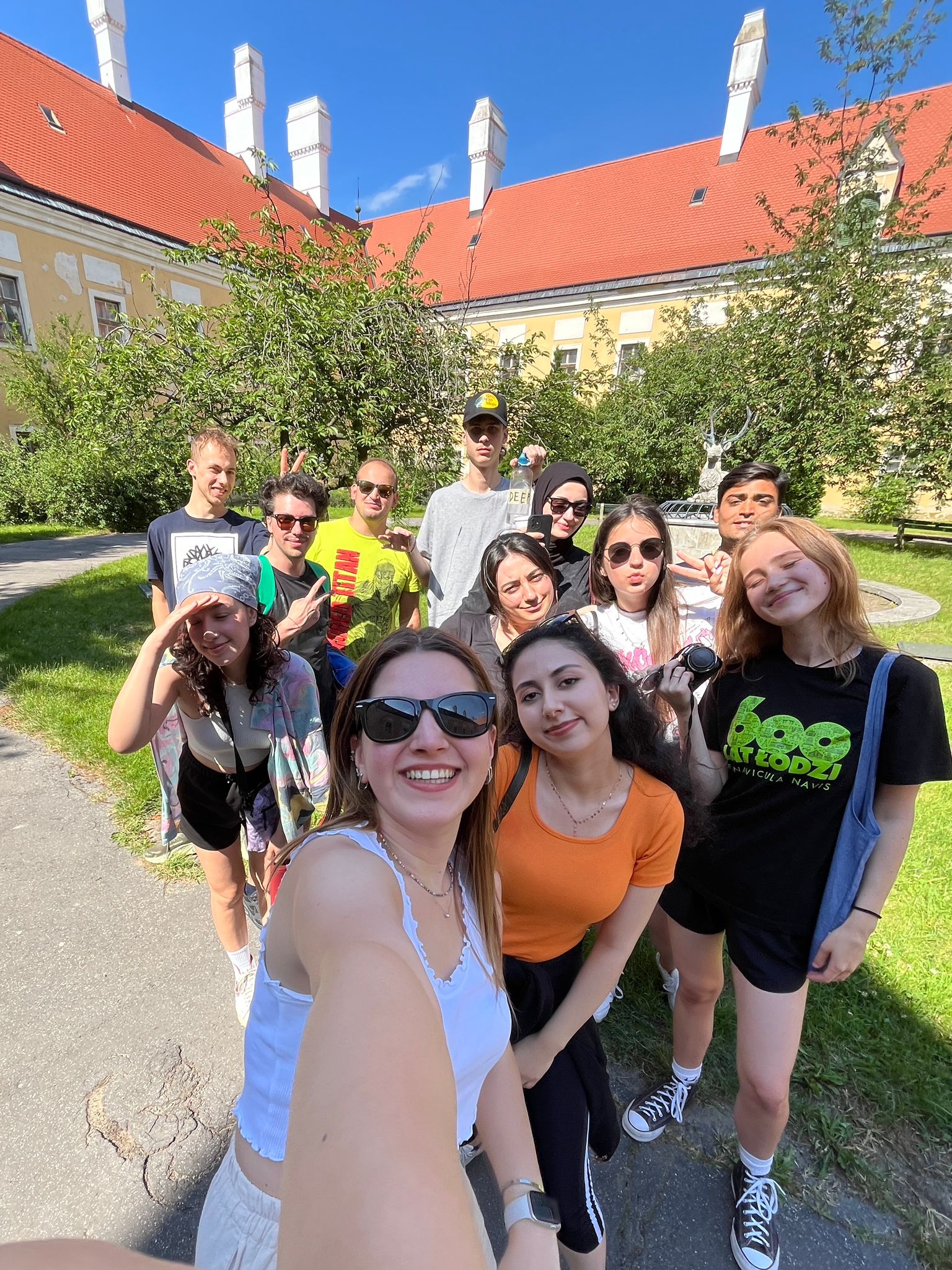
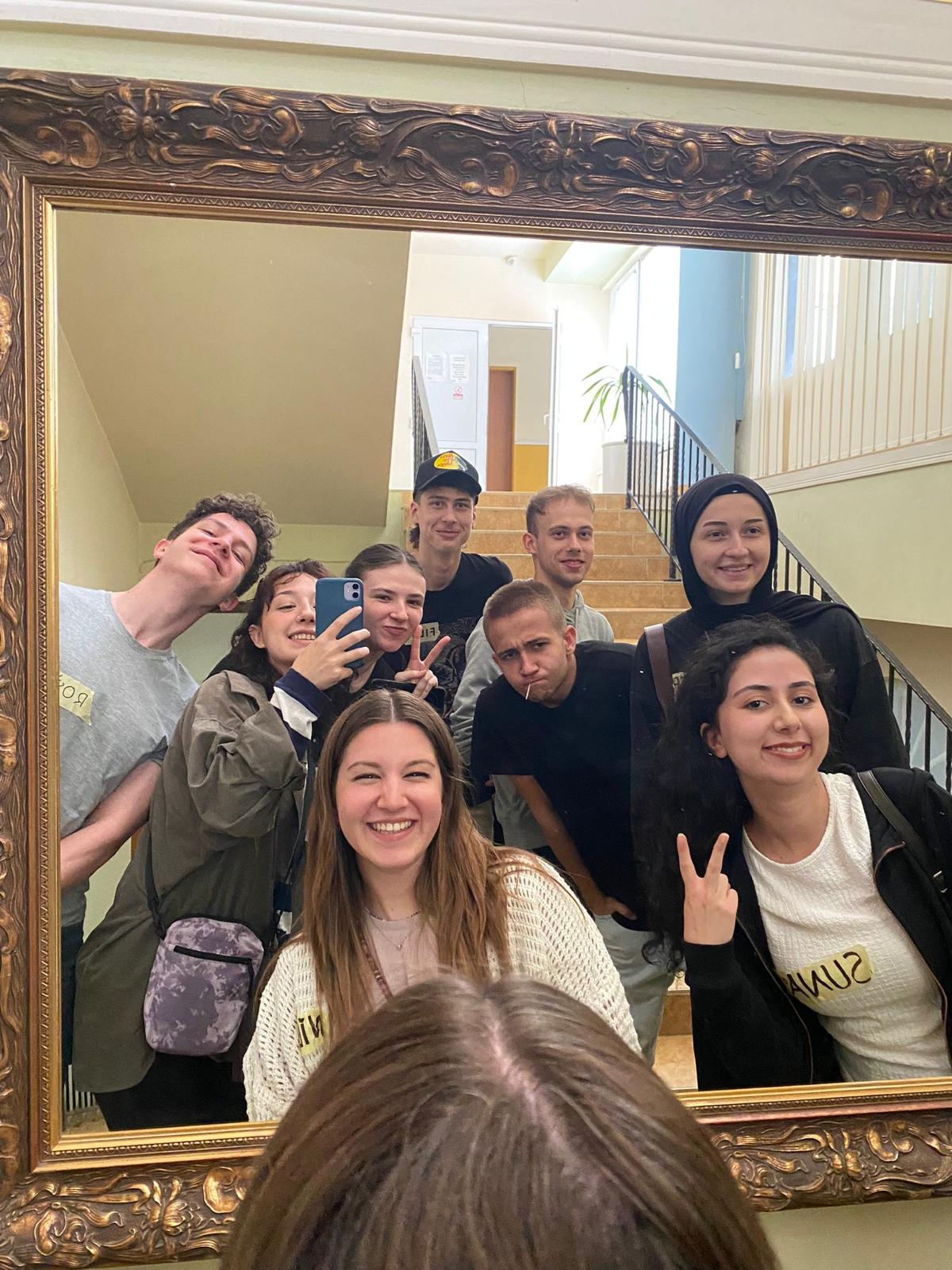
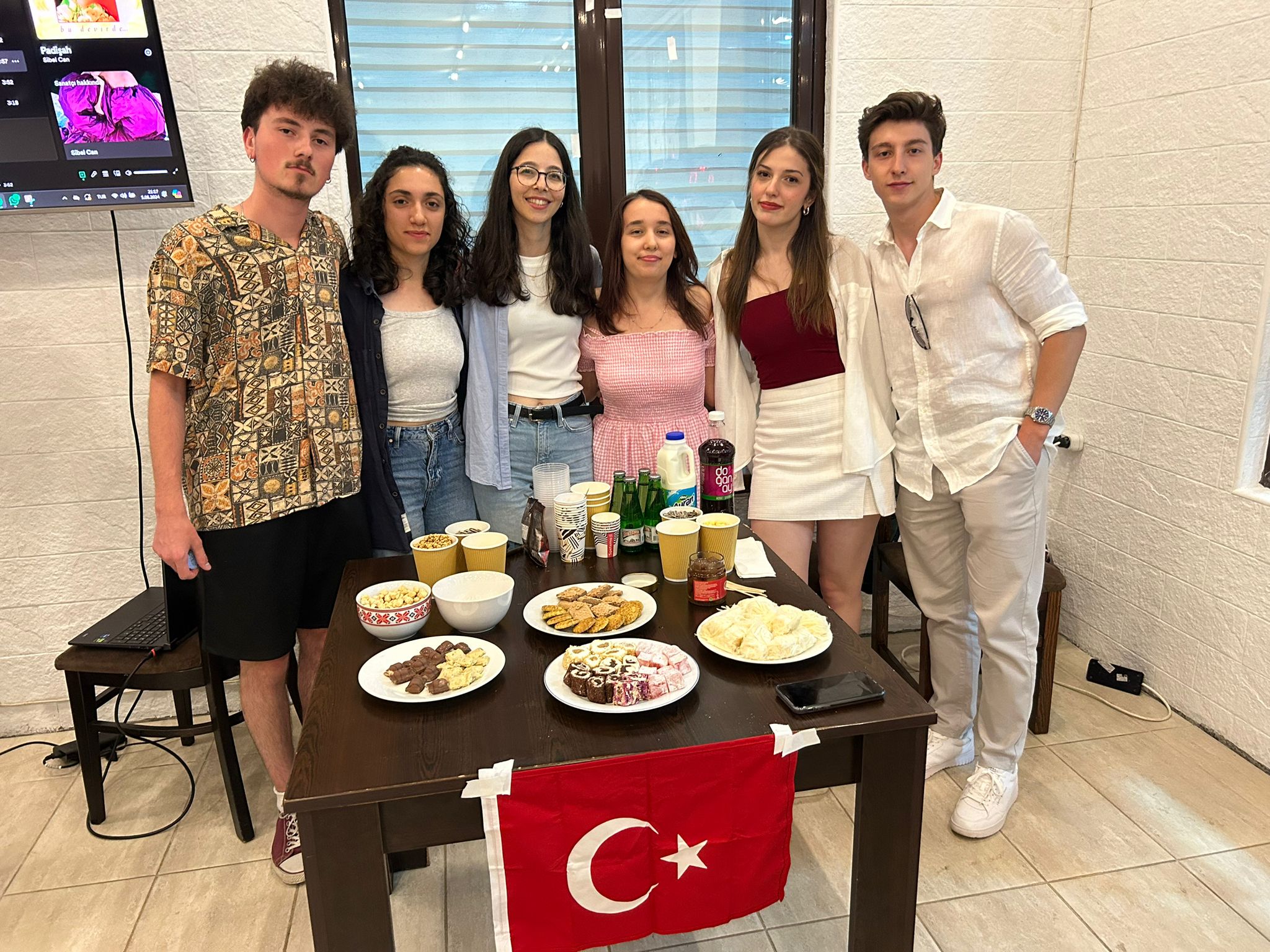
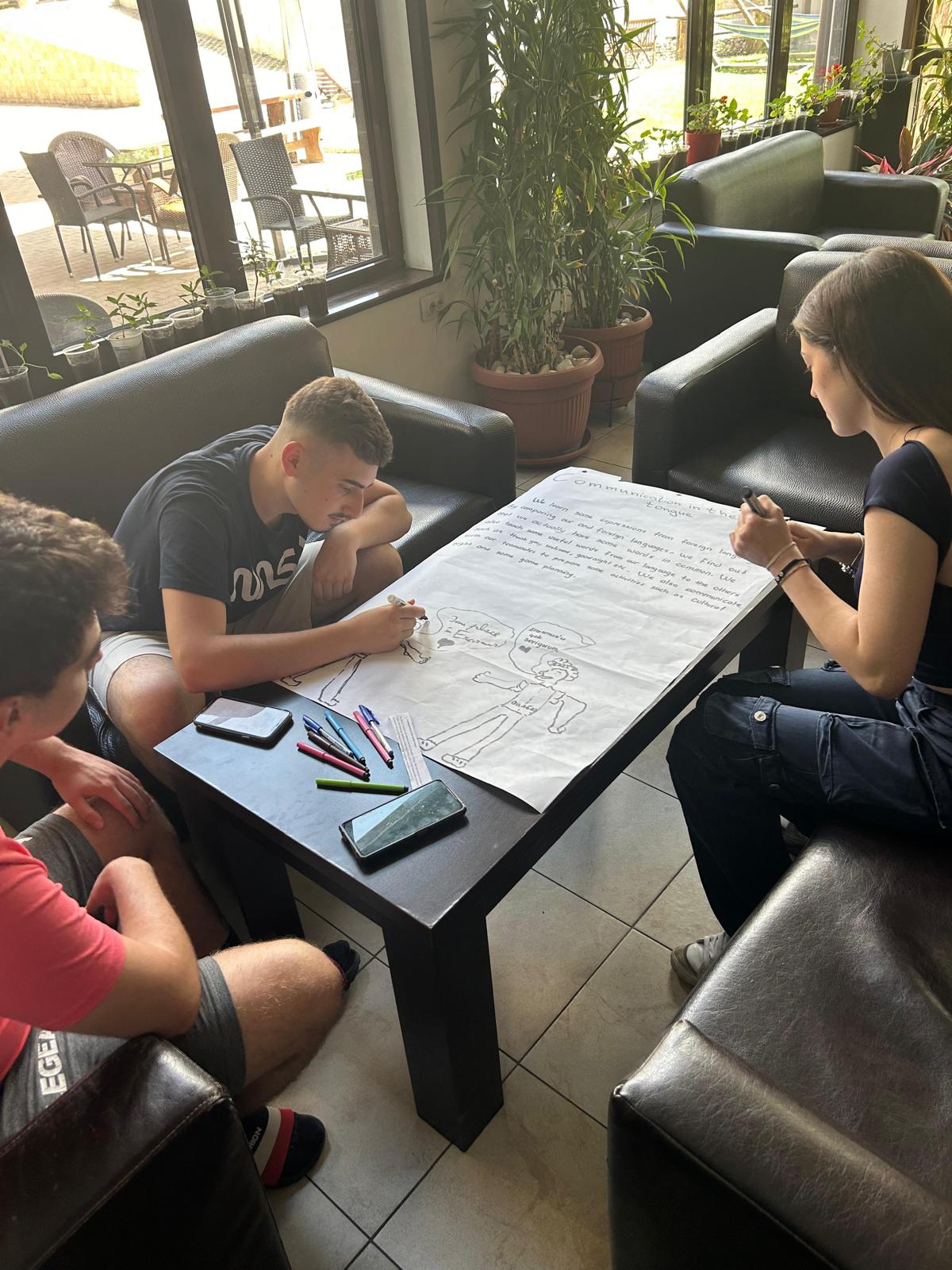
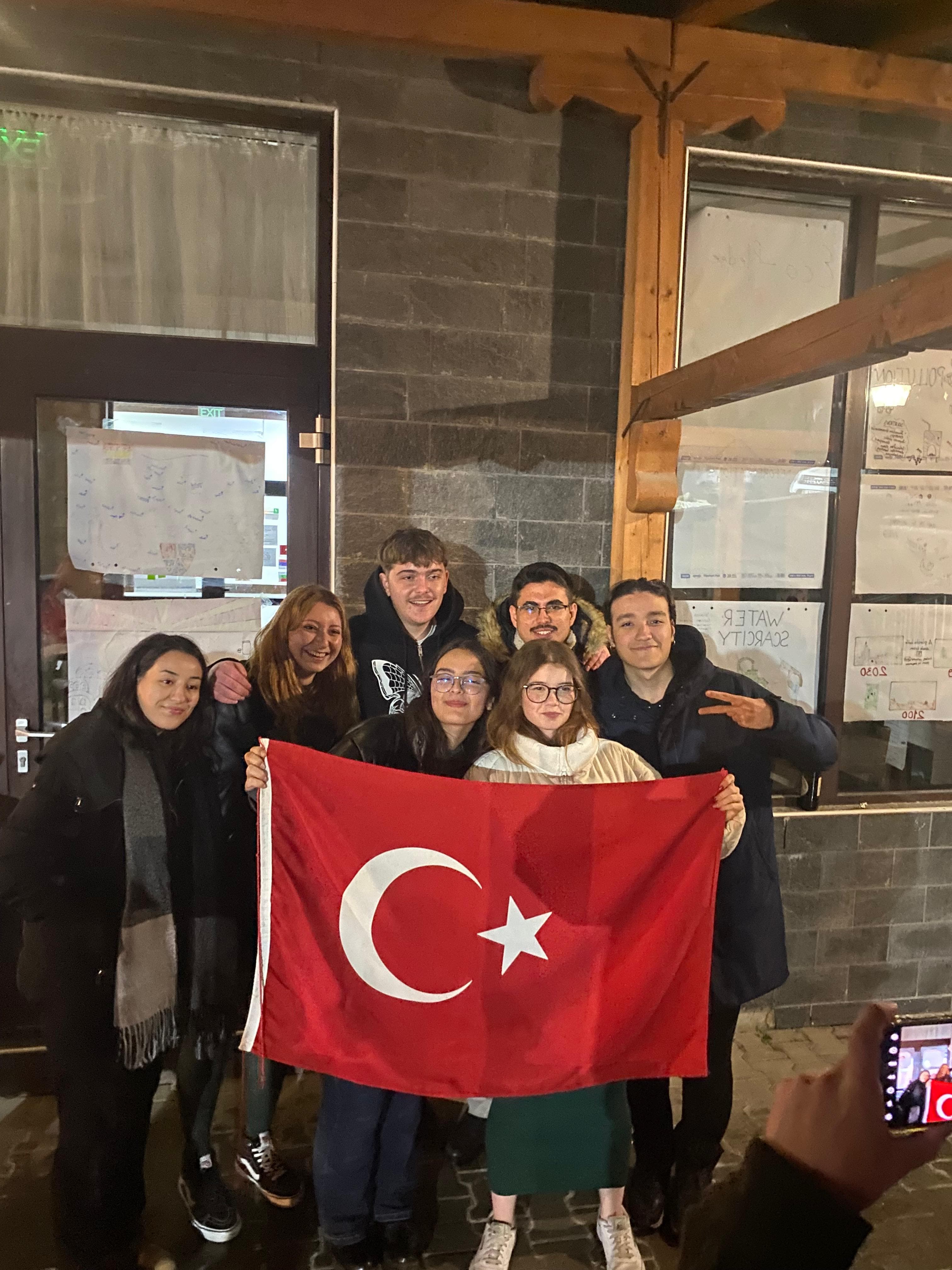
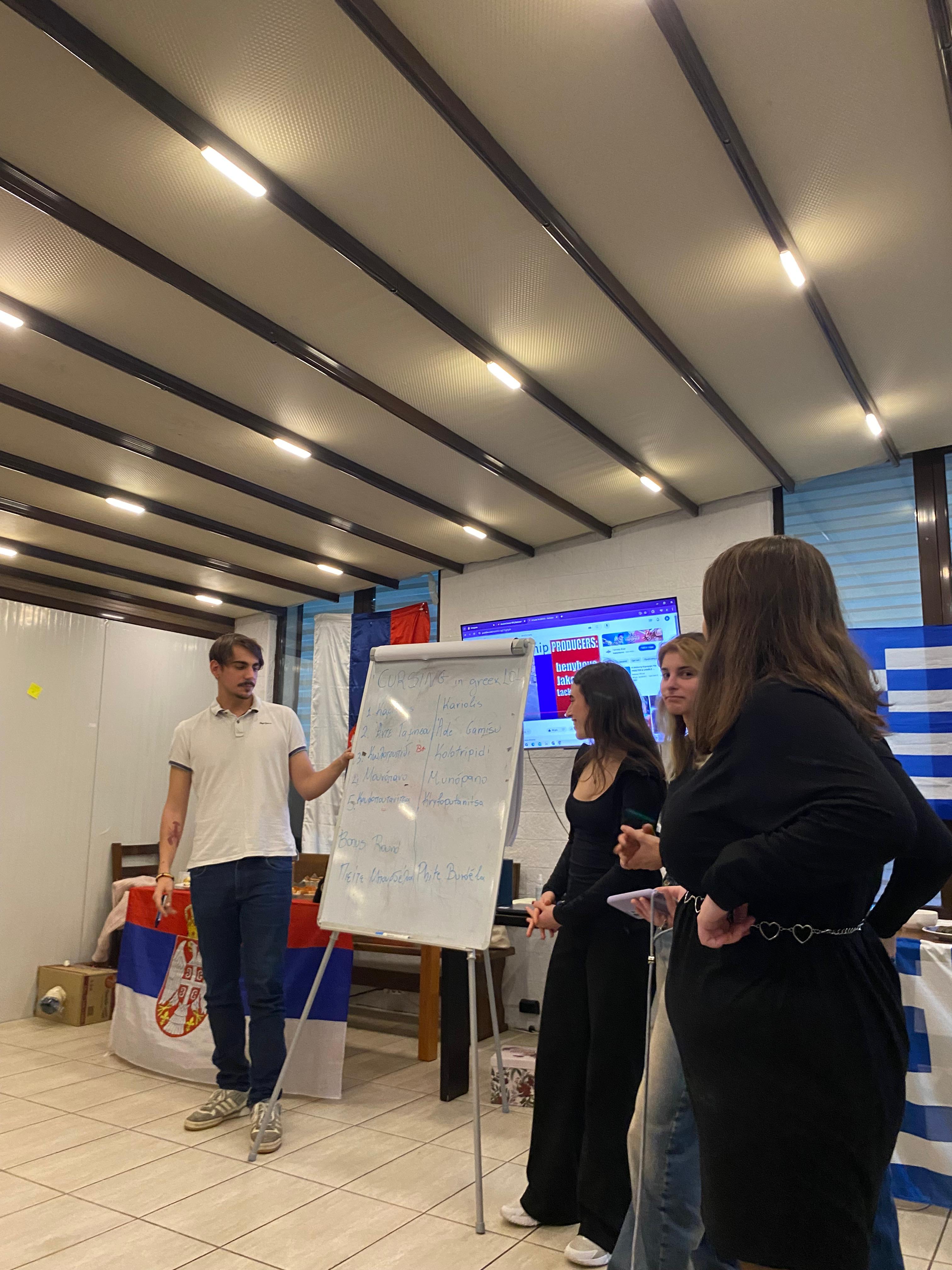
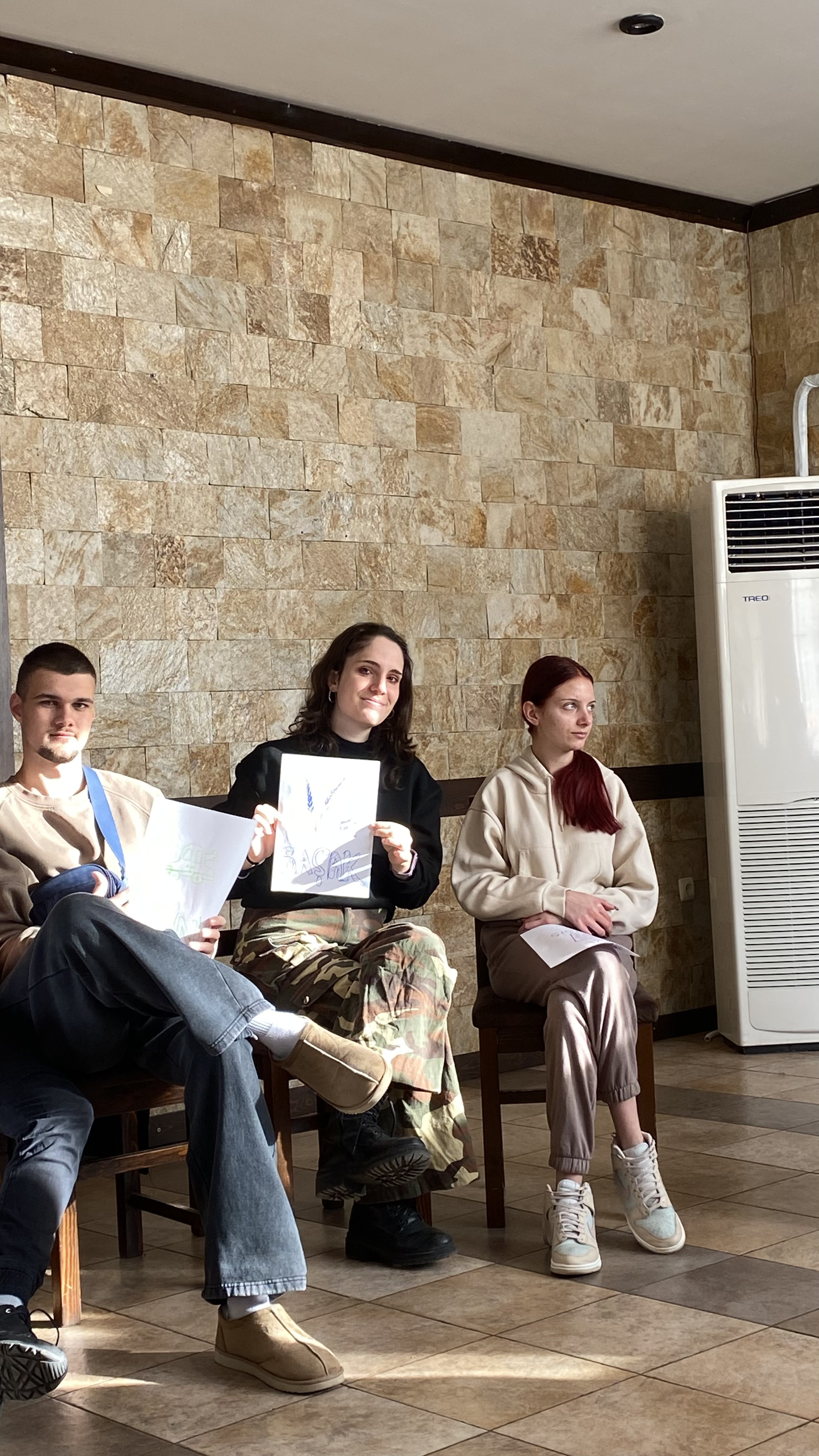
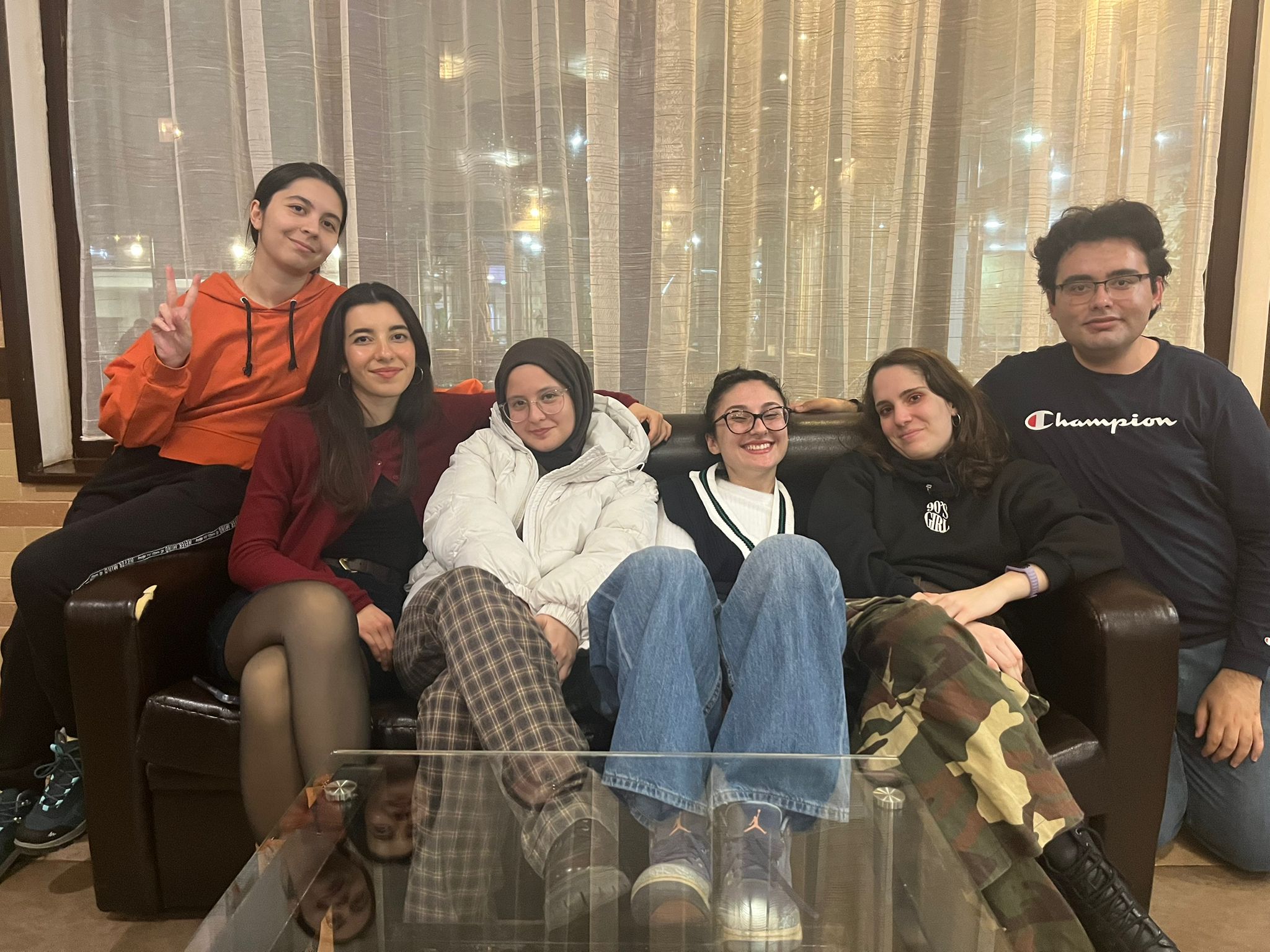
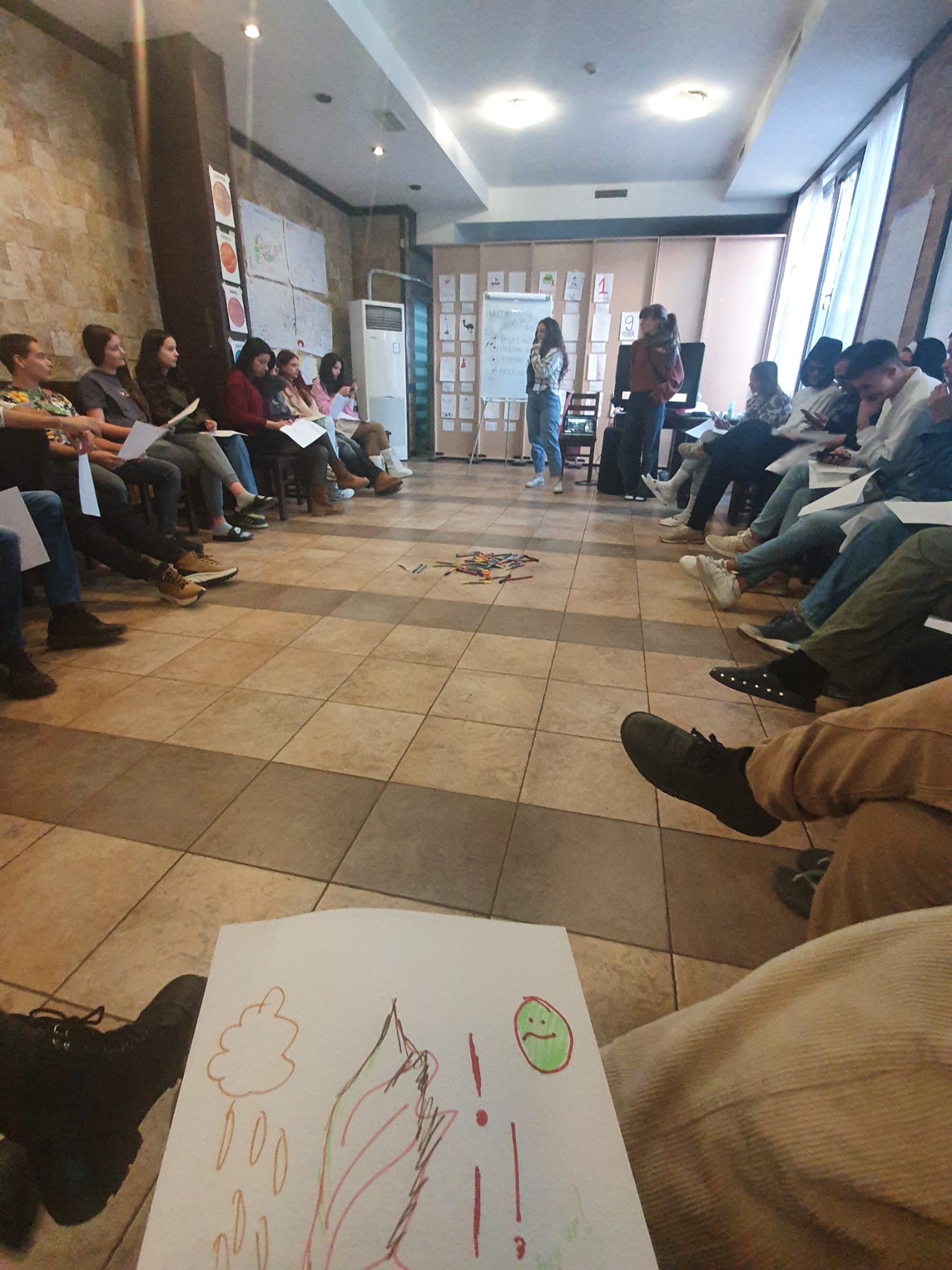
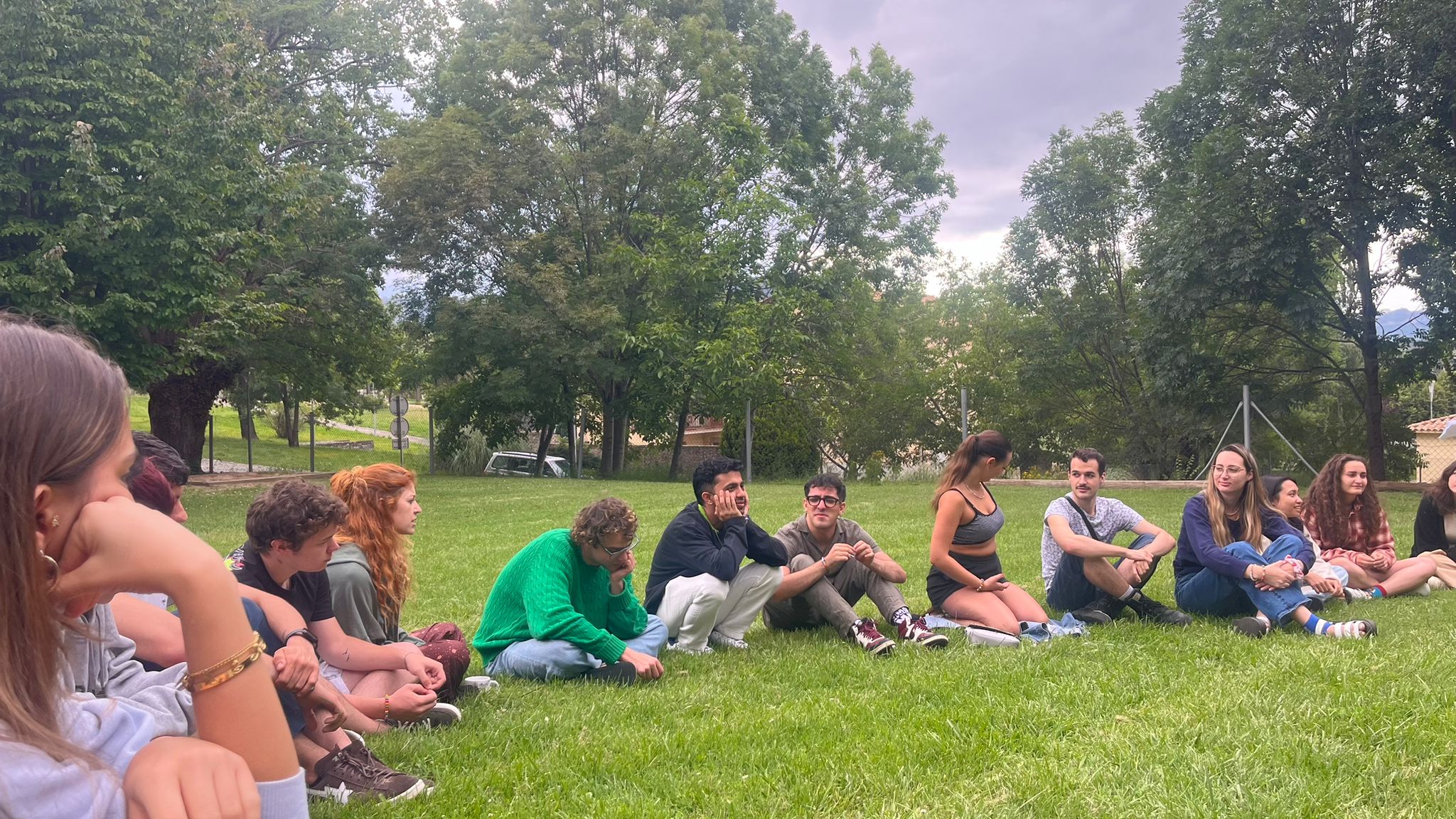
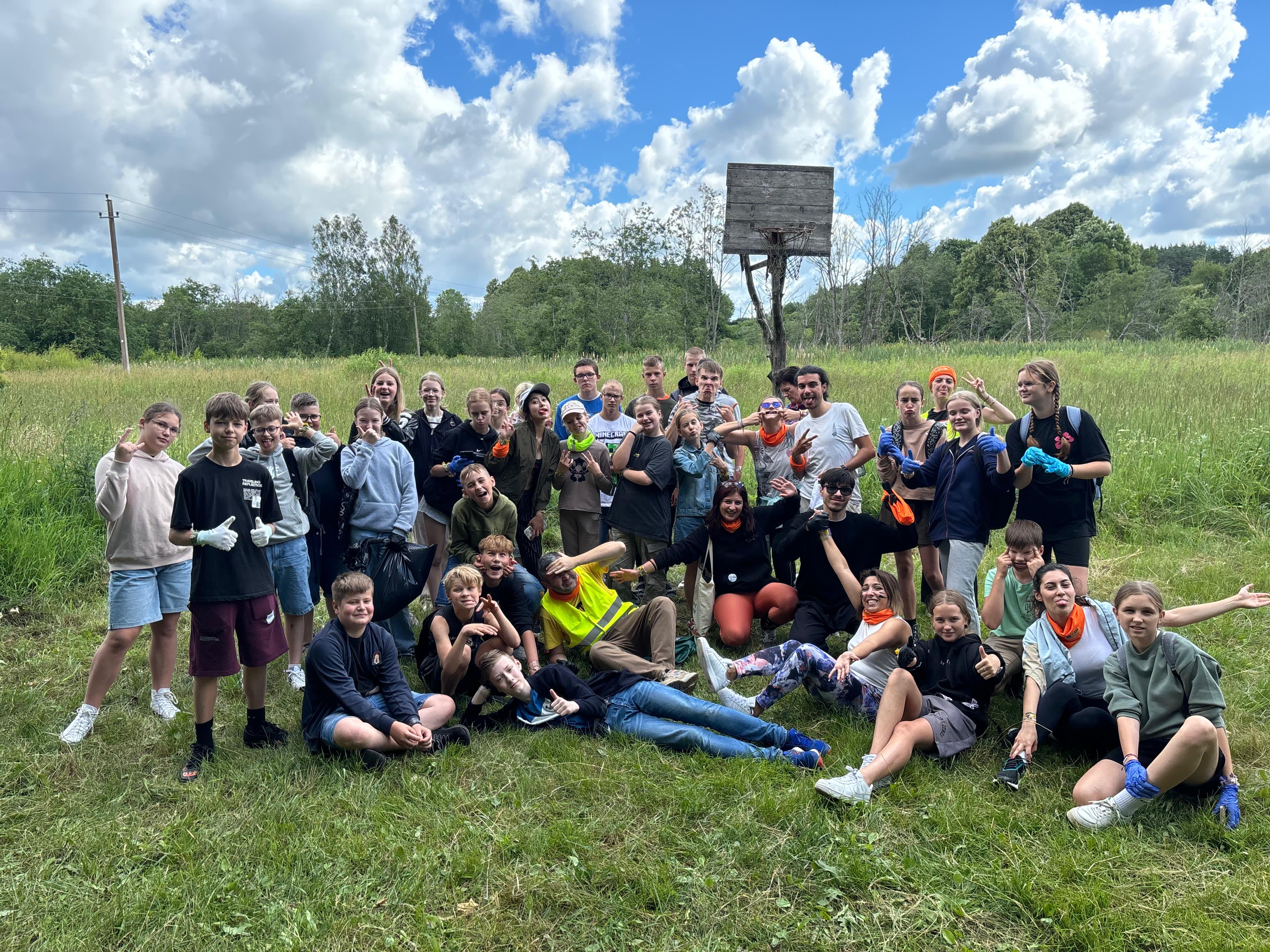
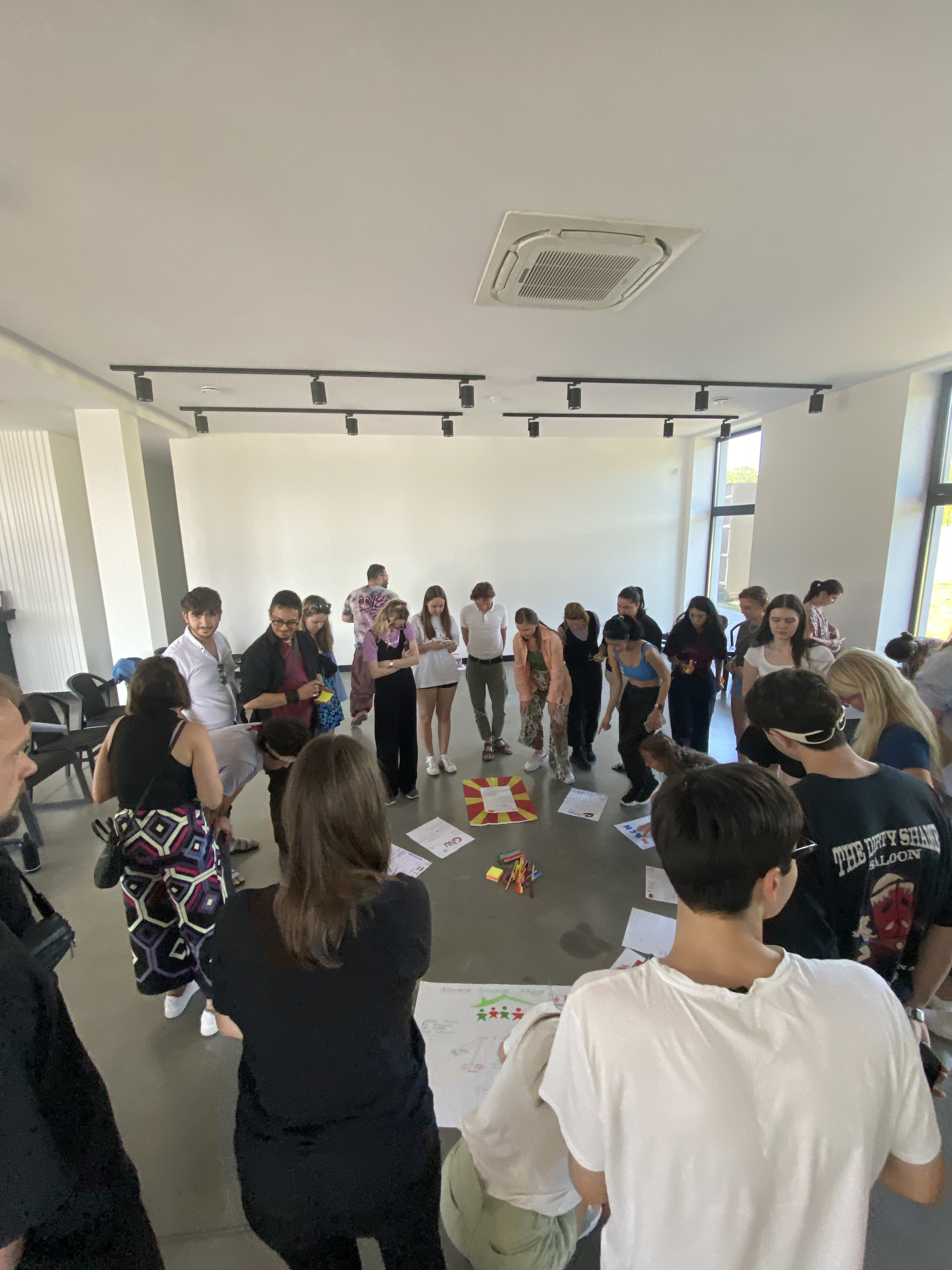
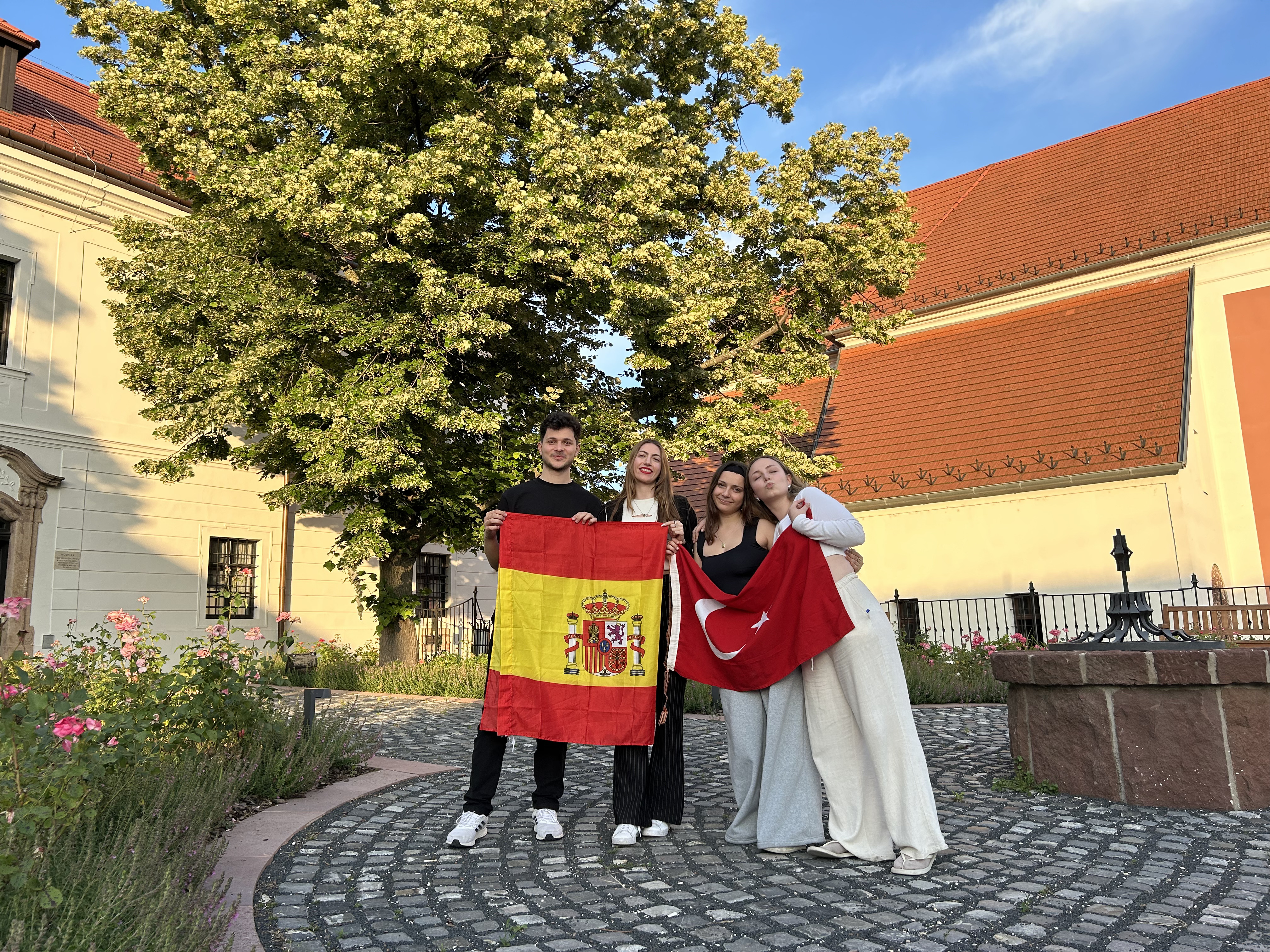
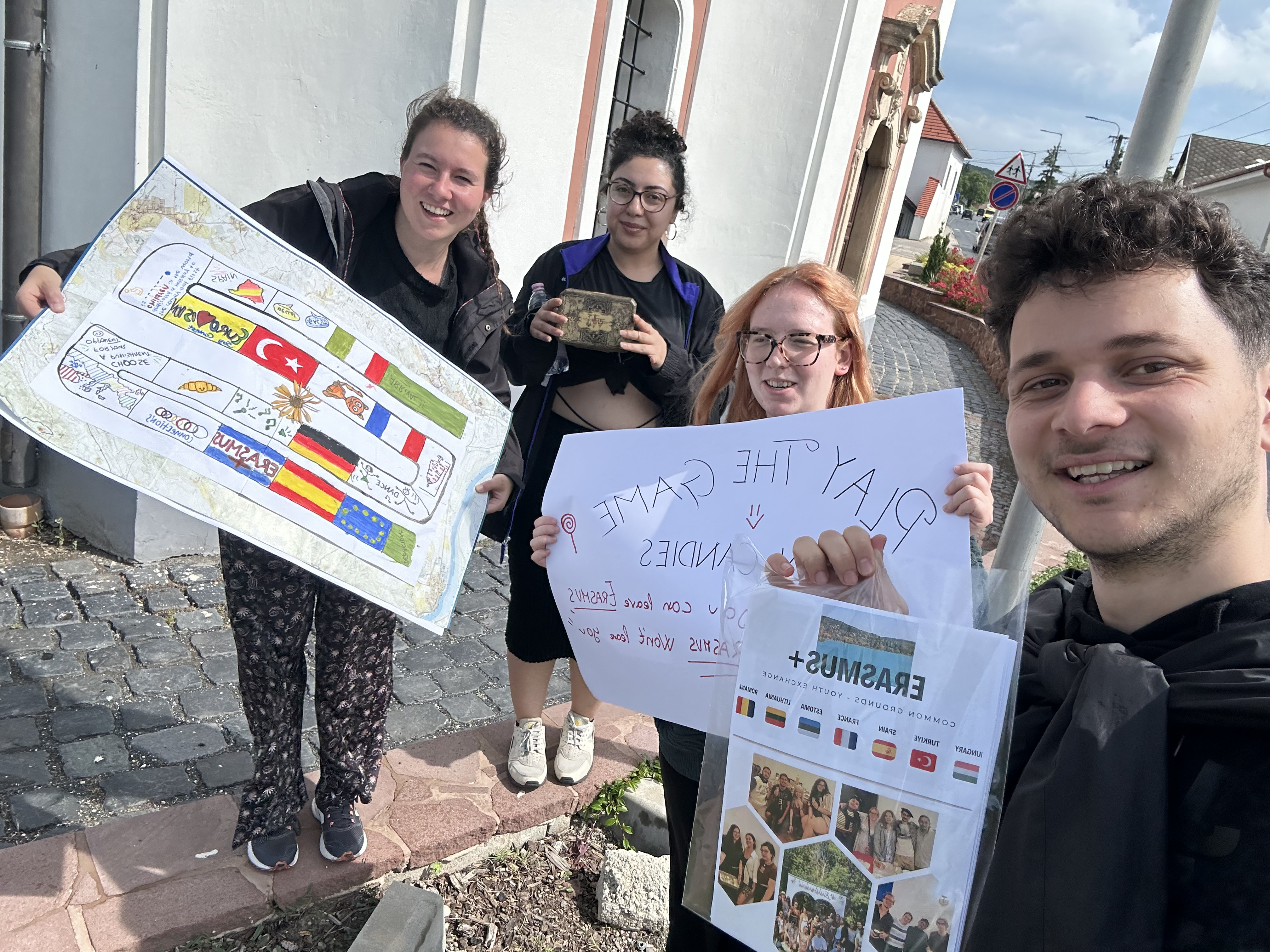
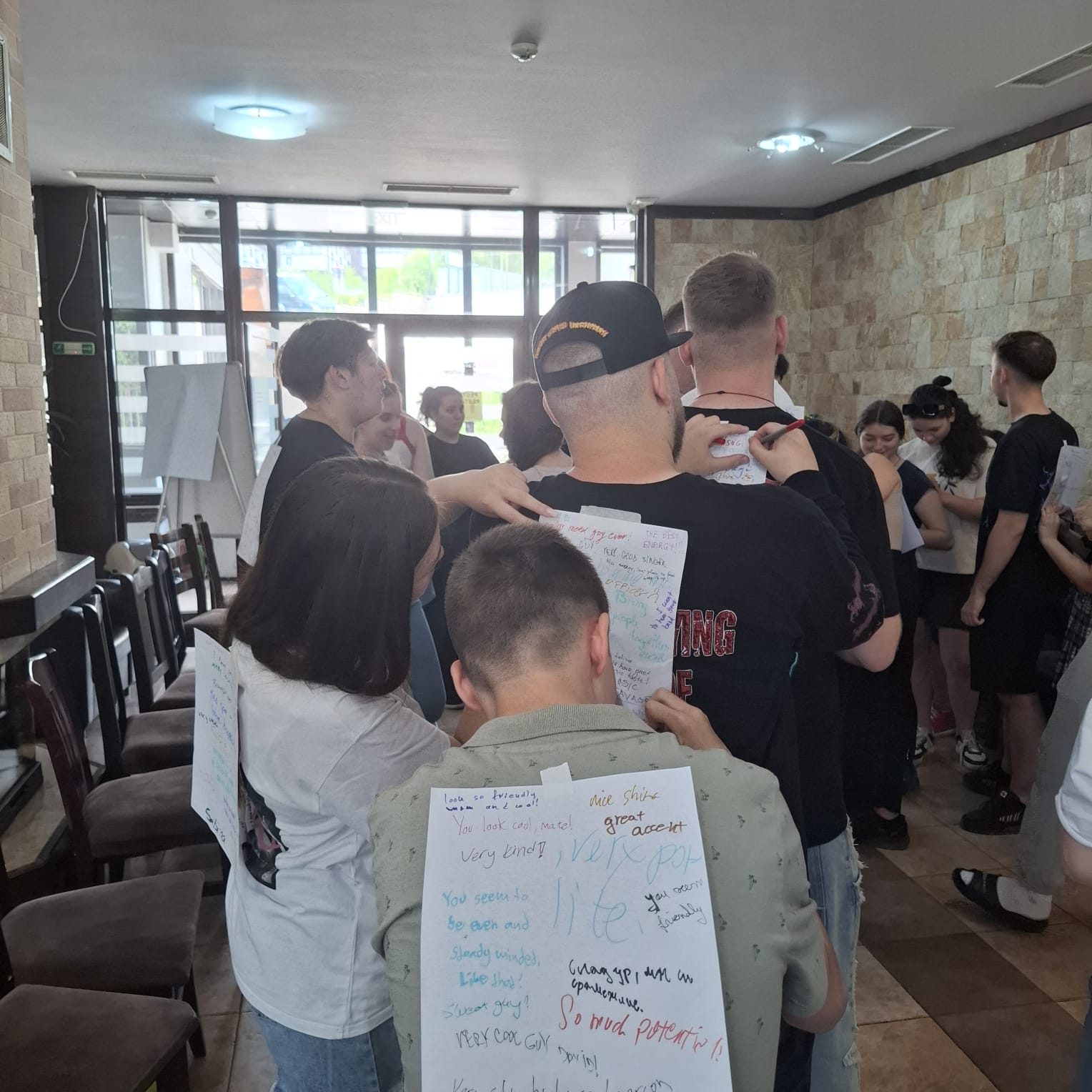
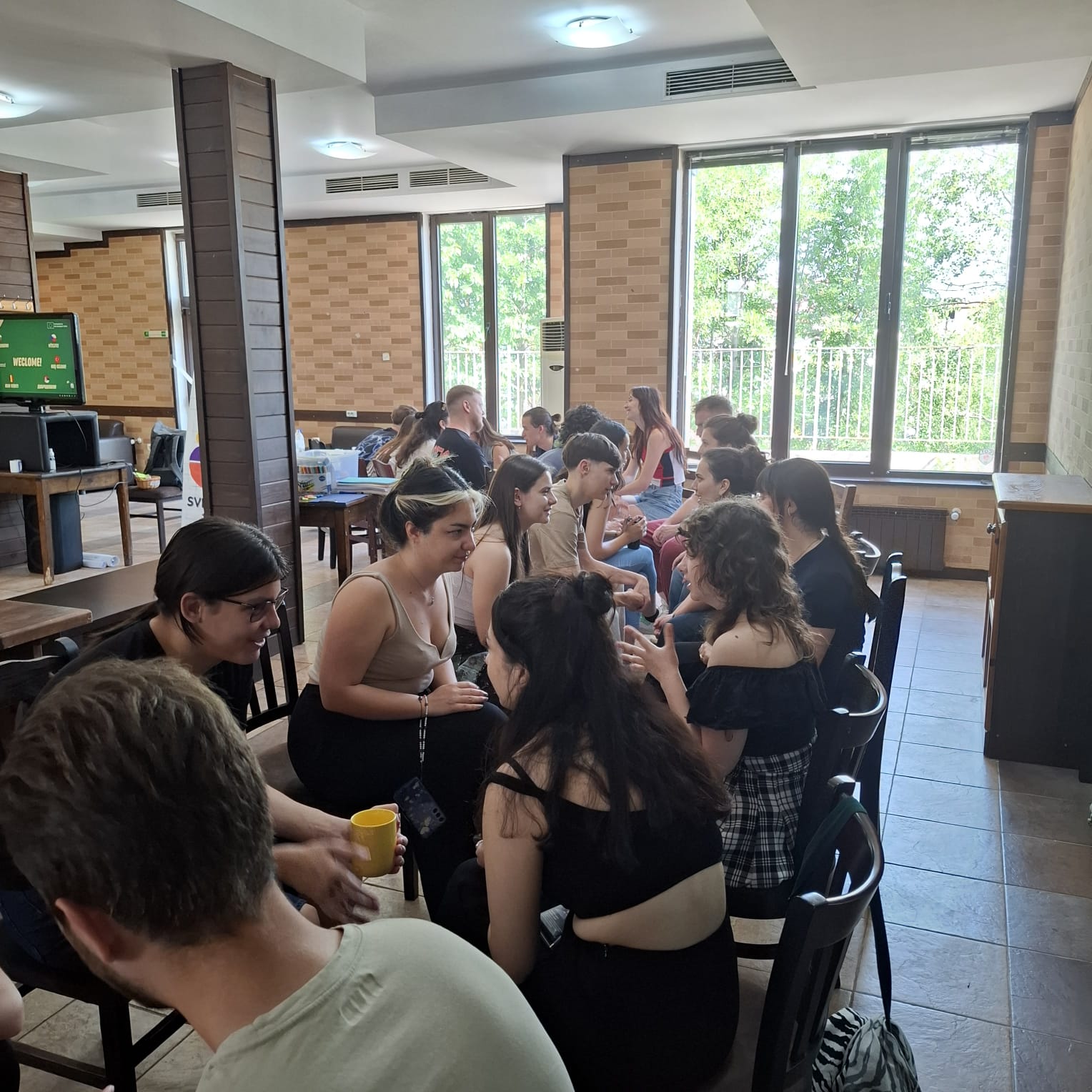
Digital Horizons was not a project spent only in front of computers. Sharing the same environment with people from five different countries, creating things together, sometimes agreeing and sometimes thinking differently were among the most valuable parts of the experience.
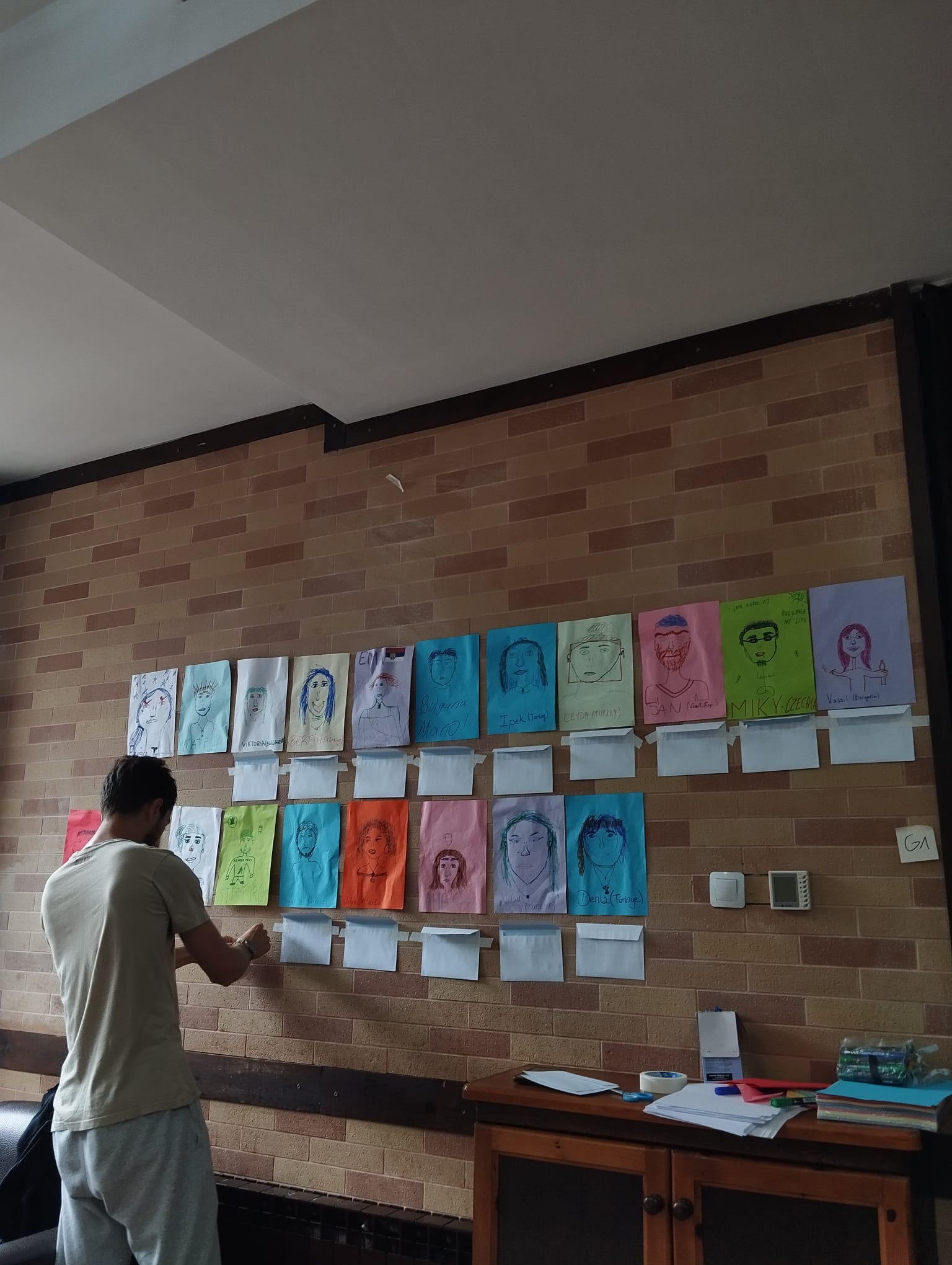
The games and drama activities we did while trying to learn one another's names in the first days actually created the foundation for the communication we would build later.
After a while, we moved beyond the question "Which country are you from?" By working together, we naturally discovered who was interested in what, who enjoyed planning, who generated creative ideas and who lifted the energy of the group.
Digital literacy is not only about technology
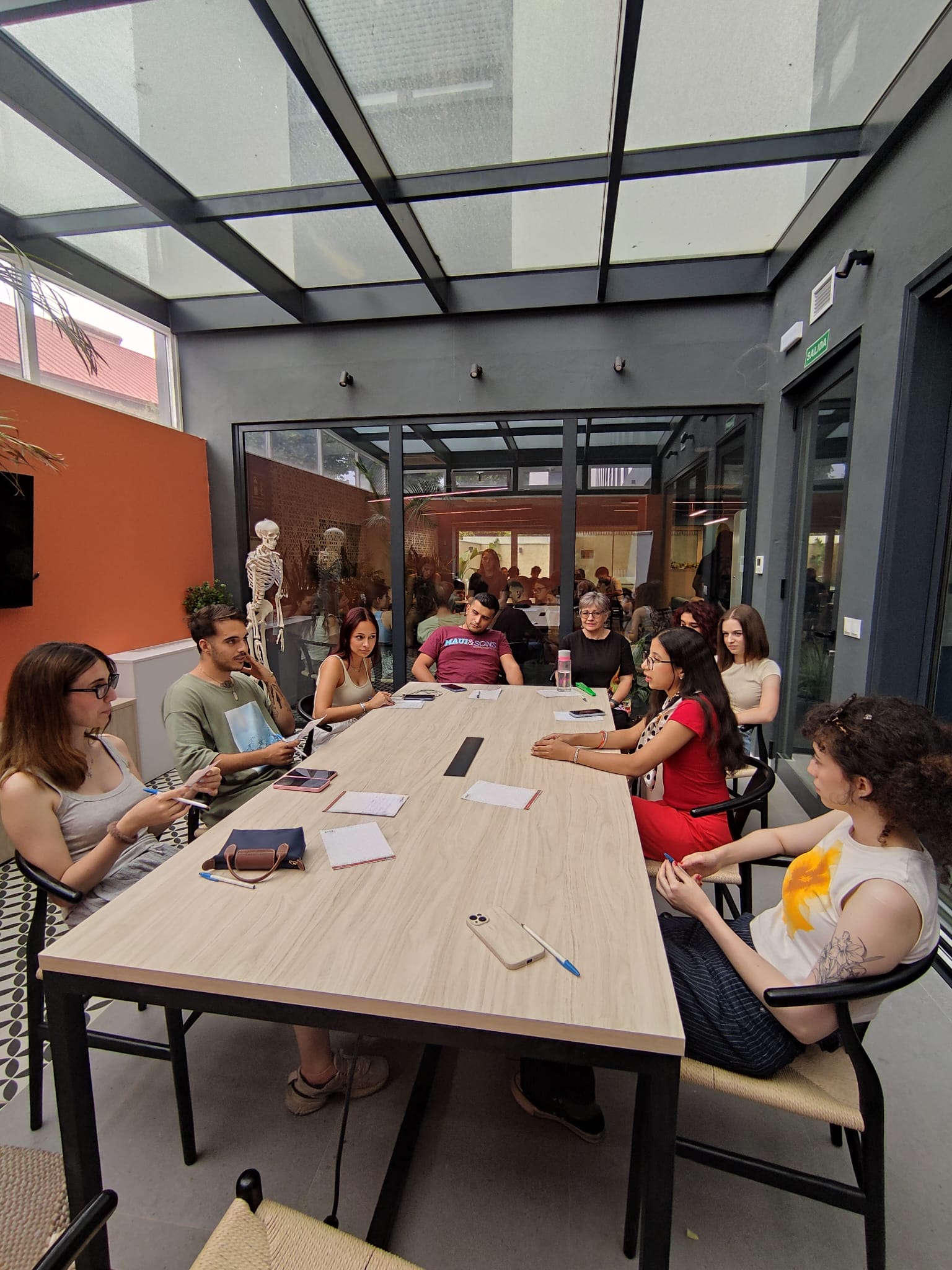
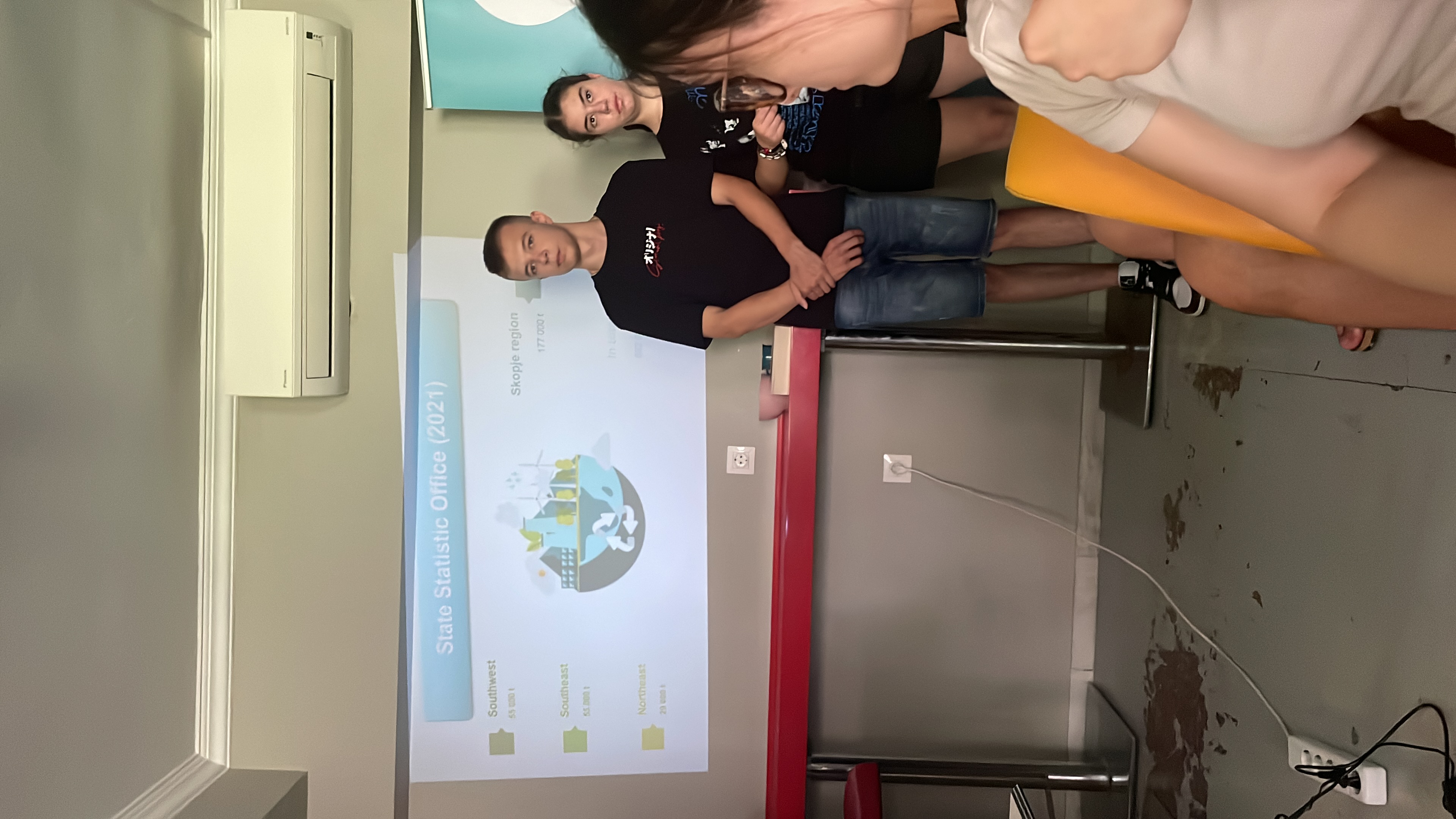
Participants from different countries explained how digital literacy is approached where they live. It was interesting to see that even though we use the same technologies, our relationship with technology is not the same.
A subject considered important in one country may be viewed differently in another. The digital world may reduce borders, but people's experiences, habits and needs remain different.
I therefore realized that learning how to use digital tools is only part of the picture. We also need to think about who we use them with and for what purpose.
One short film, many different ideas
Creating a short film around a given topic was one of the most memorable activities for me. Producing a video requires much more than simply turning on a camera.
First comes an idea. Then a story, division of tasks, filming and editing. Finally, all of these elements have to become one meaningful whole.
Once again, I encountered one of the things I like most about Erasmus+ projects: learning stops being something you are told and becomes something you actually do.
A trainer can explain video editing to you. But when you prepare your own video, make mistakes, try again and finally produce something, the learning becomes much more lasting.
Looking at LinkedIn differently
We also worked on LinkedIn. We reviewed our profiles, received suggestions for improving them and discussed how the platform could be used more effectively.
It made me think about how the way we present ourselves online has become part of communication. A photo, profile description, experience, project or post tells a story about us.
Yet the important question is not only "How can I present myself better?" For me, the more important question became: "Am I representing myself accurately in the digital world?"
The invisible side of the digital world
One of the most thought-provoking activities was calculating our carbon footprint. When using digital technologies, we usually focus on the convenience they provide.
Sending a file in seconds, joining a video call from another part of the world, storing photos and videos in the cloud or sharing content on social media can all feel entirely immaterial.
Yet the digital world also has an environmental cost. Calculating our carbon footprint made me think about the less visible impact of the technology we use.
Digital Horizons therefore became more than learning to use digital tools better. It also encouraged me to question the impact of the technology I use.
Closing the computer and going for a walk
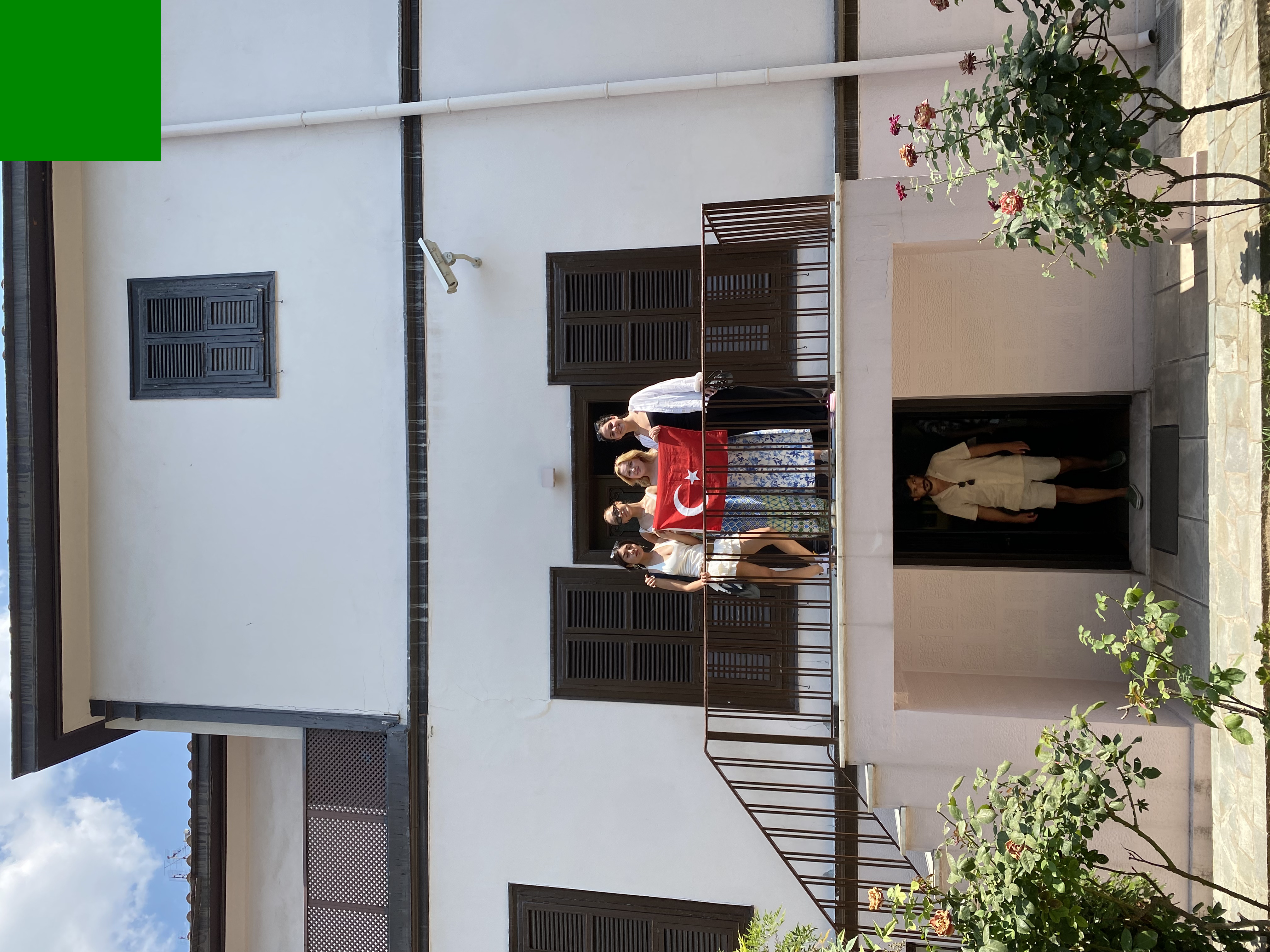
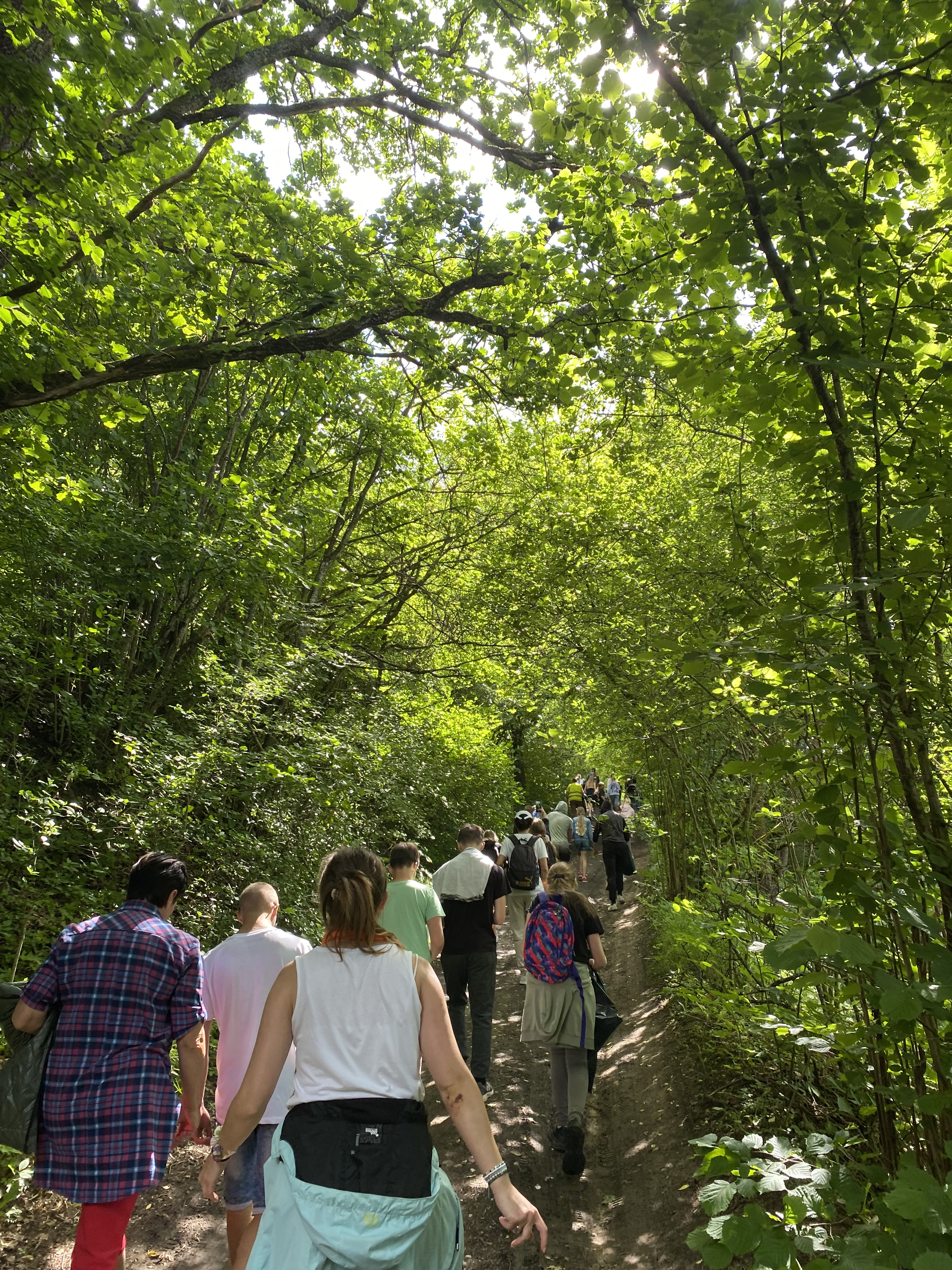
On one of our free days, Nilsu and I went walking in a UNESCO-protected park.
For days we had been talking about digital tools, social media, videos and the online world. Then, for one day, we left our computers and phones a little further behind and walked through nature.
Bansko reminded me that technology can make life easier, but life itself does not happen only on a screen. Sometimes learning something new requires not an application, but a good walk.
From a mind map to my own map
We also learned how to create mind maps. At first, the method seemed simple: a topic in the center, ideas around it and new connections emerging from those ideas.
But I realized that the project itself was constantly creating new connections in my mind: digital tools led to communication, communication to culture, culture to different perspectives, and those perspectives to collaboration and learning.
Perhaps this was the most important mind map Digital Horizons created for me.
Understanding something well enough to share it
Toward the end of the project, we brought together the tools and knowledge we had learned to create a Digital Tool Guide. We also produced social media content to increase the project's visibility.
At that stage I noticed something else: learning something and understanding it well enough to teach it to someone else are not the same thing.
You may know how to use a tool, but when you need to explain it in a few sentences, you discover how well you truly understand it. Preparing the guide and dissemination materials therefore became an opportunity to rethink what I had learned.
What did I bring home from Bansko?
I learned new digital tools, improved my photo and video editing skills, began using social media more consciously, looked at my LinkedIn profile differently, learned to create mind maps and increased my awareness of carbon footprints.
Yet none of these may be the most important thing the project left with me. I returned from Bansko with a slightly different way of learning.
Sometimes you need to look again at something you think you already know. Sometimes a simple question from someone from another country can make you notice something you have never considered. Sometimes a digital tool stops being just a tool and becomes a new way to communicate.
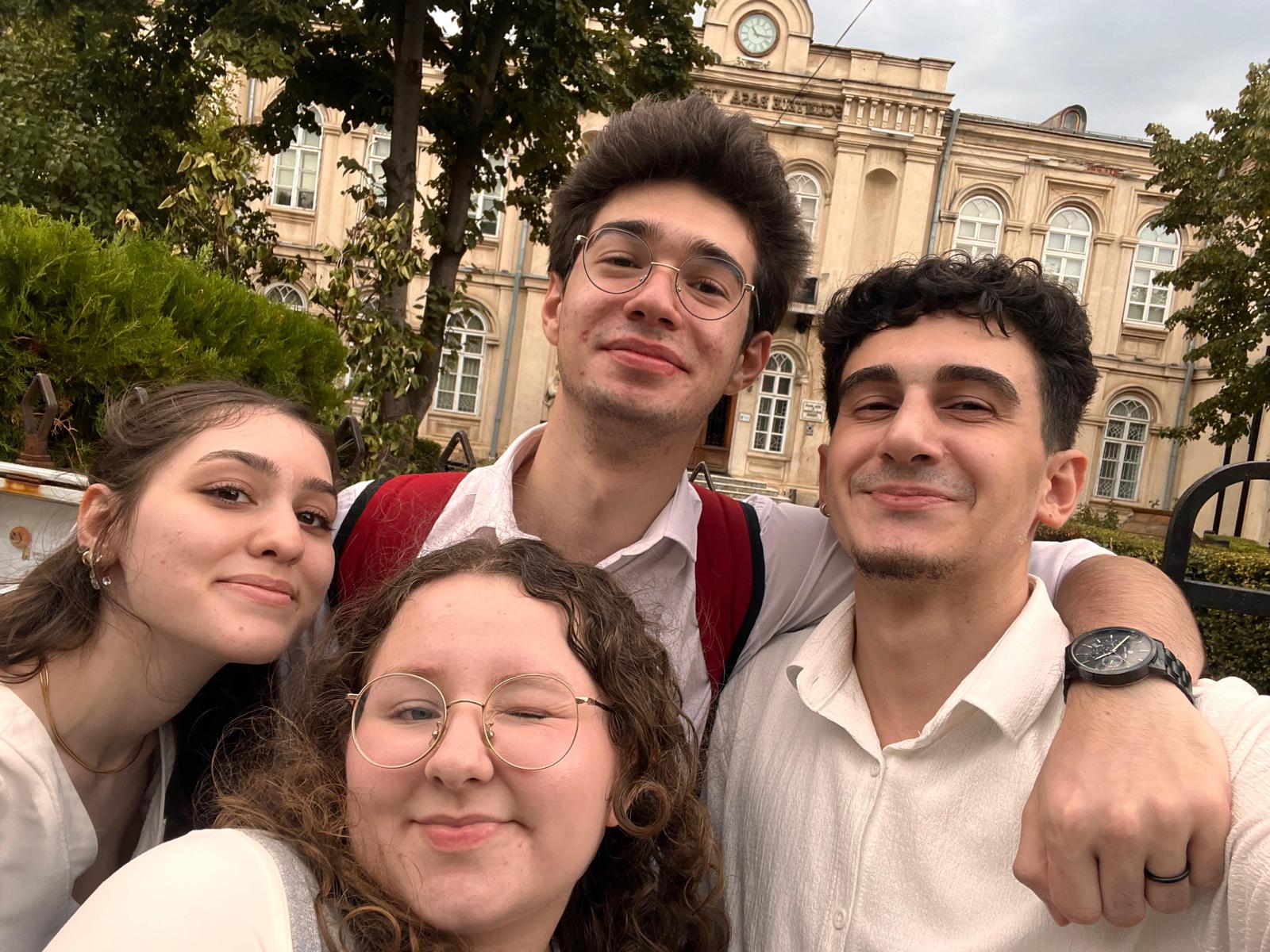
And sometimes an Erasmus+ project continues even after the project itself is over. What you bring home is not only a certificate, but new people, new ideas, new skills and a perspective that has changed a little.
Perhaps this is exactly what makes Erasmus+ experiences special: you do not return from the place you visited as exactly the same person.
Digital Horizons Erasmus+ Project Participant Yücel Cultural Foundation Youth Page Erasmus+ Experience Stories