Empowering Youth for a Sustainable Future: A Journey from Awareness to Action
This Erasmus+ training course in Kaunas transformed sustainability from a subject to learn about into a process of becoming aware, understanding and taking action. From World Map and Electionville to international teamwork and methods that can be transferred into everyday life, the experience became a journey from awareness to action for me.
Some Erasmus+ projects leave you with good memories, new friendships and the happiness of having discovered another country. Others go a little further. After the project ends, you begin to use what you learned in your everyday life, in your work and in the relationships you build with other people.
Empowering Youth for a Sustainable Future was exactly this kind of project for me.
Held in Kaunas, Lithuania, from 4 to 11 June 2025, the training course did not approach sustainability simply as a subject about which we needed to acquire information. We first questioned how we understood sustainability, how we perceived the world and what assumptions shaped our thinking. Then we worked on how to turn what we had learned into action.
Looking back at the end of the project, I can comfortably say that it became one of the most special Erasmus+ experiences I have had. There was no single reason. The participants, trainers, methods, materials, teamwork, the organization's approach and the synergy created by all these elements took the project to another level.
First Step: Arriving in Kaunas
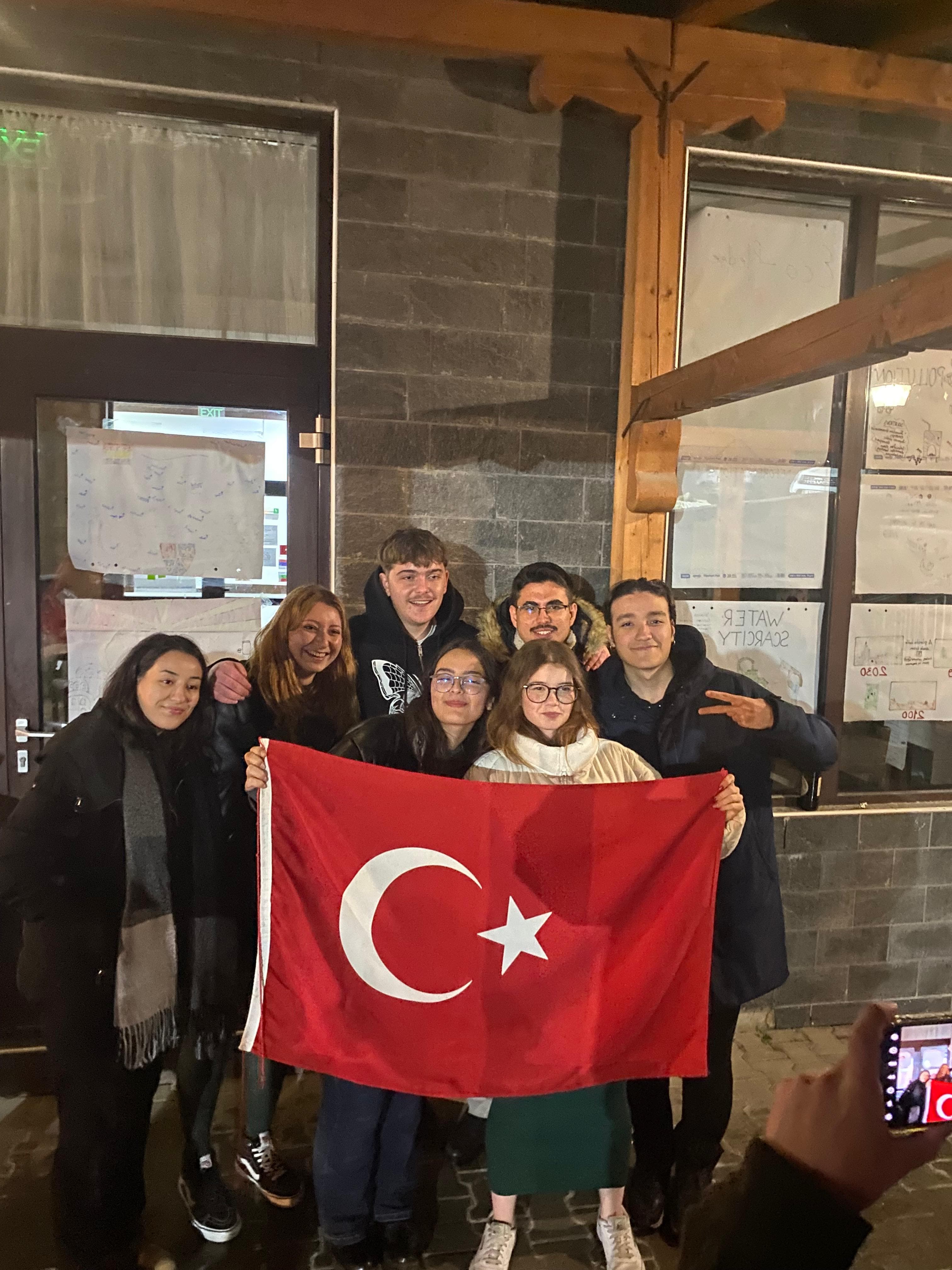
The first day was a travel day. We began meeting team members from different countries. During those first encounters, everyone was trying to learn where the others came from, what they did and why they had joined the project.
The first days of Erasmus+ projects have their own excitement. You are happy to be in a new country while also wondering what the week ahead will be like. You do not yet know the people, the training methods or the energy of the group.
My beginning was similar. Yet the group's energy quickly became visible. Although we came from different countries, we shared a common desire to learn, and this later became a strong part of our teamwork.
The Training Course Really Begins
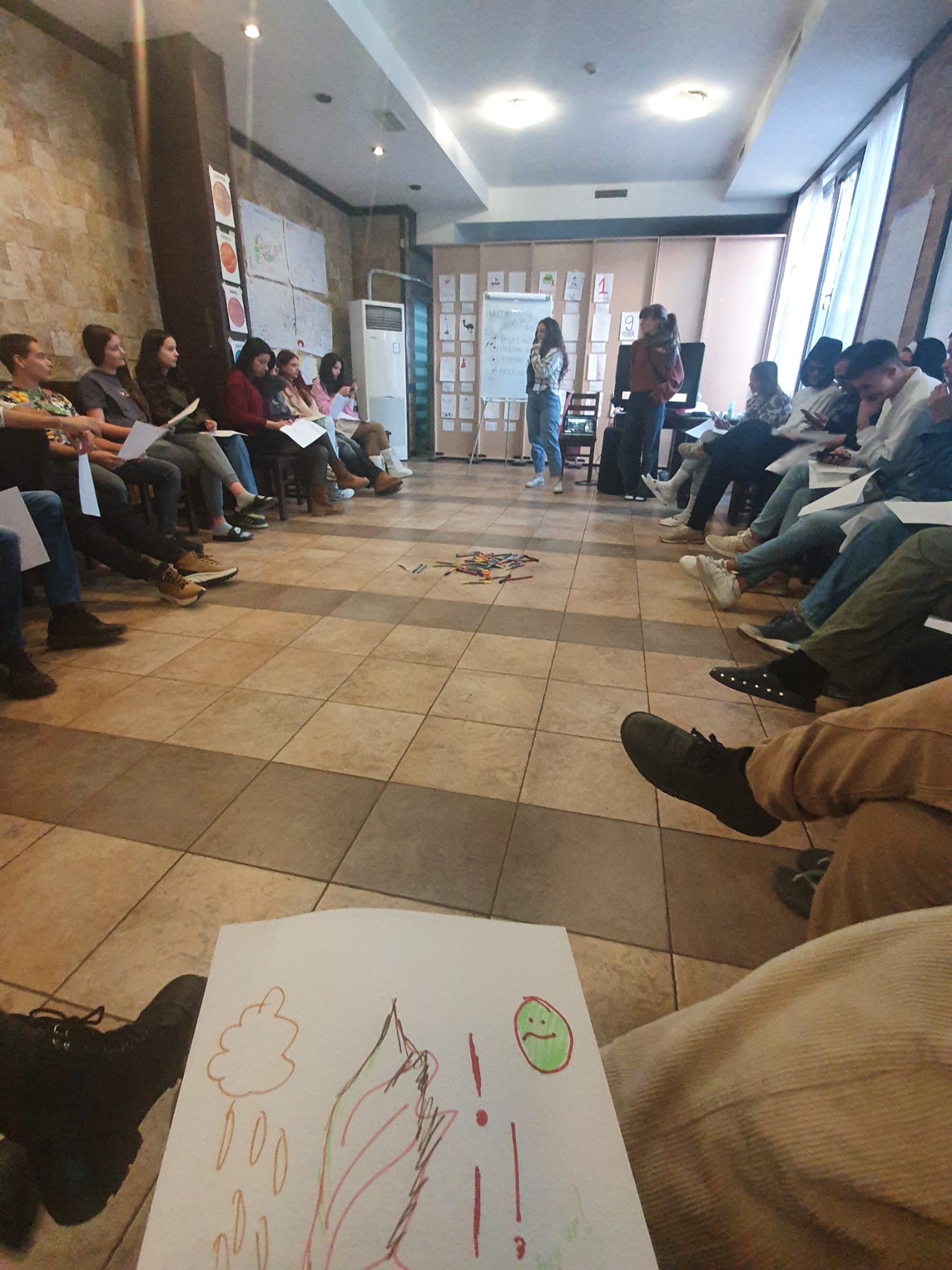
On our first official day, we took part in introductory activities, received general information about the project and worked on activities designed to explore our existing knowledge.
What first caught my attention was that the trainers did not see us simply as people receiving information. From the beginning, we were expected to think, generate ideas and bring our own experiences into the process.
Rather than immediately defining sustainability, we first considered how we perceived the concept. To take action on any issue, we first need to understand how we see it.
What comes to mind when we say sustainability? Only the environment? Climate change? Recycling? Or are economic justice, social equality, education, democracy, consumption habits and people's ways of living also part of it?
Learning Itself Became an Experience
One of the project's strongest aspects for me was the diversity of its methods. One session might use a particular material, while the next could introduce a completely different approach.
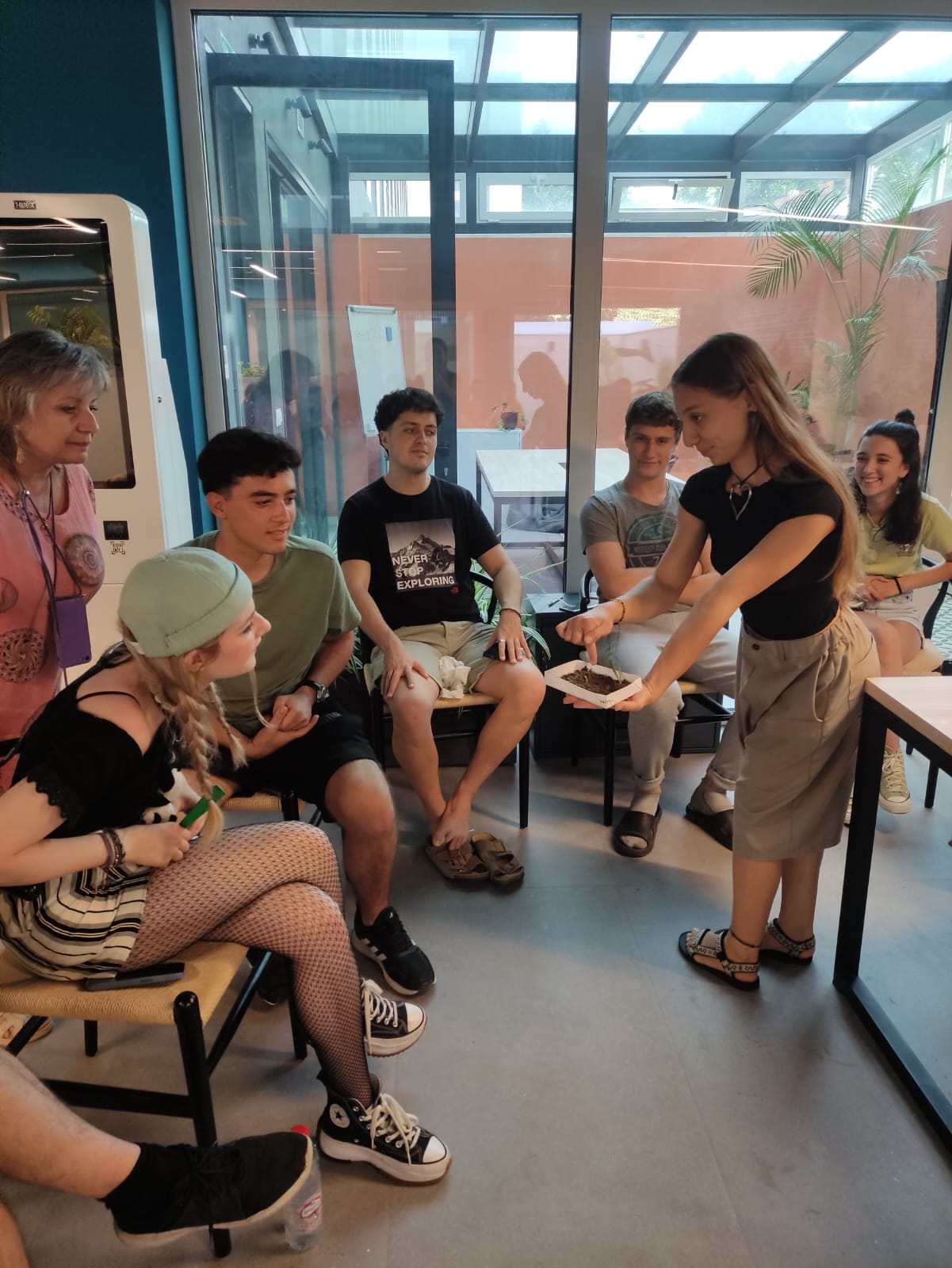
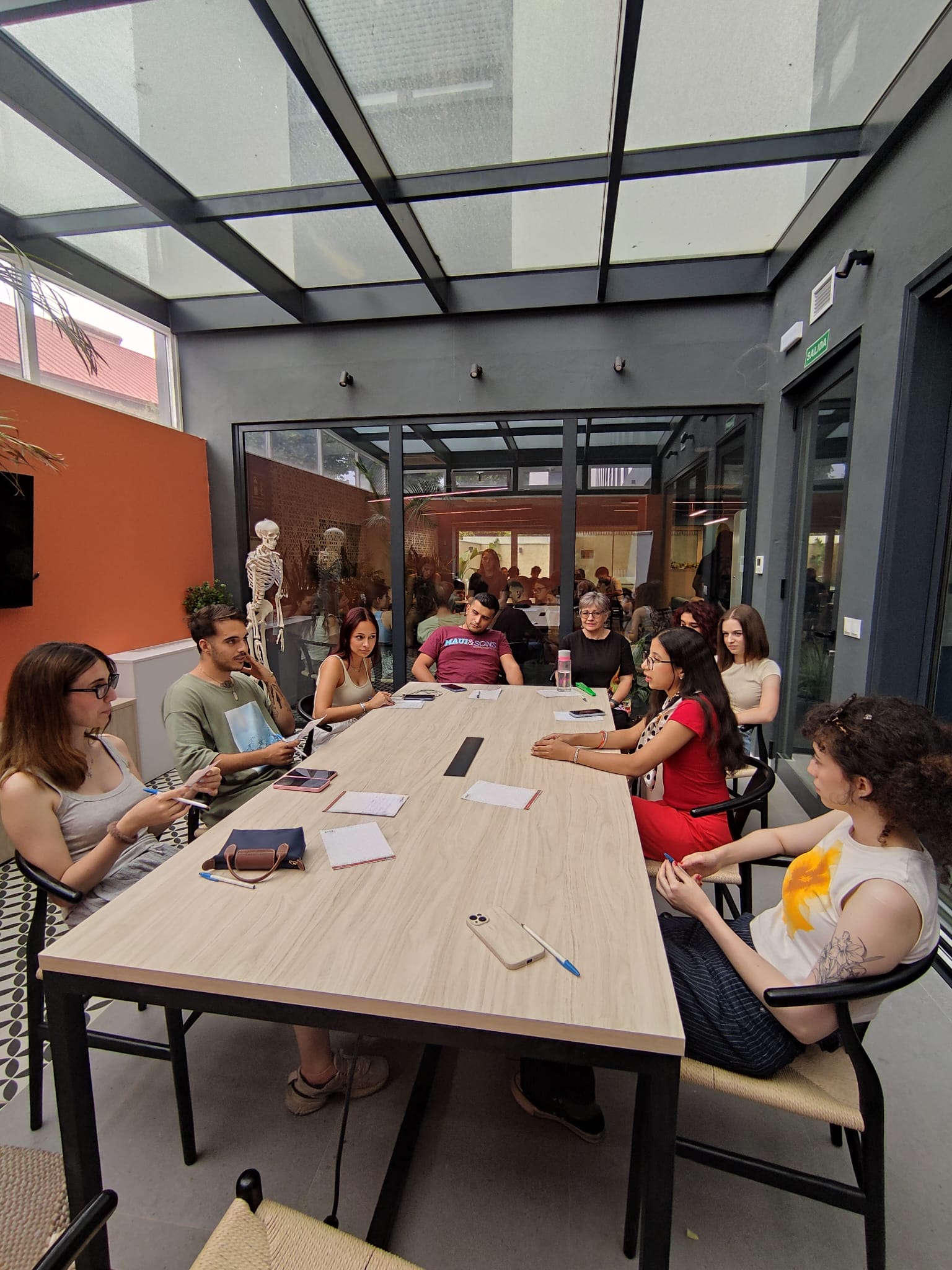
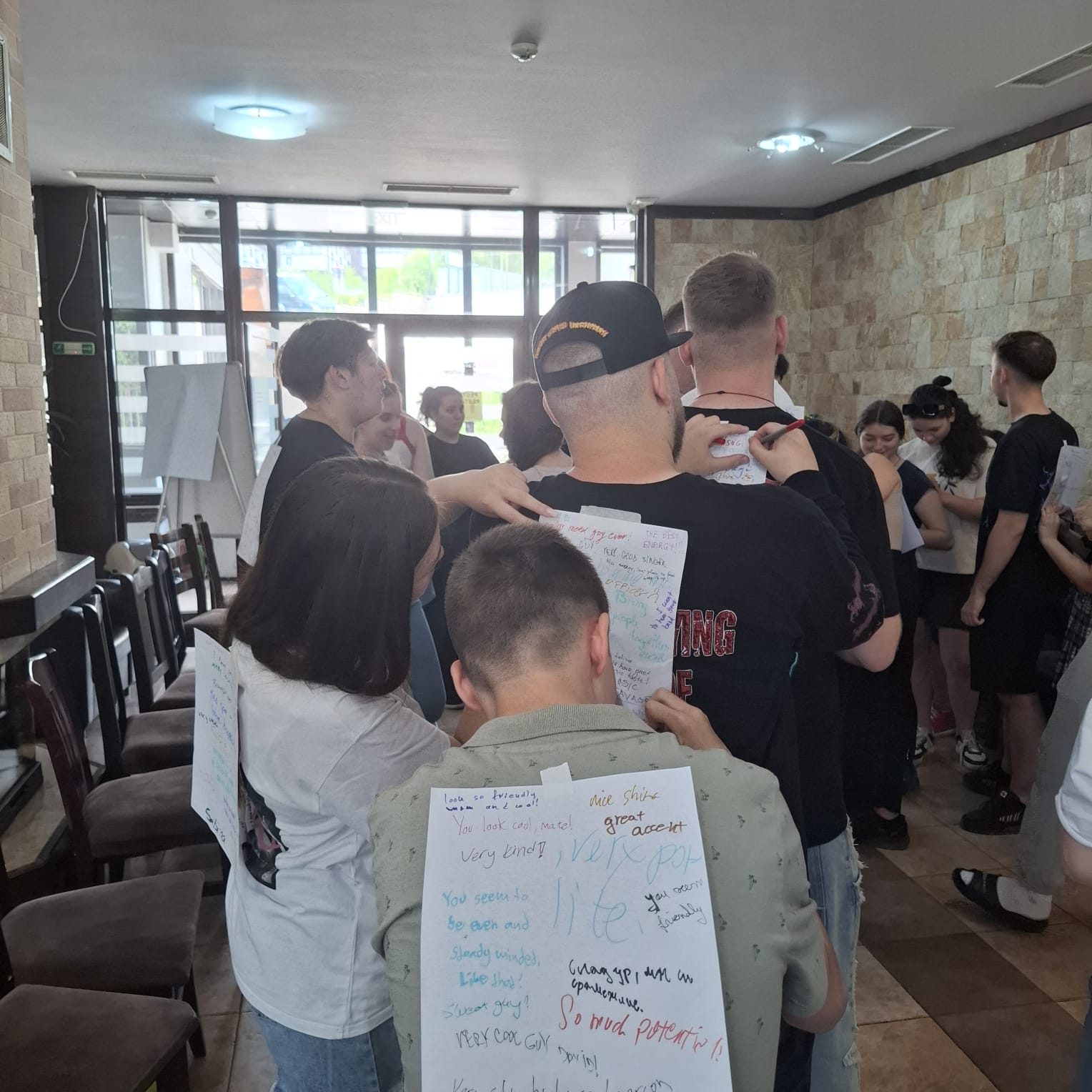
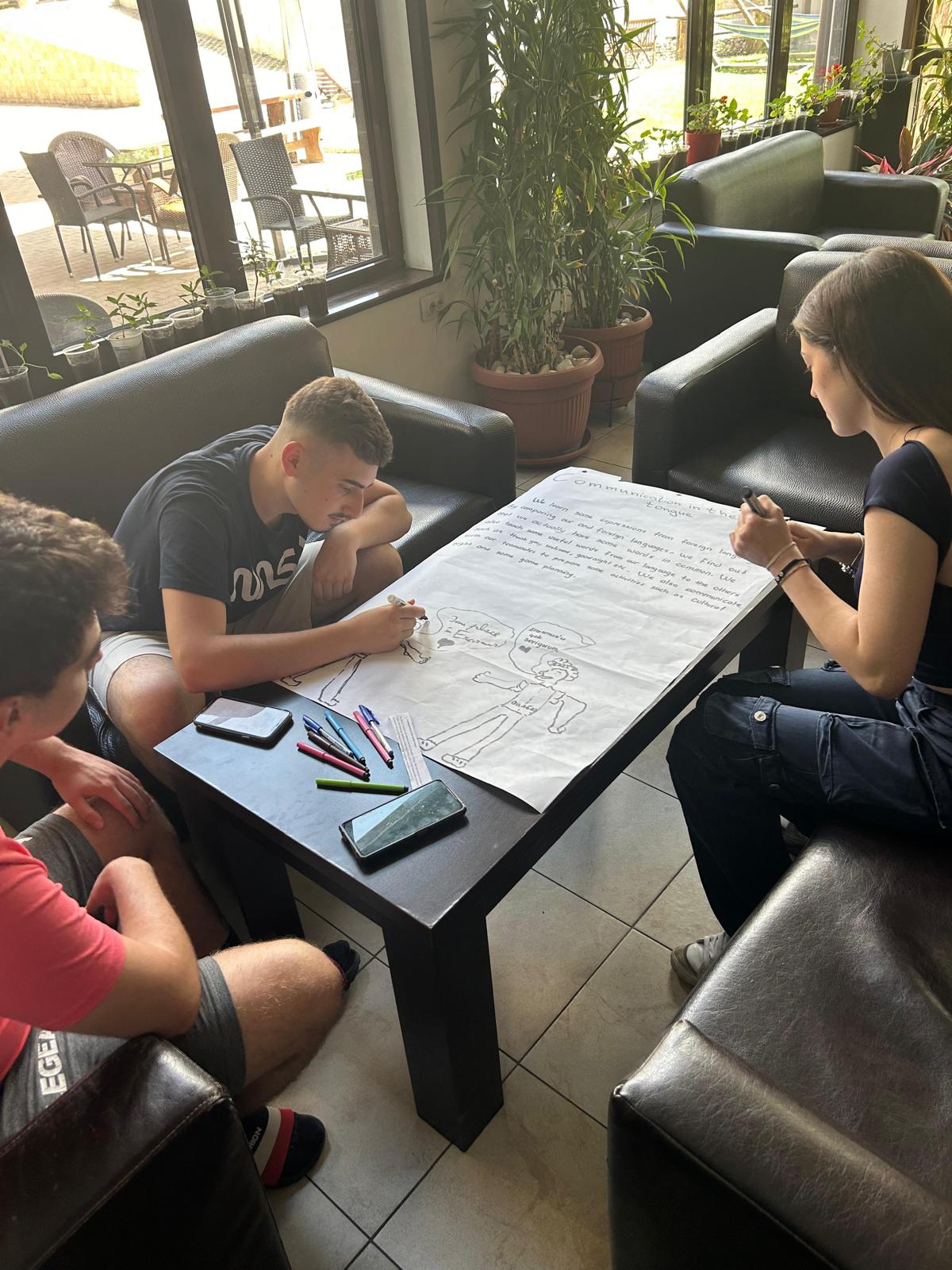
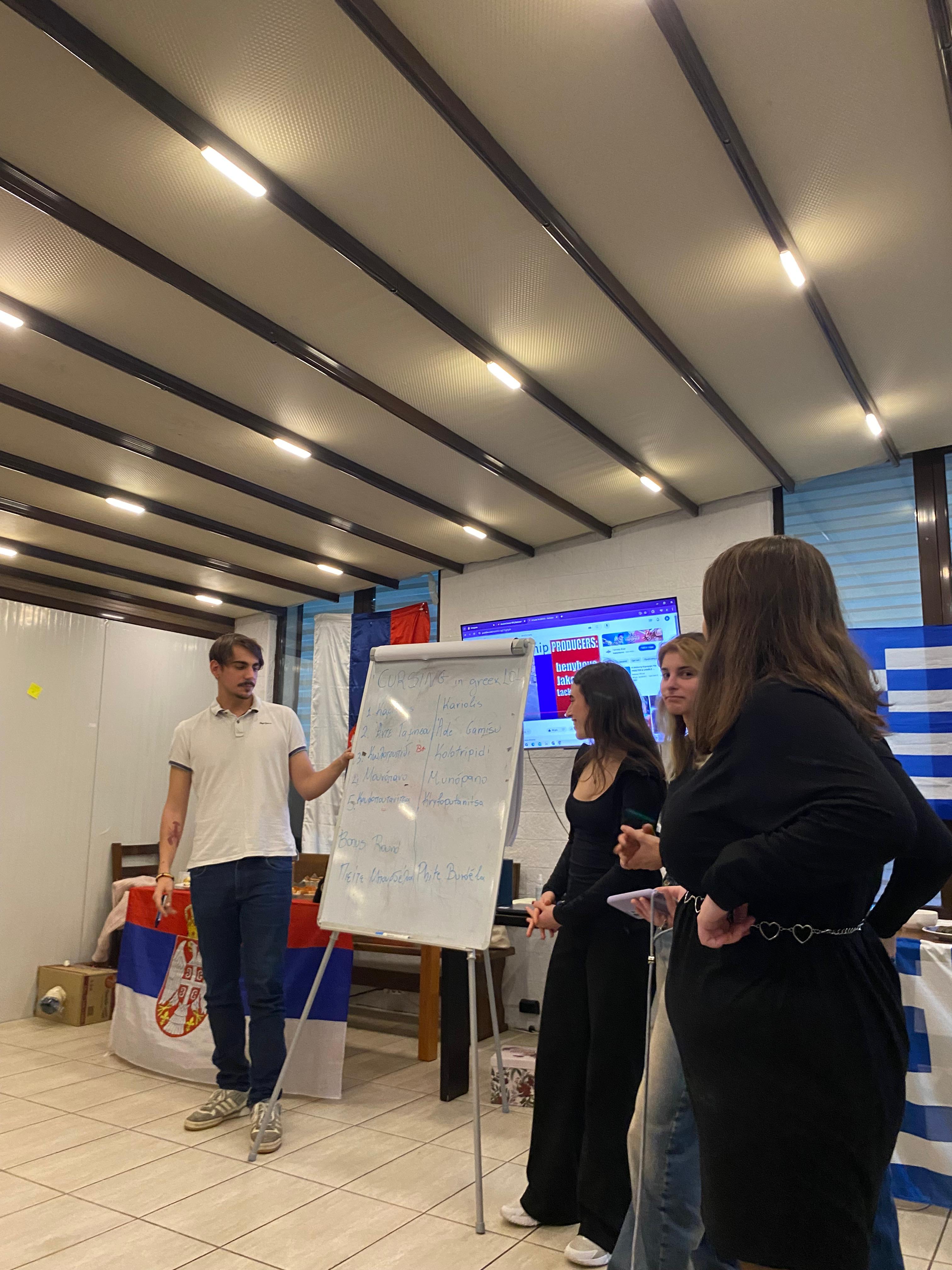
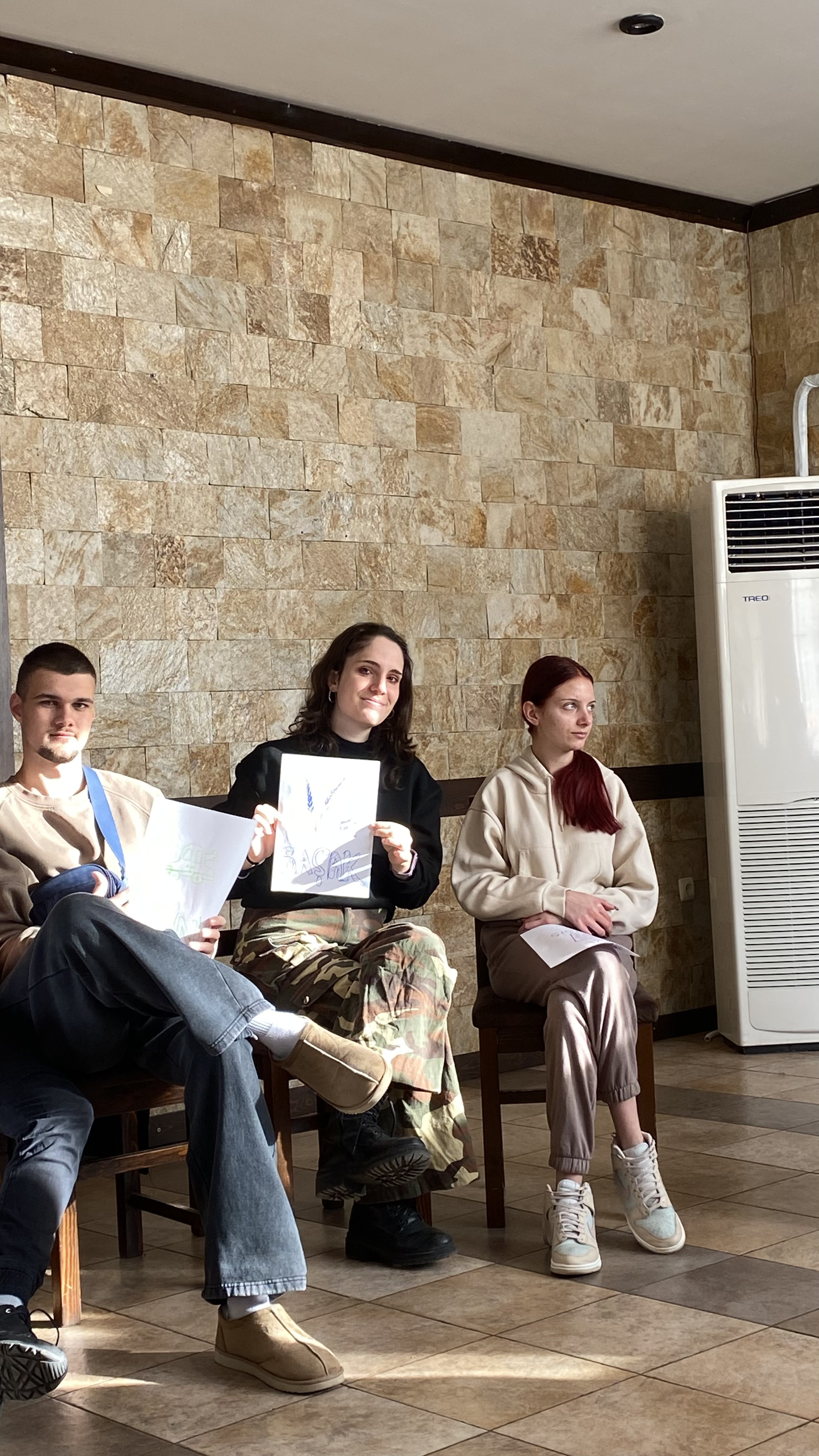
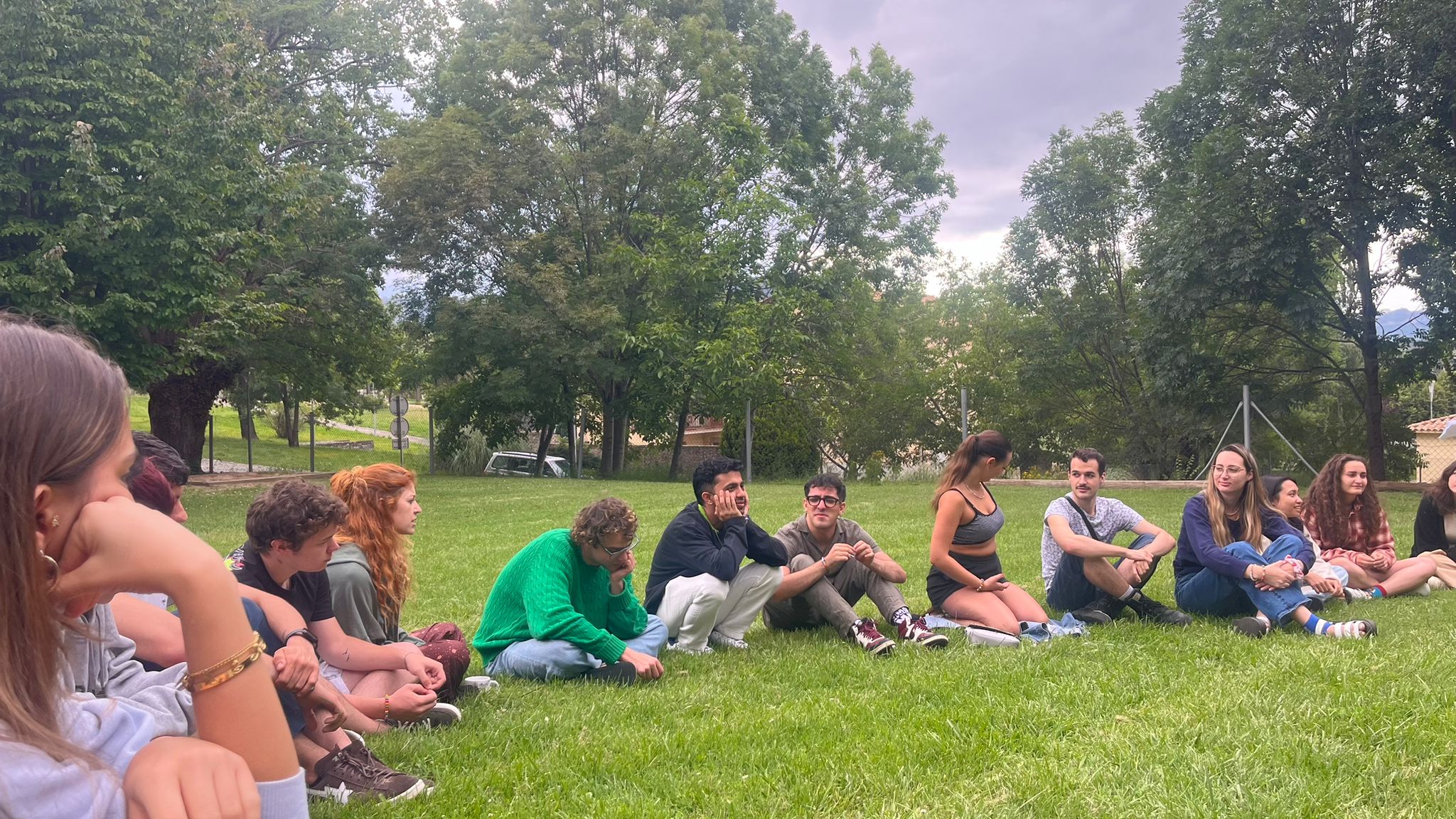
Sometimes we reflected individually, sometimes worked in pairs and sometimes joined mixed groups with participants from different countries. At other times we moved physically, made decisions through games, discussed ideas or created a concrete product.
This variety made a subject as theoretical and complex as sustainability easier to understand. Experiencing a topic rather than only listening to someone explain it became one of the most effective parts of learning for me.
Repeatedly working with different groups was another important gain. Some people made decisions quickly, others wanted more time to think, some stood out with creative ideas and others naturally organized the group.
Learning to work with these differences helped me develop not only my understanding of sustainability but also my teamwork skills.
Seeing the World Again Through a Map
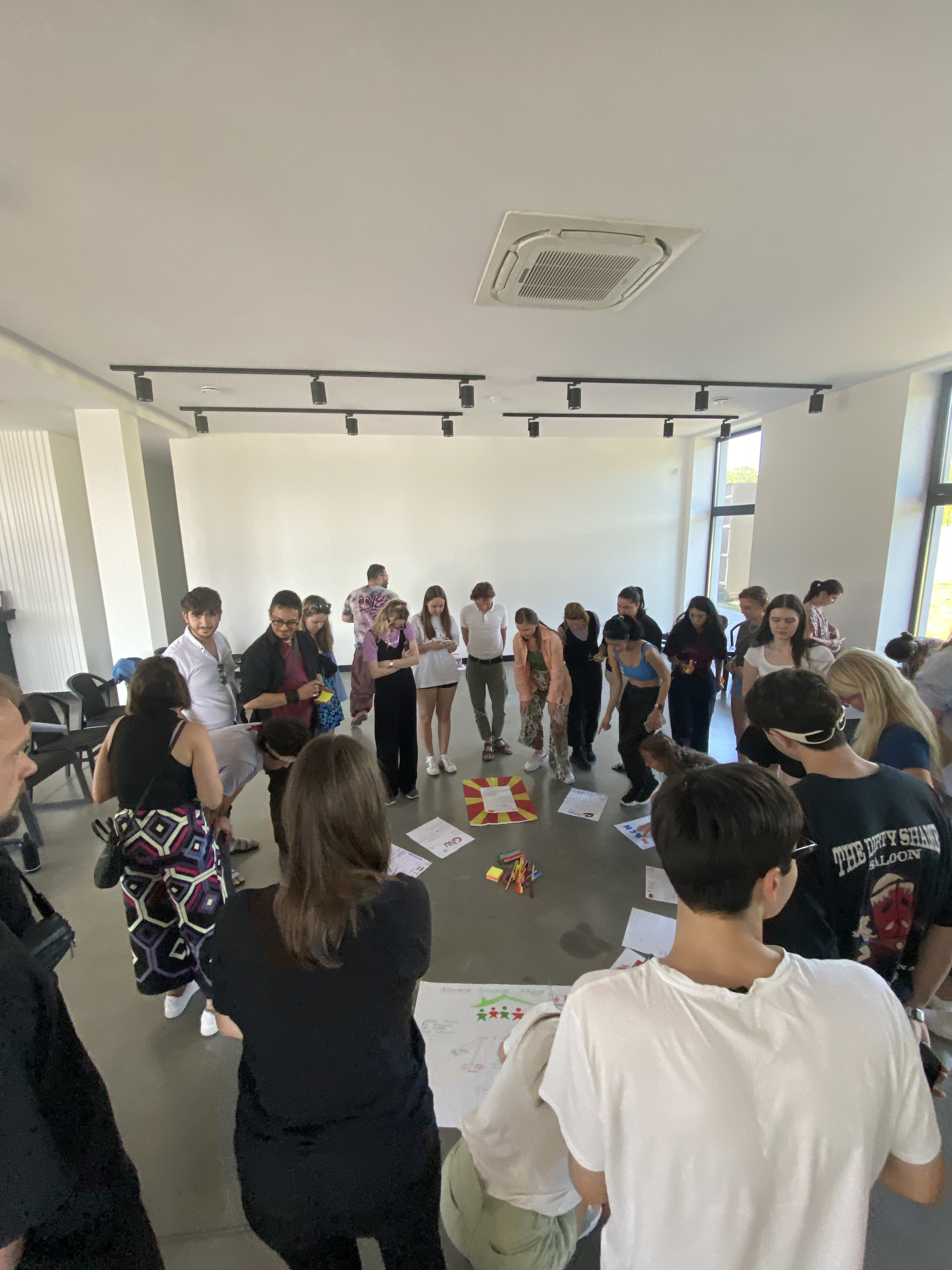
One of the project's most memorable activities was World Map. Although it initially appeared to be a simple map exercise, it offered a powerful way of experiencing how the global system works.
We already know that resources, economic power, opportunities and living conditions are not equally distributed around the world. But knowing something and experiencing it through an activity are very different.
World Map gave us an opportunity to examine the existing global order from another perspective. We discussed which countries had greater access to particular opportunities, which regions were disadvantaged and what these inequalities meant in terms of sustainability.
First we saw the problem, then tried to understand its causes and finally thought about solutions. These three stages also formed the foundation of the project as a whole.
Working Beyond Our Own National Teams
Another important feature was that we did not constantly work with the same people. Different activities brought different group combinations.
At times we worked with people from our own country, while at other times our team consisted entirely of participants from different countries. This could initially create small communication challenges because everyone had different working habits.
Yet this was precisely what made the experience valuable. We had to step beyond our usual habits, explain our ideas more clearly, understand other perspectives and reach compromises to make shared decisions.
From Sustainability to Action
Throughout the project, we examined sustainability from different perspectives. What mattered most to me was that the subject was not left at the theoretical level.
We can spend hours discussing sustainability, the climate crisis, inequality, fair distribution of resources and consumption habits. But unless these ideas become action, they remain information.
This made the "Action" part of the project especially important to me. We considered how the knowledge we gained could be transferred into our everyday lives and work.
What can I do as an individual? What can I do as a youth worker? What can we do as a group? What can we change locally? How can we make even a small contribution to global problems?
A Day to Discover Kaunas
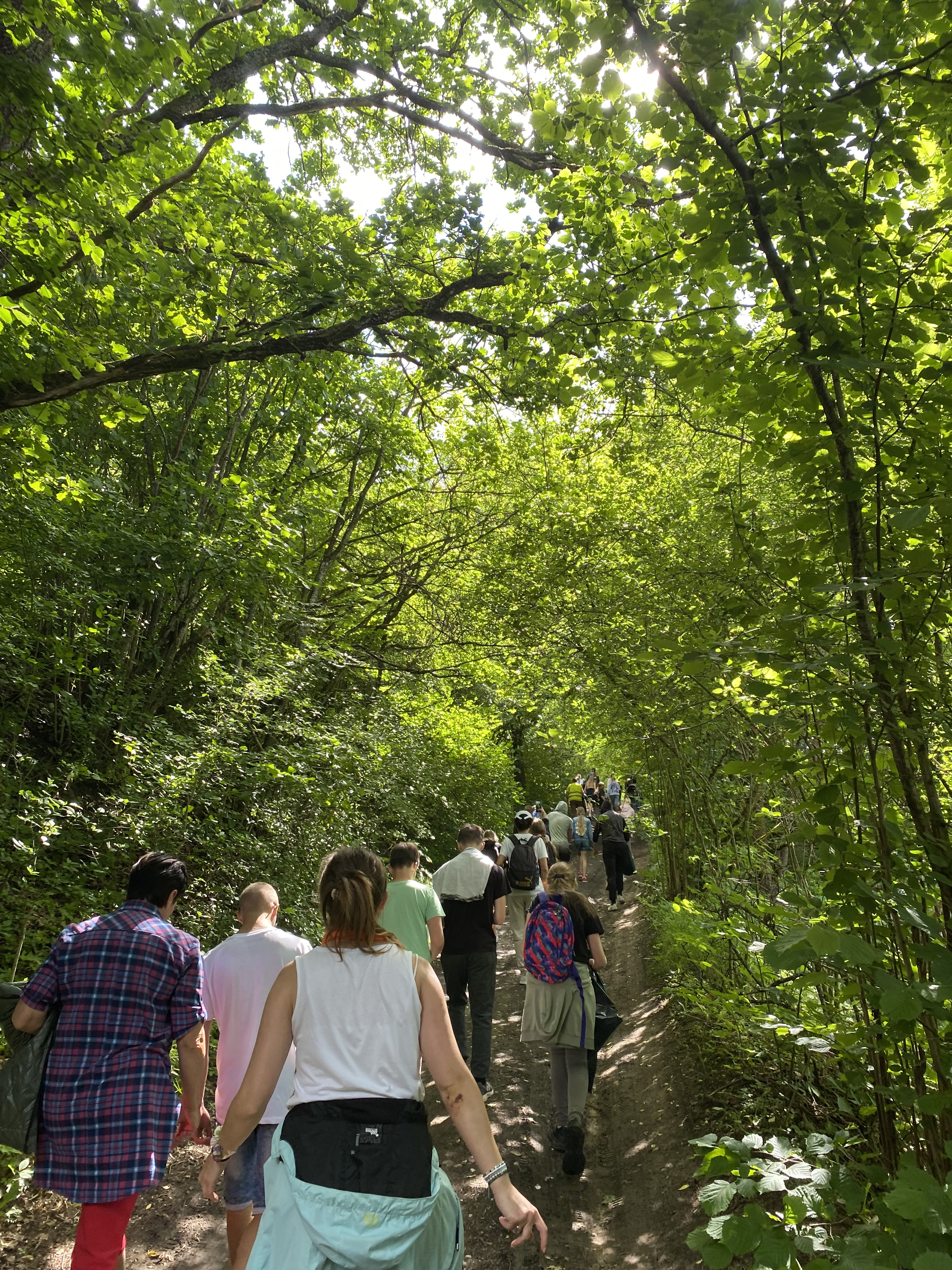
In the middle of the project, we had a free day to discover Kaunas. It offered a welcome opportunity to step away from the intensity of the training and experience the city ourselves.
The city where an Erasmus+ project takes place can be almost as important as the project itself. Learning continues not only in the training room but also in streets, cafés, public transport, museums and everyday life.
Observing daily life in Lithuania while exploring Kaunas complemented the project's intercultural learning dimension.
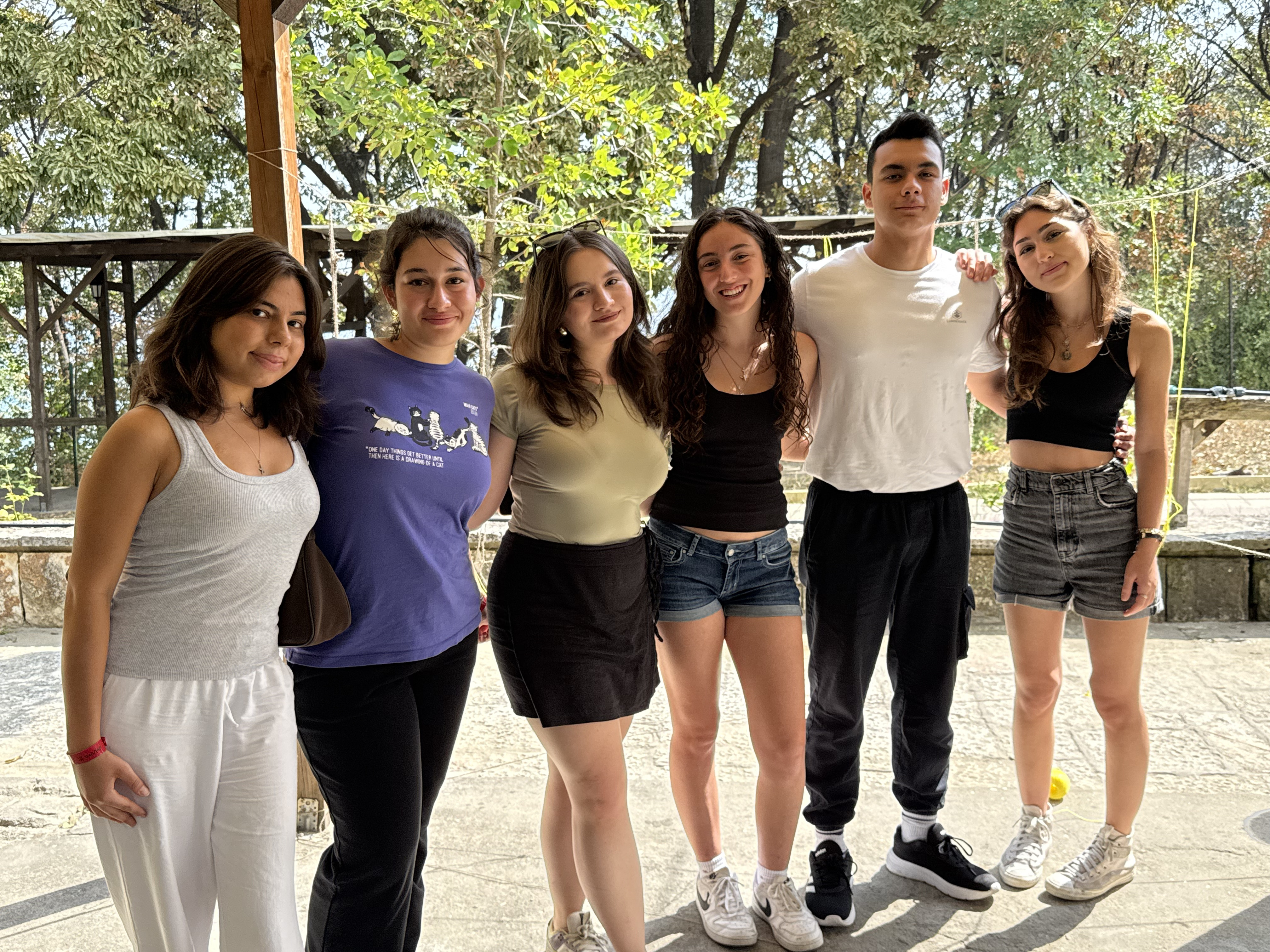
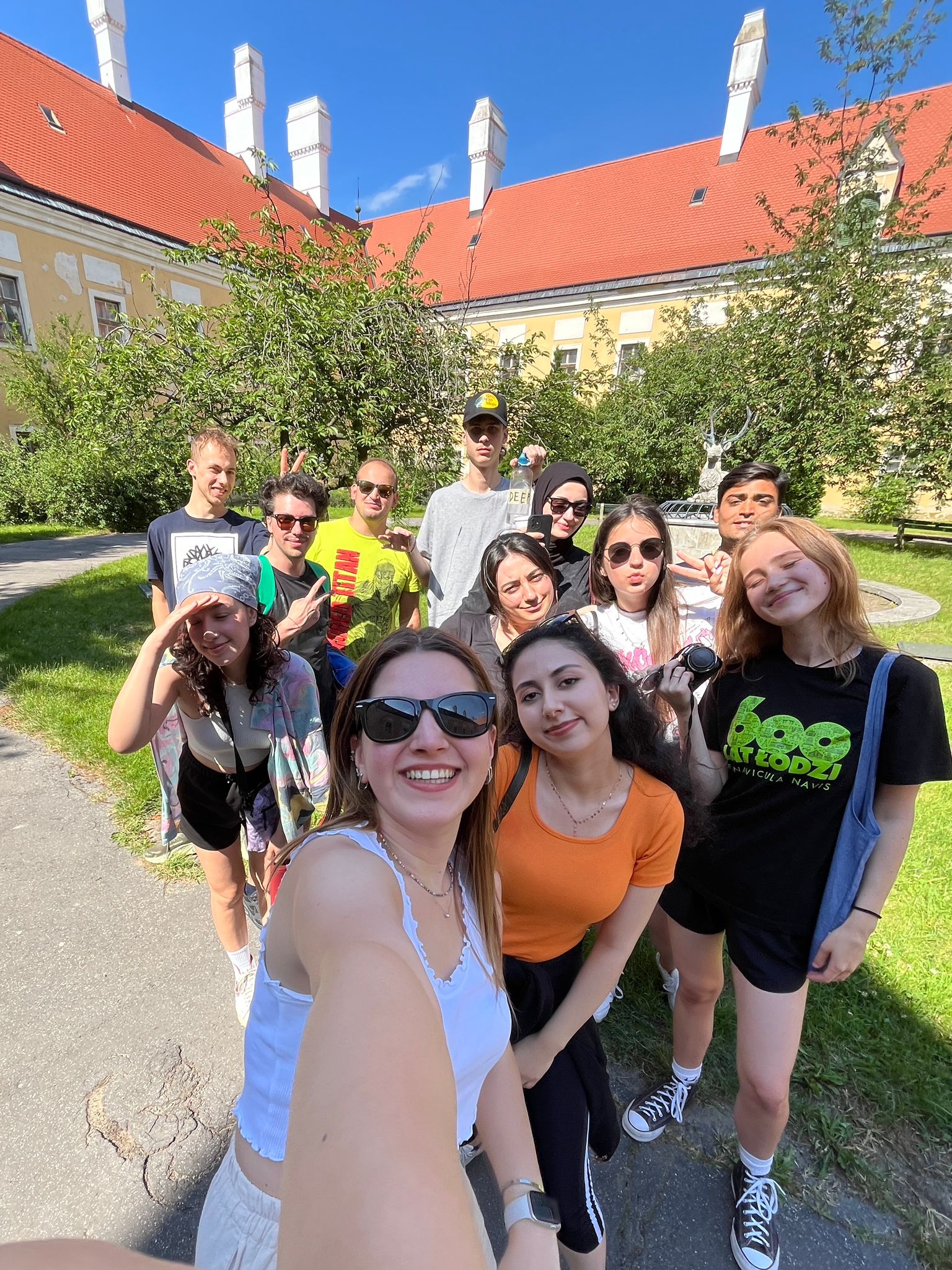
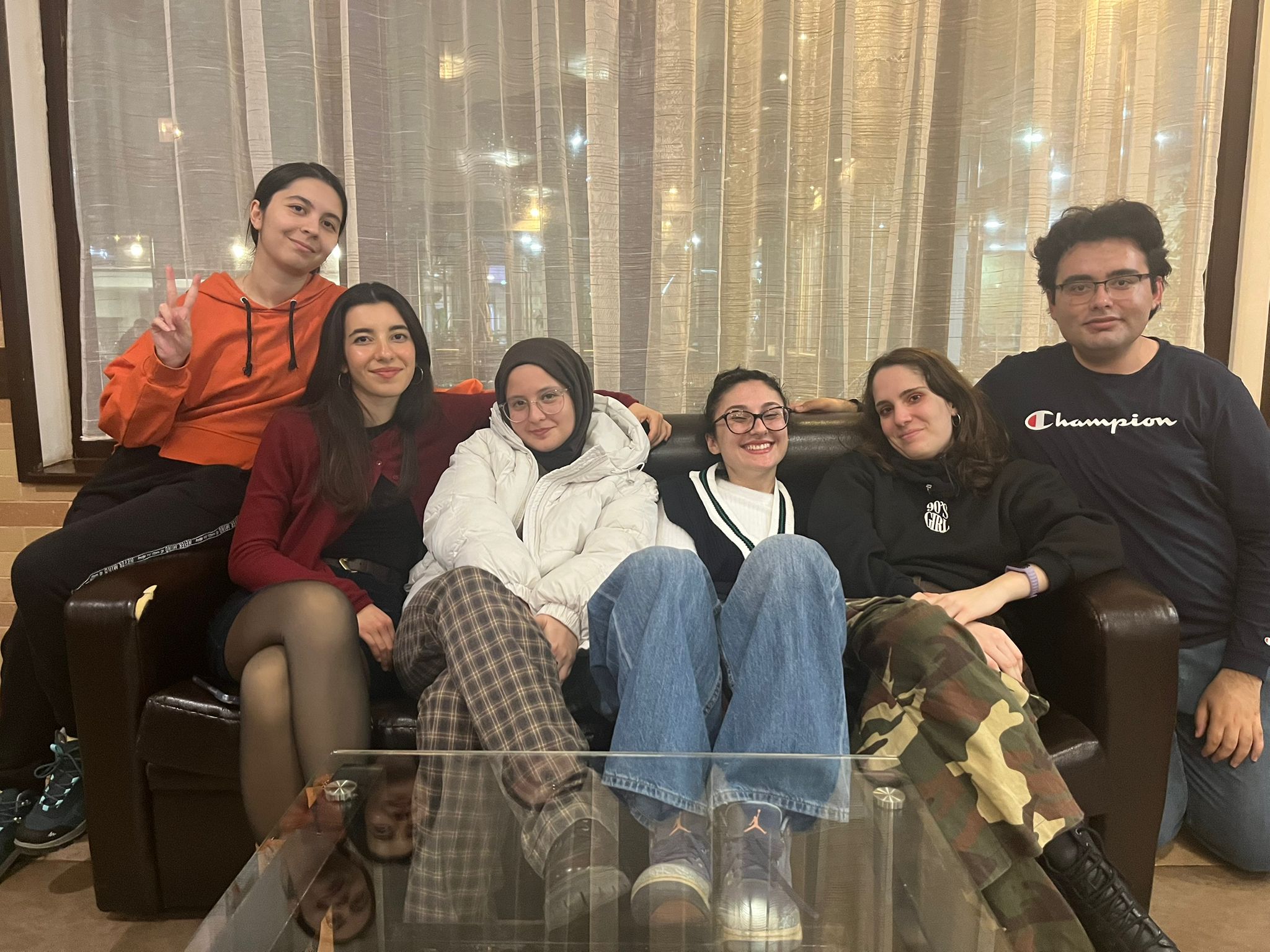
Discovering the city with friends from different countries also allowed us to create memories with people we might never otherwise have met. The break gave us time both to rest and to discuss what we had been learning.
Electionville: When Learning Became a Game
One of the most impressive parts of the project for me was a game called Electionville. It was not simply an entertaining game. In a sense, we experienced a simulation of economic systems and public administration.
In groups, we made decisions, assessed resources, determined priorities and observed the consequences of our choices. When making decisions, we had to consider not only our own group's interests but also the system as a whole.
This made me realize how complex real-world decision-making can be. Governing a country, allocating resources or responding to society's needs is not a matter of finding one correct decision.
Every decision has another consequence. Allocating more resources to one area can affect another. Trying to solve one problem may create another.
One of the best aspects was that we experienced what we were learning directly. After a while, we were genuinely making decisions within the game and seeing their consequences. It felt more like a real experience than a conventional training session.
I even found myself thinking that I would like to use the game with other groups in the future. Especially when working with young people, one effective way to explain complex issues is to place participants inside a simulation. Once people experience a system, discussing that system becomes much easier.
The People Took the Project to Another Level
Content was not the only thing that made this project special. The people were also one of its most important elements.
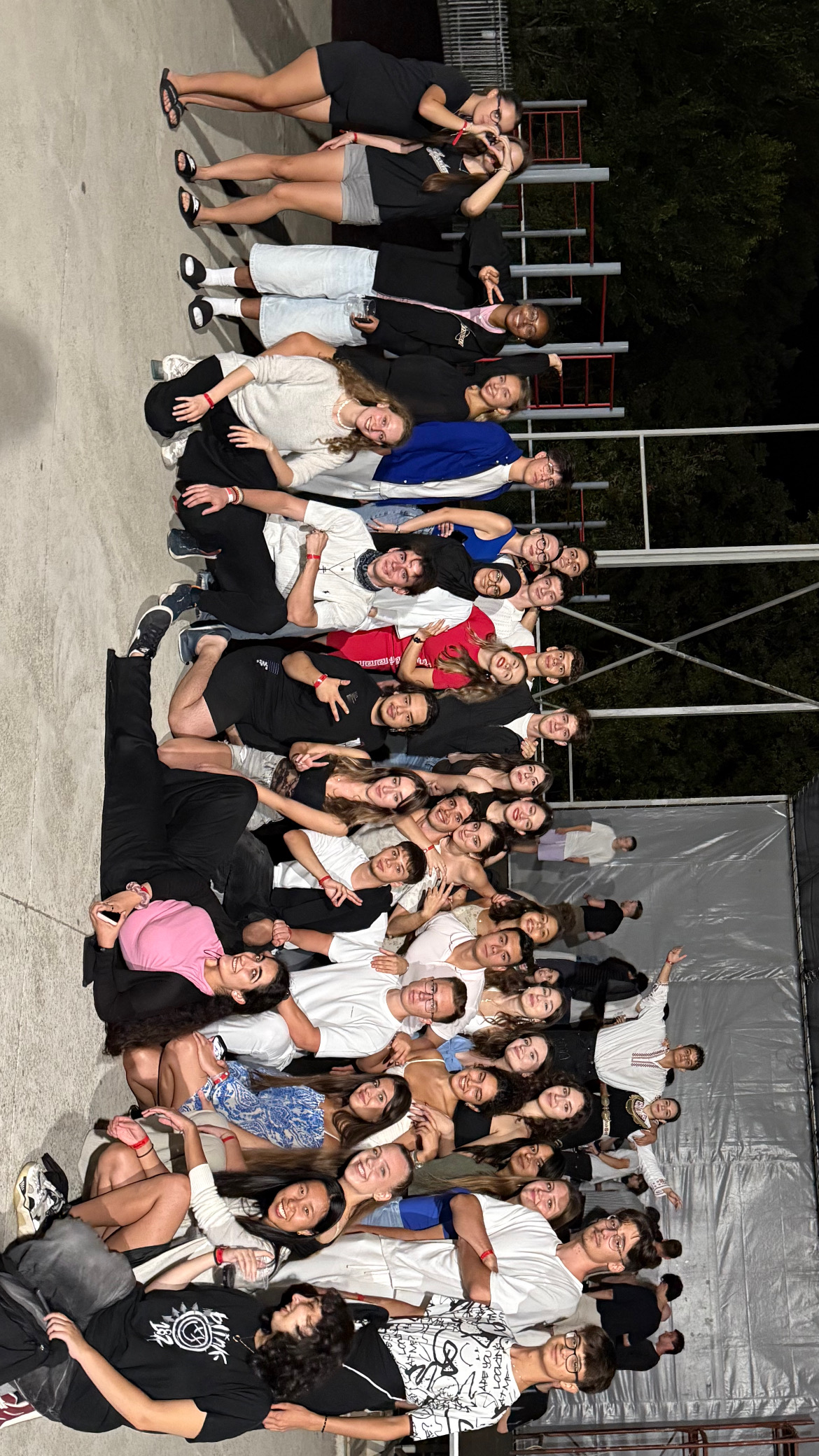
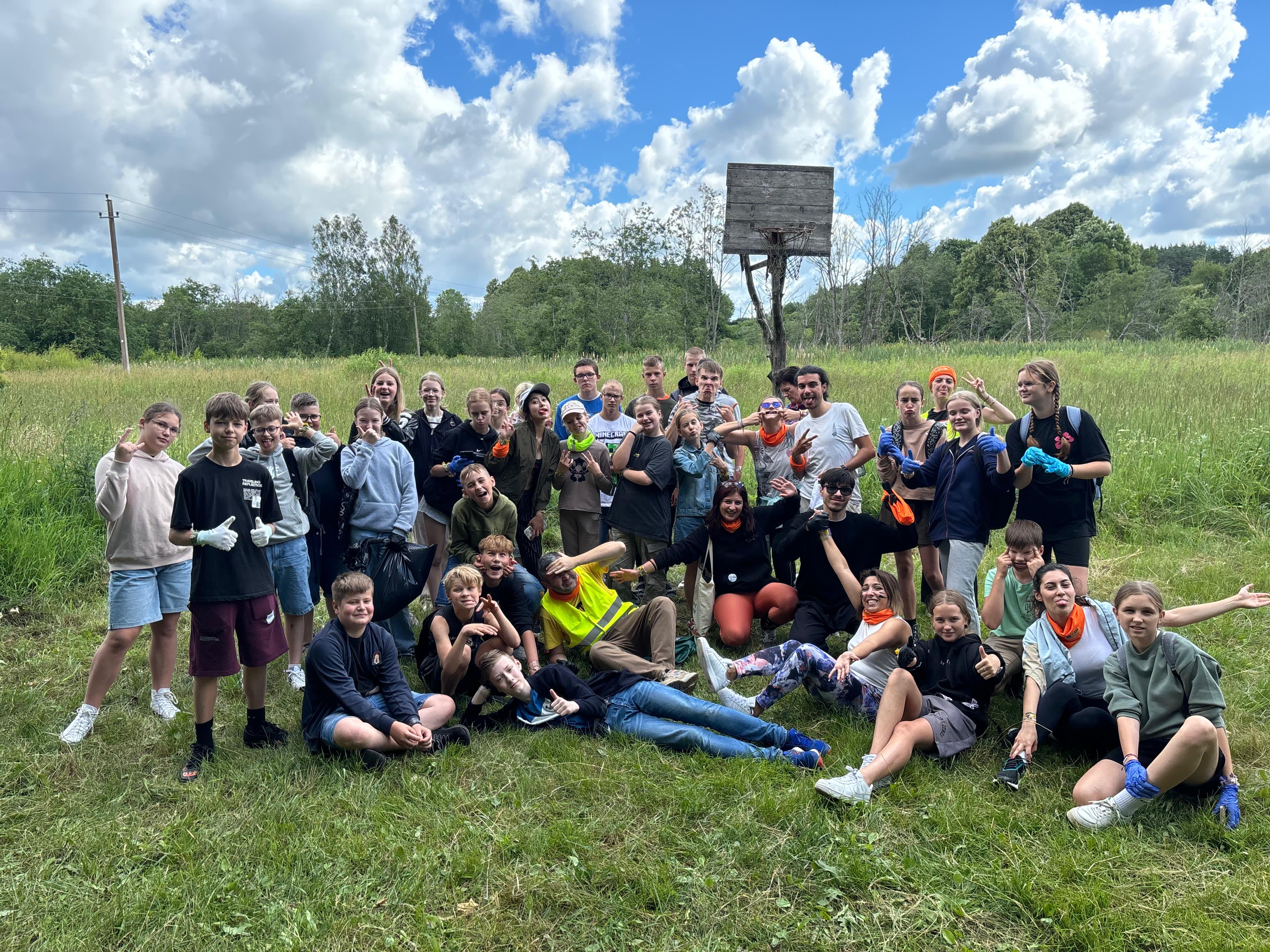
The energy, openness and willingness to learn among participants from different countries directly shaped the atmosphere. A project may have excellent content and materials, but their impact can remain limited without interaction within the group.
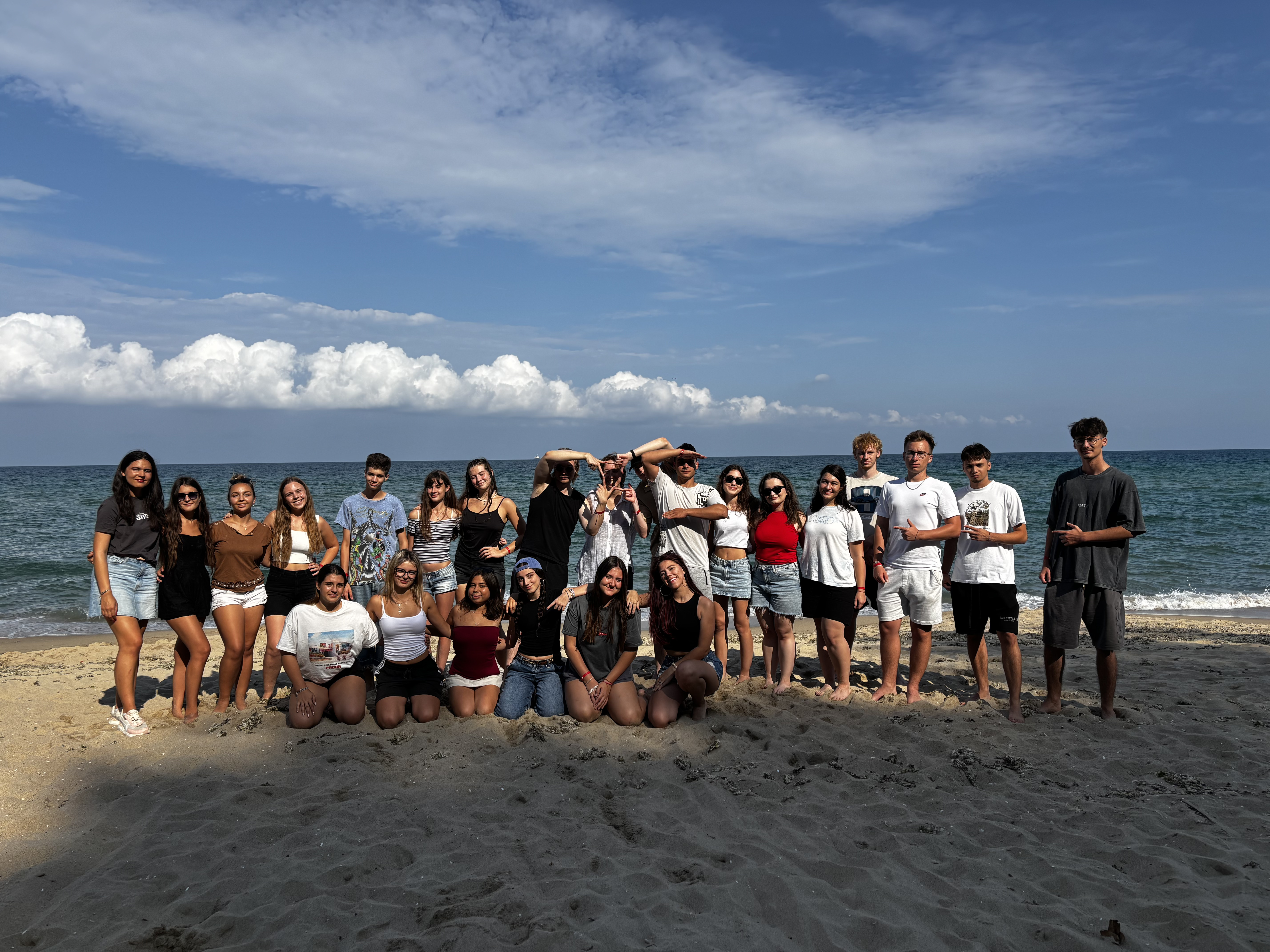
Our group experienced the opposite. People genuinely wanted to participate. They asked questions, shared ideas and discussed. Sometimes we disagreed, but even that became part of the learning process.
A Sense of Full Participation
One of the characteristics that distinguished this project was that almost everyone was involved almost all the time.
None of the sessions felt empty. When one activity ended, another began, and each was connected to the previous one. Although this could sometimes be tiring, it ultimately created a valuable learning experience.
We would first explore a concept, experience it through an activity, discuss it as a group and then reconsider it through another method. These repetitions helped us understand the subjects more deeply.
The Synergy Between Trainers and Organization
The trainers' approach also had a major effect on the quality of the process. Instead of expecting participants simply to complete tasks, they encouraged us to express our thoughts and participate actively.
The organization's wider approach was equally visible. The careful preparation, variety of materials and complementary methods helped the project progress professionally.
Final Day: From Knowledge to Experience, from Experience to Action
Conferences were held on the final day, giving us an opportunity to consider what we had learned during the week within a broader framework. We then moved into the project's feedback process.
We evaluated what the project had given us, which parts we liked most, which methods were most effective and what could be improved in the future.
Giving feedback was important to me as well. At the end of a learning process, rather than simply saying "It was good," we need to consider why it was good and which elements actually contributed to our learning.
This evaluation also helped me see more clearly how much my perspective had changed from the beginning of the project to the end.
What Did I Take Home from the Project?
At the end of a one-week Erasmus+ training course, you may have a certificate in your hands. But what you actually take home is much more than that.
I took home new methods, different models of group work and new materials and tools for addressing sustainability.
I experienced how a simulation such as Electionville can make complex subjects understandable and saw the power of World Map in exploring global inequalities.
Most importantly, I experienced learning design itself in a new way. I realized that when designing a training programme, asking only "What will I explain?" is not enough.
For me, the strongest aspect of Empowering Youth for a Sustainable Future was exactly that final question: What do we do now?
Leaving Kaunas
When I left Kaunas at the end of the project, I was not simply returning home after completing a training course. I was returning with new friendships, new methods, new perspectives and many tools I could use in the future.
What made the project particularly special was how all these elements came together. The people were excellent. The trainers were excellent. The methods were diverse. Teamwork was constant. The sessions were full. Most importantly, we were genuinely learning.
Looking back today, I can comfortably say that this was one of the best Erasmus+ projects I have participated in.
Some projects give you knowledge. Some give you friendships. Some show you a new country. Some teach you new methods. Very few manage to do all these things at once.
From Awareness to Action
Empowering Youth for a Sustainable Future was such a project for me. I experienced that the journey from awareness to action begins with understanding the world, recognizing our own position within it and finally deciding to act.
One of the most important things I learned in Kaunas was that change does not have to begin with a huge movement.
Sometimes it begins with genuinely asking a question. With questioning the existing order, recognizing our own habits, listening to another person's perspective or creating a shared solution within a group.
For me, Kaunas was exactly this kind of beginning. Moving from awareness to action. First noticing. Then understanding. And finally doing something.
Perhaps this is also the most fundamental step we need for a sustainable future.
Empowering Youth for a Sustainable Future Erasmus+ Project Participant Yücel Cultural Foundation Youth Page Erasmus+ Experience Stories